
Best Pet Lizards for Different Experience Levels is best approached by looking at the animal’s needs as a whole rather than relying on a single care tip. This guide to best pet lizards lays out the practical questions to research, what to prepare, and how to make a better-informed decision. Exact requirements vary by species, age, health and individual circumstances, so confirm details with current specialist husbandry references.
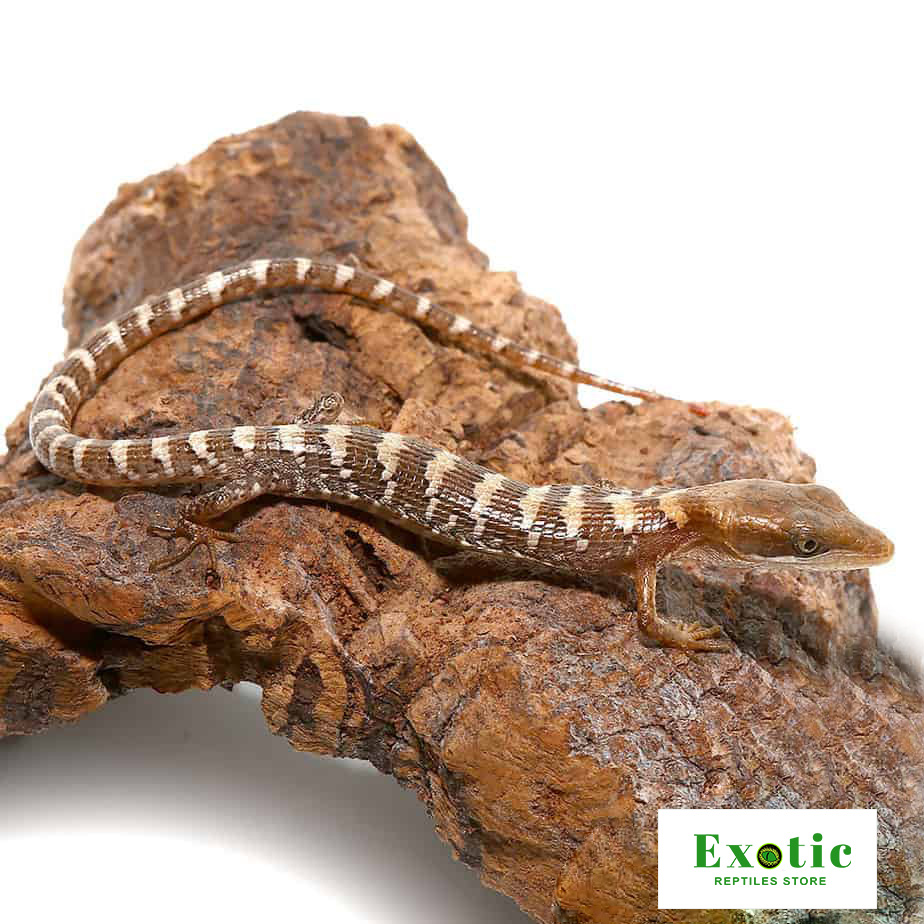
Match the animal to your experience and space
Compare the species’ adult size, lifespan, activity, feeding needs, enclosure footprint, environmental requirements and expected veterinary costs. A small juvenile can grow into an animal with demanding space or specialist-care requirements. Do not choose from appearance alone, and do not assume that a label such as “beginner friendly” removes the need for research.
Read the listing carefully
Check the exact species name and the details actually supplied by the seller. If an important point is missing, ask before ordering: current feeding routine, known care history, identification, age or sex only if documented, and any restrictions relevant to the transaction. Do not treat captive-bred status, health guarantees or availability as facts unless they are explicitly confirmed.
Prepare before committing
Have the enclosure assembled and tested before arrival. Verify temperatures, humidity and lighting with suitable instruments and prepare hides, water and species-appropriate furnishings. Locate an exotic-animal veterinarian, read the seller’s shipping and support policies, and make sure a responsible adult can receive the shipment under the stated delivery conditions.
Use a written checklist
Record the total purchase and setup budget, the animal’s adult needs, the seller’s answers, shipping arrangements, local legal requirements and the plan if a delivery is delayed. Keep copies of the listing and correspondence. A careful decision is better than rushing because a particular color or animal appears appealing.
Practical checklist
- Confirm the exact species and research current, species-specific requirements.
- Prepare the enclosure and verify environmental conditions with suitable instruments.
- Plan ongoing costs, routine care and access to an exotic-animal veterinarian.
- Check local rules and confirm important details rather than making assumptions.
- Keep records of care, equipment, feeding and any seller information supplied.
Explore related resources
Browse our lizards listings and continue with these related guides: What to Check Before Buying a Live Reptile Online · How to Prepare a Reptile Enclosure Before Bringing Your Animal Home · Questions to Ask a Reptile Seller Before You Purchase. Use the guides to plan your research, and verify any animal’s current listing details before making a purchase.
Frequently asked questions
Can I use one general care sheet for every reptile?
No. Requirements vary substantially by species and life stage. Use references specific to the animal you are researching and check important decisions with a qualified exotic-animal veterinarian.
What should I do if sources disagree?
Look for current, species-specific guidance from credible specialist or veterinary sources. Consider the context behind each recommendation, and seek professional advice rather than combining conflicting instructions.
Does this article replace veterinary advice?
No. It provides general educational guidance and is not a diagnosis or a treatment plan. Consult an experienced exotic-animal veterinarian about health concerns and individual husbandry decisions.
Responsible ownership note: laws and animal-care guidance can change. Confirm requirements that apply to your location and species before purchasing or transporting an animal.