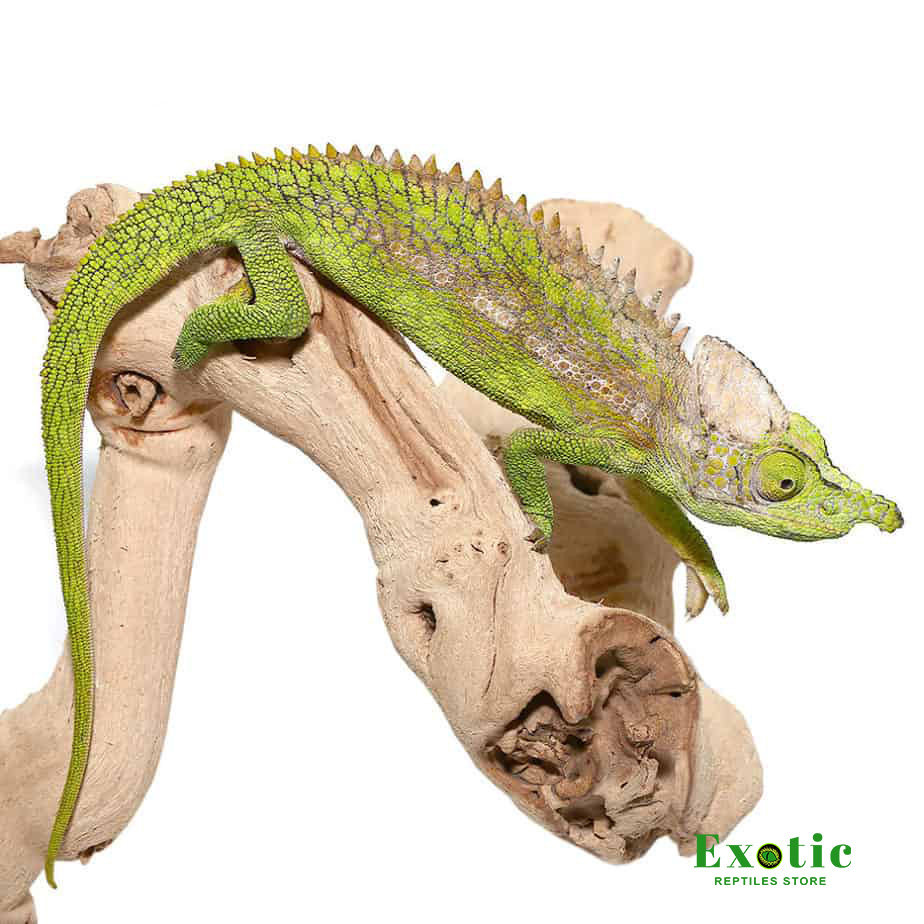
Lizards for Sale at Exotics & Aquatics
Shop lizards for sale at Exotics & Aquatics and explore a diverse selection of reptiles with different appearances, temperaments, activity patterns, adult sizes, and care requirements. From popular bearded dragons and distinctive blue-tongued skinks to powerful monitor lizards, iguanas, and desert-adapted uromastyx, lizards offer a wide range of options for reptile keepers. Choosing the right lizard, however, requires more than selecting an animal based on its appearance. Each species has specific environmental, dietary, behavioral, and long-term care needs that should be understood before bringing a new reptile home.
At Exotics & Aquatics, you can browse available lizard listings, compare the individual animals and species presented, and research which type of reptile best fits your experience level, available space, and ability to provide appropriate care. Because availability changes, the animals shown in the store may vary over time. Review each product description carefully to confirm the species and any individual details provided for that particular animal.
Whether you are researching your first pet lizard or expanding an established reptile collection, responsible ownership begins with preparation. Consider the animal’s expected adult size, enclosure requirements, temperature and humidity needs, lighting, diet, and access to an experienced reptile veterinarian. A suitable habitat should be established before the animal arrives, with all essential equipment tested and functioning correctly.
Explore lizards for sale at Exotics & Aquatics, learn about the differences between popular lizard groups, and make an informed decision based on the needs of the individual animal rather than appearance alone.
Explore Different Types of Lizards for Sale
The term lizard covers a broad group of reptiles, and different species can have remarkably different lifestyles. Some are terrestrial and spend much of their time walking across the ground, while others are highly arboreal and depend on vertical climbing space. Certain species are adapted to dry environments, whereas others need carefully controlled humidity and access to moisture.
Understanding these differences helps you narrow your search and prepare an appropriate enclosure before choosing an animal.
Bearded Dragons for Sale
Bearded dragons are among the best-known pet lizards and are often considered by people researching their first reptile. Their recognizable appearance, daytime activity, and distinctive behaviors make them appealing to many keepers. However, they still require a carefully managed environment, suitable nutrition, and regular observation.
Bearded dragons need a spacious enclosure with a suitable temperature gradient, a properly selected UVB lighting system, and a designated basking area. Their habitat should allow them to move between warmer and cooler zones so they can regulate their body temperature. Lighting and heating equipment must be appropriate for the enclosure’s dimensions and arranged to prevent burns or other injuries.
Diet is another important consideration. Bearded dragons have changing nutritional requirements as they grow, and their diet commonly includes suitable insects and plant matter in proportions appropriate to their age and condition. Fresh drinking water, appropriate supplementation, and good food hygiene also contribute to responsible care.
Before purchasing a bearded dragon, research its expected adult size, feeding routine, enclosure dimensions, and ongoing equipment costs. Check the individual listing for confirmed details rather than assuming an animal’s age, sex, or feeding history.
Monitor Lizards for Sale
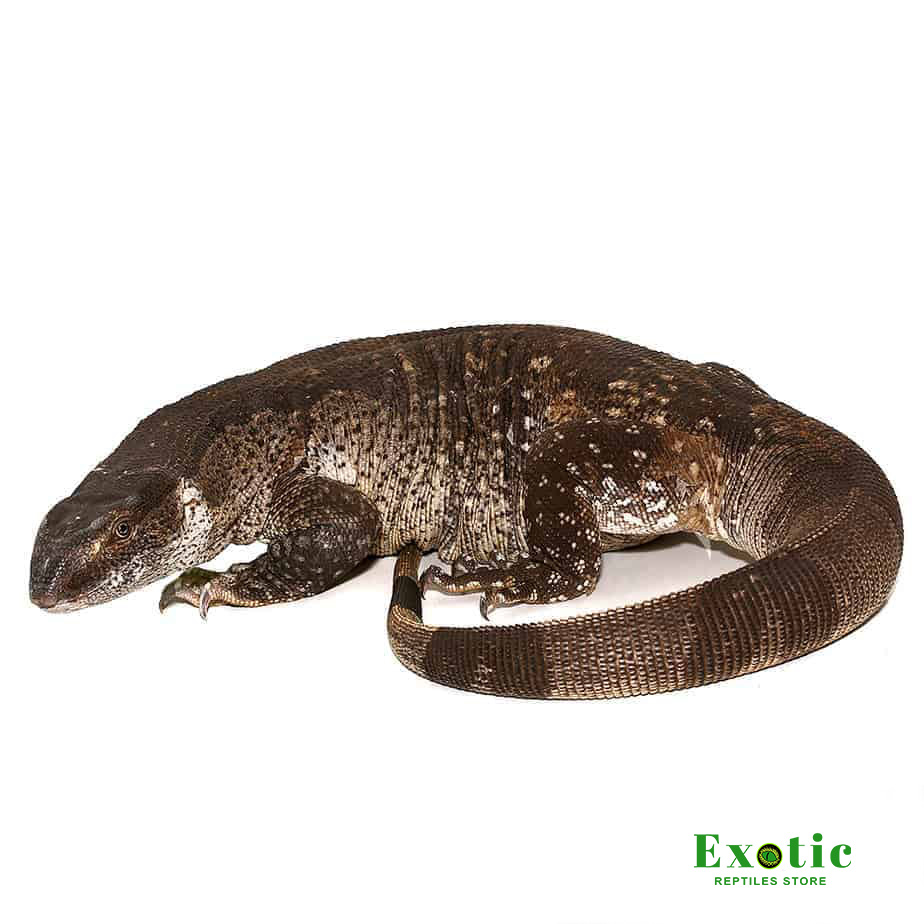
Monitor lizards are a diverse group of reptiles that can be impressive in both appearance and behavior. Depending on the species, monitors may be active hunters, powerful climbers, strong diggers, or a combination of these. Their size, strength, activity levels, and husbandry requirements vary considerably.
Some monitor species remain relatively smaller than others, while different species can grow into very large animals that need substantial, secure enclosures. Their housing must account for adult size, movement, climbing or digging behavior, ventilation, and environmental control. Enclosures should be robust enough to withstand an active reptile and prevent escapes.
Monitor lizards also require careful dietary planning. Their nutritional needs depend on species, age, and condition, and feeding practices should be based on reliable species-specific guidance rather than a general diet intended for all lizards. Water access, appropriate temperatures, and consistent observation are essential parts of their care.
These reptiles are not automatically suitable for beginners. Before considering a monitor lizard, research the exact species and its adult requirements, assess whether you can provide adequate space, and identify a veterinarian experienced with reptiles. Make sure you understand any applicable ownership restrictions before purchasing.
Skinks for Sale
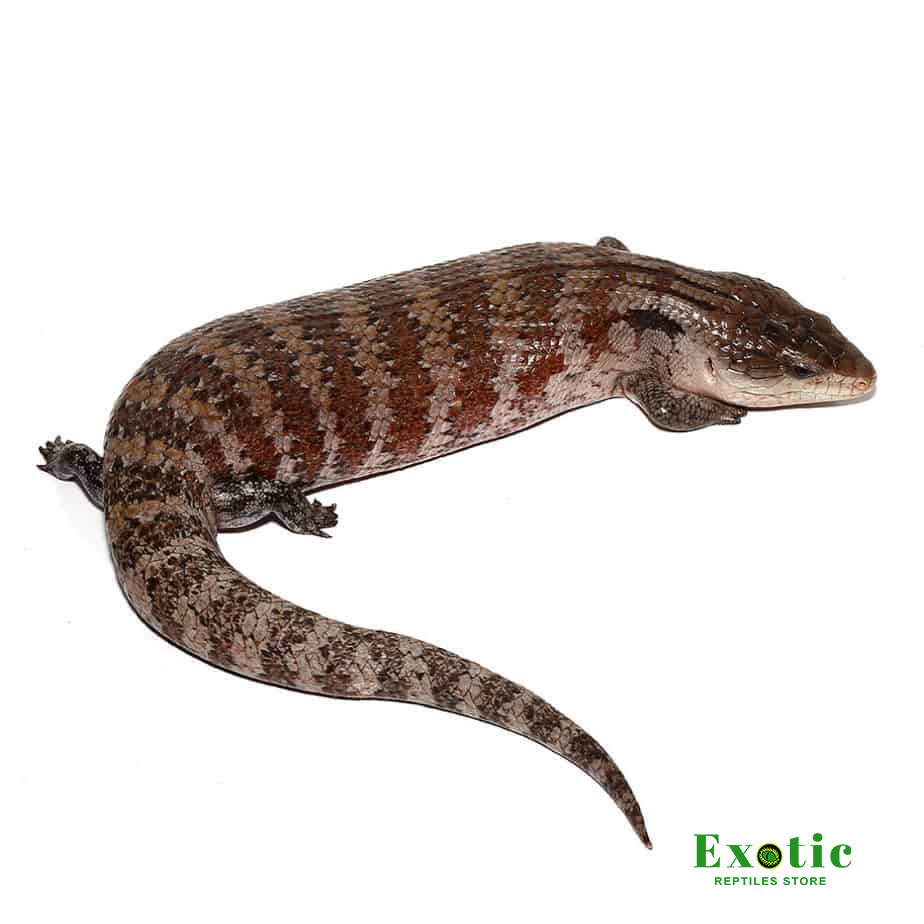
Skinks are a varied group of lizards that includes species with different body shapes, activity patterns, and environmental needs. Some are primarily terrestrial and use hides or burrows, while others climb or explore different levels of their enclosure. Their care requirements should always be matched to the exact species.
Blue-tongued skinks are especially recognizable because of their broad bodies, short legs, and distinctive tongues. They need a suitable enclosure with secure hiding places, appropriate temperatures, and substrate that supports their natural behavior without creating avoidable health risks. Humidity requirements vary between species and geographic origins, so it is important to avoid assuming that all skinks thrive in the same conditions.
Skink diets also differ by species. Some require a varied omnivorous diet, while others have more specialized feeding needs. Research the correct balance of suitable food items, nutritional supplementation, and feeding frequency for the animal you intend to keep.
When comparing skinks for sale, look beyond color and markings. Consider adult size, activity level, habitat design, handling expectations, and the time needed to maintain a stable environment. Review each available listing for the individual details actually provided.
Iguanas for Sale
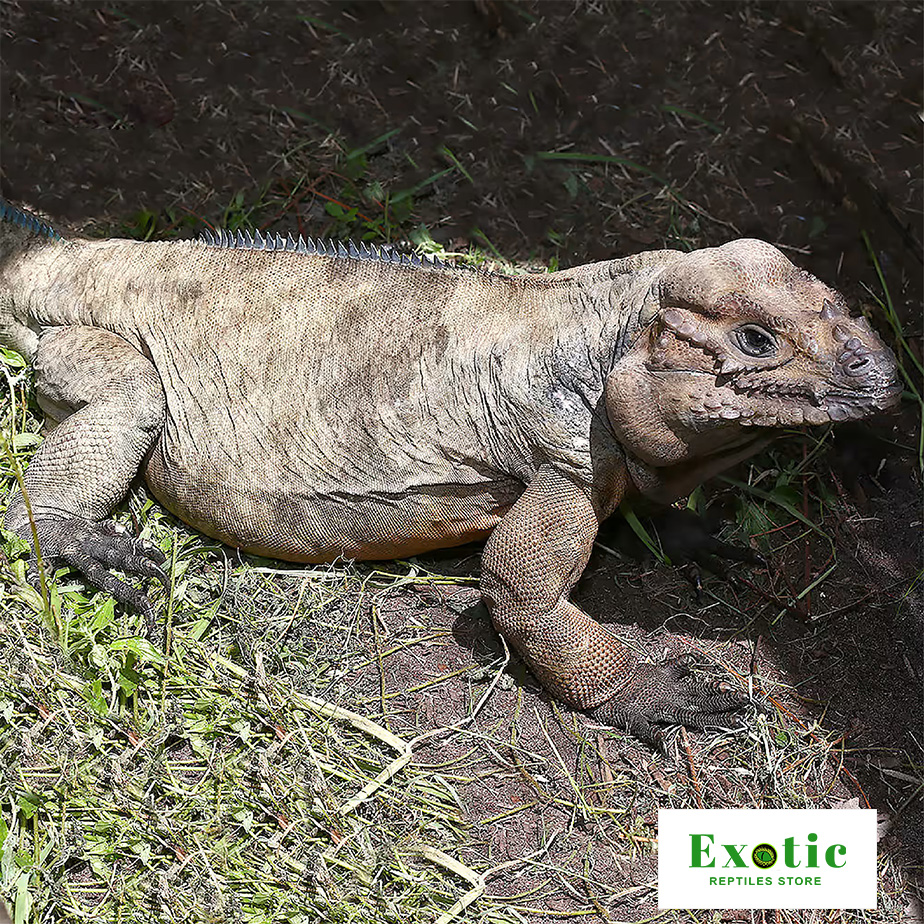
Iguanas are distinctive reptiles that require serious consideration before purchase. Although they are sometimes chosen for their striking appearance, many iguanas grow considerably larger than new keepers expect and need extensive enclosures with appropriate climbing structures, environmental controls, and secure access points.
Green iguanas, in particular, can become large, powerful animals. Their adult size, strength, and behavioral needs can make them challenging to house properly in limited space. A suitable habitat should provide room for movement and climbing, appropriate basking temperatures, species-appropriate UVB lighting, and humidity management where required.
Diet is equally important. Many commonly kept iguanas are primarily herbivorous and need a carefully planned selection of suitable plant foods. Their nutrition should not be based on the feeding practices used for insect-eating or omnivorous lizards. Reliable, species-specific advice can help prevent inappropriate food choices and nutritional imbalances.
Before buying an iguana, assess whether you can accommodate its adult size and long-term needs. Research local regulations, identify suitable veterinary care, and ensure that you have the space and resources to maintain the animal throughout its life.
Uromastyx for Sale
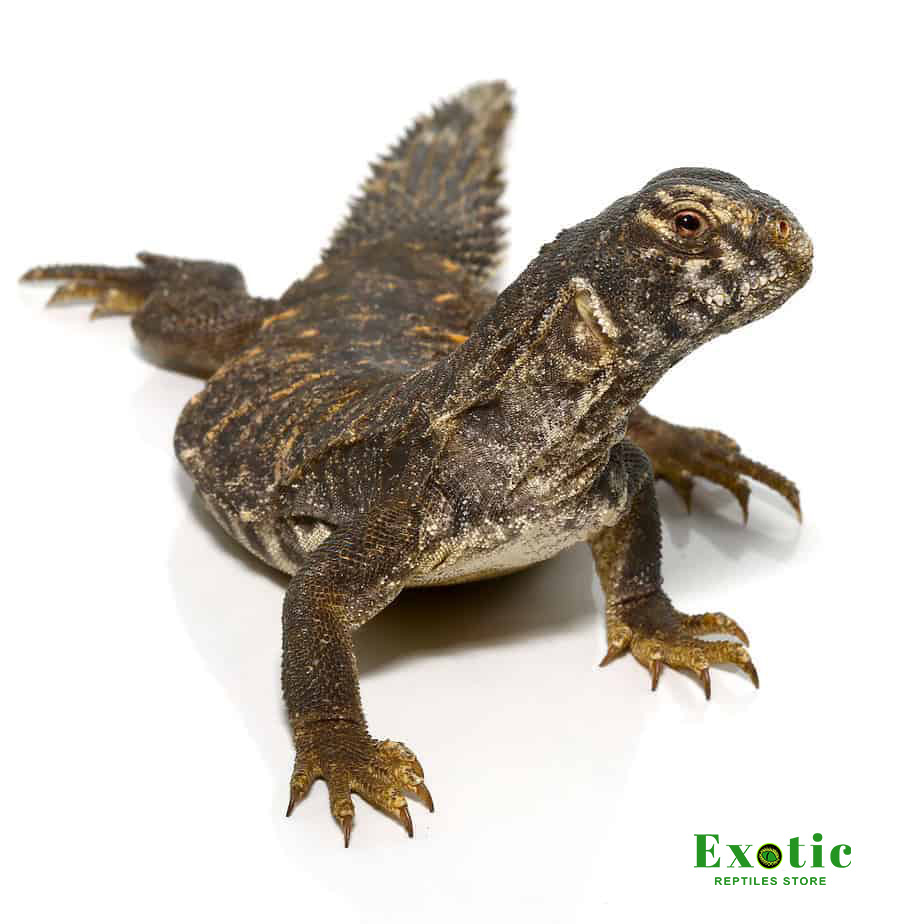
Uromastyx are distinctive lizards associated with arid environments. Their sturdy bodies, spiny tails, and varied coloration make them interesting to reptile enthusiasts who appreciate desert-adapted species. Their specialized environmental needs, however, mean that careful habitat planning is essential.
Uromastyx generally need a hot basking area, a cooler zone, appropriate UVB lighting, and a dry enclosure with good ventilation. Temperatures must be measured at the relevant basking and ambient locations rather than estimated from the room temperature. Heating equipment should be controlled and positioned to reduce the risk of burns, while the enclosure should allow the animal to move between suitable temperature zones.
Their diet is another important distinction. Uromastyx are primarily herbivorous, and their feeding plan should emphasize appropriate plant foods selected for the species. Feeding them as though they were insectivorous or broadly omnivorous lizards can result in unsuitable nutrition.
Before choosing a uromastyx, learn about its species-specific temperature requirements, diet, substrate, and adult enclosure needs. A properly prepared habitat is particularly important for a reptile adapted to a specialized environment.
How to Choose the Right Lizard for Your Home
Choosing a lizard for sale should involve an honest assessment of your experience, available space, daily routine, and long-term resources. Two lizards that look similar in a photograph may have very different requirements once their adult size, feeding behavior, and environmental needs are considered.
Consider Adult Size and Space Requirements
One of the most important factors is how large the lizard will become. A juvenile may appear comfortable in a small enclosure, but its housing needs can increase significantly as it grows. Large monitors and iguanas may require dedicated enclosures or specially designed reptile rooms, while smaller species may need less floor space but still require carefully controlled environmental conditions.
Plan for the animal’s expected adult dimensions rather than buying equipment based only on its current size. Consider enclosure length, width, height, ventilation, structural strength, and the space needed for lighting, heating, hides, and other furnishings.
Understand Temperament and Activity
Lizard behavior varies considerably between species and individuals. Some are active during daylight hours, while others are most active around dusk or at night. Certain lizards may become accustomed to gentle handling, but others are best appreciated through observation and may become stressed when frequently picked up.
Think about how you want to interact with your reptile. If you prefer observing natural behaviors, a species with interesting feeding, climbing, or basking habits may be suitable. If handling is important to you, research the species’ typical behavior and understand that individual temperament cannot be guaranteed.
Never assume that a lizard will enjoy handling simply because it is advertised as a pet. Every reptile needs time to settle into a new environment, and handling should be approached gradually and respectfully.
Match the Species to Your Experience
Some lizards are commonly recommended to new keepers when their needs can be met properly. Others have demanding diets, large adult sizes, specialized environmental requirements, or behaviors that make them more appropriate for experienced reptile enthusiasts.
Your experience level should influence which species you consider, but it should not be the only deciding factor. A smaller lizard is not necessarily easier to care for, and a species described as beginner-friendly still needs correct lighting, temperature management, nutrition, hygiene, and veterinary attention.
For reliable species-specific information, consult an experienced reptile veterinarian or established veterinary care resources before making a final decision.
Tree of Life Exotic Pet Medical Center
+2
Setting Up a Suitable Lizard Enclosure
A well-planned enclosure is central to responsible lizard ownership. Reptiles depend on their surroundings to regulate body temperature and carry out essential behaviors. The right habitat should provide suitable environmental conditions, safe furnishings, opportunities for shelter, and enough space for normal movement.
Heating and Temperature Gradients
Lizards are ectothermic animals, meaning their body temperature depends largely on external heat sources. Their enclosure should provide a suitable range of temperatures so they can move between warmer and cooler areas as needed.
The correct temperatures vary by species. A desert-adapted uromastyx, for example, should not automatically be housed under the same conditions as a tropical iguana. Research the exact requirements of the animal you select and measure enclosure temperatures with appropriate equipment.
Good heating practices include:
Creating a suitable warm basking area and a cooler retreat.
Using thermostats where appropriate to control heating equipment.
Positioning heat sources securely to reduce burn and fire risks.
Measuring temperatures at relevant locations inside the enclosure.
Checking equipment regularly and monitoring seasonal changes in room temperature.
Avoid relying on a single thermometer or the temperature of the room as an indication that the entire enclosure is suitable. The reptile needs access to the appropriate conditions within its habitat.
Merck Veterinary Manual
+1
UVB Lighting and Daylight Cycles
Lighting requirements are another major consideration when shopping for lizards. Many daytime-active species need suitable UVB exposure to support vitamin D production and calcium regulation. The correct lighting system depends on the species, the enclosure, the distance between the light and the animal, and any barriers that may reduce UVB transmission.
Do not assume that a standard household bulb or a light marketed as full-spectrum automatically provides suitable UVB. Choose equipment designed for reptile husbandry, follow the manufacturer’s installation instructions, and research the recommended UVB output and exposure for your particular species.
Establish a consistent day-and-night cycle. Most lizards also need a period of darkness, so visible white lighting should not be left on continuously. If supplemental heat is necessary at night, choose a suitable heat source that does not disrupt the animal’s normal light cycle.
Humidity, Ventilation, and Substrate
Humidity requirements can differ dramatically between lizards. Species from dry environments generally have different needs from reptiles associated with humid forests. Incorrect humidity can contribute to shedding difficulties and other health problems, while poor ventilation may allow damp or contaminated conditions to persist.
Use a reliable hygrometer to monitor humidity and adjust the enclosure according to species-specific guidance. Misting, water dishes, humid hides, or other moisture-management methods may be appropriate for particular species, but no single method works for every lizard.
Substrate should also suit the animal’s natural behavior and enclosure conditions. Some lizards benefit from opportunities to dig or burrow, while others need a surface that is easy to clean and monitor. Consider ingestion risks, moisture retention, hygiene, and the possibility of substrate becoming trapped around the animal’s mouth or limbs.
Provide suitable hides and secure furnishings. Climbing species may need sturdy branches and elevated resting areas, while terrestrial species may benefit from floor-level shelters and open ground space. All furnishings should be stable, free of sharp edges, and easy to inspect.
Feeding and Nutrition for Pet Lizards
Lizard diets are not interchangeable. Depending on the species, a lizard may eat insects, plant material, a varied omnivorous diet, or other appropriate prey. Understanding its natural feeding pattern is essential before purchase.
Merck Veterinary Manual
+1
Insectivorous and Omnivorous Lizards
Insect-eating lizards need suitable feeder insects and a feeding routine tailored to their species and life stage. Feeder insects may need to be gut-loaded, and appropriate calcium or vitamin supplementation may be necessary. The correct prey size, feeding frequency, and supplementation schedule should be based on reliable care guidance.
Omnivorous lizards need a balanced combination of appropriate animal-based and plant-based foods. Bearded dragons are a familiar example, although their nutritional needs change with age. A diet suitable for a growing juvenile may not be appropriate for an adult.
Avoid relying on one feeder insect or offering an unbalanced selection of foods. Variety alone does not guarantee a complete diet; nutritional suitability matters more than simply providing many different items.
Herbivorous Lizards
Some lizards, including green iguanas and uromastyx, have predominantly herbivorous diets. These animals need suitable plant foods selected for their species and nutritional requirements.
Do not assume that all leafy vegetables, fruits, or commercial reptile foods are equally suitable. Research appropriate food choices and nutritional balance, and avoid copying the diet used for a monitor lizard or bearded dragon.
Feeding Routine and Cleanliness
A consistent feeding routine makes it easier to monitor appetite and identify changes. Remove spoiled food, maintain clean food and water dishes, and store feeder insects appropriately. Feeding frequency should reflect species, age, body condition, and veterinary advice rather than a universal schedule.
Before purchasing a lizard, consider whether you are comfortable sourcing and preparing its required foods. Some reptiles depend on regular supplies of live insects, while others need fresh plant material or more specialized diets. Make sure the feeding routine is realistic for your household.
Health, Handling, and Everyday Care
Responsible lizard care involves regular observation, appropriate hygiene, and access to veterinary support. A reptile may not show obvious signs of illness immediately, so learning its normal behavior is important.
Establish a Daily Care Routine
Daily checks help you notice changes before they become more serious. A practical routine can include:
Checking enclosure temperatures and humidity.
Confirming that heating and lighting equipment are functioning correctly.
Providing fresh water as appropriate for the species.
Inspecting food, waste, and general enclosure cleanliness.
Observing appetite, movement, posture, and breathing.
Checking that enclosure doors, lids, and locks remain secure.
These observations are not a substitute for veterinary care, but they can help you identify when something needs closer attention.
Handle Lizards Carefully
Not every lizard should be handled in the same way. Support the animal’s body appropriately, avoid pulling or restraining its tail, and never force interaction when the reptile is attempting to escape or showing signs of stress.
Large or powerful species may require specialist handling knowledge. Monitor lizards and adult iguanas can be difficult to restrain safely, making it especially important to understand their behavior before acquiring one.
Wash your hands after handling a reptile or cleaning its enclosure. Reptiles can carry bacteria such as Salmonella even when they appear healthy, so appropriate hygiene is important for everyone in the household.
Veterinary Hospital
+1
Recognize When Veterinary Advice Is Needed
Changes in appetite, unusual lethargy, abnormal breathing, persistent difficulty shedding, swelling, wounds, or changes in movement can indicate a health concern. These signs do not establish a diagnosis, but they should not be ignored.
Identify an experienced reptile veterinarian before buying your lizard. Ask about preventive examinations, appropriate fecal testing, nutritional guidance, and what to do if your animal becomes unwell. Access to qualified veterinary care should be part of your ownership plan, not something considered only after a problem develops.
What to Check Before Buying Lizards Online
When browsing lizards for sale online, review each listing carefully and confirm the information you need before placing an order. Product photographs and descriptions can help you compare available animals, but they may not answer every question about an individual’s history or requirements.
Use the following checklist when evaluating a listing:
Species identification: Confirm the species and, where provided, the relevant subspecies or locality information.
Individual details: Check whether age, sex, size, and other animal-specific details are stated.
Feeding information: Ask what the animal currently eats and whether its feeding routine is known.
Origin and background: Do not assume captive-bred status or other history unless the seller confirms it.
Care requirements: Research enclosure size, lighting, heating, humidity, diet, and expected adult size.
Health and support: Ask what information is available about the animal’s current condition and whether guidance is provided after purchase.
Legal requirements: Confirm that ownership, transport, and any relevant permits comply with the rules that apply to you.
Delivery arrangements: Review the seller’s current shipping terms, availability, and any applicable requirements before ordering.
If a detail is missing, contact the seller rather than treating it as confirmed. A clear understanding of the individual animal and its needs helps you prepare properly and avoid making a decision based on assumptions.
Preparing for Your New Lizard
Before bringing a lizard home, finish setting up its enclosure and test the equipment. Check the temperatures and humidity across the habitat, confirm that lighting is correctly positioned, and make sure all doors and access points are secure.
Prepare the appropriate food and cleaning supplies, and establish a routine that allows you to monitor the animal without excessive disturbance. If you already keep reptiles, consider whether you have suitable space and equipment to maintain the new animal separately when necessary. Follow appropriate quarantine and veterinary guidance before introducing reptiles to an existing collection.
Allow a newly arrived lizard time to settle into its surroundings. Avoid unnecessary handling during the adjustment period, observe its behavior, and seek professional advice if you have concerns about its condition or feeding.
Planning ahead is especially important for animals that grow large or have specialized habitat needs. The cost of an appropriate enclosure, heating and lighting equipment, food, maintenance, and veterinary care should all be considered alongside the purchase price.
Browse More Reptiles at Exotics & Aquatics
If you are comparing different types of reptiles, explore related categories to learn more about the animals available through Exotics & Aquatics. Each group has its own requirements, so use individual product descriptions and reliable care resources to guide your research.
Bearded dragons: Explore this popular group of lizards and research their lighting, diet, and habitat needs.
Skinks: Compare skink species and learn how their activity patterns and environmental requirements differ.
Geckos: Discover lizards with a range of sizes, activity periods, and enclosure requirements.
Monitor lizards: Research the space, nutrition, and specialist care required by these active reptiles.
Iguanas: Learn about the long-term commitment involved in keeping larger, climbing herbivorous lizards.
Uromastyx: Explore desert-adapted lizards with specialized heating and dietary requirements.
Availability varies, and not every species or type of lizard will necessarily be listed at all times. Refer to the live category and individual product pages for current information.
Frequently Asked Questions About Lizards for Sale
What types of lizards can I find at Exotics & Aquatics?
This category is intended for browsing available lizards, including groups such as bearded dragons, monitor lizards, skinks, iguanas, and uromastyx. The specific animals offered can change, so check the current listings for the latest selection.
What is the best lizard for a beginner?
There is no single best lizard for every beginner. Bearded dragons and some other commonly kept species may be considered by new reptile owners, but suitability depends on the individual species, its care requirements, the keeper’s preparation, and access to appropriate equipment and veterinary support.
Do all pet lizards need UVB lighting?
UVB requirements vary by species and setup, but appropriate UVB lighting is particularly important for many daytime-active lizards. Research the exact lighting needs of the species you are considering and do not assume that ordinary lighting provides adequate UVB.
What do pet lizards eat?
Diet depends on the species. Some lizards eat insects, others eat a combination of plant and animal foods, and certain species are predominantly herbivorous. Confirm the correct diet before purchase and provide suitable nutrition and supplementation based on species-specific guidance.
How big do pet lizards get?
Adult size varies widely. Some lizards remain relatively small, while monitors and iguanas can become large and require substantial housing. Research expected adult dimensions before choosing an animal or purchasing an enclosure.
Can I handle my new lizard?
Handling suitability depends on species and individual temperament. Even lizards that tolerate handling need gentle, appropriate support and time to adjust to a new environment. Some species are better suited to observation than frequent physical interaction.
Should I set up the enclosure before buying a lizard?
Yes. Preparing the enclosure in advance allows you to test heating, lighting, humidity, and other environmental conditions before the animal arrives. It also gives you time to correct problems and confirm that the habitat meets the species’ requirements.
How do I confirm an animal’s age or sex?
Check the individual product listing and contact the seller if the information is not provided. Do not assume age, sex, origin, captive-bred status, or feeding history from photographs alone.
Shop Lizards for Sale at Exotics & Aquatics
Finding the right lizard starts with understanding the animal you intend to keep. Compare available listings, research species-specific requirements, and consider the full commitment involved in maintaining a suitable environment throughout the reptile’s life.
Whether you are interested in bearded dragons, monitor lizards, skinks, iguanas, or uromastyx, prioritize preparation, responsible selection, and ongoing care. Choose an animal whose needs you can realistically meet, confirm the details provided for the individual listing, and make sure you have suitable housing, nutrition, and veterinary support in place.
Browse the current lizard listings at Exotics & Aquatics to explore available animals and make a more informed choice.
Contact Exotics & Aquatics
Address: 6447 Williamson Rd, Roanoke, VA 24019
Email: sales@exoticsandaquatics.com
Website: https://www.exoticsandaquatics.com/
Care information is provided for general educational purposes. Husbandry requirements vary by species and individual animal. Always verify current listing details and consult a qualified reptile veterinarian or reliable species-specific care resource when planning for a lizard’s needs.