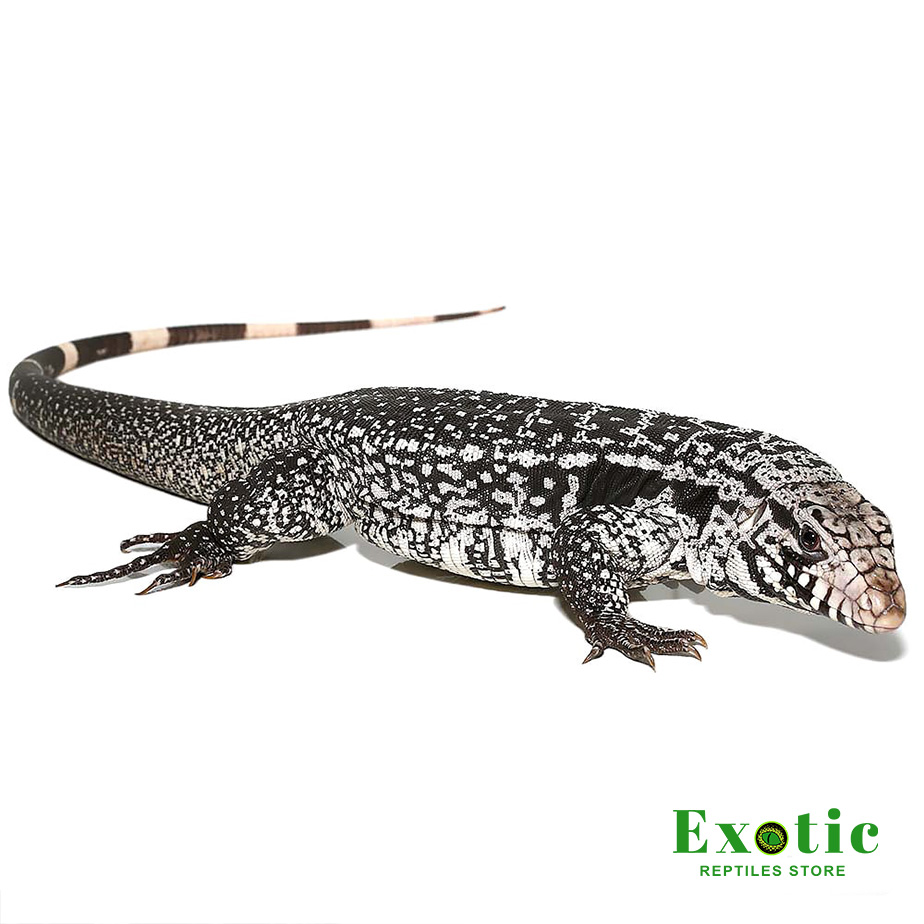
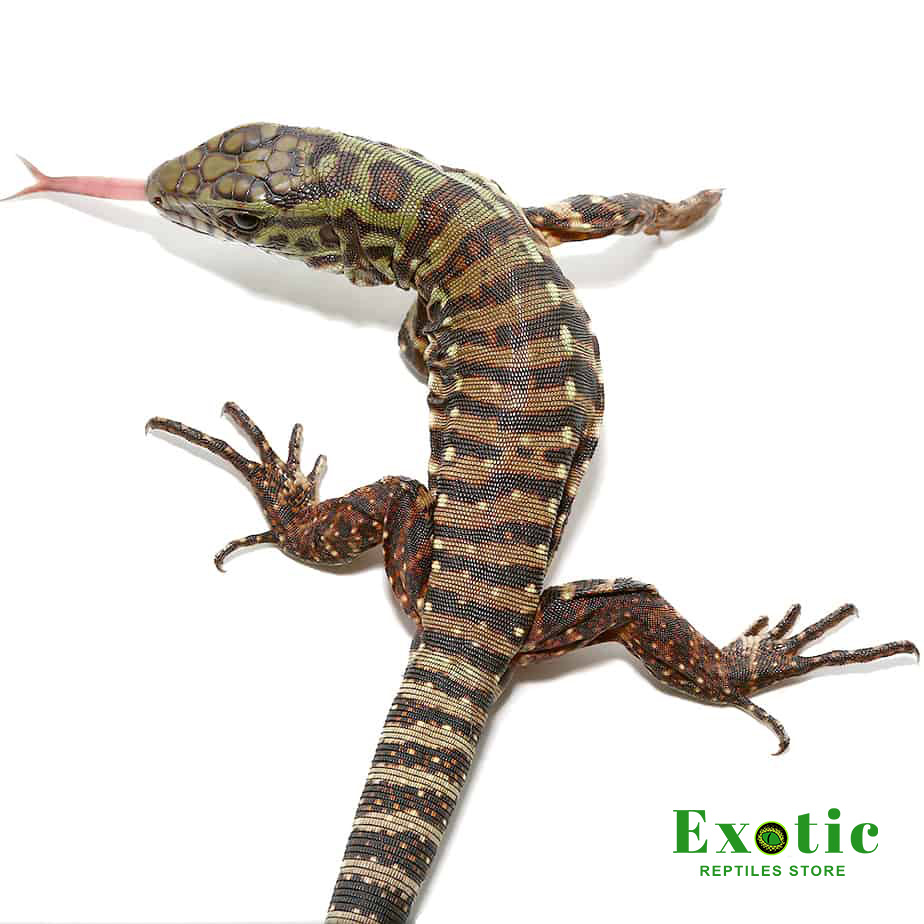
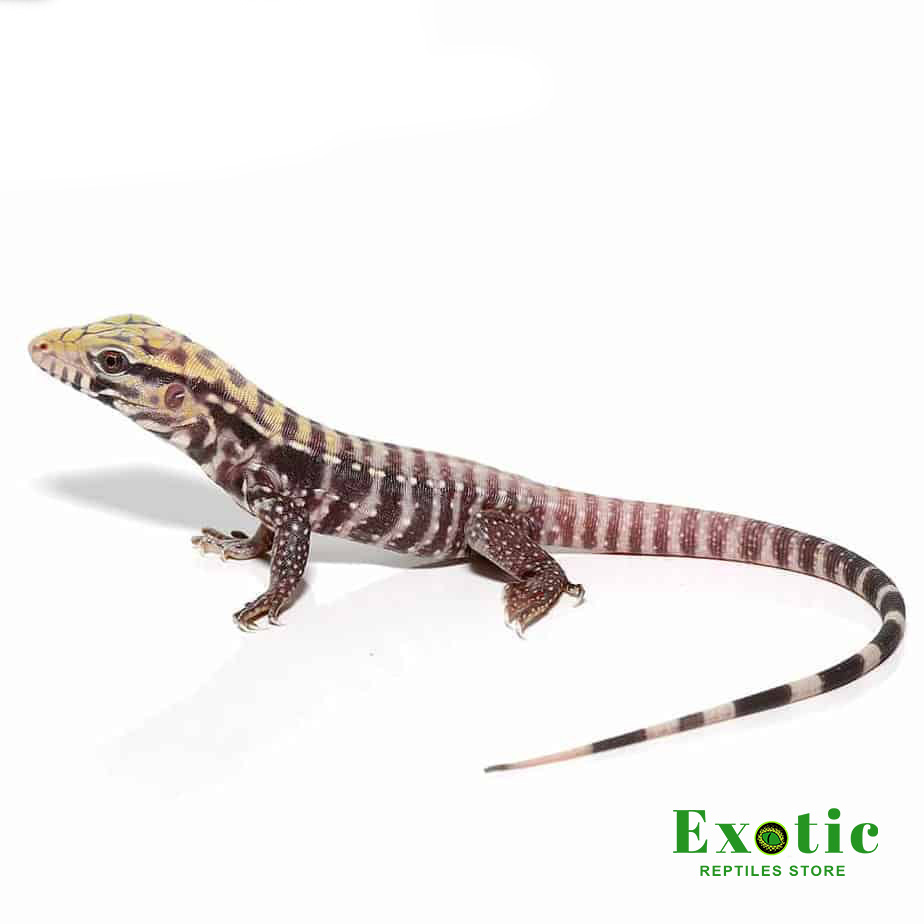
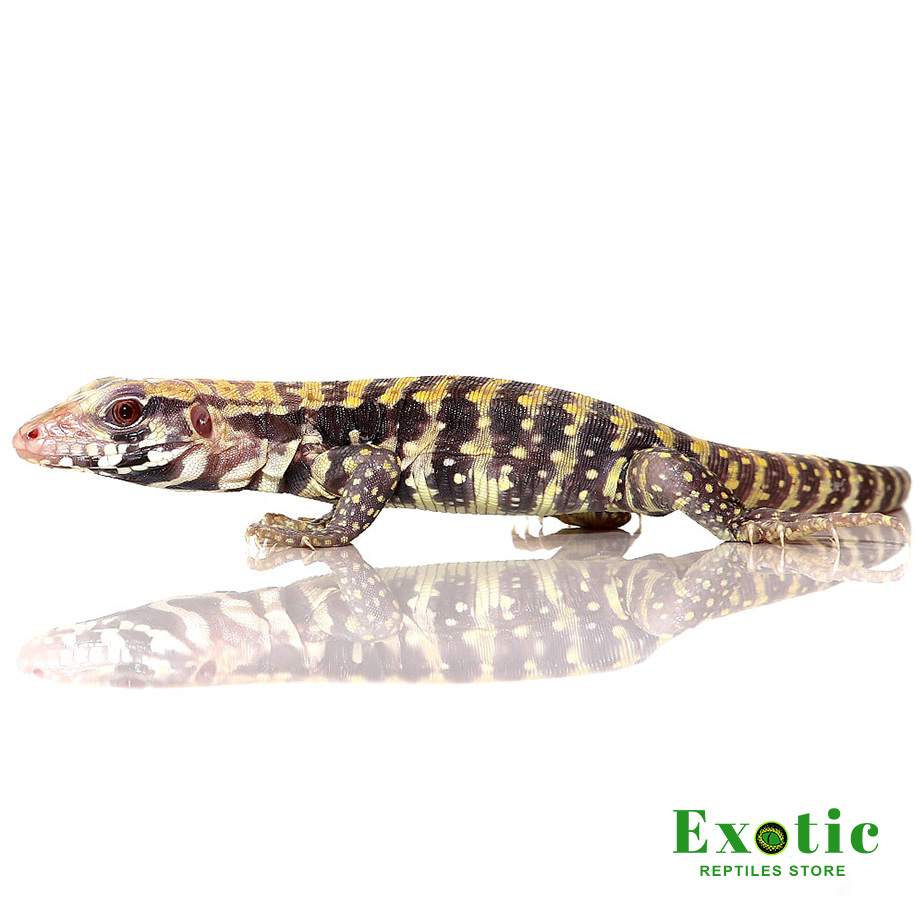
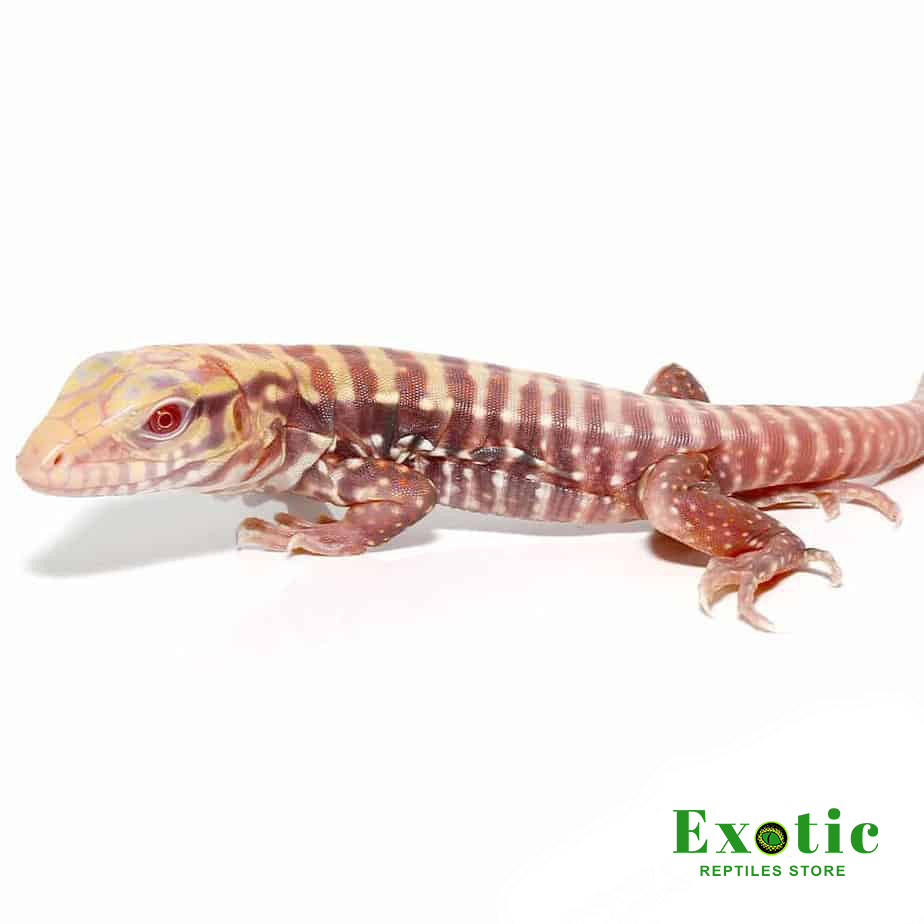
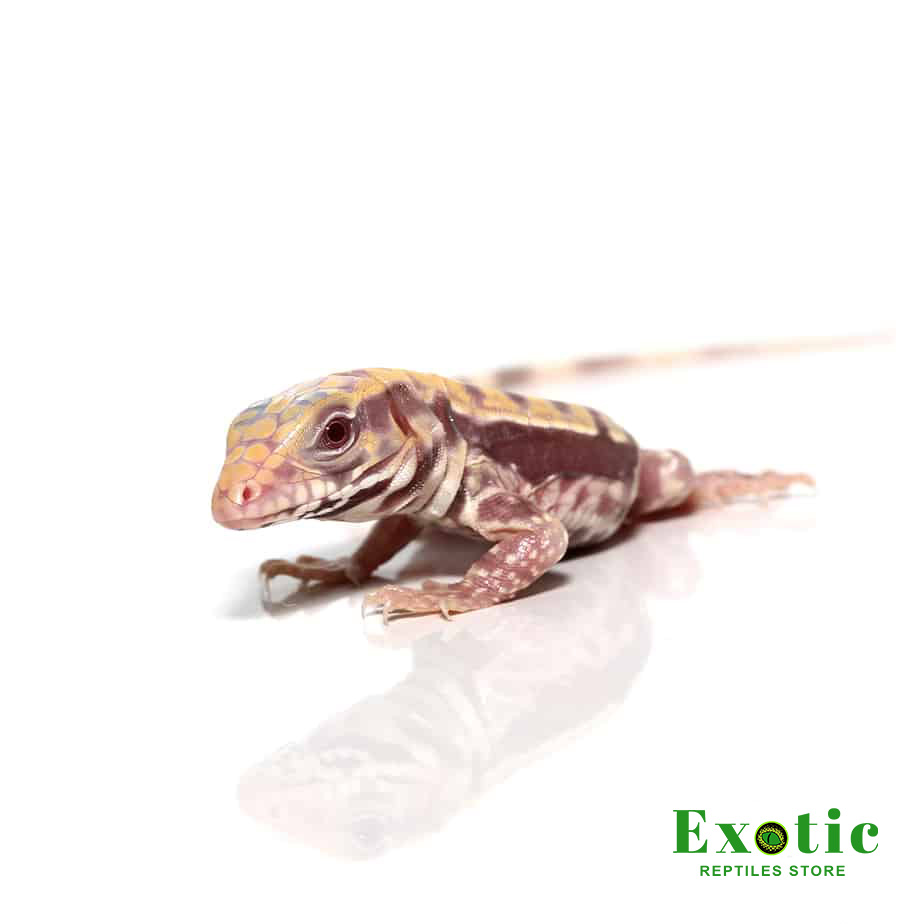
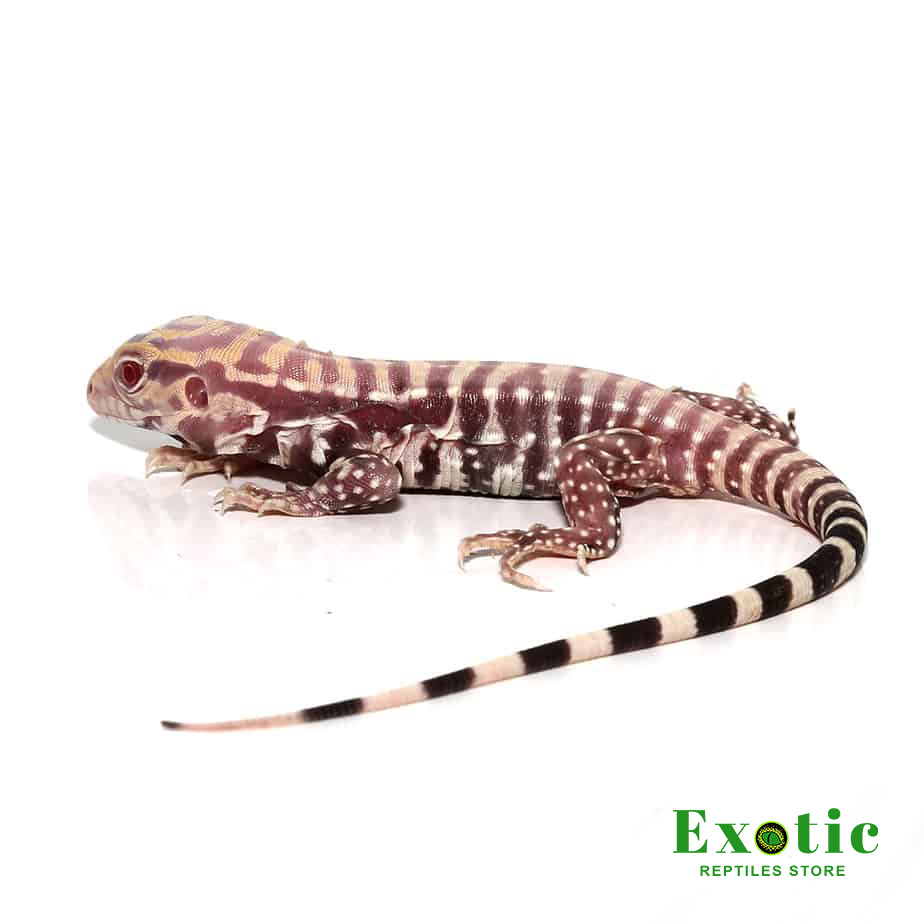
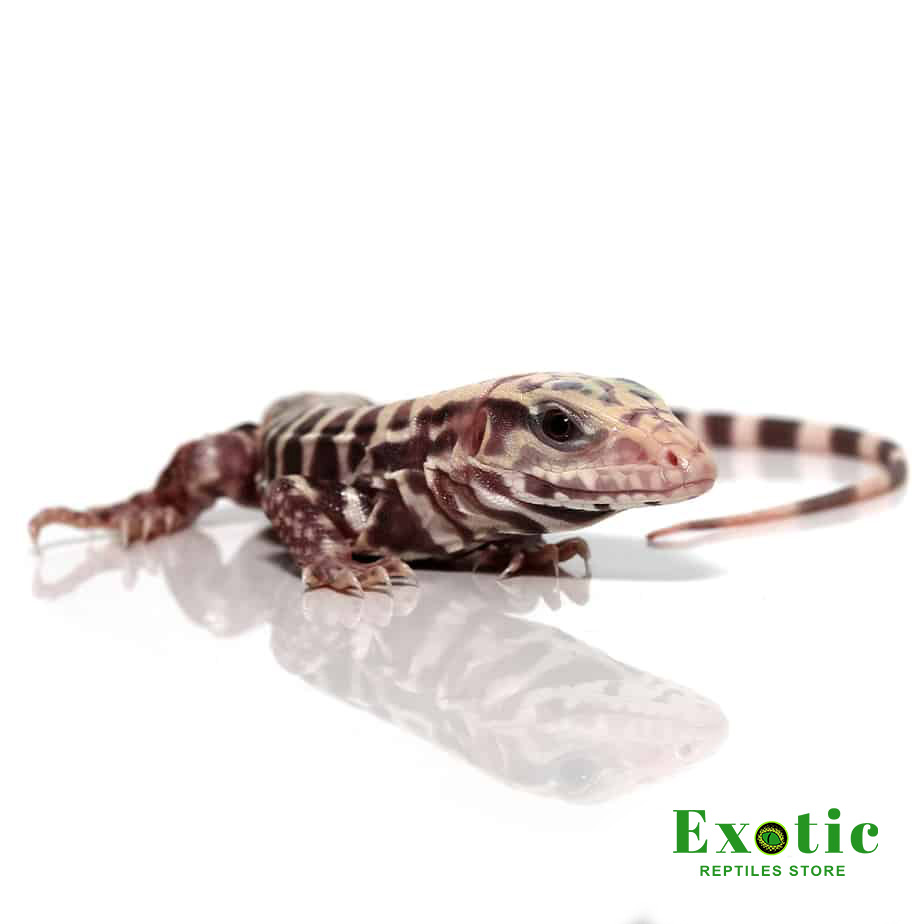
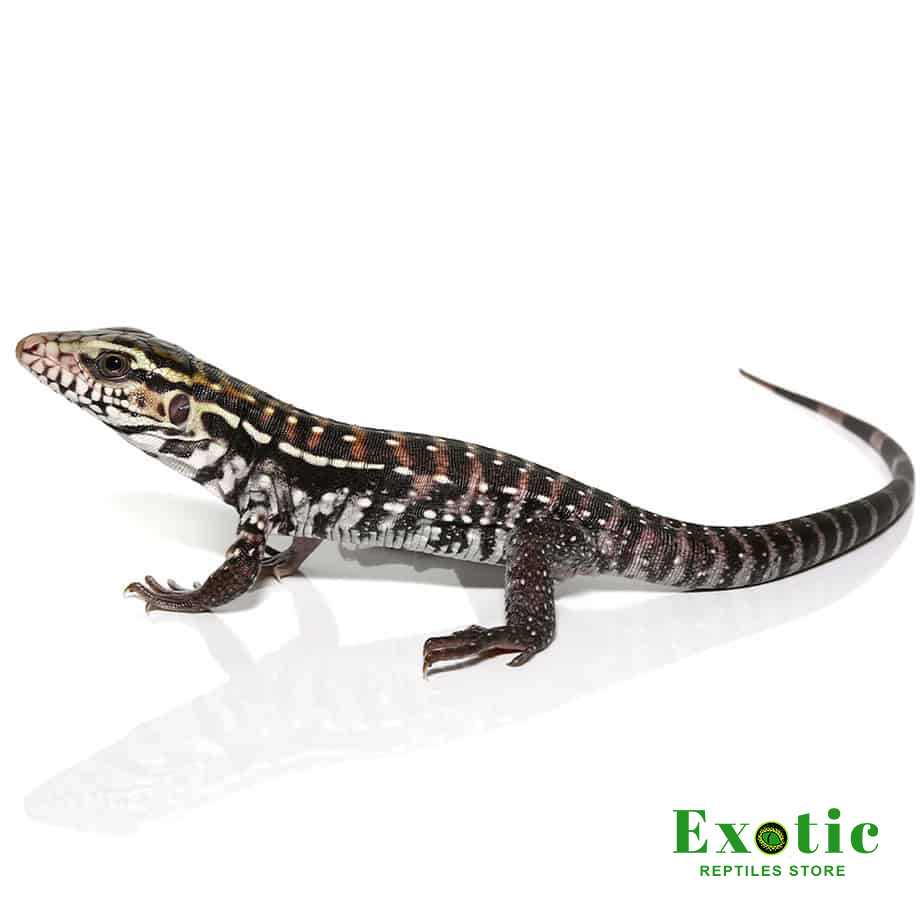
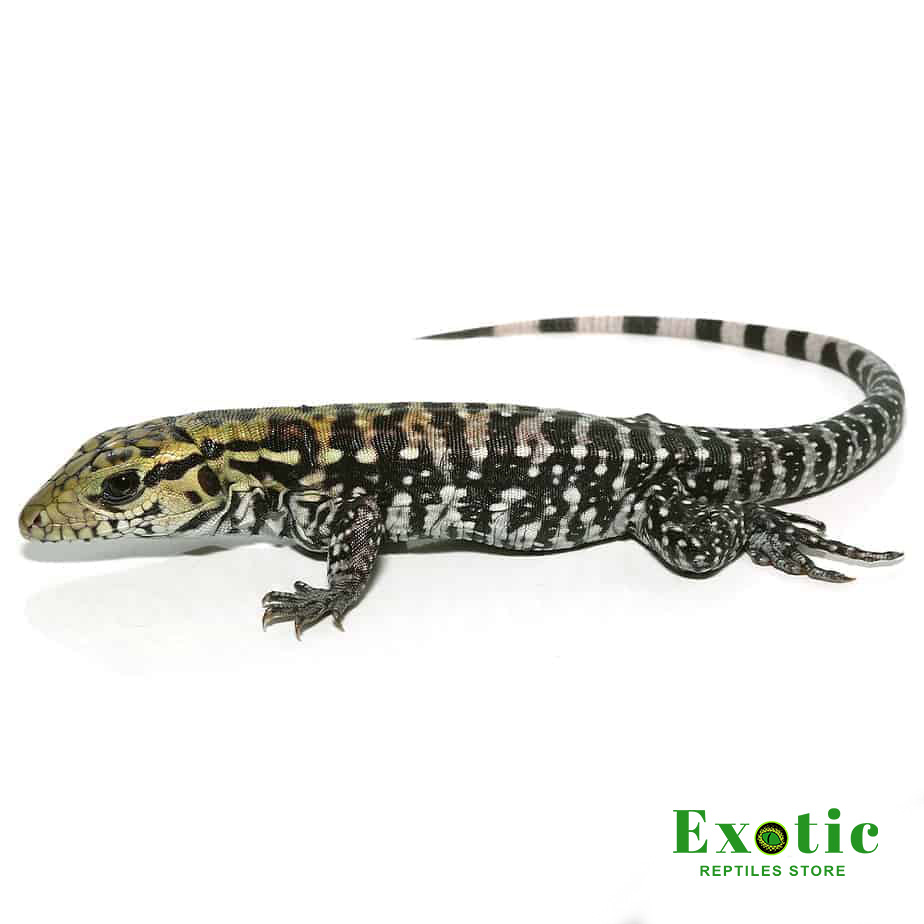
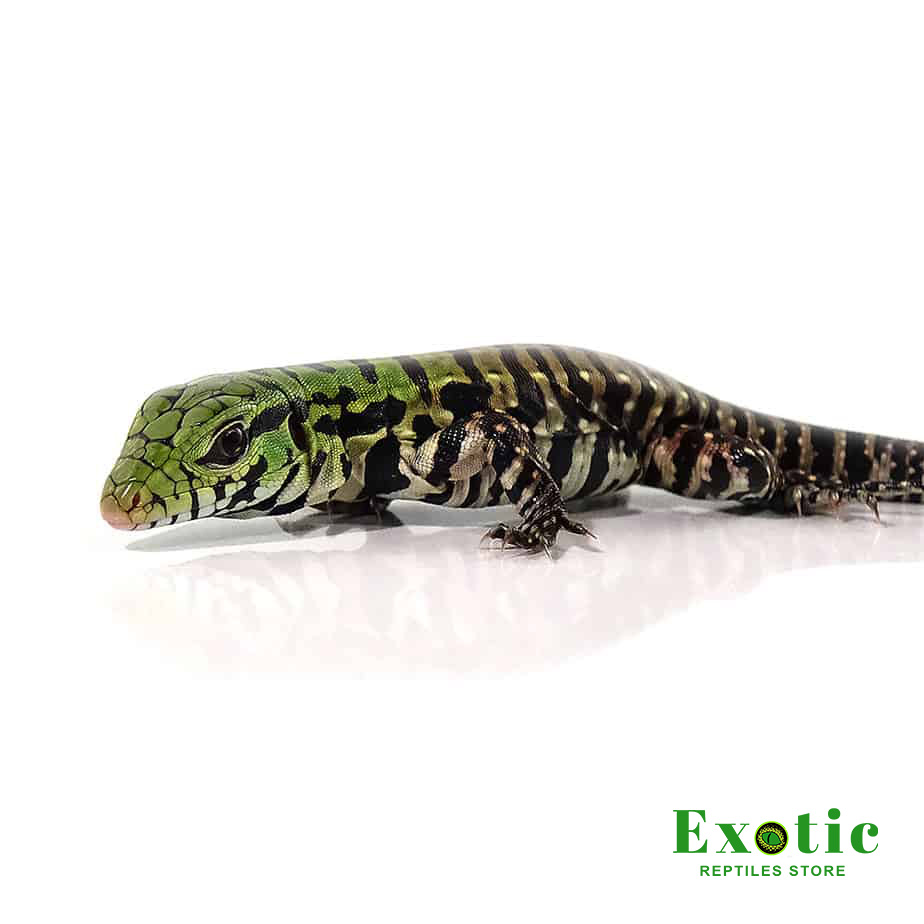
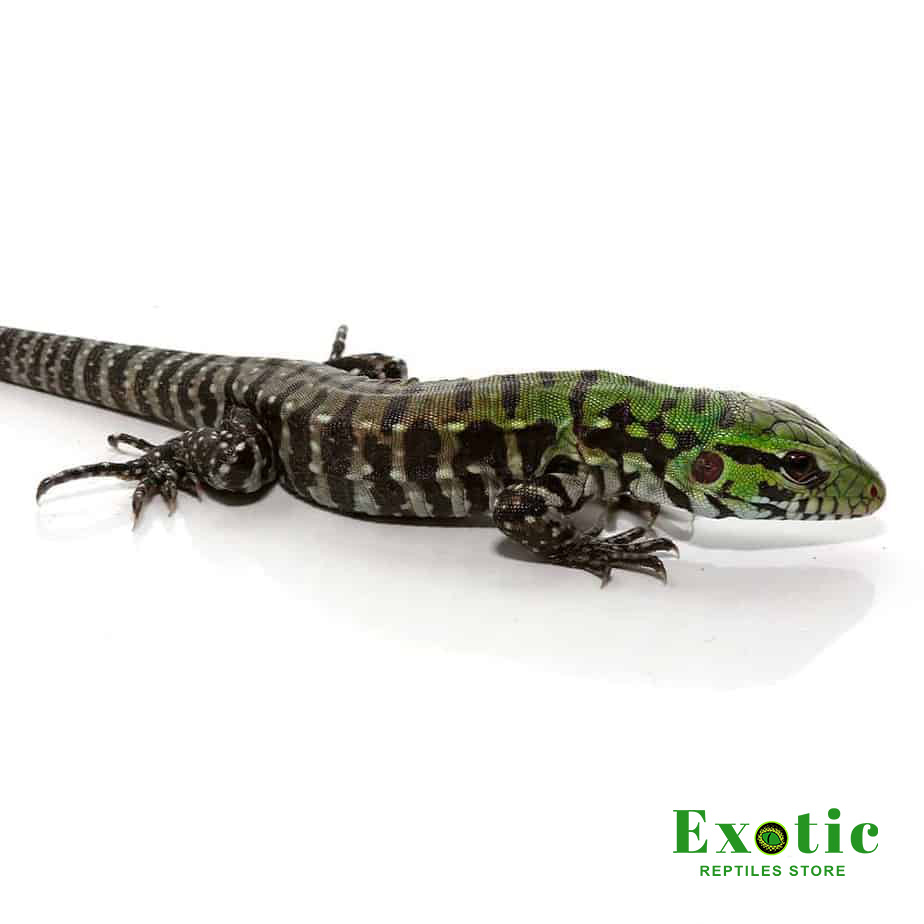
Tegus for Sale at Exotics & Aquatics
Explore tegus for sale at Exotics & Aquatics and learn more about these large, intelligent lizards and the preparation required for responsible ownership. Tegus are known for their substantial adult size, strong bodies, active behavior and complex care requirements. They can be fascinating animals for experienced reptile keepers, but they need much more than a basic enclosure. Suitable housing, secure containment, appropriate heating and UVB lighting, a balanced diet and ongoing enrichment are all important considerations.
Before choosing a tegu, consider its confirmed species, expected adult size, individual behavior, dietary needs and long-term care costs. A juvenile may appear manageable in a relatively small space, but its future housing and handling requirements should guide your decision from the beginning.
Review each individual product page for current availability and the details explicitly provided. Do not assume an animal’s age, sex, health status, captive-bred status, locality or feeding history unless the listing confirms that information.
How to Choose the Right Tegu
“Tegu” refers to several related lizard species, including different members of the genus Salvator and other tegu groups. Their adult size, coloration, behavior and husbandry requirements can differ. Confirm the exact species and scientific name whenever possible before planning its habitat or diet.
When comparing tegus for sale, consider the following factors:
-
Adult size and strength: Tegus can become large, powerful lizards. Plan for their adult dimensions and strength rather than selecting housing based on juvenile size.
-
Behavior and interaction: Individual temperaments vary. A tegu’s response to handling depends on its history, environment and individual behavior, and should never be assumed from appearance alone.
-
Space and enrichment: These active lizards need room to move, explore, dig where appropriate and interact with a suitably furnished environment.
-
Heating and UVB: Appropriate temperature gradients, basking conditions and UVB exposure are essential parts of responsible husbandry.
-
Diet and food costs: Tegus generally have varied omnivorous diets, but nutritional needs depend on species and life stage.
-
Long-term commitment: Consider the years of care, equipment costs, veterinary expenses and daily attention the animal may require.
-
Legal requirements: Check applicable possession, sale, transport and wildlife rules before ordering. Some species may be subject to additional restrictions.
A tegu is not an ideal impulse purchase. Prospective owners should have a realistic plan for adult housing, routine care, safe interaction and veterinary support before bringing one home.
Tegu Habitat and Enclosure Requirements
Tegus require secure, spacious enclosures that support normal movement, appropriate environmental conditions and species-specific behaviors. Because these lizards can grow large and may be strong enough to exploit weak doors or barriers, enclosure construction is particularly important.
Prepare the habitat before arrival and run its equipment long enough to confirm stable conditions.
Enclosure Size, Digging and Security
Plan the enclosure around the expected adult size of the confirmed species. Tegus are active terrestrial lizards, so usable floor area is particularly important. The habitat should allow the animal to move freely, explore, rest and access different environmental zones.
Depending on the species and setup, suitable substrate may allow natural digging behavior. Ensure the substrate is appropriate for the animal and can be maintained hygienically. Avoid materials or structures that create a risk of ingestion, entrapment or injury.
The enclosure should include:
-
Secure doors and reliable locking mechanisms.
-
Enough floor space for normal movement and activity.
-
Suitable hides and sheltered resting areas.
-
Stable furnishings that cannot collapse or tip over.
-
Appropriate substrate and digging opportunities where required.
-
Safe access to water and feeding areas.
-
Secure heating and lighting equipment.
-
Convenient access for cleaning and routine maintenance.
Check hinges, latches, ventilation openings and other potential escape points regularly. An enclosure that works for a small juvenile may not remain suitable as the animal becomes stronger and larger.
Temperature and Basking Conditions
Tegus need a carefully managed thermal environment. The appropriate basking temperature, cooler-zone temperature and daily schedule depend on the exact species and its husbandry requirements.
Create a suitable thermal gradient so the animal can move between warmer and cooler areas. Use reliable thermometers and measure conditions where the tegu actually rests and basks rather than relying on a single reading from elsewhere in the enclosure.
Heating equipment must be installed safely and controlled appropriately. Prevent direct contact with unsafe hot surfaces and ensure that bulbs, fixtures and other equipment cannot be knocked loose.
Before the animal arrives, test the enclosure at different times of day to confirm that temperatures remain within the recommended range. Follow current, species-specific husbandry guidance rather than copying settings intended for a different lizard.
UVB Lighting and Humidity
Appropriate UVB lighting is an important consideration for tegus because it supports normal calcium metabolism and healthy bone development. Requirements depend on the species, lighting equipment, distance, exposure schedule and enclosure design.
Choose suitable equipment and follow manufacturer guidance for positioning and maintenance. Do not assume that ordinary visible light or sunlight through glass provides the same UVB exposure as a properly designed setup.
Humidity requirements also vary. Research the needs of the confirmed species and maintain suitable humidity alongside adequate ventilation. A habitat that is consistently too dry or too damp may contribute to health problems.
Monitor temperature and humidity with reliable equipment, and check conditions in the animal’s usable zones. Keep the enclosure away from smoke, aerosols, strong fumes and household cleaning chemicals.
Hides, Water and Environmental Enrichment
Tegus benefit from an enclosure that offers appropriate shelter and opportunities for exploration. Provide hides that fit the animal safely and furnishings that remain stable during normal activity.
A sturdy water container should be accessible and cleaned regularly. Its size and placement should suit the animal and enclosure without creating a drowning or tipping hazard.
Environmental enrichment can include suitable structures, digging areas, opportunities to investigate safe objects and varied feeding activities where appropriate. Enrichment should encourage natural behavior without introducing loose objects that can be swallowed or equipment that can cause injury.
Observe how the animal uses its enclosure and adjust the layout when necessary. The goal is a secure habitat that supports normal activity while allowing you to clean, monitor and maintain it safely.
Feeding and Nutrition for Tegus
Tegus are generally omnivorous, but their nutritional requirements change with species, age, growth and individual condition. A suitable feeding plan should provide an appropriate variety of foods rather than relying on a single ingredient or an unverified online recipe.
Research the confirmed species’ dietary requirements and consult a qualified reptile professional or veterinarian when establishing a feeding plan.
Building a Balanced Diet
Depending on the species and life stage, a tegu’s diet may include suitable animal-based foods and plant material. The appropriate proportions and feeding frequency should follow current species-specific guidance.
Keep these principles in mind:
-
Use food types appropriate for the confirmed species and life stage.
-
Provide dietary variety where recommended.
-
Select portions appropriate for the animal’s size and condition.
-
Avoid excessive feeding and monitor body condition.
-
Store food safely and maintain clean feeding equipment.
-
Remove uneaten food promptly.
-
Record appetite and notable changes in weight or condition.
-
Research calcium and vitamin supplementation before use.
Avoid assuming that every tegu species should receive the same feeding schedule. Nutrition advice for a growing juvenile may differ from recommendations for a mature animal.
Supplementation may be necessary in some circumstances, but the correct product and frequency depend on the animal’s diet, UVB exposure, age and health. Avoid guessing at doses or copying a routine designed for another reptile.
Persistent appetite changes, unexplained weight loss, excessive weight gain or other concerning changes should be discussed with a qualified exotic-animal veterinarian.
Tegu Temperament, Handling and Enrichment
Tegus are intelligent lizards that may learn routines and become accustomed to their surroundings. However, individual behavior varies, and no tegu should be assumed to be tame, predictable or comfortable with handling simply because it appears calm.
Safe interaction begins with an appropriate enclosure, an understanding of the animal’s behavior and a willingness to avoid unnecessary stress.
Responsible Handling Practices
Allow a newly acquired tegu time to settle into its prepared habitat. Avoid repeated attempts to handle it during the initial adjustment period. Observe its behavior and establish a consistent routine before introducing necessary handling.
When handling is appropriate, use calm, deliberate movements and support the animal’s body. Remember that a large tegu can scratch, bite or use its tail defensively. Do not corner, chase or restrain the animal unnecessarily.
Consider the following precautions:
-
Learn to recognize defensive behavior and signs of stress.
-
Keep handling sessions appropriate to the animal and situation.
-
Use experienced assistance when size or behavior makes it necessary.
-
Supervise interactions carefully and keep inexperienced handlers at a safe distance.
-
Never rely on a history of calm behavior as a guarantee of future predictability.
-
Wash your hands after handling the lizard or its enclosure.
Children and visitors should not handle a large tegu without competent, close supervision. Safe handling is a skill that develops through experience, observation and appropriate guidance.
Daily Care and Veterinary Support
Tegus need regular monitoring and a consistent husbandry routine. Daily care should include checking environmental readings, water, food, enclosure security and the animal’s general behavior.
A useful routine includes:
-
Checking basking and cooler-zone temperatures.
-
Monitoring humidity where relevant.
-
Confirming that heating and lighting equipment work properly.
-
Providing appropriate food and clean water.
-
Removing waste and uneaten food.
-
Inspecting the enclosure for damage or escape risks.
-
Observing movement, appetite and body condition.
-
Checking for changes in skin, eyes, breathing or general appearance.
-
Keeping brief records of feeding and notable observations.
Identify an exotic-animal veterinarian with relevant lizard experience before bringing a tegu home. Veterinary care should be part of the ownership budget, not an afterthought.
Injuries, unusual breathing, persistent appetite changes, abnormal discharge, marked lethargy or other worrying signs should be assessed by a qualified veterinarian. Online resources cannot diagnose an illness or replace a professional examination.
What to Check Before Buying Tegus Online
Buying a live reptile online requires careful review of the listing, delivery arrangements and the preparation needed before arrival.
-
Read the full listing. Confirm the stated identity and review the animal-specific details provided.
-
Ask about missing information. Do not infer age, sex, origin, health status or feeding history from photographs.
-
Research adult requirements. Plan for the animal’s expected size, strength, diet, heating, UVB and enrichment needs.
-
Prepare secure housing. Test the enclosure, locks, heating and lighting before the animal arrives.
-
Confirm current availability. Check the product listing and contact Exotics & Aquatics if clarification is needed.
-
Review shipping or collection arrangements. Confirm the available method, timing and preparation requirements.
-
Check local laws. Verify rules covering possession, sale, transport and any applicable permits or restrictions.
-
Arrange veterinary support. Identify a qualified exotic-animal veterinarian before purchase.
-
Review store policies. Read the current purchase and shipping policies and retain order-related communications.
-
Plan for long-term ownership. Make sure your space, budget and schedule can accommodate the animal as it grows.
Availability and individual animal details can change. Always rely on the current listing and direct confirmation from Exotics & Aquatics for order-specific information.
Related Reptile Categories
Explore related collections at Exotics & Aquatics to compare different lizard groups and their care requirements.
-
Lizards: Discover a broad range of lizards with varied habitat, diet and environmental needs.
-
Monitors: Learn about another group of large, active lizards with specialized space and husbandry requirements.
-
Iguanas: Compare another group of lizards with distinct dietary, enclosure and long-term care considerations.
Related categories can help you research alternatives, but care requirements should always be matched to the exact species rather than generalized across lizards.
Frequently Asked Questions About Tegus
Are tegus suitable for beginners?
Tegus are generally a better choice for keepers who have researched large lizards and can provide spacious, secure housing, appropriate heating and lighting, a balanced diet and safe handling. Beginners should seek experienced guidance and carefully assess their readiness before purchasing one.
How large do tegus get?
Adult size depends on the species and individual. Some tegus become substantial, powerful lizards that require extensive enclosure space. Research the confirmed species’ expected adult dimensions before deciding whether you can accommodate it.
What do tegus eat?
Tegus are generally omnivorous, but appropriate food types and proportions vary with species and life stage. A balanced plan may include suitable animal-based foods and plant material. Follow current species-specific guidance rather than relying on one food or a generic feeding schedule.
Do tegus need UVB lighting?
Appropriate UVB provision is an important part of many tegu husbandry setups. The correct equipment and exposure depend on the species and enclosure arrangement. Research the confirmed species’ needs and follow reliable guidance for lamp placement and maintenance.
Are tegus easy to handle?
Individual behavior varies. Some may become accustomed to routine interaction, but tegus remain strong animals that can scratch or bite. Handling should be calm, appropriate to the animal’s behavior and carried out with suitable experience and precautions.
Are all tegus listed on the website available?
Availability can change. Review the current product listing and contact Exotics & Aquatics if you need confirmation before ordering.
Should I prepare the enclosure before the tegu arrives?
Yes. Prepare and test the habitat in advance, including heating, UVB lighting, environmental monitoring, secure locks, hides, water and suitable furnishings. This helps ensure that the animal arrives to a ready and stable environment.
Do I need to check local laws before purchasing a tegu?
Yes. Regulations may vary by species and location, including restrictions on ownership, sale or transport. Confirm the rules that apply to your circumstances before completing a purchase.
Where can I get tegu care advice?
Use reliable, current husbandry resources for the confirmed species and consult a qualified exotic-animal veterinarian for health concerns. Advice for one tegu species or life stage may not be appropriate for another.
Contact Exotics & Aquatics
Exotics & Aquatics encourages careful research and informed animal ownership. Review each tegu listing, confirm the details that matter to your decision and prepare a secure, species-appropriate habitat before purchasing. Responsible ownership includes planning for adult size, enrichment, veterinary care and the animal’s long-term needs.
Exotics & Aquatics
-
Website: https://www.exoticsandaquatics.com/
-
Address: 6447 Williamson Rd, Roanoke, VA 24019
-
Email: sales@exoticsandaquatics.com
Care information is general and should be checked against current, species-specific guidance. Product availability and animal-specific details are determined by each live listing. Follow applicable wildlife and animal-ownership laws, and seek qualified veterinary advice for health concerns.