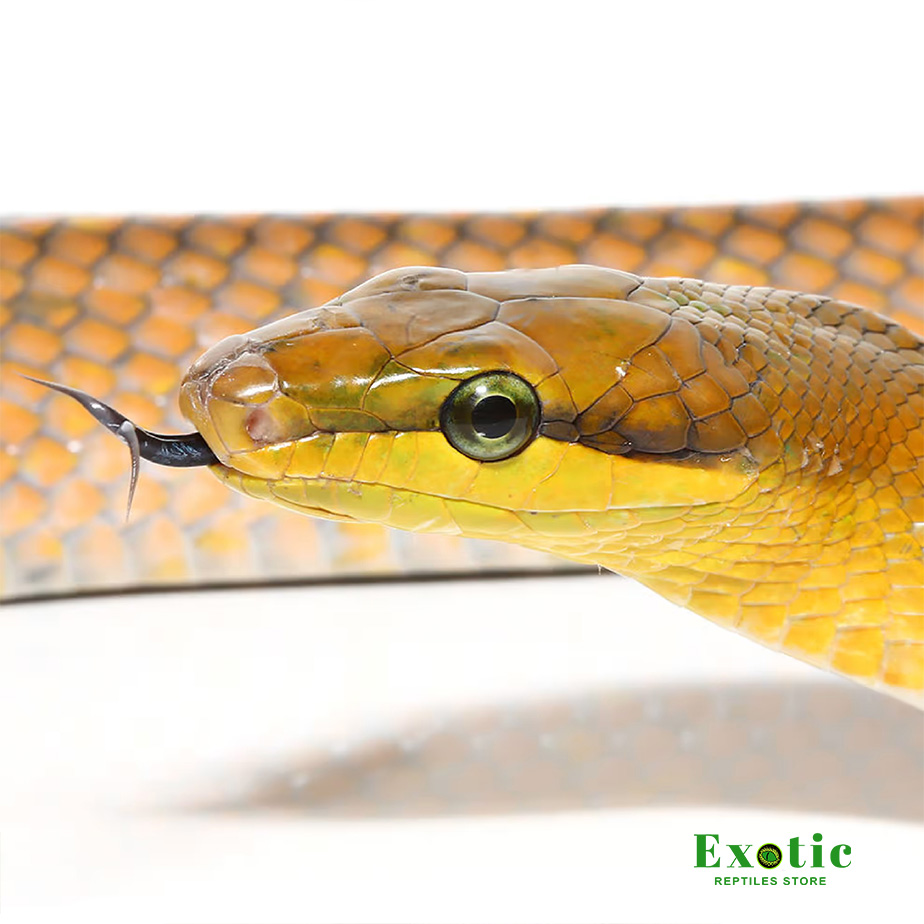
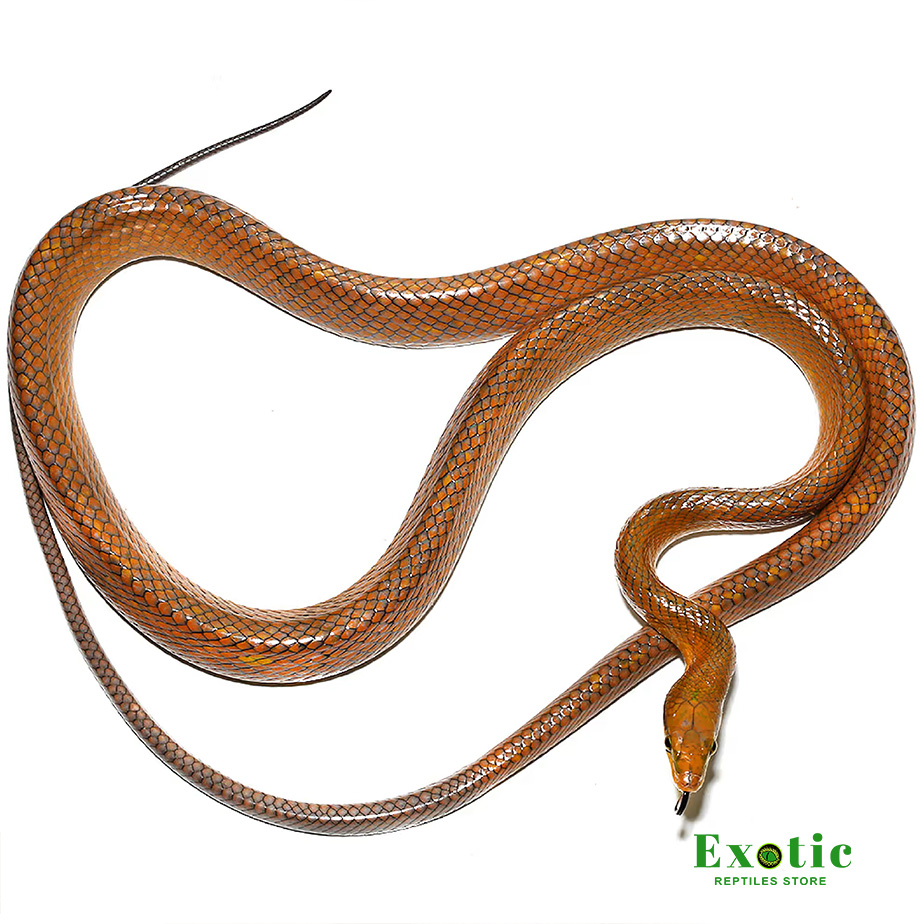
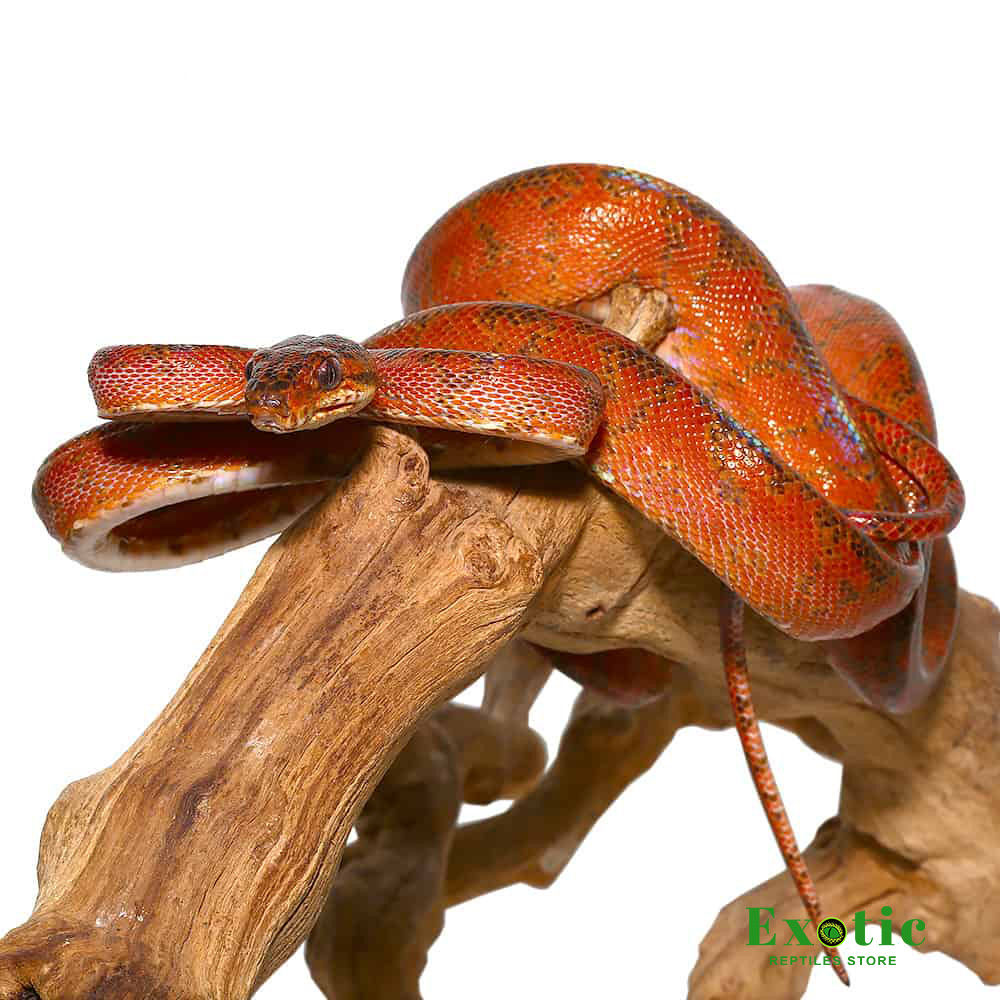
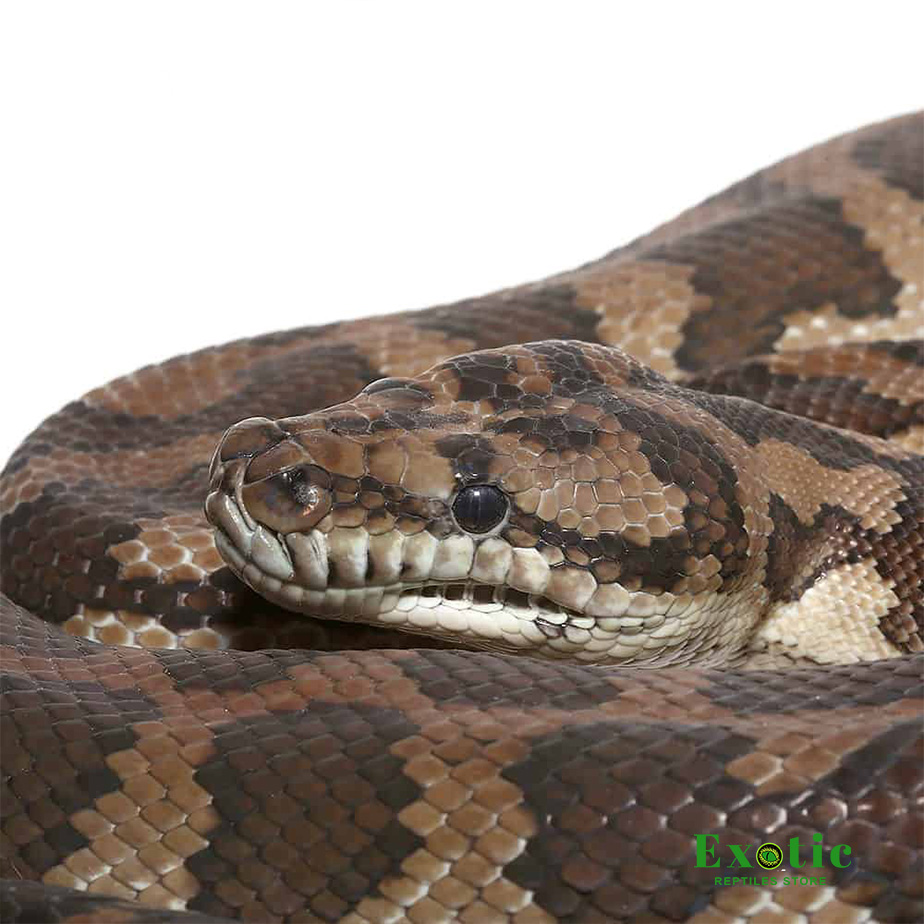
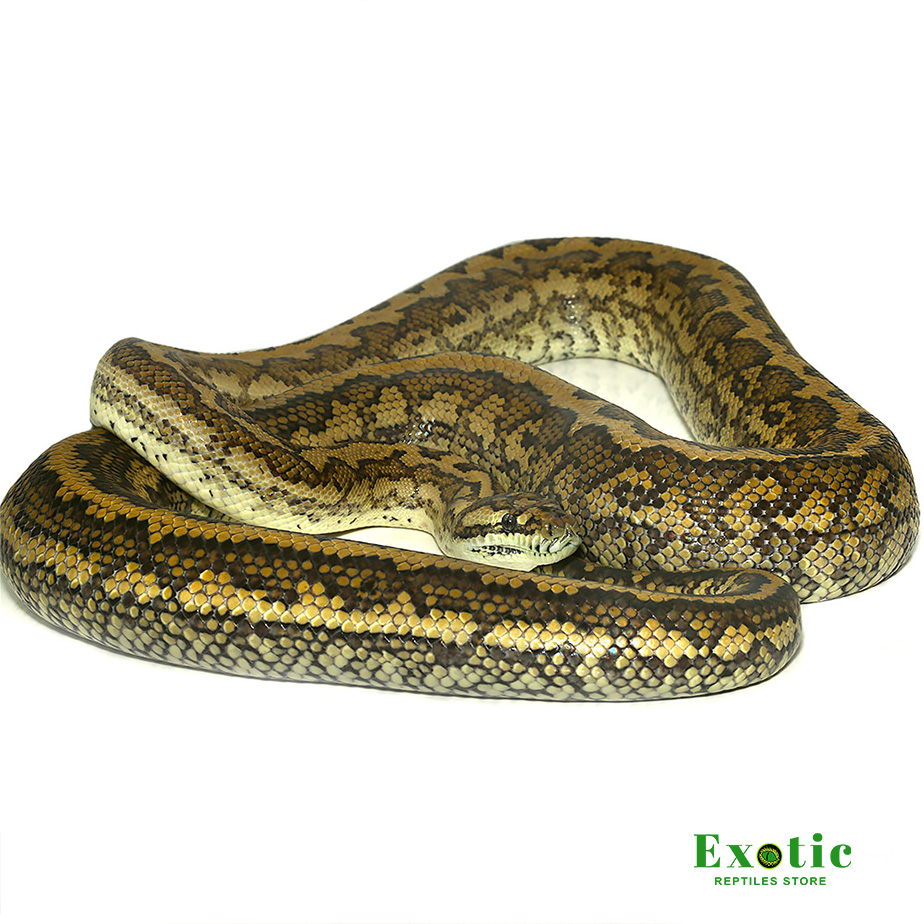
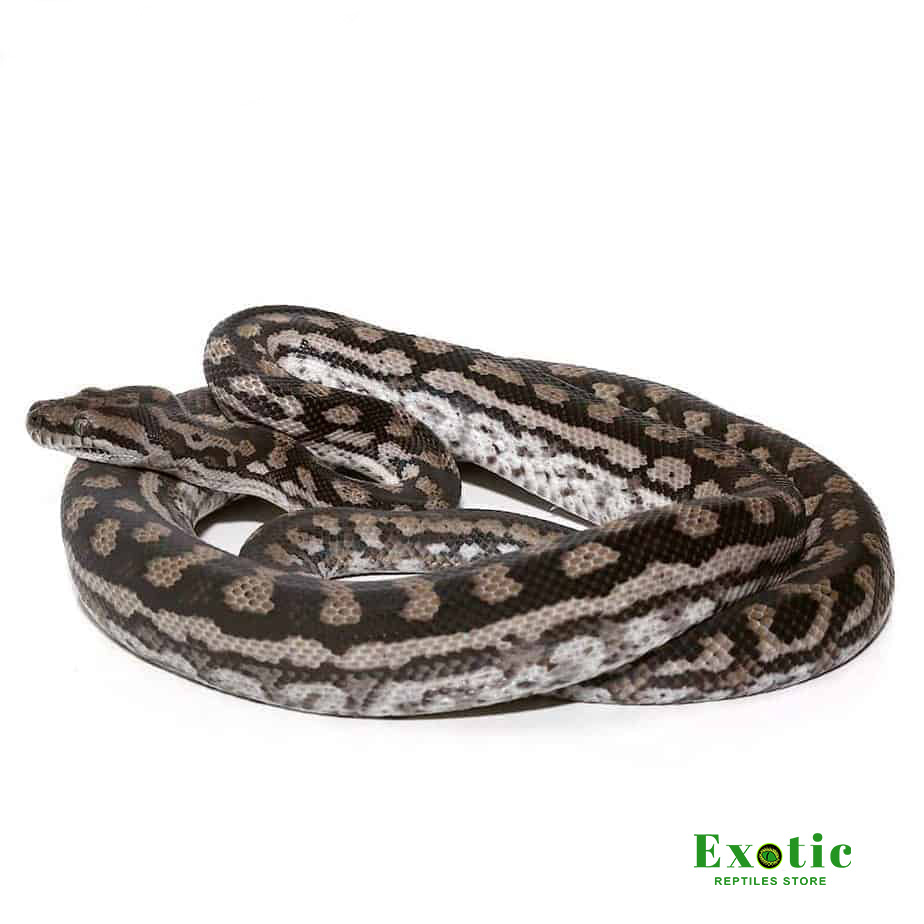
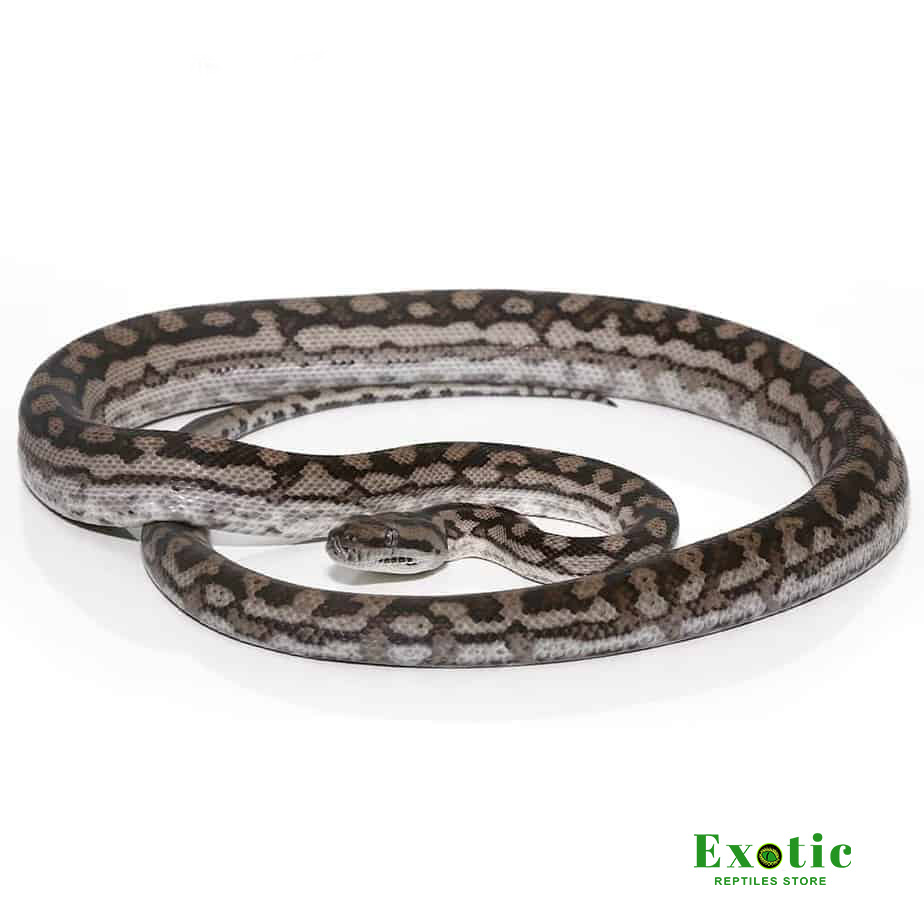
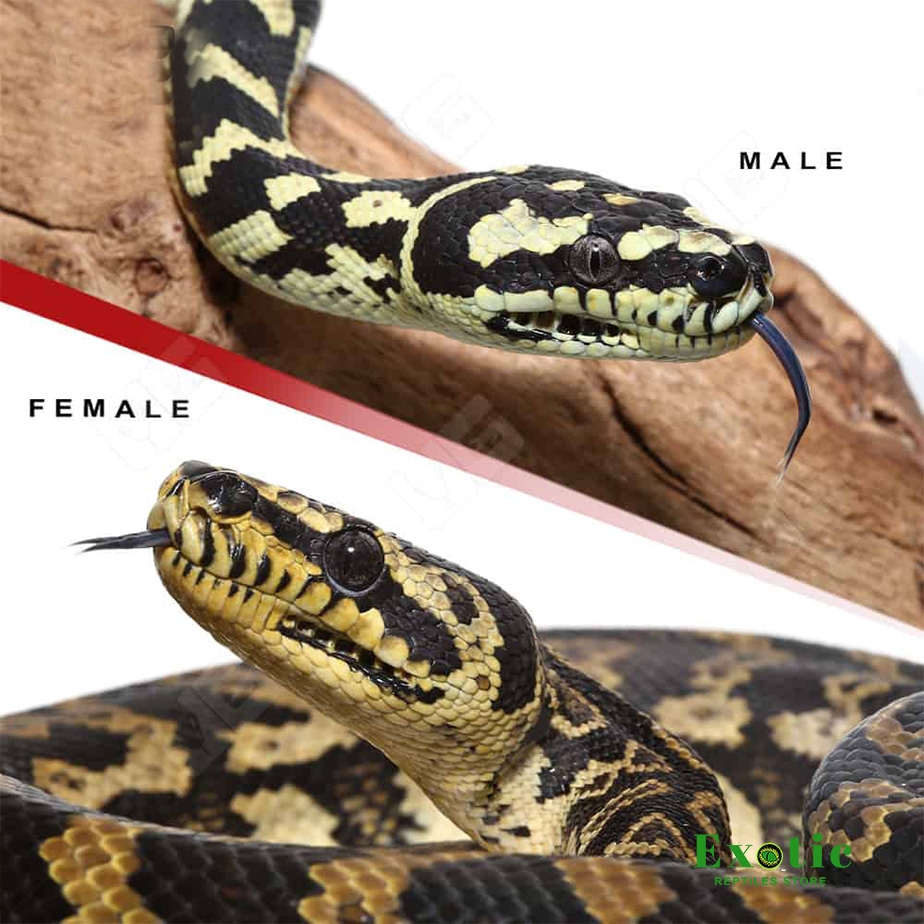
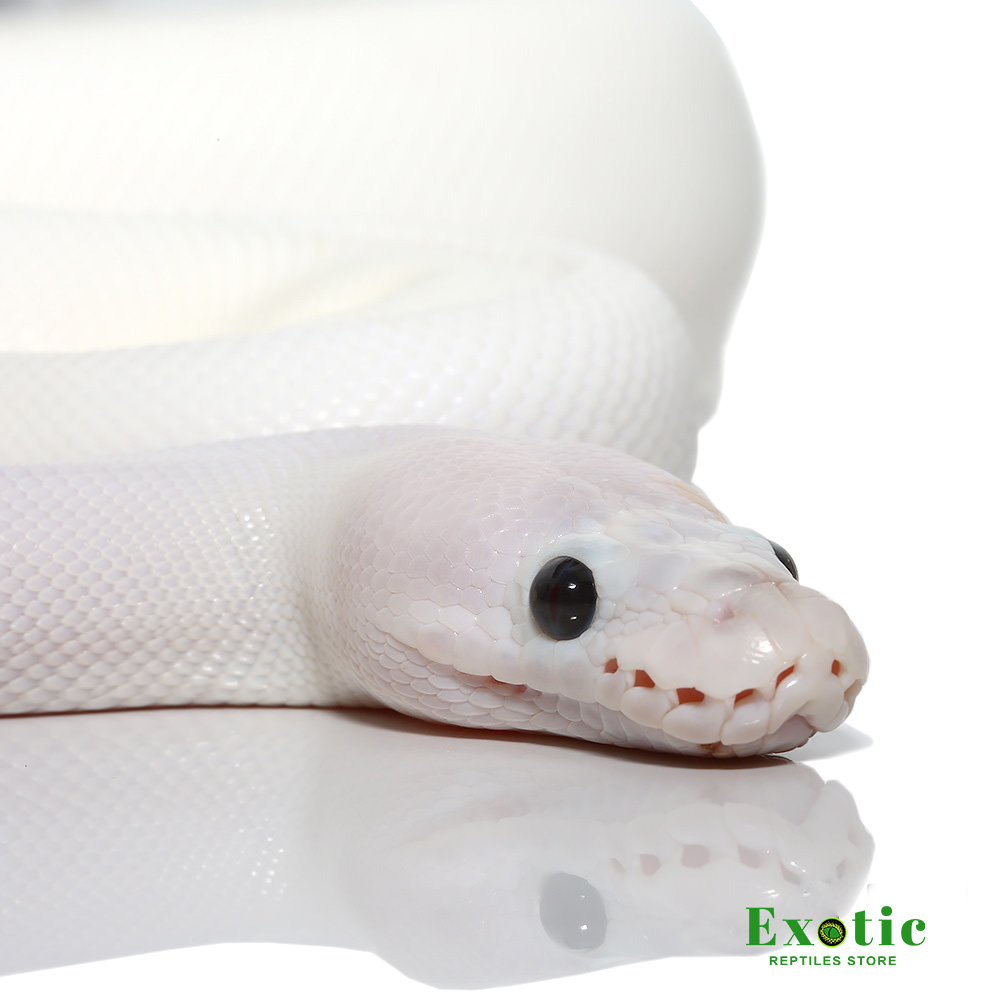
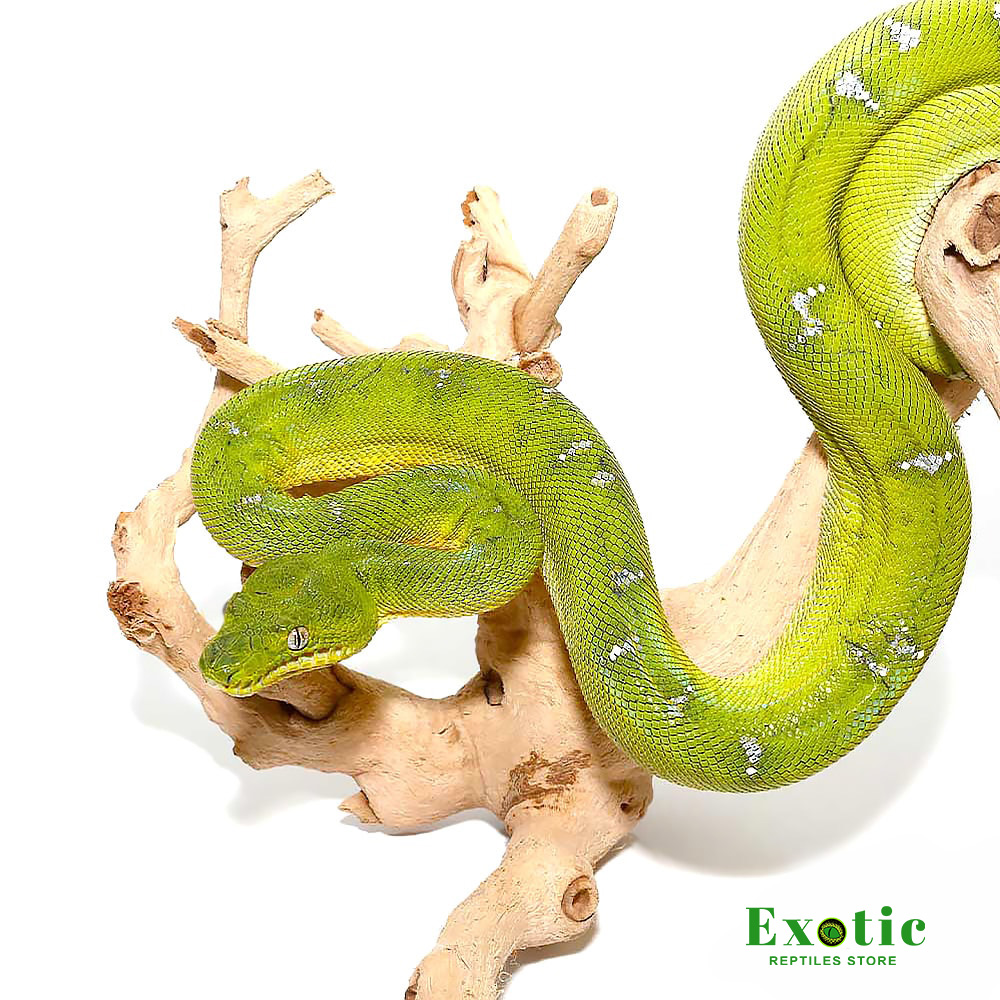
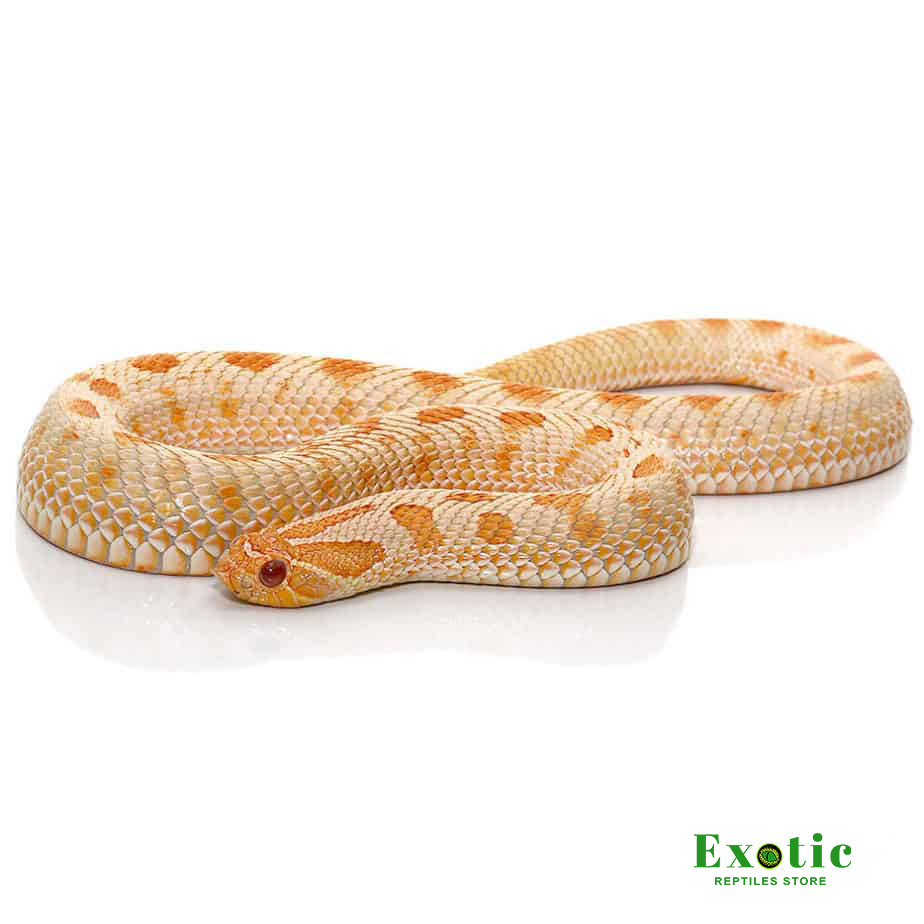
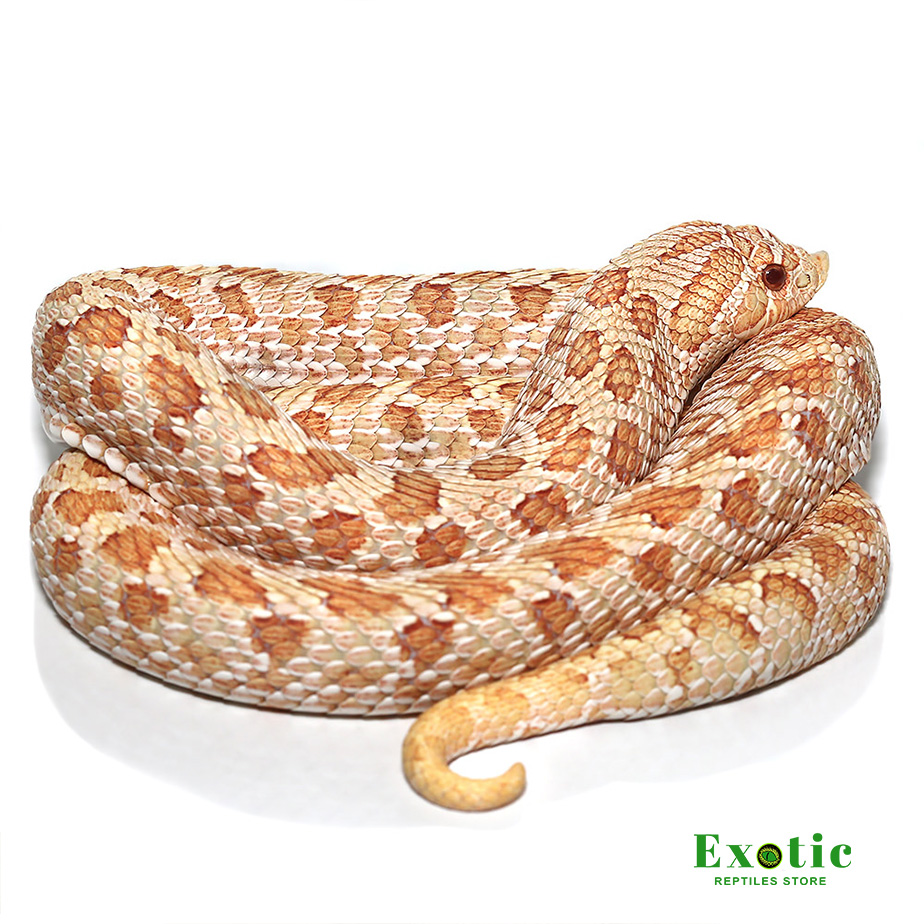
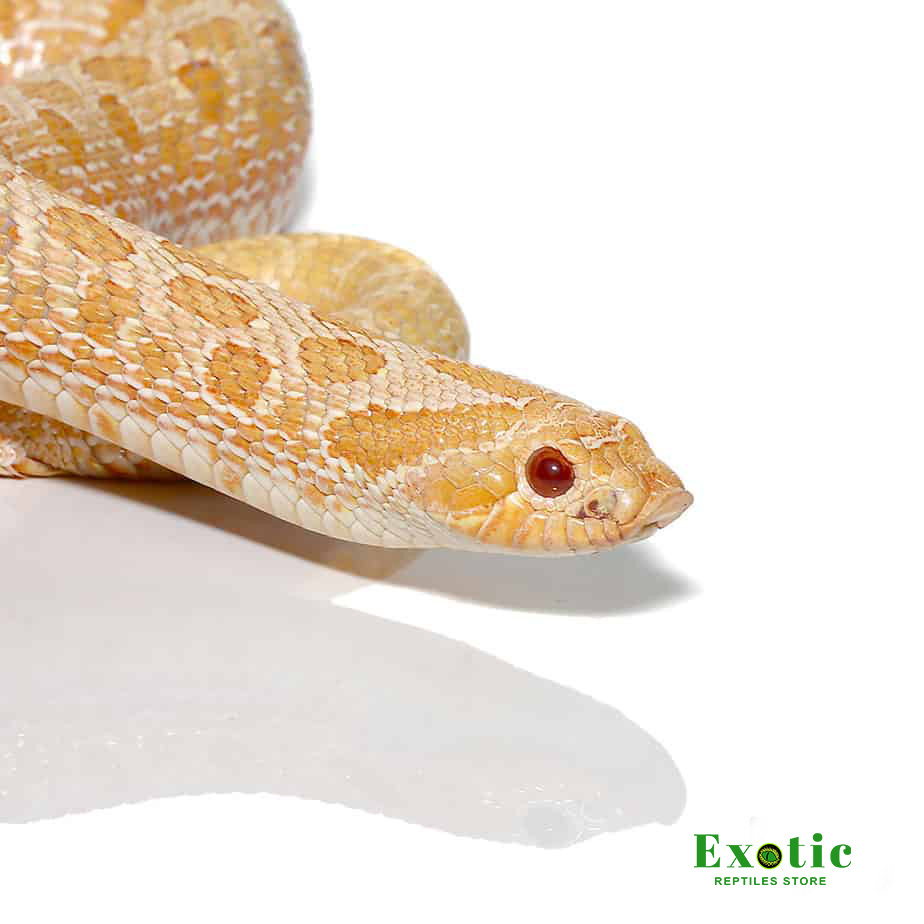
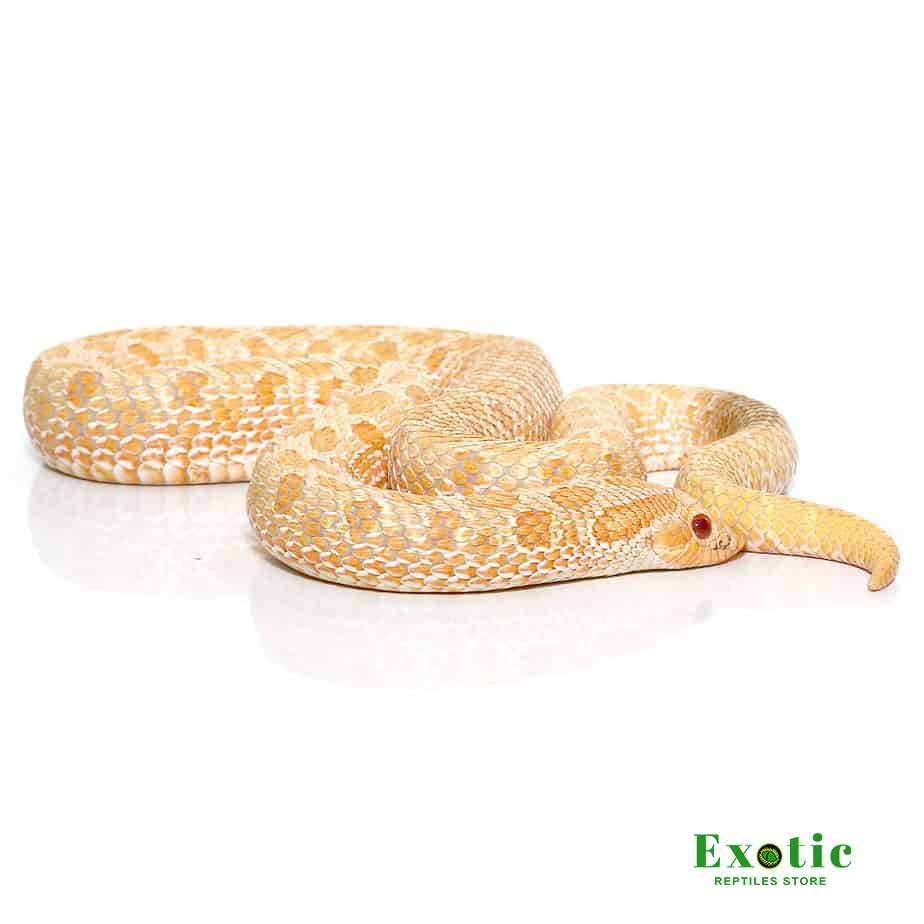
Snakes for Sale at Exotics & Aquatics
Explore snakes for sale at Exotics & Aquatics, where you can compare listings for a diverse group of reptiles with different appearances, behaviors, adult sizes, and care requirements. From commonly kept pet snakes to species that require more specialized experience, choosing the right animal starts with understanding its individual needs and preparing a suitable habitat before purchase.
Snakes vary considerably in their environmental requirements, feeding routines, handling tolerance, adult size, and expected lifespan. An attractive appearance alone does not determine whether a particular snake is suitable for your home or experience level. Research the exact species, review the information provided on its individual product page, and consider the time, space, equipment, and long-term expenses involved in responsible ownership.
Exotics & Aquatics encourages informed decisions based on accurate animal identification, appropriate husbandry, and realistic expectations. Product availability and animal-specific details should always be confirmed through the current listing rather than assumed.
Explore Snakes for Sale
The snake category includes animals with different physical characteristics and husbandry needs. Some species are commonly maintained by private keepers, while others require advanced knowledge, substantial enclosures, specialized environmental controls, or professional-level facilities.
When comparing listings, look beyond color patterns and size in photographs. Consider the animal’s confirmed identity, anticipated adult size, activity patterns, dietary requirements, environmental needs, and suitability for your experience.
Before choosing a snake, ask yourself:
-
Can I provide a secure enclosure that accommodates its adult size and natural behavior?
-
Can I maintain the required temperature, humidity, ventilation, and lighting conditions?
-
Am I comfortable providing its appropriate diet and following safe food-handling procedures?
-
Do I have access to a veterinarian experienced with reptiles and the particular species?
-
Have I checked the applicable possession, sale, and transportation regulations?
-
Can I provide consistent care throughout the animal’s expected lifespan?
These questions help you assess suitability before committing to an animal. A snake that appears manageable when young may require considerably more space, equipment, food, and experience as it matures.
How to Choose the Right Snake
Research the Exact Species
Start by confirming the snake’s common name and scientific name whenever available. Common names can sometimes refer to multiple species, and closely related snakes may have different habitat requirements, adult sizes, feeding needs, and behavior.
Use reliable, current, species-specific husbandry information rather than applying the same care routine to every snake. If a product listing does not provide a detail that matters to your decision, contact the seller for clarification before ordering.
Consider Adult Size and Space Requirements
A snake’s current size does not necessarily indicate how much space it will need throughout its life. Research its expected adult dimensions, activity level, climbing behavior, and enclosure requirements before purchasing.
Plan for the animal’s long-term needs rather than relying on a temporary setup that may quickly become unsuitable. The enclosure must provide enough room for normal movement, appropriate temperature zones, hiding places, and other species-specific furnishings.
Evaluate Temperament and Handling Expectations
Snake behavior varies by species and individual. Some snakes may tolerate limited, appropriate handling, while others are easily stressed or require more specialized management.
Do not assume that a snake will be docile because it is small, young, or photographed calmly. Learn safe handling practices for the identified species and avoid unnecessary handling during acclimation, feeding, shedding, or periods of stress.
Large, venomous, medically significant, or otherwise dangerous species may be unsuitable for ordinary household ownership and can be subject to strict legal controls. Do not purchase such an animal without verified legal authorization, suitable secure facilities, and the necessary specialist expertise.
Understand the Long-Term Commitment
Responsible snake ownership involves more than the initial purchase price. Include the cost of an appropriate enclosure, heating and monitoring equipment, substrate, hides, water containers, food, cleaning supplies, replacement equipment, and veterinary care.
Some snakes live for many years. Before purchasing, consider whether you can maintain the necessary conditions consistently through changes in housing, work schedules, finances, and other circumstances.
Habitat and Enclosure Planning
A safe, well-prepared habitat is essential for a snake’s health and welfare. The enclosure should be selected for the identified species, its expected adult size, its activity pattern, and its specific environmental requirements.
Choose a Secure, Appropriately Sized Enclosure
Snakes can escape through surprisingly small gaps or poorly secured access points. Choose an enclosure designed for the animal and check doors, lids, ventilation openings, cable openings, and other potential escape routes.
Use secure locks or fasteners where appropriate, particularly for strong, large, or otherwise hazardous species. Regularly inspect the enclosure for damaged fittings, gaps, and equipment failures.
The enclosure should also allow appropriate movement and natural behaviors. Consider whether the species primarily uses the ground, climbs, burrows, or needs a combination of these features.
Establish Suitable Temperature and Humidity
Temperature and humidity requirements differ between snake species. Some need a carefully controlled temperature gradient, while others require more specialized environmental arrangements.
Before introducing the animal:
-
Research the recommended temperature range for the exact species.
-
Establish suitable warmer and cooler areas where the species requires them.
-
Use reliable thermometers and, where appropriate, hygrometers to monitor conditions.
-
Select heating equipment that can be controlled safely and installed according to its instructions.
-
Check humidity levels and provide suitable ventilation.
-
Test the setup long enough to confirm that conditions remain stable.
Avoid guessing at environmental settings or copying a routine intended for another species. Excessive heat, inappropriate humidity, poor ventilation, and unsafe heating equipment can create serious welfare risks.
Provide Hides, Substrate, and Water
Appropriate hides allow a snake to retreat from view and feel secure. Depending on the species, the habitat may also require climbing branches, burrowing substrate, additional cover, or other suitable furnishings.
Choose substrate based on current species-specific recommendations, taking account of moisture needs, cleanliness, and the risk of accidental ingestion. Furnishings should be stable and free of sharp edges or other hazards.
Provide clean water in a suitable container and maintain it according to the animal’s needs. Keep the habitat away from smoke, aerosol sprays, strong fumes, and household cleaning chemicals.
Prepare and test the enclosure before the snake arrives. Having the habitat ready in advance reduces avoidable stress and makes it easier to identify environmental problems before they affect the animal.
Feeding and Nutrition
Feeding requirements depend on the snake’s species, size, age, health, and individual circumstances. Many commonly kept snakes eat appropriately sized prey animals, but prey type, feeding frequency, and feeding technique vary.
Research the Appropriate Diet
Confirm the correct diet for the exact species before purchase. Do not assume that every snake eats the same prey or follows the same feeding schedule.
When planning a feeding routine, consider:
-
Suitable prey type and size.
-
Species-appropriate feeding intervals.
-
Safe storage and preparation of food.
-
Hygienic handling of prey and feeding equipment.
-
Monitoring appetite, body condition, and changes in feeding behavior.
A feeding schedule appropriate for one snake may not be suitable for another. Avoid making substantial changes based solely on generalized online advice.
Maintain Safe Feeding Practices
Where frozen-thawed prey is appropriate, follow established guidance for safe storage and preparation. Do not use unsafe thawing methods or leave perishable food in conditions that encourage bacterial growth.
Use appropriate tools and hygiene practices when handling prey. Remove uneaten food when appropriate for the species and circumstances, and clean contaminated areas promptly.
Keep a record of feeding dates, food offered, acceptance, and notable changes. These records can help identify patterns and provide useful information if veterinary advice becomes necessary.
Monitor Appetite and Body Condition
A change in appetite can have several causes, including environmental problems, seasonal patterns, stress, shedding, or illness. One missed meal does not automatically indicate a medical emergency, but persistent or concerning changes deserve attention.
Check environmental readings and other husbandry factors, and contact a qualified reptile veterinarian when changes continue or occur alongside symptoms such as unusual breathing, injury, marked lethargy, or abnormal body condition.
Do not use force-feeding, supplements, or other interventions without appropriate professional guidance.
Daily Care, Observation, and Veterinary Support
Snakes benefit from a consistent care routine that prioritizes stable environmental conditions, cleanliness, appropriate feeding, and regular observation.
Establish a Practical Care Routine
Your routine should reflect the species’ actual needs. Depending on the animal, regular tasks may include:
-
Checking temperature and humidity readings.
-
Confirming that heating and monitoring equipment work correctly.
-
Refreshing water and cleaning contaminated areas.
-
Inspecting the enclosure for damage or possible escape routes.
-
Recording feeding behavior, waste, and notable changes.
-
Monitoring shedding and general appearance where relevant.
-
Checking that hides, furnishings, and other habitat features remain secure.
Avoid excessive disturbance. Many snakes benefit from suitable hiding places and predictable care, particularly after arriving in a new environment.
Identify a Qualified Veterinarian Before Purchase
Locate an exotic-animal veterinarian with experience treating reptiles and, ideally, the species you intend to keep. Veterinary access should be part of your purchase planning, not something addressed only after a problem develops.
Seek professional advice for persistent appetite changes, injuries, unusual breathing, swelling, abnormal discharge, difficulty shedding, marked lethargy, or other concerning signs. These symptoms can have different causes and cannot be reliably diagnosed from an online description alone.
Use Responsible Handling and Escape Prevention
Learn the appropriate handling method for the exact species and your experience level. Support the animal correctly when handling is appropriate, minimize unnecessary disturbance, and wash your hands after contact with the snake or its enclosure.
Maintain effective escape prevention and supervise enclosure access appropriately. Keep snakes separated from animals that could injure them, and follow sound hygiene practices around children, food preparation areas, and other household environments.
For venomous, highly dangerous, or exceptionally large species, ordinary pet-handling advice is not sufficient. Such animals require specialist risk assessment, legally compliant facilities, and appropriately qualified expertise.
What to Check Before Buying Snakes Online
Purchasing an animal online requires careful review of the listing, seller communication, applicable laws, and delivery arrangements. Taking time to verify the details can help prevent misunderstandings and reduce avoidable welfare risks.
Online Purchase Checklist
Before completing an order:
-
Confirm identification: Review the stated species and scientific name where available.
-
Check listing details: Verify current availability and review all animal-specific information supplied.
-
Ask about missing information: Do not infer age, sex, health status, captive-bred status, locality, origin, or feeding history from photographs.
-
Understand delivery arrangements: Confirm shipping or collection options, timing, and any requirements you must meet before arrival.
-
Review purchase policies: Read the store’s current policies and retain relevant order confirmations and communications.
-
Check legal requirements: Confirm the rules governing possession, sale, importation, and transport in the relevant jurisdictions.
-
Prepare the habitat: Test the enclosure, heating, environmental monitoring, and security before the animal arrives.
-
Arrange veterinary support: Identify an appropriate reptile veterinarian in advance.
Animal sales and transportation may be subject to local, state, federal, or international restrictions. Requirements vary by species and jurisdiction. Never assume that a species is legal to possess or transport simply because it appears in an online listing.
For regulated or potentially dangerous snakes, confirm the applicable requirements and your eligibility before proceeding.
Related Snake Categories
Explore related collections at Exotics & Aquatics to compare different groups of snakes and learn more about their individual care requirements.
-
Ball Pythons: Explore the ball python category and research the needs of the exact animal listed.
-
Boas: Compare boa listings and investigate their potential adult size, enclosure needs, and husbandry requirements.
-
Cornsnakes & Ratsnakes: Learn about these snake groups and compare the requirements of individual species.
-
Hognose Snakes: Research hognose snake listings, including species-specific care and any applicable legal considerations.
Choose a category based on the animal’s confirmed identity and your ability to meet its needs. Related categories are useful starting points for research, but they should not replace the care guidance appropriate to a particular species.
Frequently Asked Questions About Snakes
How do I choose the right snake?
Compare the exact species’ adult size, habitat requirements, diet, behavior, expected lifespan, and total cost of care with your available space, time, and experience. Consider veterinary access and legal requirements as part of the decision. A smaller snake is not automatically easier to maintain.
Are all snakes suitable for beginners?
No. Some species may be appropriate for prepared first-time keepers, while others require advanced husbandry knowledge, specialized equipment, substantial space, or professional-level safety measures. Research the exact species and be realistic about your experience before purchasing.
Are all animals in this category currently available?
Availability can change. Review the live product listing and contact Exotics & Aquatics if you need confirmation of an animal’s availability or additional listing details before placing an order.
What should I prepare before my snake arrives?
Prepare a secure enclosure that meets the identified species’ environmental and space requirements. Test heating and monitoring equipment, establish appropriate temperature and humidity conditions, provide suitable hides and water, arrange food supplies, and identify a qualified reptile veterinarian.
What should I feed my snake?
The correct diet depends on the exact species and the animal’s individual requirements. Many commonly kept snakes eat appropriately sized prey, but feeding practices vary. Confirm the appropriate diet, prey size, and schedule through reliable species-specific guidance.
How often should a snake be handled?
Handling frequency and tolerance vary by species and individual. Learn appropriate handling methods, respect signs of stress, and avoid unnecessary disturbance during acclimation, feeding, or other sensitive periods. Some snakes require specialist management rather than routine household handling.
How can I tell whether a snake is healthy?
Photographs and general descriptions cannot establish an animal’s health with certainty. Review the information provided in the listing, ask the seller about important details that are not stated, and arrange appropriate veterinary assessment when needed. After arrival, monitor behavior, appetite, breathing, body condition, and other changes.
Are permits required to own or transport a snake?
Requirements depend on the species and the jurisdictions involved. Certain snakes may be restricted or subject to specific permits and transport requirements. Check the relevant official regulations before purchase, particularly for venomous, dangerous, protected, or otherwise regulated species.
Where can I get reliable snake-care advice?
Use current, species-specific husbandry resources and consult a qualified exotic-animal veterinarian for health concerns. Advice for one species may not be appropriate for another, even when the animals look similar.
Shop Snakes Responsibly at Exotics & Aquatics
Choosing a snake is a long-term commitment that begins with accurate research and appropriate preparation. Review each product listing carefully, verify the details that matter to your decision, and ensure that you can provide suitable housing, nutrition, environmental conditions, and veterinary care throughout the animal’s life.
Exotics & Aquatics encourages prospective keepers to prioritize animal welfare, safe ownership, and compliance with applicable laws. Taking the time to prepare before purchasing helps you make a more informed decision.
Exotics & Aquatics Contact Information
-
Website: https://www.exoticsandaquatics.com/
-
Address: 6447 Williamson Rd, Roanoke, VA 24019
-
Email: sales@exoticsandaquatics.com
Care information is general and should be checked against current, species-specific guidance. Product availability and animal-specific details are determined by each live listing. Buyers are responsible for verifying applicable possession, sale, and transport requirements before purchasing.