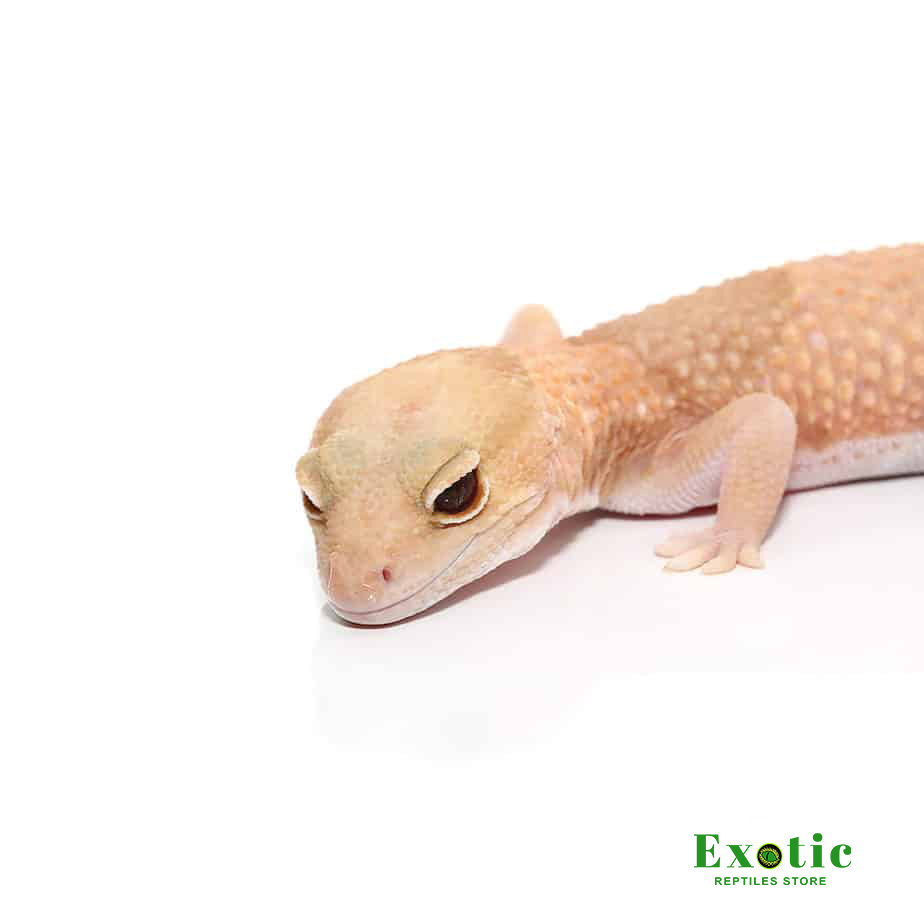
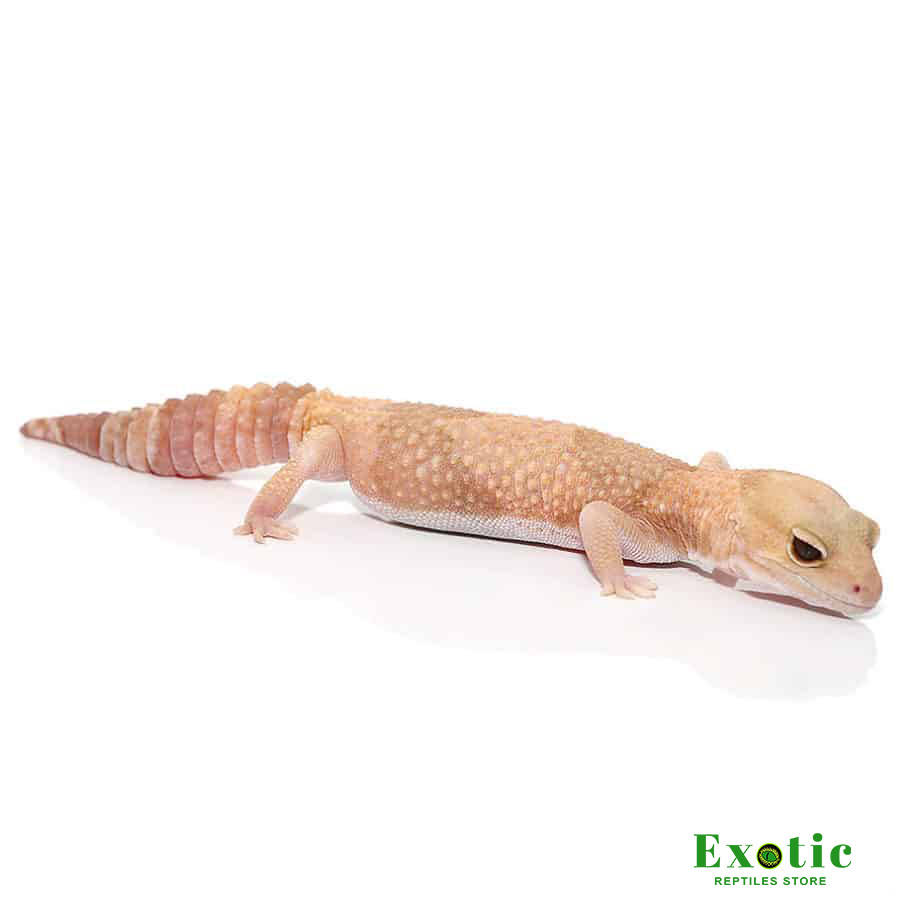
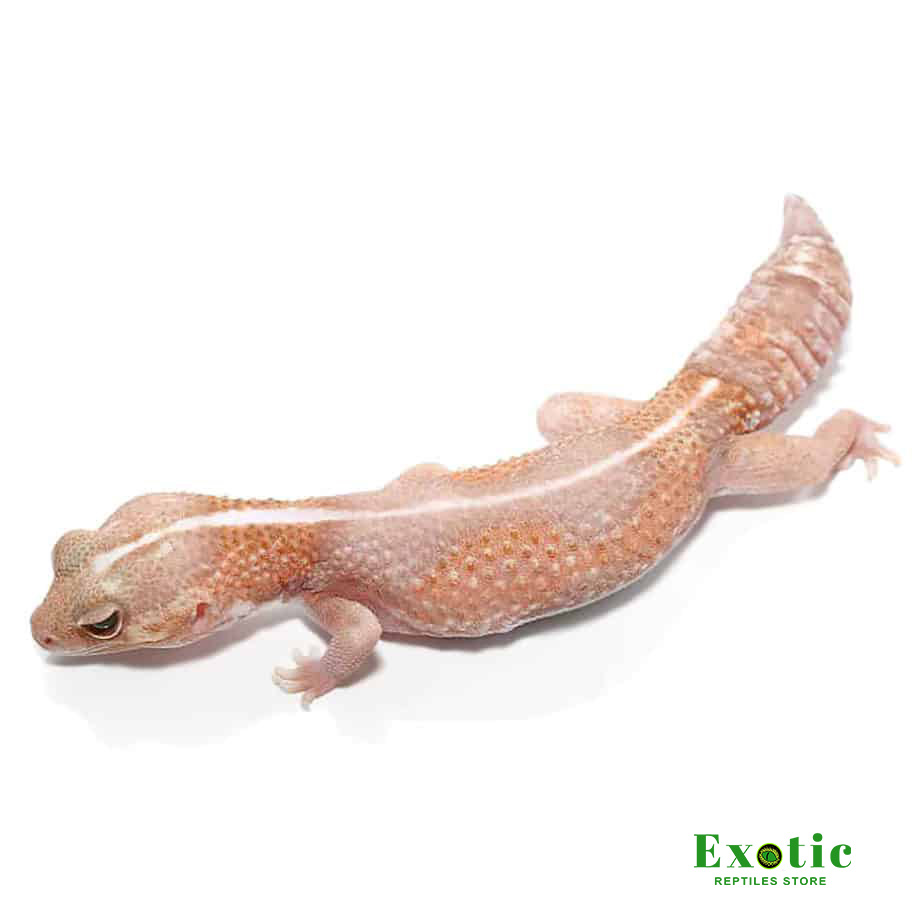
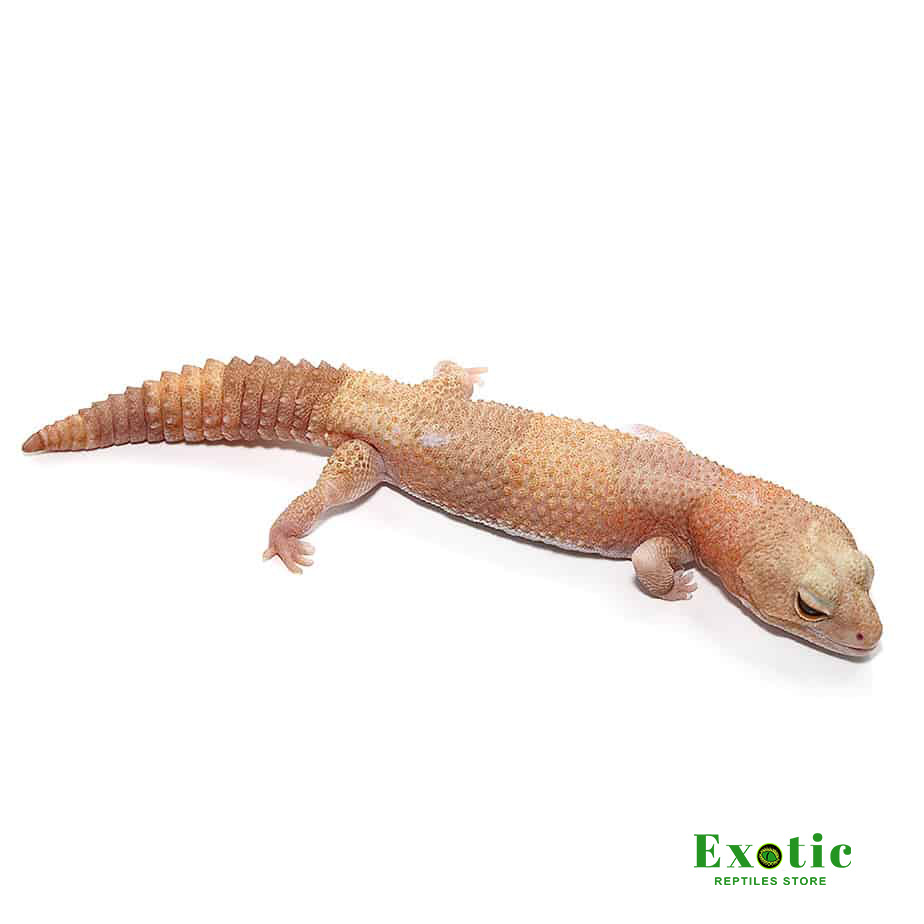
Geckos for Sale at Exotics & Aquatics
Explore geckos for sale at Exotics & Aquatics. This category brings together listings for a broad group ranging from terrestrial species to arboreal and nocturnal geckos. Because animals within a broad group can differ substantially, choose by confirmed identity, adult requirements, and suitability for your experience—not appearance alone.
Review each individual product page for the details actually provided and current availability. Do not assume an animal’s age, sex, health status, captive-bred status, locality, or feeding history unless the listing explicitly confirms it.
How to Choose the Right Geckos
Before purchasing, research the exact species and, where available, its scientific name. Common names sometimes refer to more than one animal, and similar-looking species can have very different needs.
Factors to Consider Before Buying
Adult size: Understand the species’ expected adult size and space requirements.
Behavior and activity cycle: Research whether the gecko is primarily nocturnal, diurnal, terrestrial, or arboreal.
Lifespan: Consider the long-term commitment involved in keeping the species.
Feeding costs: Determine the type and quantity of food required and whether supplementation is necessary.
Handling expectations: Understand the species’ tolerance for handling and any special precautions.
Legal requirements: Check local and state rules before ordering, including restrictions on possession, sale, or transport and any permits that may apply.
Choose a gecko whose care requirements fit your experience, available space, schedule, and budget.
Gecko Habitat and Enclosure Planning
Match the habitat to the species. Leopard geckos need a different setup from many tropical or arboreal geckos. Consider floor area versus vertical space, temperature gradients, hides, humidity, ventilation, climbing features, and safe substrate.
Enclosure Size and Layout
Provide sufficient space for the animal’s expected adult size and natural behavior. Terrestrial geckos may need more usable floor area, while arboreal species often benefit from appropriate vertical space and stable climbing structures.
Include suitable retreats and furnishings that cannot collapse, trap the animal, or cause injury. Check enclosure doors and openings to reduce escape risks.
Temperature, Humidity, and Ventilation
Prepare the enclosure before the animal arrives and run the equipment long enough to confirm stable conditions. Use reliable thermometers and hygrometers where appropriate, check readings in the animal’s usable zones, and follow current species-specific guidance rather than relying on generic settings.
Keep the habitat away from fumes, aerosols, smoke, and household cleaning chemicals.
Substrate, Hides, and Climbing Features
Choose a substrate suitable for the identified species and its age, husbandry needs, and feeding habits. Provide secure hides and climbing structures where appropriate, and inspect furnishings regularly for loose parts or sharp edges.
Feeding and Nutrition
Many geckos eat insects, while some also use complete formulated diets. Confirm the food type, prey size, feeding frequency, and supplementation requirements for the exact species.
Choosing Suitable Food
Establish a realistic food budget and source supplies before purchase. Ensure feeder insects or formulated diets are appropriate for the animal and its life stage.
Supplementation and Feeding Hygiene
Supplementation can be important for some species, but the right product and frequency vary. Avoid guessing or copying a routine intended for a different animal.
Clean feeding tools, store food safely, remove leftovers when appropriate, and record appetite and body-condition changes.
Daily Care, Observation, and Veterinary Support
Research activity patterns, tail handling, shedding, adult size, and environmental requirements. Avoid using a single care sheet for the entire gecko group because husbandry needs differ considerably between species.
Establishing a Care Routine
Build a manageable routine for checking environmental readings, water and enclosure cleanliness, feeding, waste, shedding where relevant, and changes in movement or behavior. Keep brief records so gradual changes are easier to recognize.
Handling and Responsible Ownership
Learn the appropriate way to interact with the species before handling it. Some geckos are easily stressed, and certain species can drop their tails when threatened. Avoid grabbing or restraining a gecko by its tail.
Recognizing Health Concerns
Identify an exotic-animal veterinarian who treats the species before bringing it home. Persistent appetite changes, injuries, unusual breathing, marked lethargy, or other worrying signs should be discussed with a qualified veterinarian; online information is not a diagnosis.
What to Check Before Buying Geckos Online
Use this checklist before completing your purchase.
Read the full listing and confirm the animal’s identity and current availability.
Ask about essential details that are not stated; do not infer age, sex, origin, or health from photographs alone.
Confirm shipping or collection arrangements, timing, and what you must prepare before arrival.
Review the store’s current purchase policies and keep order-related communications.
Check applicable wildlife, possession, and transport laws before completing a purchase.
Prepare a secure, species-appropriate habitat and locate veterinary support in advance.
Related Animal Categories
Explore related collections at Exotics & Aquatics and compare their care requirements.
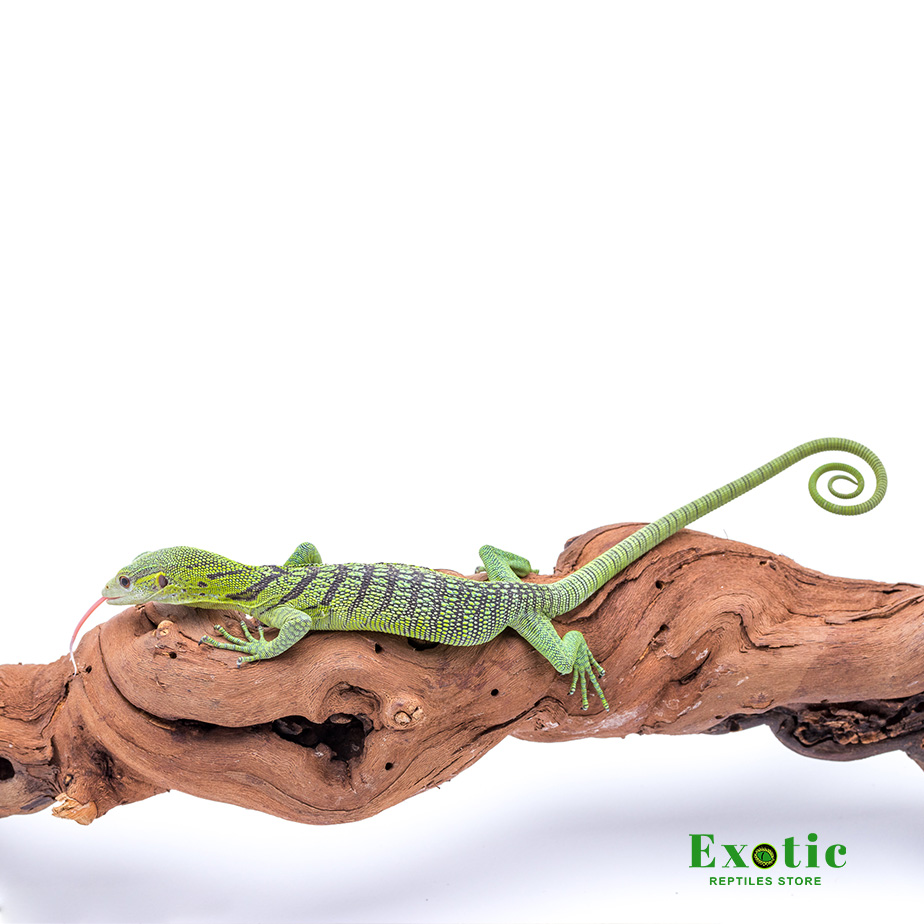
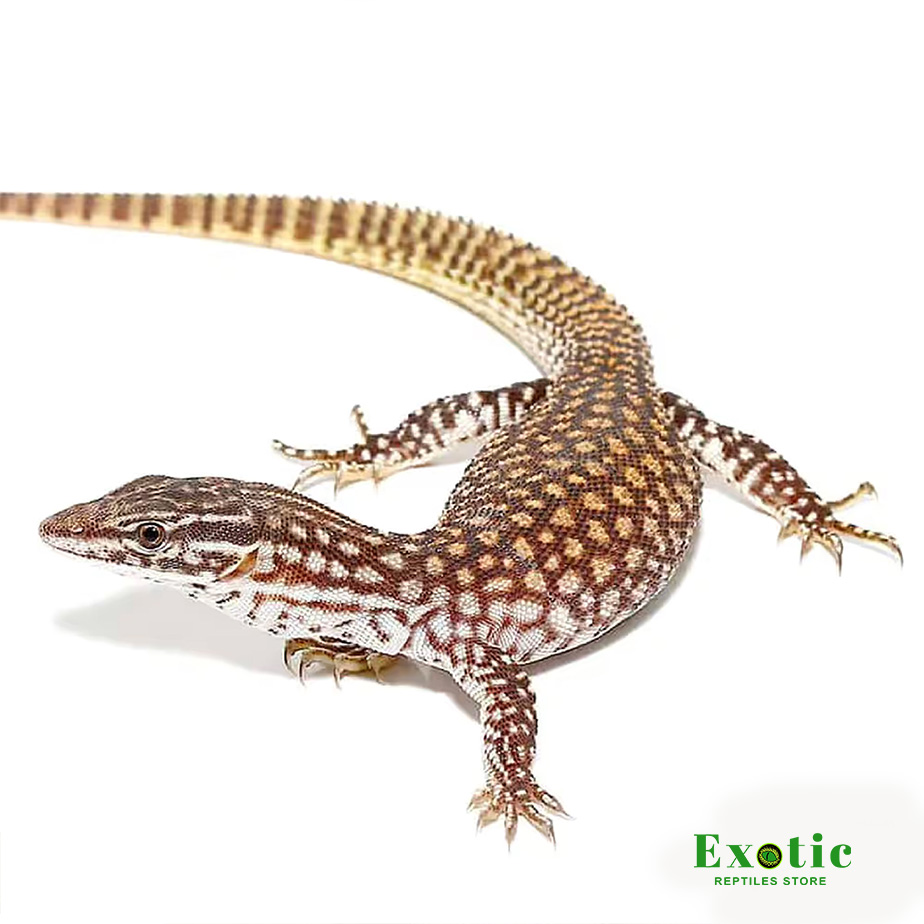
Lizards: Explore other lizard species and their habitat needs.
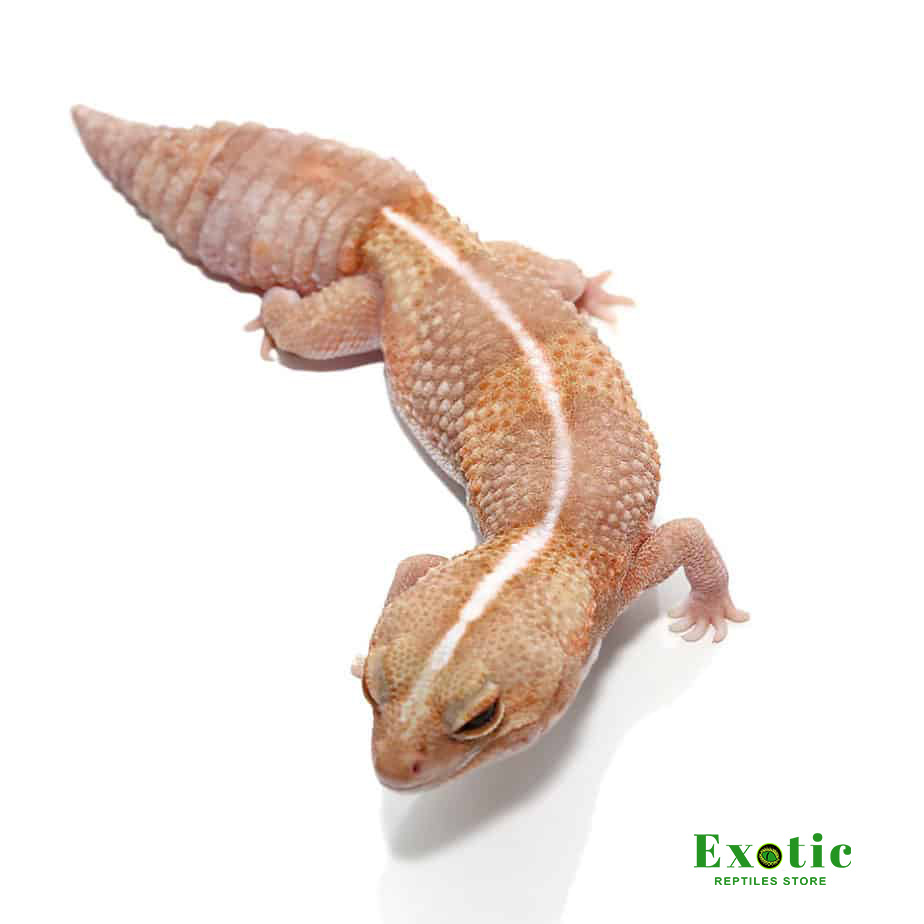
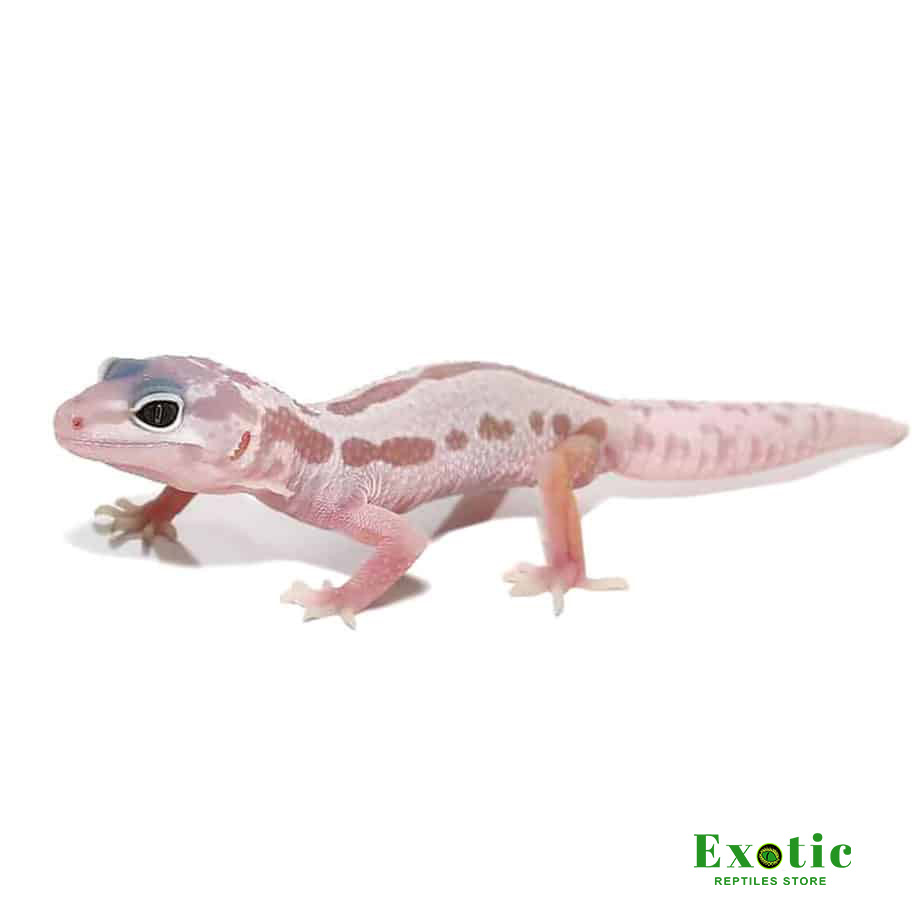
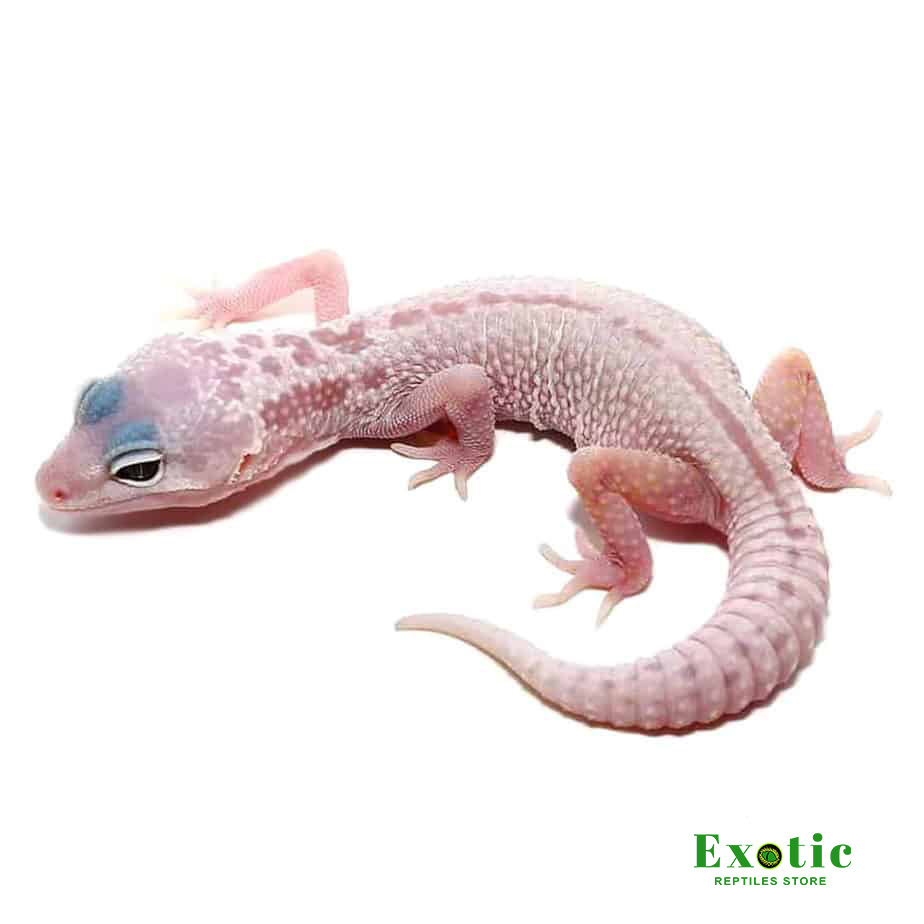
Leopard Geckos: Learn about leopard geckos and their specific terrestrial husbandry requirements.
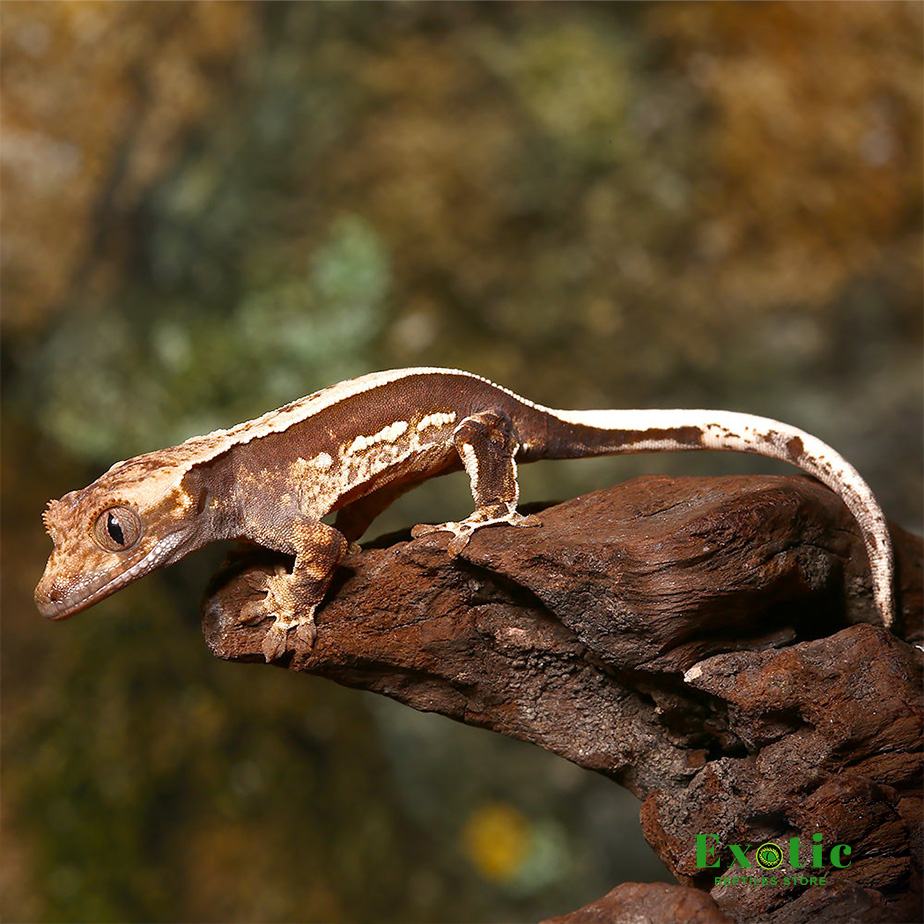
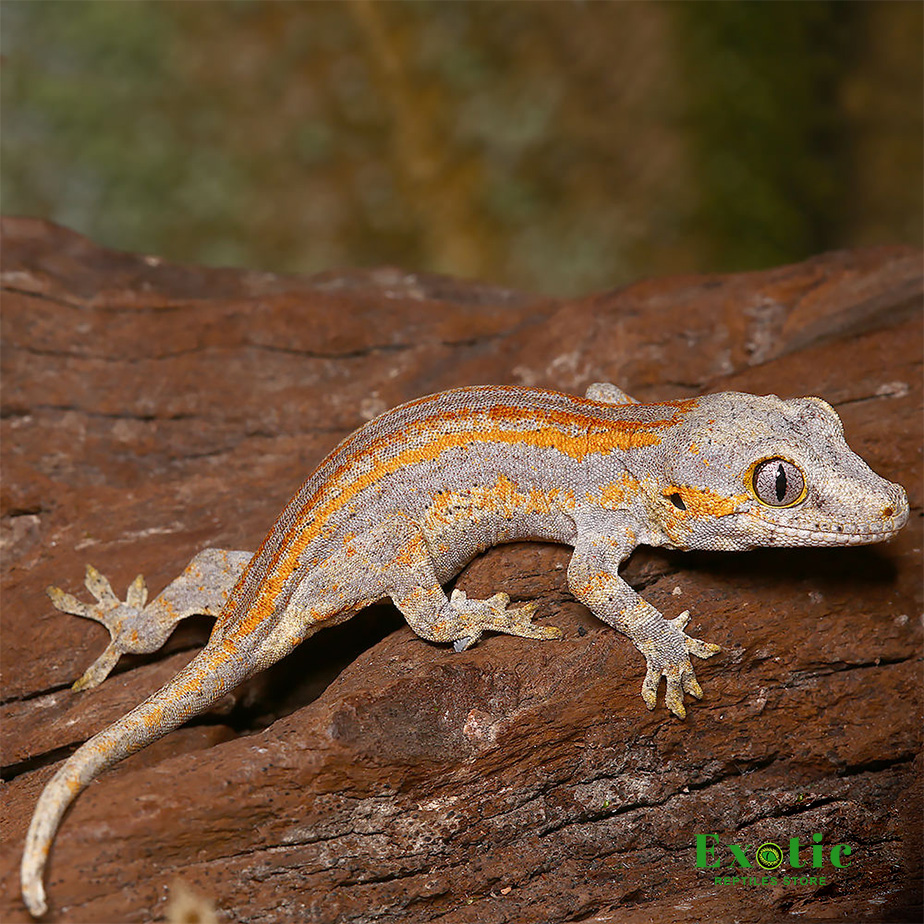
Crested & New Caledonia Geckos: Research these geckos’ environmental, feeding, and climbing needs.
Day Geckos: Explore diurnal geckos and their species-specific lighting and habitat requirements.
Frequently Asked Questions About Geckos
How do I know which gecko is right for me?
Compare the exact species’ adult size, environmental needs, diet, temperament, lifespan, and total cost of care with your available time and space. A smaller animal is not automatically easier to keep.
Are all animals shown in this category available?
Availability can change. Check the current product listing and contact Exotics & Aquatics if you need clarification before ordering.
Should I set up the enclosure after the gecko arrives?
No. Prepare and test the habitat beforehand so appropriate environmental conditions, food, cleaning supplies, and secure housing are ready.
Where can I get care advice?
Use reliable, current, species-specific husbandry resources and consult a qualified exotic-animal veterinarian for health concerns. Care requirements can differ even among closely related species.
Contact Exotics & Aquatics
Exotics & Aquatics encourages careful research and informed animal ownership. Review the individual listing, confirm the details important to your decision, and prepare for the animal’s full life-cycle needs before purchasing.
Exotics & Aquatics
Website: https://www.exoticsandaquatics.com/
Address: 6447 Williamson Rd, Roanoke, VA 24019
Email: sales@exoticsandaquatics.com
Care information is general and should be checked against current, species-specific guidance. Product availability and animal-specific details are determined by each live listing.