
Choosing a pet reptile is a long-term decision. The best first step is not choosing the most colorful animal; it is matching a species’ adult needs, daily care and expected costs to the home you can provide.
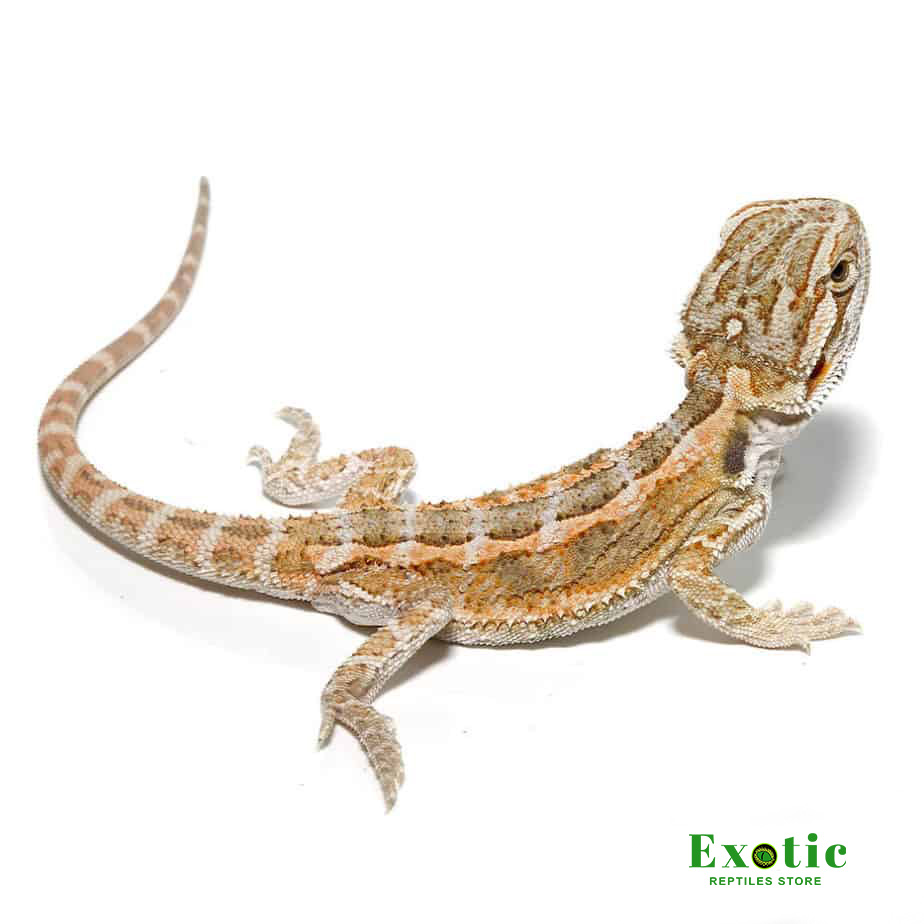
Start with care requirements, not appearance
Compare adult size, activity pattern, enclosure footprint, heating and UVB needs, humidity, diet, lifespan and handling tolerance. A species that looks manageable when young may require a much larger enclosure and more advanced care as it matures. Treat broad labels such as “beginner reptile” as a starting point, not a guarantee that an animal is easy to keep.
Prepare the habitat before arrival
Set up the enclosure and verify its temperature gradient, basking area, lighting and humidity with suitable instruments before the animal arrives. Provide appropriate hides, secure furnishings and species-appropriate substrate. Do not rely on a heat source’s advertised wattage alone; measure conditions where the animal will actually spend time.
Evaluate the listing and seller information
Read the exact species identification and listing details. Ask for any information you need to make a responsible decision, including the animal’s current feeding routine, known care history, shipping arrangements and what happens if transport is delayed. Do not assume age, sex, captive-bred status or health details unless they are explicitly documented.
Budget for the whole commitment
Include the enclosure, thermostat-controlled heating, suitable UVB equipment where required, thermometers, hygrometers, food, electricity, replacement bulbs and an exotic-animal veterinarian. The initial purchase is only one part of the cost. Check local and state rules before ordering, especially for regulated or specialist species.
Before you decide
- Confirm the species’ adult size and lifespan.
- Build and test the habitat first.
- Locate an experienced reptile veterinarian.
- Review the seller’s shipping, communication and support policies.
- Make sure the animal’s needs fit your time, space and budget.
Explore related guides
Browse our lizards and read our reptile care articles before choosing a species.
Frequently asked questions
What is the best reptile for a first-time keeper?
There is no single best choice for every household. Compare the requirements of individual species with your experience, space, budget and access to veterinary care.
Should I buy the enclosure after the reptile arrives?
No. Prepare, test and stabilize the enclosure in advance so you can confirm the environment is appropriate before arrival.
Do online listings tell me everything I need to know?
Not always. Ask specific questions about identification, feeding, transport and the seller’s policies, and verify any legal requirements that apply to you.
Care note: this article is a starting point, not a substitute for current species-specific husbandry guidance or advice from a qualified exotic-animal veterinarian.
4 comments
[…] our skinks listings and read the beginner’s guide to buying a pet reptile and online reptile buying […]
[…] with our beginner’s guide to buying a pet reptile, review the reptile enclosure preparation guide, and browse our lizard […]
[…] our skinks listings and read the beginner’s guide to buying a pet reptile and online reptile buying […]
[…] our beginner’s guide to buying a pet reptile and enclosure preparation guide. You can also browse our lizard listings to research species […]