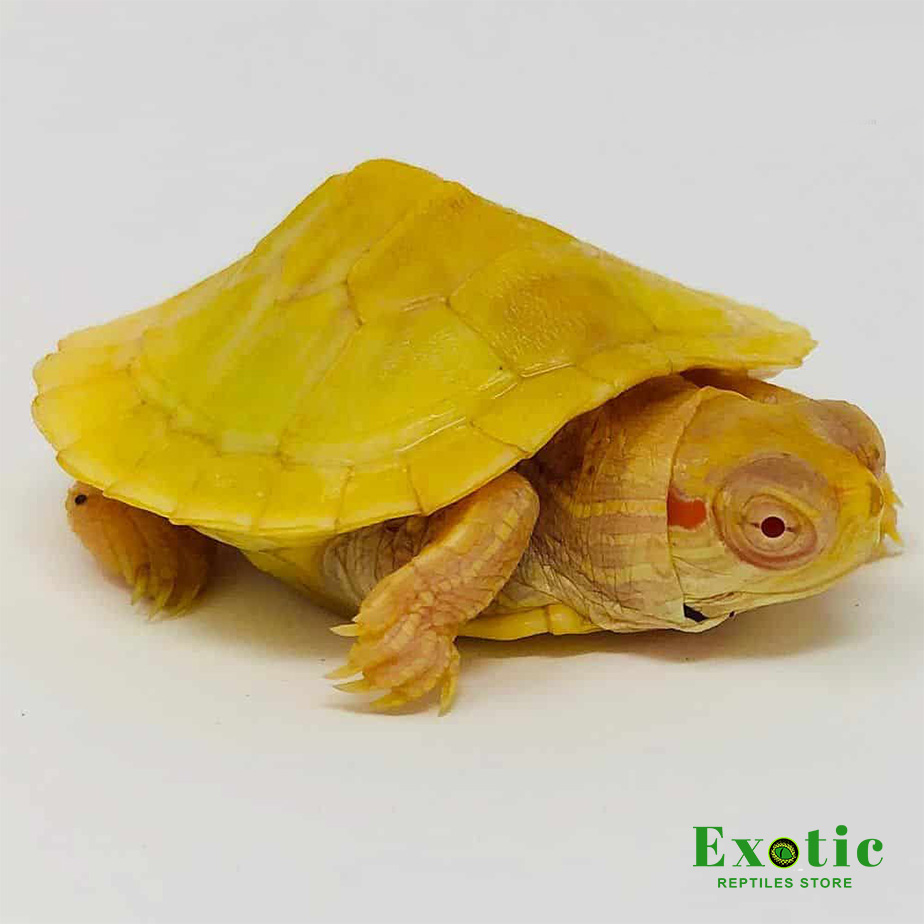
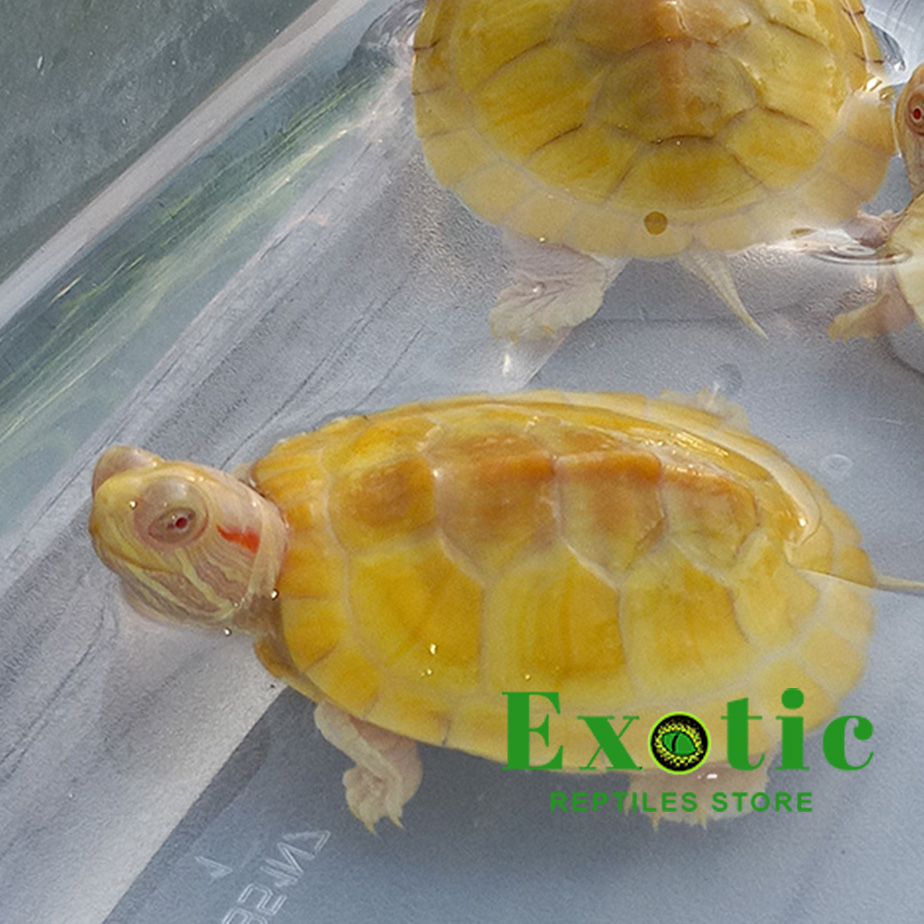
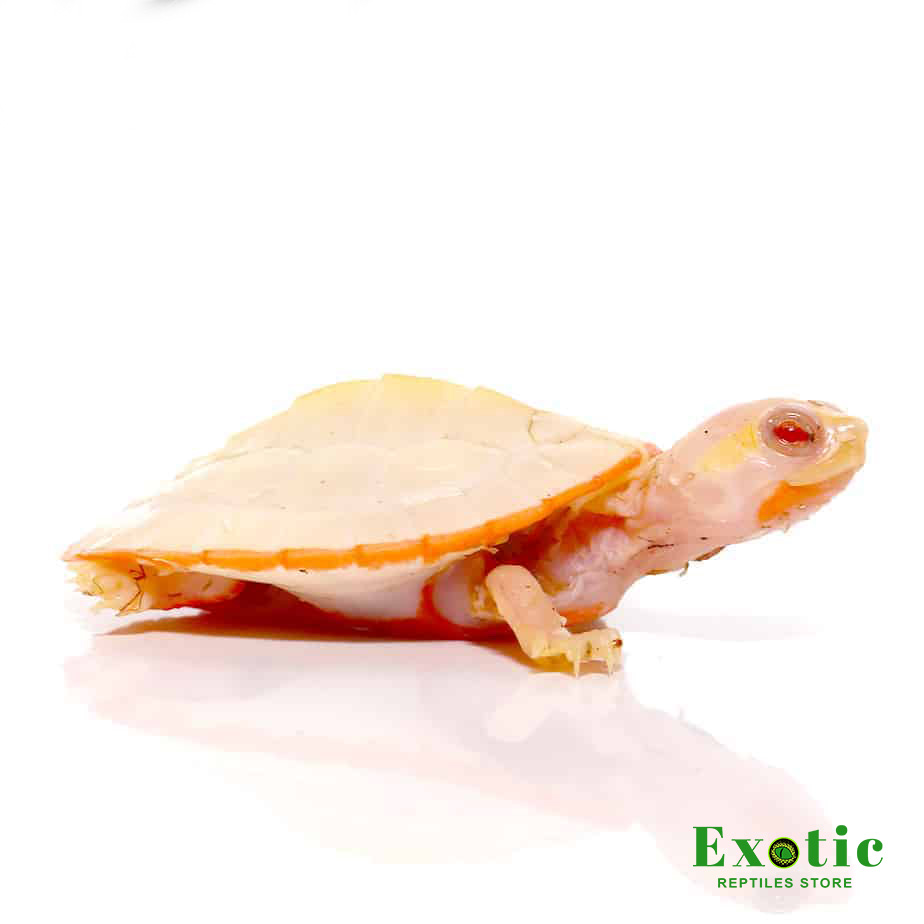
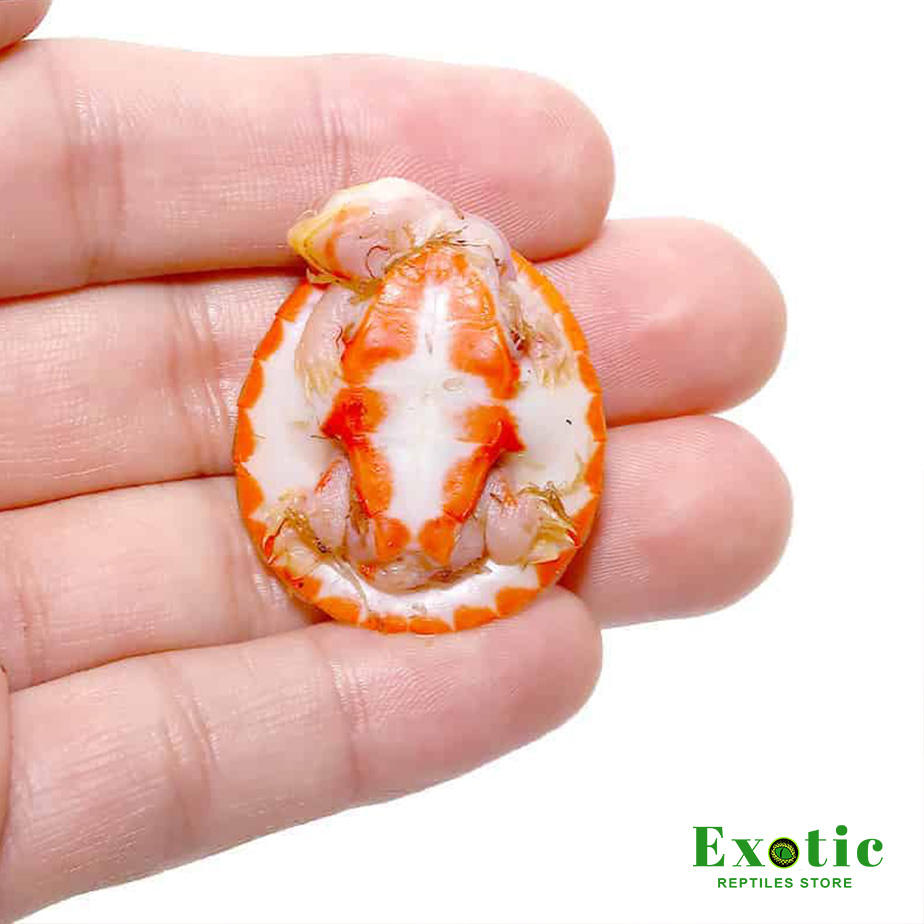
Turtles for Sale at Exotics & Aquatics
Explore turtles for sale at Exotics & Aquatics and discover listings for aquatic and semi-aquatic reptiles with specialized habitat and care requirements. Turtles can be fascinating animals to observe, but their needs extend well beyond a basic aquarium. Depending on the species, responsible care may involve substantial swimming space, powerful filtration, carefully managed water quality, suitable basking areas, appropriate lighting and a long-term commitment to specialized nutrition.
Choosing the right turtle means looking beyond its appearance or current size. Research the confirmed species, expected adult size, lifespan, behavior, dietary requirements and environmental needs before deciding whether it is suitable for your experience and available space.
Review each individual product page for current availability and the details explicitly provided. Do not assume an animal’s age, sex, health status, captive-bred status, locality or feeding history unless the listing confirms that information.
How to Choose the Right Turtle
The term “turtle” covers many species with different habitat preferences, adult sizes and husbandry requirements. Some spend most of their time swimming, while others use both aquatic and terrestrial areas. Species can also differ considerably in diet, activity, behavior and legal status.
Before purchasing a turtle, research its exact identity and scientific name whenever available. Use species-specific information rather than assuming that care requirements for one turtle will apply to another.
Consider these important factors:
-
Adult size: A small juvenile may eventually require a much larger aquarium or a carefully designed pond. Plan for the animal’s adult requirements from the beginning.
-
Aquatic or semi-aquatic lifestyle: Determine how much water the species needs, whether it requires land access and what type of basking area is appropriate.
-
Water quality: Many aquatic turtles produce substantial waste, making reliable filtration, routine maintenance and water testing essential.
-
Heating and lighting: Temperature, basking conditions and access to appropriate UVB lighting vary by species.
-
Diet: Some turtles eat a varied combination of animal-based and plant-based foods, while others have more specialized nutritional requirements.
-
Lifespan and ongoing expenses: Consider food, filtration, lighting, electricity, water maintenance, equipment replacement and veterinary care.
-
Legal requirements: Check local and state laws governing possession, sale, transport and any applicable permits or restrictions before ordering.
A turtle is a long-term responsibility, not simply a decorative aquarium animal. Choose a species whose needs you can meet consistently throughout its life.
Turtle Habitat and Enclosure Planning
A suitable turtle habitat must provide appropriate water conditions, enough room for movement, safe basking access and a secure environment. The exact setup depends on the confirmed species and its expected adult size.
Prepare the enclosure before the turtle arrives, and operate the equipment long enough to verify that it maintains stable conditions.
Aquarium Size, Swimming Space and Security
Choose an aquarium or enclosure based on the species’ adult size, swimming behavior and environmental requirements. A tank that accommodates a small juvenile may become inadequate as the turtle grows.
Provide enough swimming space and water depth for normal movement, while ensuring the animal can easily reach the surface to breathe and access any required resting or basking areas. Semi-aquatic species may also need a suitable land area.
Check that the enclosure is stable and secure. Use furnishings that cannot topple, trap the turtle or create dangerous gaps. Any ramps, platforms or basking structures should support the animal safely and allow it to enter and exit the water without unnecessary difficulty.
Before introducing the turtle, confirm that:
-
The enclosure provides adequate room for the species.
-
Water depth and access points are appropriate.
-
Basking platforms are stable and easy to reach.
-
Heating and lighting equipment are installed safely.
-
Filtration is suitable for the tank volume and waste load.
-
Cables, lids and other access points are secured.
-
The habitat can be cleaned and maintained conveniently.
Avoid designing the habitat around the animal’s initial size alone. Planning for adult requirements can help prevent costly and stressful enclosure changes later.
Water Quality and Filtration
Water quality is one of the most important aspects of aquatic turtle care. Turtles can produce significant waste, so filtration and maintenance must be appropriate for the animal, enclosure and feeding routine.
Select a reliable filtration system designed to handle the expected biological waste load. A filter does not eliminate the need for water changes, debris removal or water-quality monitoring.
Establish a routine that includes:
-
Checking water temperature with a reliable thermometer.
-
Monitoring water quality using suitable testing methods.
-
Removing uneaten food and waste promptly.
-
Cleaning equipment according to its maintenance requirements.
-
Performing appropriate partial water changes.
-
Checking that filters and pumps operate correctly.
Avoid replacing all the water or cleaning all biological filter media unnecessarily at the same time, as this can disrupt the beneficial biological processes that help maintain water quality. Follow appropriate aquarium-management guidance for the species and system.
Never use household cleaning chemicals or detergents on equipment that will contact the turtle or its water unless a product is specifically suitable for that purpose and used according to its instructions.
Basking, Heating and UVB Lighting
Many aquatic and semi-aquatic turtles need access to a dry basking area where they can warm themselves and dry their shells. The exact basking temperature, water temperature and lighting requirements depend on the species.
Some turtles also require appropriate UVB exposure to support normal calcium metabolism and shell and bone health. UVB requirements depend on factors such as species, lamp type, distance, barriers and lighting schedule. Ordinary visible light should not automatically be treated as a substitute for suitable UVB lighting.
Use appropriate equipment and measure conditions where the turtle actually spends time. Position lamps safely, follow manufacturer guidance and prevent direct contact with hot bulbs or other hazardous surfaces.
A well-planned setup should provide suitable environmental options rather than exposing the turtle to a single temperature throughout the enclosure. Research the specific species before deciding on equipment settings.
Substrate, Decorations and Shelter
The appropriate substrate depends on the turtle’s species, habitat and enclosure design. Some setups are easier to maintain with a bare-bottom aquatic area, while others may benefit from carefully selected substrate or furnishings.
Avoid materials that create an avoidable risk of ingestion, entrapment or injury. Decorations should be stable, appropriately sized and easy to clean.
Provide suitable hiding or resting opportunities where appropriate, without obstructing swimming routes or access to the surface. Keep the habitat away from smoke, aerosols, strong fumes and household cleaning chemicals.
Feeding and Nutrition for Turtles
Turtle diets vary significantly by species and life stage. Some aquatic turtles are omnivorous, while others have more specialized dietary requirements. Feeding needs can also change as an animal matures.
A balanced feeding plan should be based on the confirmed species, age, body condition and current husbandry guidance. Avoid relying exclusively on one food type unless a qualified species-specific care resource supports that approach.
Depending on the species, an appropriate diet may involve formulated turtle foods, selected animal-based foods and suitable plant material. The proportions and frequency must be determined by the turtle’s actual needs.
Responsible Feeding Practices
-
Confirm the species’ dietary requirements before purchasing food.
-
Use suitable food types and portion sizes.
-
Avoid excessive feeding and monitor body condition.
-
Remove uneaten food promptly to limit water pollution.
-
Store food safely and clean feeding equipment regularly.
-
Record appetite and notable changes in eating behavior.
-
Research calcium and vitamin requirements before adding supplements.
Supplementation can be important for some turtles, but the appropriate product and frequency depend on the species and diet. Do not assume that a supplement routine intended for another reptile is suitable.
If the turtle persistently refuses food, loses weight, develops an unusual body condition or displays other concerning changes, consult a qualified exotic-animal veterinarian.
Daily Turtle Care and Maintenance
Turtles need regular observation and consistent habitat maintenance. For aquatic species, water quality, filtration and waste management can require more time and expense than new keepers initially expect.
Create a manageable routine that includes checking environmental conditions, inspecting equipment, maintaining clean water and observing the turtle’s behavior.
Regular care should include:
-
Checking water and basking temperatures.
-
Confirming that filtration and pumps work correctly.
-
Monitoring water quality and performing necessary maintenance.
-
Providing fresh, appropriate food.
-
Removing leftover food and waste.
-
Checking the shell, skin, eyes and general appearance for changes.
-
Inspecting basking areas, ramps and other furnishings.
-
Recording changes in appetite, activity and body condition.
Handle turtles only when necessary and use calm, appropriate techniques. Turtles may become stressed by frequent handling, and some species can scratch or bite. Wash your hands after handling a turtle, its water or enclosure equipment, because reptiles can carry bacteria such as Salmonella even when they appear healthy.
Identify an exotic-animal veterinarian with turtle experience before bringing your new pet home. Changes in breathing, unusual discharge, injuries, shell abnormalities, persistent appetite changes or marked lethargy should be discussed with a qualified veterinarian. Online information is not a diagnosis.
Responsible Turtle Ownership and Legal Considerations
Before buying a turtle, check the rules that apply to the exact species and your location. Regulations may govern possession, sale, importation, transport or release. Certain species may be restricted, and some jurisdictions have specific requirements for turtles.
If you intend to purchase online, confirm that the animal can legally be sold and transported to your location. Do not rely solely on a seller’s ability to list an animal as evidence that ownership is lawful in every jurisdiction.
Never release a pet turtle into the wild. A released turtle may spread disease, introduce non-native species or fail to survive. If you can no longer care for your turtle, contact a qualified reptile rescue, experienced rehoming organization or appropriate animal authority for responsible alternatives.
Also consider the environmental cost of the habitat. Aquariums, pumps, heaters and lighting may consume electricity continuously, while large enclosures can require substantial space and ongoing maintenance.
What to Check Before Buying Turtles Online
Purchasing a turtle online should begin with careful research and confirmation of the details that matter to your decision.
-
Read the full product listing. Confirm the stated species or identity and review the details actually provided.
-
Ask about missing information. Do not infer age, sex, origin, health or feeding history from photographs alone.
-
Research adult requirements. Determine the enclosure size, water conditions, lighting, diet and equipment the animal will need as it grows.
-
Confirm availability. Product availability can change, so check the current listing or contact Exotics & Aquatics before ordering.
-
Review shipping or collection arrangements. Confirm the available method, timing and preparation needed for arrival.
-
Check applicable laws. Verify possession, sale and transport requirements, including any restrictions or permits.
-
Prepare the habitat. Install and test the enclosure, filtration, heating and lighting before the turtle arrives.
-
Plan veterinary care. Identify a qualified exotic-animal veterinarian and budget for routine and unexpected expenses.
-
Review store policies. Read the current purchase and shipping policies, and retain relevant order communications.
A well-prepared habitat and a clear understanding of the animal’s requirements help support a smoother transition into its new home.
Related Animal Categories
Explore related collections at Exotics & Aquatics to compare the care requirements of different reptiles and amphibians.
-
Tortoises: Compare land-dwelling chelonians, which have different enclosure, diet and environmental requirements from aquatic turtles.
-
Amphibians: Learn about another group of animals with specialized habitat and moisture needs.
-
Other Frogs: Explore frog listings and research their distinct environmental and dietary requirements.
Although some of these animals may share broad habitat features, their care needs are not interchangeable. Research each species individually before making a selection.
Frequently Asked Questions About Turtles
How do I choose the right turtle?
Start by confirming the species and researching its adult size, lifespan, water and land requirements, diet, environmental needs and legal status. Compare these requirements with the space, equipment, time and budget you can provide.
Are aquatic turtles easy to care for?
Aquatic turtles can require substantial ongoing maintenance. Filtration, water changes, temperature control, basking access, suitable lighting and a balanced diet all contribute to responsible care. The difficulty depends on the species and the quality of the setup.
Can I keep a turtle in a small aquarium?
An aquarium must be suitable for the turtle’s species and expected adult size. A small enclosure that works temporarily for a juvenile may become inadequate as the animal grows. Research adult housing needs before purchasing.
Do turtles need UVB lighting?
Many commonly kept aquatic and semi-aquatic turtles benefit from appropriate UVB lighting as part of a suitable husbandry setup. Exact requirements vary by species and equipment arrangement, so consult current species-specific guidance.
What do turtles eat?
Diet depends on the species and life stage. Some turtles eat a combination of animal-based and plant-based foods, while others have more specialized requirements. Research an appropriate diet rather than relying on a single food or a generic feeding schedule.
How often should I clean a turtle’s aquarium?
Cleaning frequency depends on the enclosure size, filtration, number of animals, feeding routine and waste production. Monitor water quality, remove uneaten food and waste promptly, maintain the filter and perform appropriate water changes as needed.
Are all turtles in this category available?
Availability can change. Review the current product listing and contact Exotics & Aquatics if you need confirmation before placing an order.
Can I release a pet turtle if I can no longer care for it?
No. Releasing a pet turtle into the wild can harm the animal and the local environment and may violate applicable laws. Contact a reputable reptile rescue, responsible rehoming organization or appropriate animal authority instead.
Where can I get advice about turtle health?
Consult a qualified exotic-animal veterinarian with experience treating turtles. General online care resources can support your research, but they cannot replace professional assessment when an animal shows signs of illness.
Contact Exotics & Aquatics
Exotics & Aquatics encourages careful research and informed animal ownership. Review each turtle listing, confirm the details important to your decision and prepare a suitable habitat before purchasing. A responsible choice considers the turtle’s entire life cycle, not just its initial size or appearance.
Exotics & Aquatics
-
Website: https://www.exoticsandaquatics.com/
-
Address: 6447 Williamson Rd, Roanoke, VA 24019
-
Email: sales@exoticsandaquatics.com
Care information is general and should be checked against current, species-specific guidance. Product availability and animal-specific details are determined by each live listing. Always follow applicable wildlife and animal-ownership laws, and seek qualified veterinary advice for health concerns.