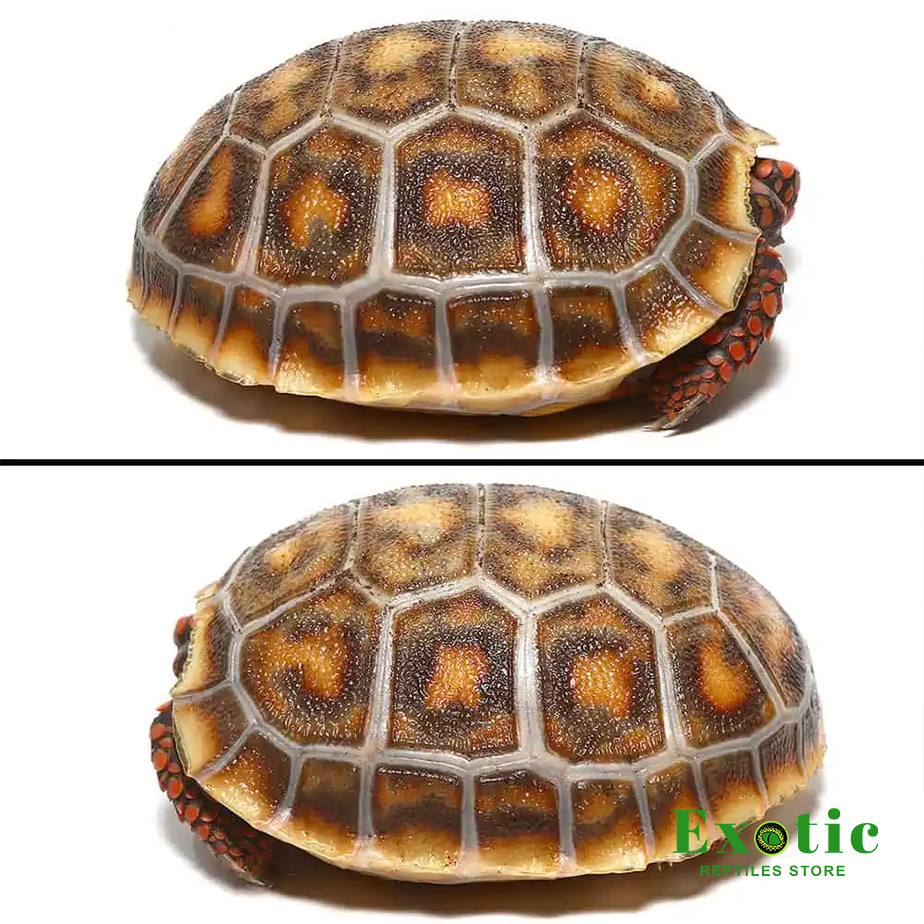
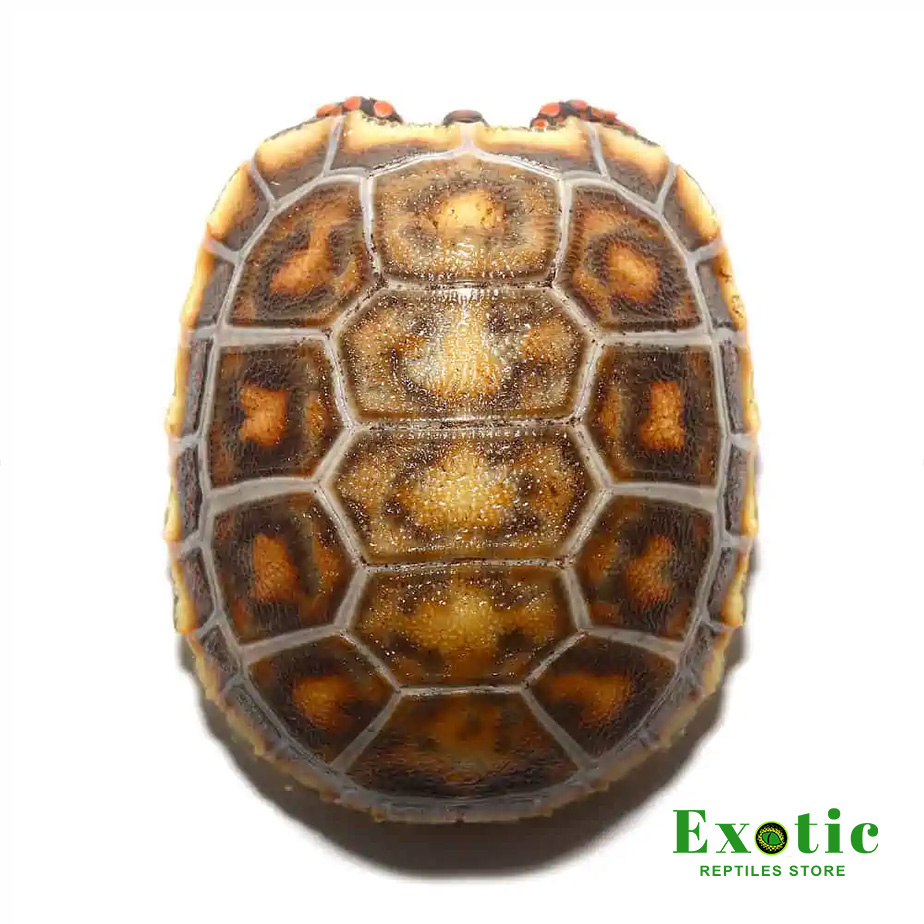
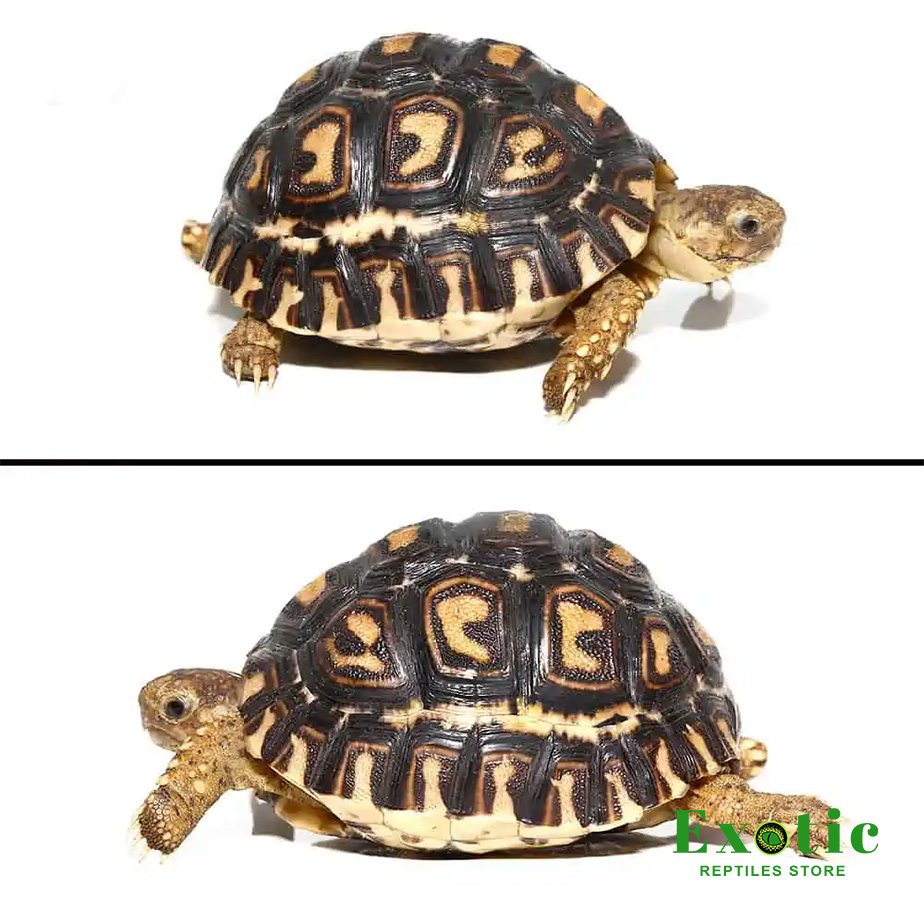
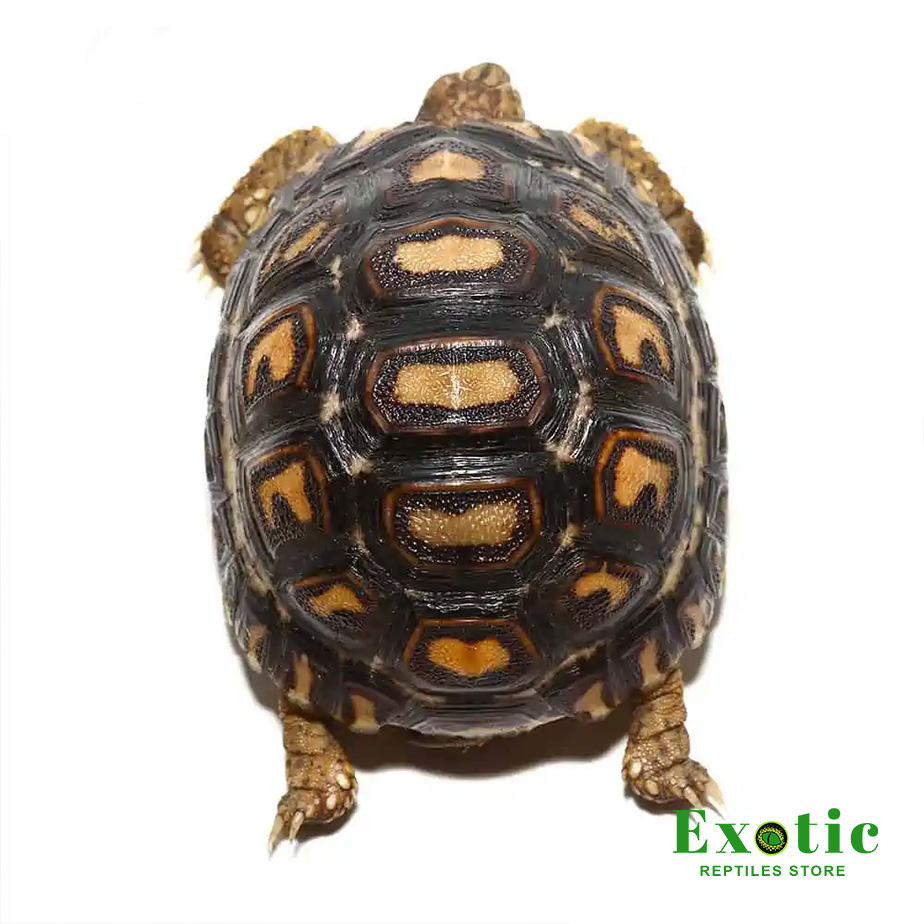
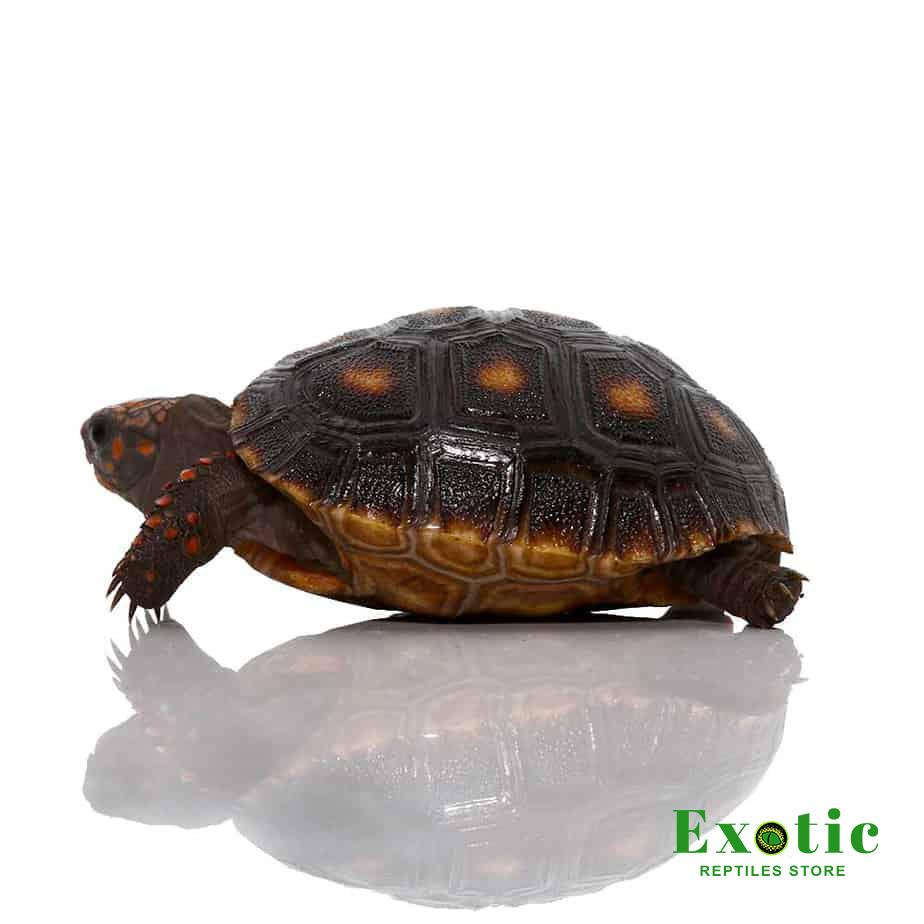
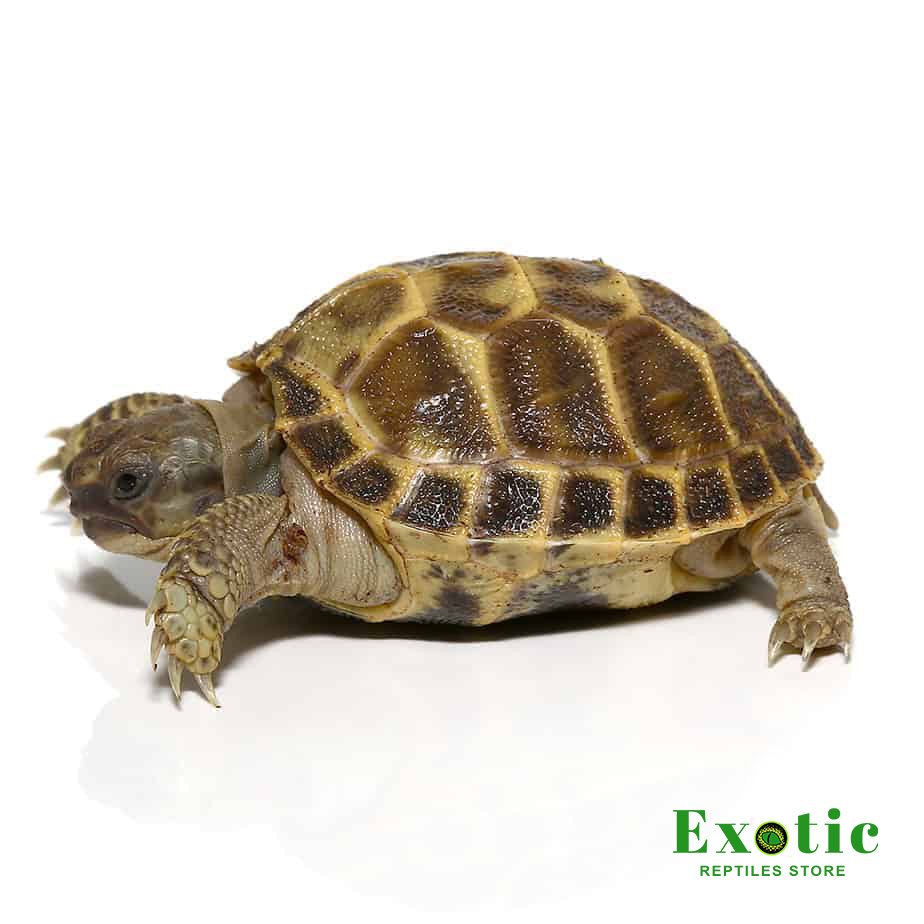
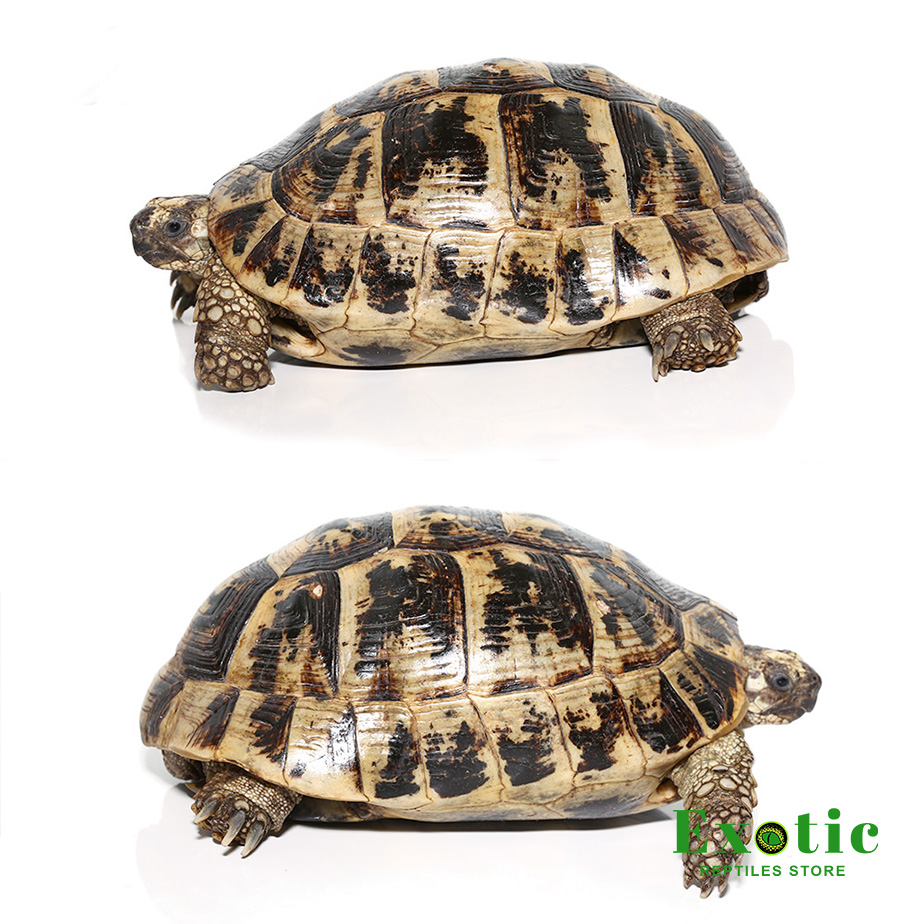
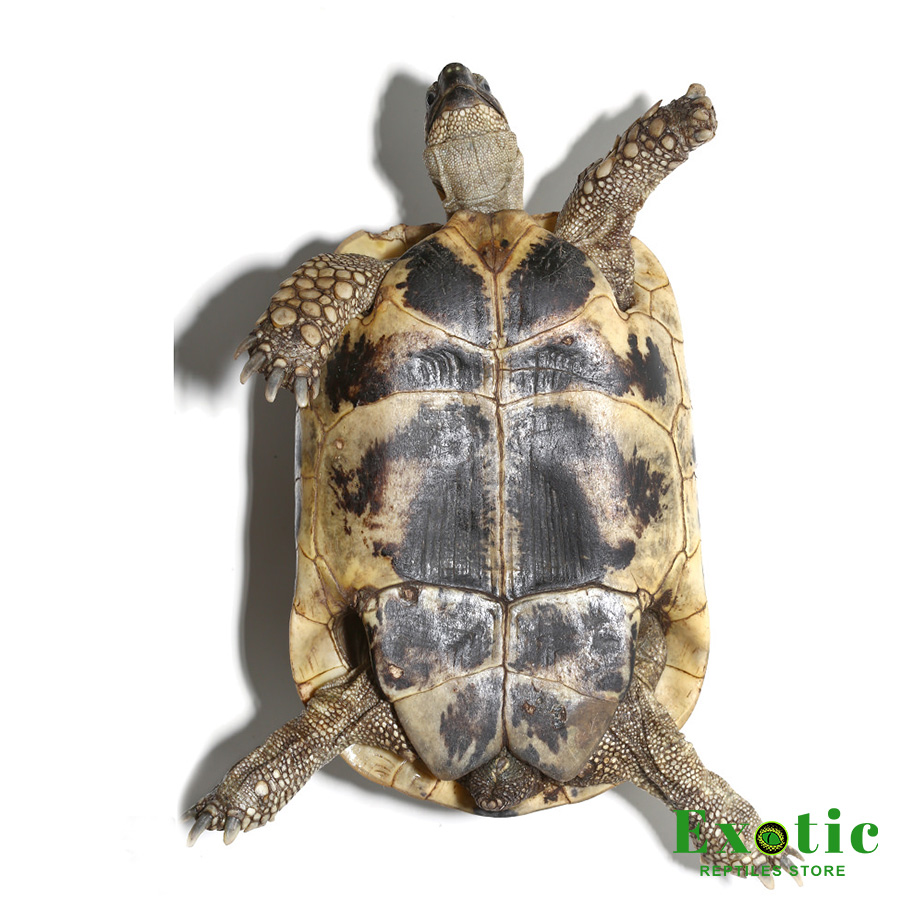
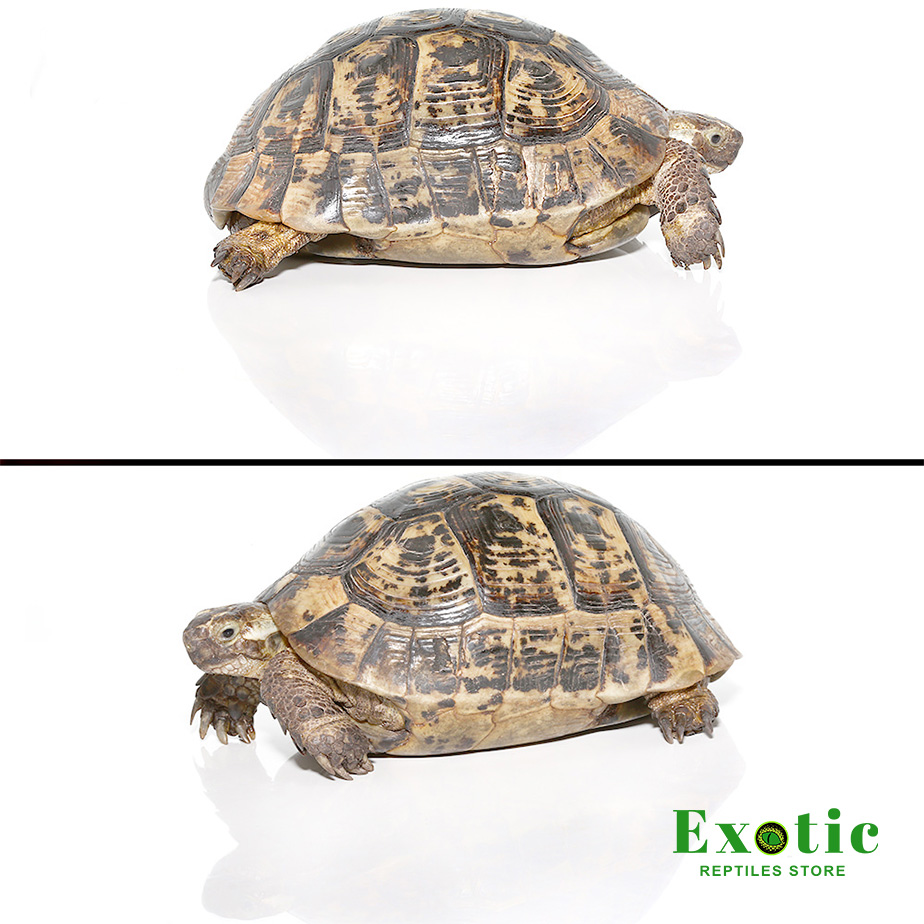
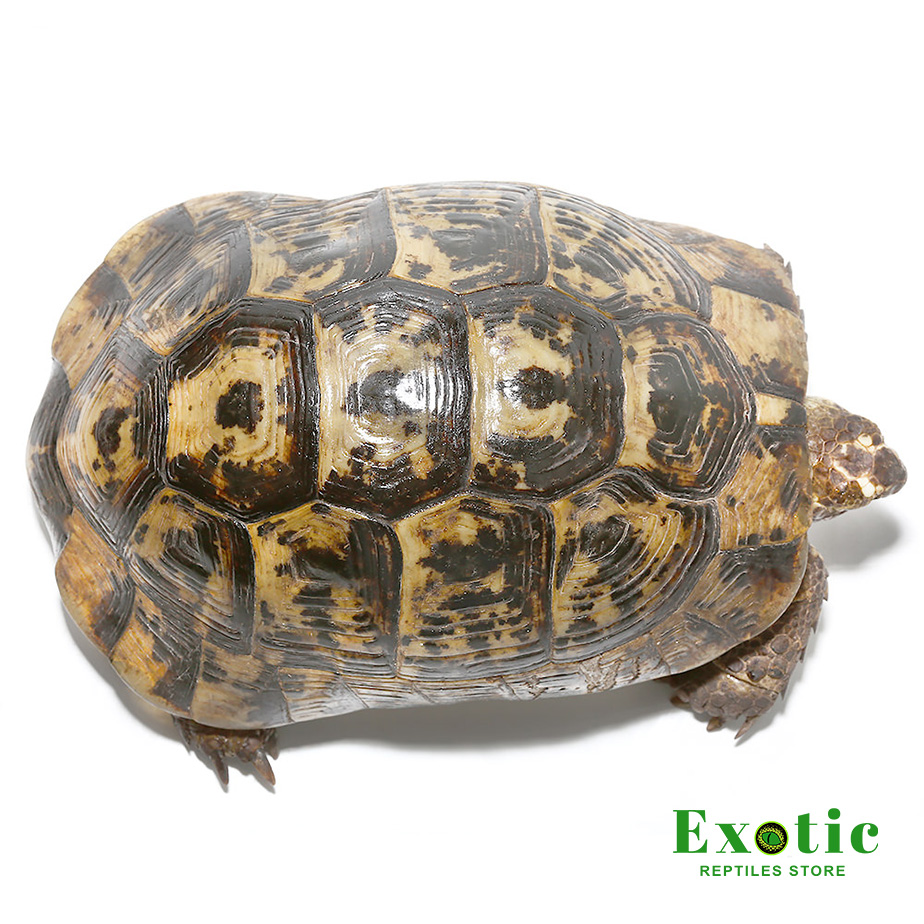
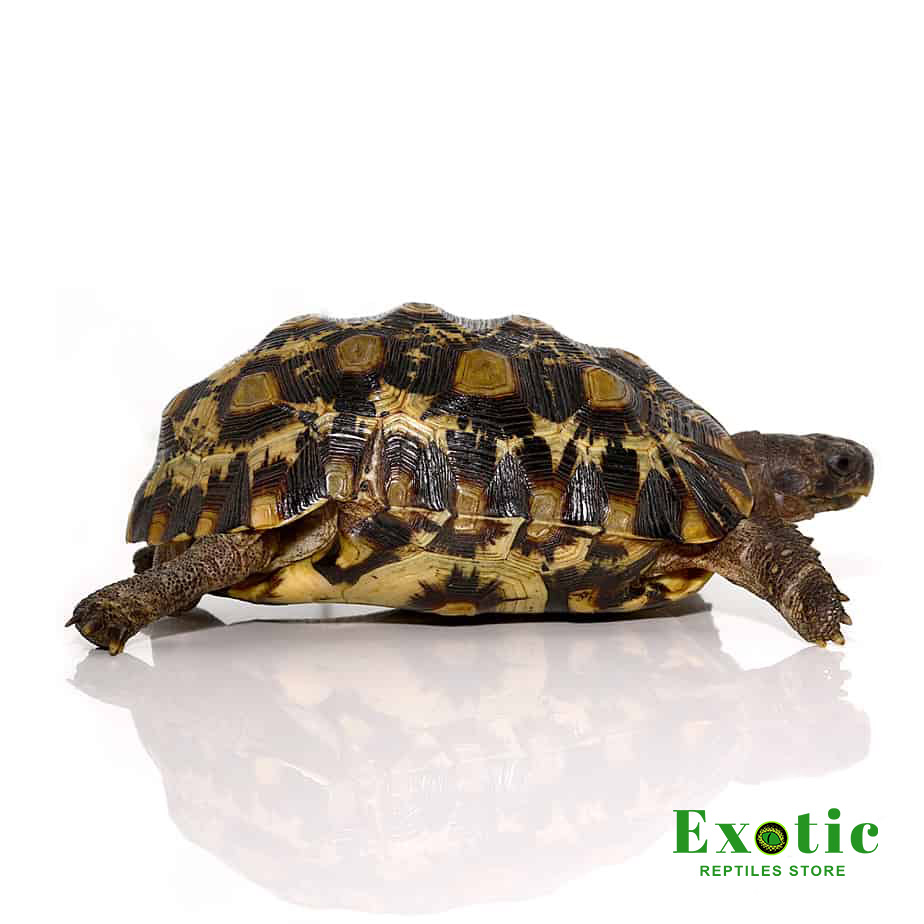
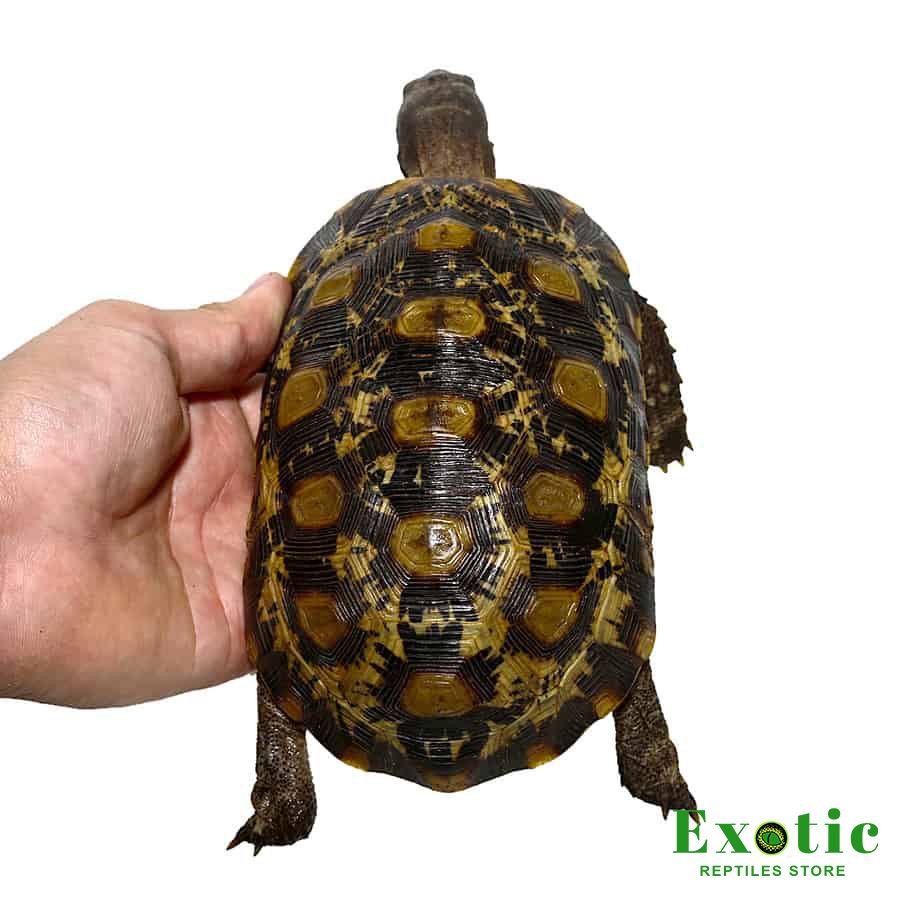
Tortoises for Sale at Exotics & Aquatics
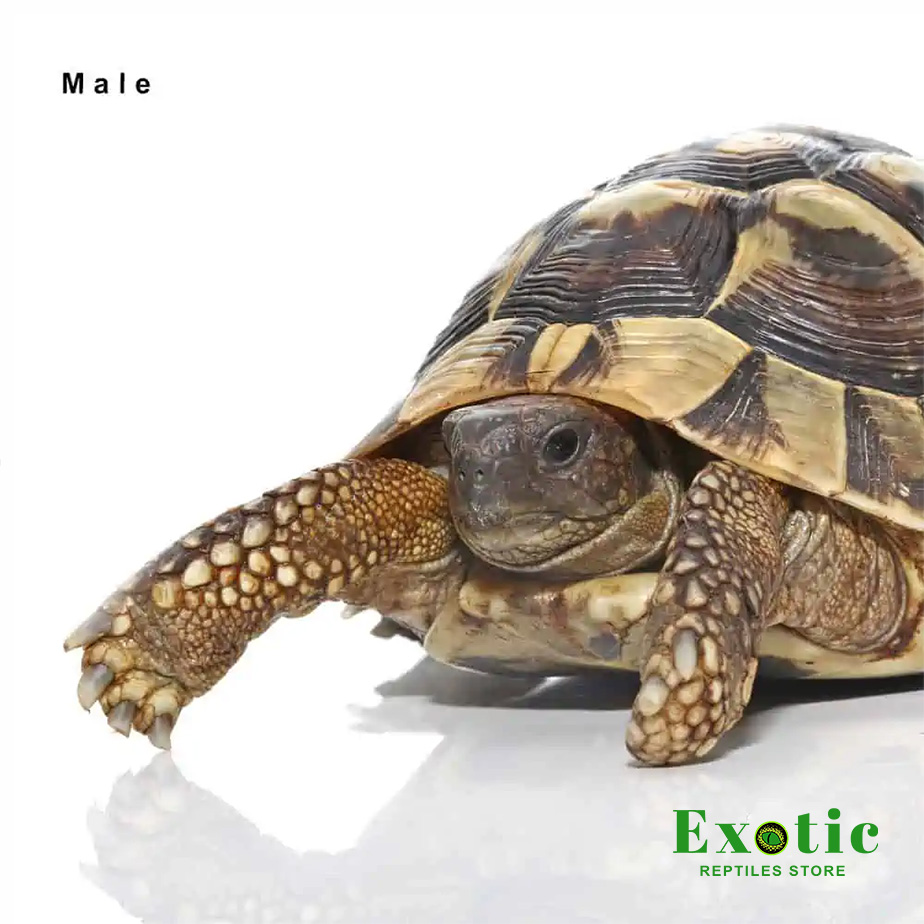
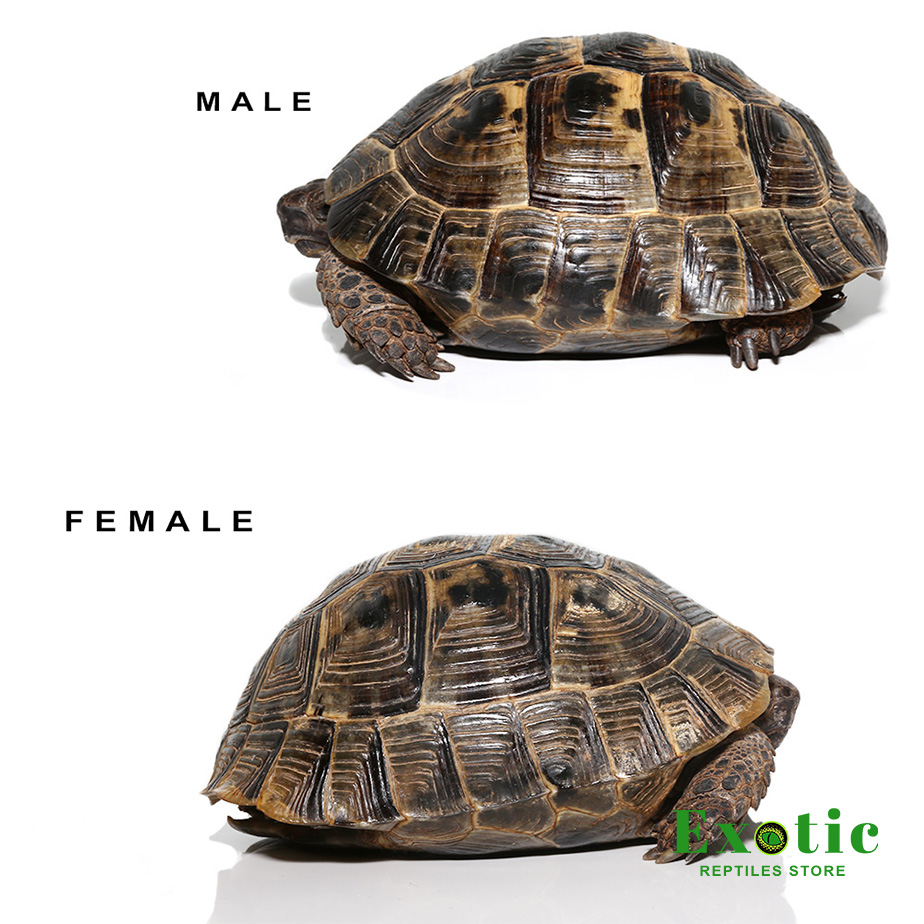
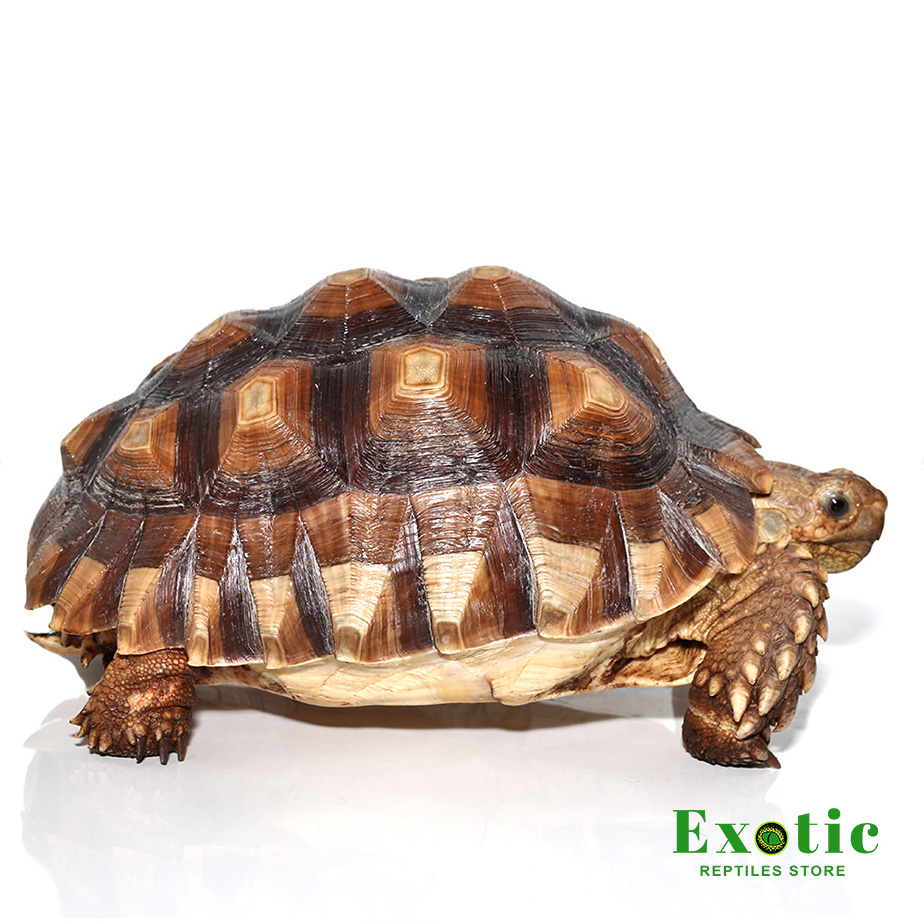
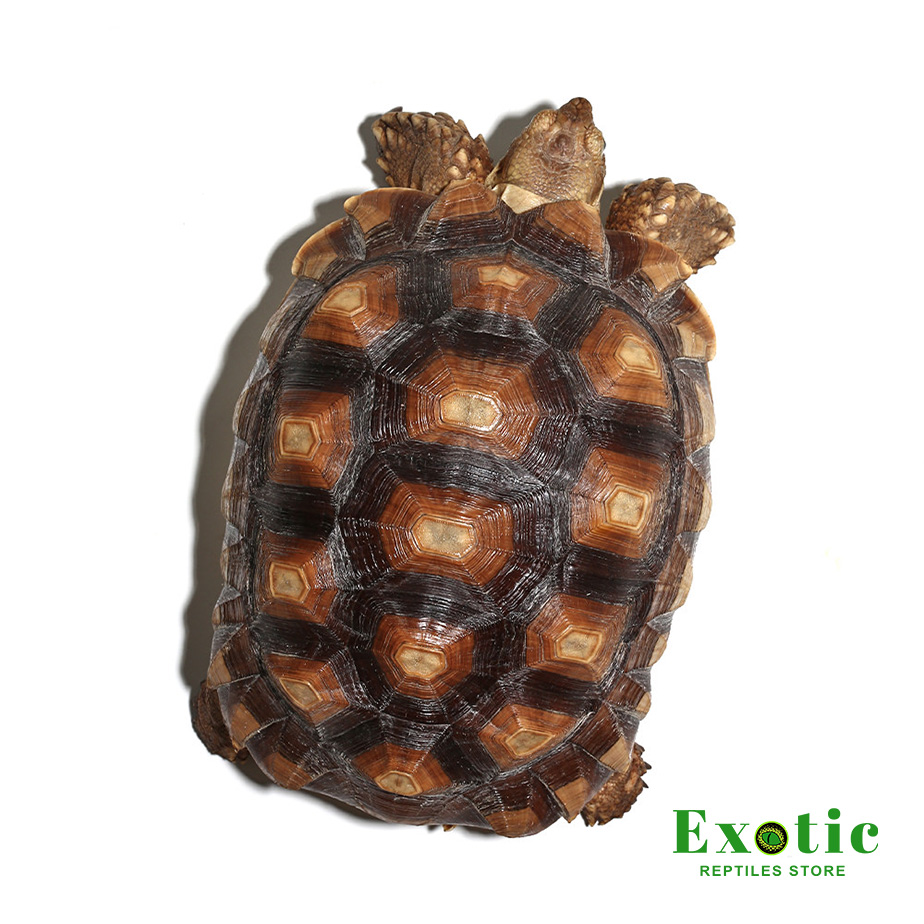
Explore tortoises for sale at Exotics & Aquatics and discover listings for land-dwelling reptiles with specialized dietary, environmental and long-term care requirements. Tortoises are known for their distinctive shells, deliberate movement and impressive longevity. However, responsible ownership requires much more than a suitable enclosure and a supply of greens. Depending on the species, a tortoise may need extensive space, carefully controlled temperatures, appropriate UVB lighting, a species-specific diet and protection from unsuitable weather.
Choosing the right tortoise means considering its confirmed identity, expected adult size, lifespan and environmental requirements before making a purchase. Some species can be accommodated in carefully designed indoor habitats, while others need secure outdoor space or a combination of indoor and outdoor housing. Your climate, available land, budget and access to veterinary care all influence which species may be suitable.
Review each individual product page for current availability and the animal-specific details explicitly provided. Do not assume an animal’s age, sex, health status, captive-bred status, locality or feeding history unless the listing confirms that information.
How to Choose the Right Tortoise
Tortoises belong to a diverse group of reptiles with substantially different care requirements. A species that thrives in a warm, dry environment may have very different needs from one adapted to more humid conditions. Adult size, activity patterns, diet and seasonal behavior also vary.
Before selecting a tortoise, research its exact species and scientific name whenever possible. Common names can be used inconsistently, so confirmed identification is important when choosing an enclosure, planning nutrition and checking legal requirements.
Consider these factors before purchasing:
-
Adult size: Some tortoises remain relatively small, while others grow into large, powerful animals that require extensive housing and secure boundaries.
-
Lifespan: Many tortoises can live for decades. Consider whether you can provide suitable care throughout the animal’s life.
-
Climate compatibility: Determine whether your local climate can support the species outdoors, whether indoor housing is necessary, or whether both arrangements are required.
-
Dietary requirements: Many tortoises are herbivorous, but suitable plants, feeding proportions and nutritional needs differ by species.
-
Heating and lighting: Appropriate temperatures, access to suitable basking conditions and UVB exposure are important for many commonly kept tortoises.
-
Space and security: Consider the room available for an enclosure, outdoor exercise, shelter and protection from predators.
-
Ongoing expenses: Budget for food, heating, lighting, enclosure maintenance, equipment replacement and veterinary care.
-
Legal considerations: Check applicable ownership, sale, transport and wildlife regulations before ordering.
Do not assume a smaller tortoise will necessarily be easier to keep. Even small species may have specialized environmental requirements or long-term care needs that demand careful preparation.
Tortoise Habitat and Enclosure Planning
A suitable habitat should provide enough space for normal movement, secure boundaries, appropriate shelter and environmental conditions matched to the species. Because tortoises may live for many years, it is important to design an enclosure around the animal’s expected adult requirements rather than its initial size.
Prepare the habitat before the tortoise arrives and test the equipment to confirm that temperatures, lighting and other environmental conditions are appropriate.
Indoor and Outdoor Housing
Whether a tortoise should live indoors, outdoors or in a combination of both depends on its species, age, health, climate and seasonal requirements.
Indoor habitats can provide greater control over temperature and lighting, but they must still offer sufficient usable space and appropriate environmental variation. Outdoor enclosures can provide natural sunlight and room to move when conditions are suitable, but they require careful planning for weather, security and shelter.
Before setting up a habitat, establish whether your local temperatures and seasonal conditions are compatible with the species. Do not assume that a tortoise adapted to warm conditions can safely remain outdoors during cold weather, or that a species associated with dry habitats can tolerate prolonged dampness.
A well-planned enclosure should provide:
-
Sufficient floor space for normal movement and exploration.
-
Secure boundaries appropriate to the animal’s size and behavior.
-
Suitable shaded areas and sheltered retreats.
-
Safe access to food and clean drinking water.
-
Appropriate heating and lighting where required.
-
Stable furnishings that cannot collapse or cause injury.
-
Protection from local predators and extreme weather.
-
Practical access for routine cleaning and observation.
Outdoor enclosures should be designed to prevent both climbing and digging escapes where relevant. Check gates, perimeter barriers and ground-level gaps regularly. Provide weather-appropriate shelter and never leave the animal exposed to conditions outside its species-specific tolerance.
Temperature, Heating and UVB Lighting
Temperature management is a central part of tortoise husbandry. Many species need access to different temperature zones so they can move between warmer and cooler areas as needed. Exact temperatures and daily schedules vary, so use current guidance for the confirmed species rather than generic reptile settings.
Reliable thermometers help you check the conditions within the enclosure. Position measuring equipment where it reflects the temperatures the tortoise actually experiences, including relevant basking and cooler areas.
Many tortoises also require suitable UVB lighting to support normal calcium metabolism and healthy shell and bone development. UVB requirements depend on the species, lamp type, distance, exposure schedule and any material between the lamp and the animal. Visible light alone should not automatically be considered an adequate replacement for suitable UVB provision.
Follow the lighting manufacturer’s instructions and current species-specific husbandry guidance. Ensure heat sources are positioned safely and cannot burn the animal or ignite nearby materials. Test the complete setup before introducing the tortoise.
Substrate, Shelter and Humidity
Substrate and humidity requirements depend on the tortoise’s natural habitat and life stage. Some species need relatively dry conditions, while others require greater humidity or access to appropriately moist microhabitats. A universal substrate or humidity setting is not suitable for every tortoise.
Choose a substrate that supports the species’ needs and allows you to maintain appropriate cleanliness. Avoid materials that present an unnecessary risk of ingestion, entrapment or injury.
Provide secure hiding areas and shelter that allow the tortoise to retreat from excessive heat, bright light or disturbance. For outdoor habitats, ensure shelters remain suitable during changing weather conditions.
Monitor humidity where relevant and maintain appropriate ventilation. Keep the habitat away from smoke, aerosols, strong fumes and household cleaning chemicals.
Feeding and Nutrition for Tortoises
Many commonly kept tortoises are herbivorous, but their nutritional requirements are not identical. The correct balance of grasses, leafy plants, weeds, vegetables and other foods depends on the species. Some tortoises have specialized feeding needs, so a diet suitable for one species may be inappropriate for another.
Before purchasing, research a species-specific feeding plan and identify reliable sources of suitable food. Where possible, learn which foods the animal is accustomed to eating, but do not assume its feeding history unless the listing explicitly confirms it.
Building a Suitable Diet
Depending on the species, an appropriate diet may include selected leafy greens, safe weeds, grasses or other plant material. The balance of these foods should be based on the animal’s natural dietary needs and current husbandry recommendations.
Keep these principles in mind:
-
Confirm that each plant or food item is safe for the exact species.
-
Use a varied diet where appropriate rather than relying on one food.
-
Avoid assuming that fruit is suitable as a regular food for every tortoise.
-
Do not feed high-protein foods unless they are appropriate for the species.
-
Monitor appetite, growth and body condition over time.
-
Remove spoiled or uneaten food promptly.
-
Provide access to clean drinking water.
-
Research calcium and other supplementation requirements before use.
Calcium and vitamin supplementation may be important for some tortoises, but the correct product and frequency depend on the animal’s diet, lighting, life stage and species. Avoid guessing at doses or copying a supplement routine intended for a different reptile.
A tortoise that persistently refuses food, loses weight, shows unusual growth or develops other concerning changes should be assessed by a qualified exotic-animal veterinarian.
Daily Care, Observation and Veterinary Support
Tortoises need consistent care even when they appear relatively inactive. Daily observation can help you recognize changes in appetite, movement, behavior and general condition before problems become more serious.
Establish a practical routine that includes:
-
Checking temperatures and other relevant environmental readings.
-
Confirming that water is clean and accessible.
-
Providing appropriate food and removing leftovers.
-
Inspecting the enclosure for hazards or damage.
-
Maintaining clean shelter, feeding areas and substrate.
-
Monitoring activity, appetite and body condition.
-
Checking for changes in the shell, skin, eyes or breathing.
-
Recording observations that may help identify gradual changes.
Avoid unnecessary handling. Tortoises may become stressed when repeatedly picked up, and larger individuals can be surprisingly strong. If handling is necessary for maintenance or veterinary care, use calm, species-appropriate techniques that support the animal safely.
Identify an exotic-animal veterinarian with tortoise experience before bringing your pet home. Ask about routine examinations and appropriate preventive care for the confirmed species.
Persistent appetite changes, injuries, abnormal breathing, unusual discharge, shell abnormalities, marked lethargy or other worrying signs should be discussed with a qualified veterinarian. Online information can support general research but cannot replace a veterinary assessment.
Long-Term Tortoise Ownership
One of the most important considerations when buying a tortoise is its potential longevity. Some tortoises live for decades, and their needs can change considerably as they grow. A suitable juvenile habitat may eventually need to be replaced with a much larger enclosure, while food requirements and seasonal management may also change.
Before purchasing, consider whether you can provide:
-
Appropriate adult housing for the expected lifespan.
-
Reliable heating and lighting where necessary.
-
Suitable food throughout the year.
-
Protection from extreme temperatures and predators.
-
Regular enclosure maintenance and equipment replacement.
-
Access to qualified veterinary care.
-
A safe long-term arrangement if your circumstances change.
Large tortoises may require substantial outdoor space, reinforced barriers and specialized shelter. Some species also have specific legal protections or restrictions. Confirm these requirements before making a purchase.
Never release a pet tortoise into the wild. Releasing a non-native animal can harm local ecosystems, spread disease and put the animal at risk. If you can no longer provide care, contact a reputable reptile rescue, responsible rehoming organization or appropriate animal authority.
What to Check Before Buying Tortoises Online
Purchasing a tortoise online requires careful research and preparation. Use the following checklist before placing an order.
-
Read the complete product listing. Confirm the stated identity and review all animal-specific details that are provided.
-
Ask about missing information. Do not infer age, sex, origin, health or feeding history from photographs alone.
-
Research adult requirements. Confirm the expected adult size, enclosure needs, diet, lighting and temperature requirements.
-
Evaluate your climate and available space. Determine whether you can provide suitable indoor or outdoor housing throughout the year.
-
Check applicable laws. Review rules covering ownership, sale, transport and any permits or wildlife restrictions.
-
Confirm availability and delivery arrangements. Ask about the current listing, shipping or collection options, timing and preparations needed for arrival.
-
Prepare the enclosure in advance. Install and test lighting, heating and other equipment before bringing the animal home.
-
Locate veterinary support. Identify a qualified exotic-animal veterinarian and budget for routine and unexpected care.
-
Review the store’s policies. Read the current purchase and shipping policies and retain relevant order communications.
-
Plan for long-term care. Make sure your housing, budget and daily routine can support the animal as it grows and ages.
Animal availability and individual details can change. Use the current product listing and contact Exotics & Aquatics for clarification about information relevant to your purchase.
Related Animal Categories
Explore other collections at Exotics & Aquatics to compare different reptile groups and their care requirements.
-
Turtles: Explore aquatic and semi-aquatic reptiles that require specialized water quality, filtration and basking arrangements.
-
Lizards: Discover a diverse group of reptiles with varied habitat, dietary and temperature requirements.
-
Uromastyx: Learn about a group of lizards with specialized environmental and dietary needs that differ from those of tortoises.
Related categories can help you compare animal groups, but their care requirements are not interchangeable. Research the confirmed species before deciding which animal is appropriate for your experience and facilities.
Frequently Asked Questions About Tortoises
How do I choose the right tortoise?
Research the exact species, expected adult size, lifespan, diet, temperature requirements, lighting needs and housing requirements. Consider your available space, climate, budget and ability to provide care for many years. A smaller species is not automatically easier to keep.
Can tortoises live outdoors?
Some species can live outdoors in suitable climates and properly designed enclosures, while others require indoor housing or a combination of indoor and outdoor arrangements. Local temperatures, seasonal weather, shelter, predator protection and the animal’s species all matter.
Do tortoises need UVB lighting?
Many commonly kept tortoises need suitable UVB exposure as part of appropriate husbandry. Exact requirements depend on the species and the lighting arrangement. Research the confirmed species and follow current guidance for lamp selection, positioning and replacement.
What do tortoises eat?
Many tortoises eat plant-based diets, but the correct foods and proportions vary by species. Some need particular combinations of grasses, leafy greens, weeds or other plant material. Research safe foods and nutritional requirements rather than feeding an unverified generic diet.
How long do tortoises live?
Lifespan varies considerably by species and individual. Many tortoises live for decades, making them a substantial long-term commitment. Research the expected lifespan of the exact species before purchasing.
Are all tortoises listed on the website available?
Availability can change. Check the current product listing and contact Exotics & Aquatics if you need confirmation before placing an order.
Should I set up the habitat before my tortoise arrives?
Yes. Prepare the enclosure in advance, test the heating and lighting, confirm that the habitat provides suitable shelter and space, and ensure food and cleaning supplies are ready.
Do I need to check local laws before purchasing?
Yes. Ownership, sale and transport rules can vary by species and location. Certain tortoises may be subject to specific restrictions or permit requirements. Confirm the rules that apply before completing your purchase.
Where can I get tortoise care advice?
Use current, reputable husbandry resources specific to the confirmed species and consult a qualified exotic-animal veterinarian for health concerns. Advice for one tortoise species should not automatically be applied to another.
Contact Exotics & Aquatics
Exotics & Aquatics encourages careful research and informed animal ownership. Review each tortoise listing, confirm the details important to your decision and prepare an appropriate habitat before purchasing. Responsible ownership means planning for the animal’s adult size, environmental needs and long-term welfare.
Exotics & Aquatics
-
Website: https://www.exoticsandaquatics.com/
-
Address: 6447 Williamson Rd, Roanoke, VA 24019
-
Email: sales@exoticsandaquatics.com
Care information is general and should be checked against current, species-specific guidance. Product availability and animal-specific details are determined by each live listing. Follow applicable wildlife and animal-ownership laws, and seek qualified veterinary advice for health concerns.