
What Do Bearded Dragons Eat? A Species-Specific Feeding Guide requires more than a quick checklist. This guide to what do bearded dragons eat covers the main decisions to research, how to prepare, and what to monitor over time. Requirements vary by species and individual animal; verify details with current specialist husbandry references and a qualified exotic-animal veterinarian when needed.
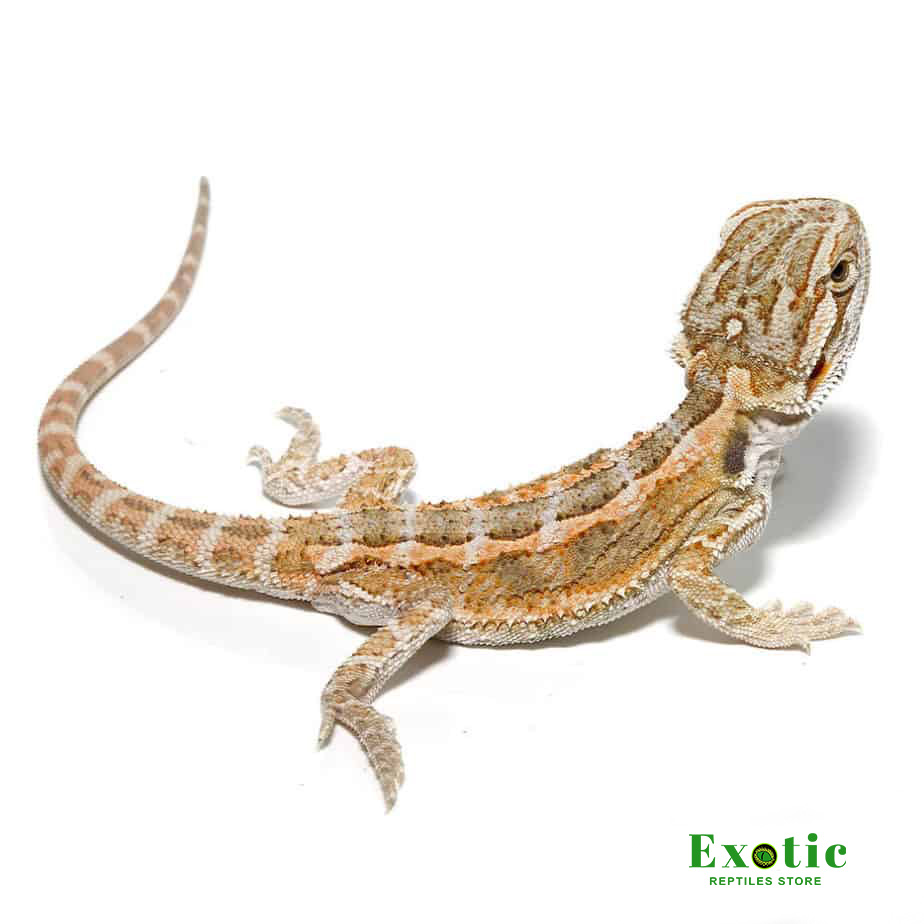
Identify the animal and its life stage
Confirm the species and use a care plan that accounts for growth. Food types, feeding frequency and supplement decisions can vary with age, body condition and veterinary guidance. Avoid applying a schedule found online without checking that it matches the individual animal and a reliable current reference.
Build the diet around reliable guidance
Use a varied, appropriate diet and learn which foods are suitable, how they should be prepared, and which items should be limited or avoided. Fresh water, safe food handling and enclosure hygiene matter. Do not use supplements or treat illness based only on an online article; ask an exotic-animal veterinarian when uncertain.
Observe and keep records
Note appetite, activity, stool, shedding and any changes in body condition. A simple dated feeding log helps identify patterns and gives a veterinarian useful context. If an animal repeatedly refuses food or shows other concerning changes, assess enclosure conditions and seek professional advice rather than repeatedly changing foods at random.
Check the whole habitat
Feeding and digestion are affected by the animal’s environment. Verify heating, basking conditions, UVB setup and access to cooler areas using suitable instruments and current species-specific guidance. Keep the enclosure secure, easy to clean and large enough for normal movement.
Preparation checklist
- Confirm species identification and use current species-specific care references.
- Prepare and measure the habitat before bringing the animal home.
- Plan a sustainable routine for food, cleaning, equipment checks and observation.
- Budget for adult housing, replacement equipment and veterinary care.
- Check applicable ownership and transport rules before purchasing.
Explore more
Browse bearded dragons listings and continue reading: beginner reptile buying guide · online reptile purchase checklist · reptile enclosure setup guide.
Frequently asked questions
Can I use one care routine for every reptile?
No. Environmental, feeding and handling needs differ by species and life stage. Confirm advice for the exact animal rather than relying on general rules.
What if my animal stops eating or acts differently?
Check your recorded environmental readings and seek advice from an exotic-animal veterinarian, particularly if changes persist or other symptoms appear.
Is this a substitute for veterinary advice?
No. This is educational guidance. A qualified veterinarian can assess an individual animal and advise on its health and husbandry.