
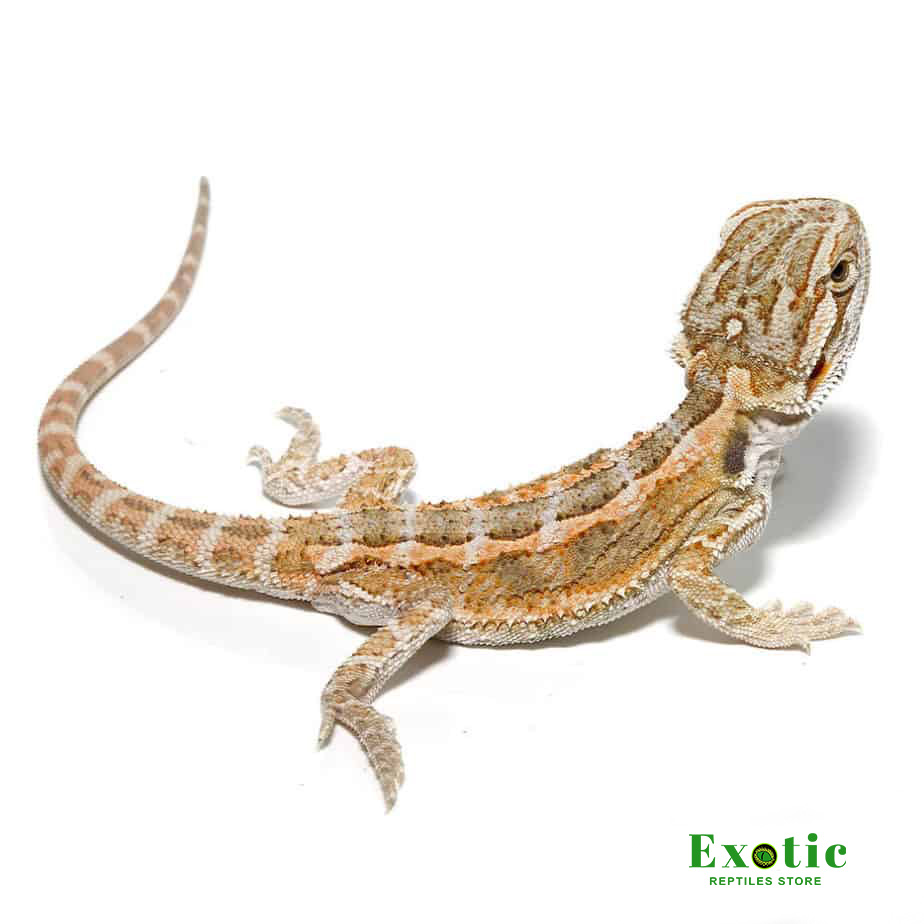
Good reptile feeding safety involves more than offering the right food. Storage, feeder handling, equipment hygiene, prey size and observation all matter. Needs vary by species and life stage, so use a feeding plan designed for the exact animal. This guide from Exotics & Aquatics provides general hygiene practices and is not a substitute for veterinary or species-specific nutrition advice.
Start with a species-appropriate feeding plan
Identify the reptile accurately and research its normal diet, feeding frequency, portion size and any supplementation requirements. Some reptiles primarily eat insects, some consume plant matter, and others require appropriately sized prey animals or a more specialized diet. Do not copy another keeper’s routine without confirming that it applies to your species, age and body condition.
Source food carefully
Buy feeder insects and other food from a reliable supplier and check that the food is appropriate for the animal. Avoid collecting wild insects from areas that may have pesticides, fertilizers or other contaminants. Store food according to supplier directions and discard spoiled, moldy or contaminated items. For frozen prey, follow safe storage and thawing guidance; do not refreeze food that has been thawed unless authoritative instructions specifically permit it.
Handle feeder insects responsibly
Keep feeder insects in suitable, ventilated containers and provide appropriate food and moisture for their short-term care. Separate containers from food-preparation areas. Wash hands after handling feeders or their containers, and clean tools used for feeding. Do not leave escaped insects or uneaten feeders in the enclosure if they may stress, bite or injure the reptile.
Prey size, portions and feeding frequency
Prey size and feeding frequency should be based on the reptile’s species, age, body condition and current health. Oversized prey can cause injury or regurgitation, while inadequate portions can contribute to poor condition. Avoid feeding based only on whether the animal appears interested. Keep a record of meals, approximate portions and any unusual response so changes can be identified over time.
Safe preparation of frozen prey
Use a dedicated container and utensils for thawing prey. Follow supplier and veterinary guidance for safe thawing, and avoid leaving food at room temperature for extended periods. Never microwave prey in a way that creates hot spots or burns the animal. Check that prey is appropriately prepared and not excessively hot or cold before offering it. Dispose of uneaten prey promptly and clean the area afterward.
Prevent contamination
Keep feeding tongs, bowls and storage containers clean and reserved for animal care. Do not place reptile food on kitchen counters or near human food. Wash hands before and after handling the reptile, feeders, waste or enclosure equipment. If you keep several animals, avoid sharing utensils between enclosures without appropriate cleaning. Use a veterinarian’s quarantine recommendations when an animal is new or illness is suspected.
Supplements and nutrition
Some reptiles require carefully planned calcium, vitamins or other supplementation, but the product and schedule vary. Too little or too much supplementation can be harmful. Confirm what is appropriate for the species, life stage, diet and lighting setup with reliable specialist guidance or a qualified exotic-animal veterinarian. Do not assume a supplement can compensate for an unsuitable overall diet or poor husbandry.
Observe the animal during and after feeding
Record appetite and note changes in swallowing, movement, body condition, stool or normal activity. Do not repeatedly disturb an animal during its normal digestion period. Regurgitation, persistent refusal to eat, marked weight changes, difficulty swallowing or other concerning signs warrant review of husbandry and veterinary advice. A feeding issue can have several causes, and internet advice cannot diagnose the problem.
Children, pets and household hygiene
Keep feeder containers and reptile equipment away from children and other household pets. Supervise children around animals and require handwashing after contact with the reptile or its environment. Do not clean reptile equipment in sinks used for food preparation unless appropriate sanitation procedures are followed. Keep food storage secure to prevent escapes, pests and accidental contact.
Common feeding mistakes to avoid
- Using food that is too large or unsuitable for the species.
- Leaving uneaten prey or spoiled food in the habitat.
- Using wild-caught feeders from areas where contamination is possible.
- Guessing supplement amounts or combining products without guidance.
- Thawing or storing prey carelessly.
- Changing feeding routines repeatedly without recording results.
- Ignoring ongoing appetite changes or weight loss.
Frequently asked questions
Can I feed insects collected outdoors?
It is safer to use reliable feeder sources because wild insects may be exposed to pesticides, parasites or contaminants.
Should I handle a reptile immediately after feeding?
Follow species-specific guidance and avoid unnecessary disturbance during digestion, especially for species prone to regurgitation after stress or handling.
How do I know if supplements are needed?
Requirements depend on the species, diet, life stage and lighting. Confirm a suitable plan with reliable specialist sources or a qualified veterinarian.
When is feeding refusal a concern?
Some animals may occasionally refuse food, but persistent refusal, weight loss or other symptoms deserve prompt review and veterinary advice.
Related resources
See our guides to reptile feeding records, reptile quarantine and building a reptile care routine.
Contact Exotics & Aquatics
Exotics & Aquatics
Website: https://www.exoticsandaquatics.com/
Address: 6447 Williamson Rd, Roanoke, VA 24019
Email: sales@exoticsandaquatics.com
General educational information only. Confirm diet and feeding practices for the exact species and consult a qualified veterinarian about health concerns.