Milksnakes for Sale at Exotics & Aquatics
Explore milksnakes for sale at Exotics & Aquatics and discover listings for these distinctive colubrid snakes, known for their colorful patterns and variety across species and geographic forms. Milksnakes can appeal to reptile enthusiasts because of their striking appearance, manageable space requirements compared with many large constrictors, and fascinating natural behaviors. However, responsible ownership still requires careful species identification, appropriate enclosure conditions, a suitable feeding routine and long-term planning.
The term “milksnake” covers multiple species and forms, so not every animal has the same adult size, coloration, temperament or husbandry requirements. Choose based on confirmed identity and individual care needs rather than appearance alone.
Review each product listing for current availability and the details explicitly provided. Do not assume an animal’s age, sex, health status, captive-bred status, locality or feeding history unless the listing confirms that information.
How to Choose the Right Milksnake
Before purchasing a milksnake, research its exact species and scientific name whenever available. Some milksnakes have similar markings, while coloration can vary considerably between species and geographic forms. Photographs alone should not be treated as proof of an animal’s identity or origin.
When comparing listings, consider the following factors:
-
Species and identity: Confirm the stated species and research its specific adult requirements.
-
Adult size: Enclosure dimensions and feeding plans should accommodate the snake as it grows.
-
Temperament: Individual behavior varies, and young snakes may be more defensive or restless than expected.
-
Environmental requirements: Temperature, humidity, ventilation, substrate and hiding places should suit the identified species.
-
Feeding needs: Establish a reliable source of appropriately sized prey and understand the animal’s feeding requirements.
-
Lifespan and expenses: Plan for food, equipment, electricity, enclosure maintenance and veterinary care over the animal’s life.
-
Legal requirements: Check local and state rules governing possession, sale and transport, including any permits or restrictions.
Milksnakes are often considered by keepers seeking a smaller snake than many large constrictors, but suitability depends on the individual species and the keeper’s ability to provide consistent care.
Milksnake Habitat and Enclosure Requirements
A suitable milksnake enclosure should provide security, a suitable temperature gradient, multiple hiding places, clean water and enough room for normal movement. The enclosure should be designed around the snake’s confirmed species and expected adult size.
Set up the habitat before the animal arrives and operate the equipment long enough to verify that environmental conditions remain stable.
Enclosure Size and Security
Choose an enclosure that accommodates the snake’s adult length and allows it to explore, rest, thermoregulate and move naturally. A juvenile enclosure may need to be upgraded as the animal grows.
Milksnakes are capable of escaping through surprisingly small gaps. Use a secure enclosure with reliable doors, appropriate locks and openings that prevent escape without compromising ventilation.
Provide:
-
A snug hide on the warmer side of the enclosure.
-
Another suitable hide in a cooler area.
-
Clean water in a stable, accessible container.
-
Appropriate substrate for the species and enclosure conditions.
-
Secure furnishings that cannot collapse or trap the snake.
-
Enough usable space for movement and thermoregulation.
-
Safe access for routine cleaning and maintenance.
Inspect doors, ventilation openings and other potential escape points regularly. Furnishings should be arranged to provide cover without obstructing the snake’s movement or creating dangerous gaps.
Temperature and Humidity
Milksnake temperature and humidity requirements vary by species and, in some cases, by geographic form. Follow current, species-specific husbandry guidance rather than relying on one universal set of temperature or humidity values.
Provide an appropriate thermal gradient, allowing the snake to move between warmer and cooler areas. Use reliable thermometers to measure conditions where the animal actually spends time. Heating equipment should be installed safely and controlled to prevent overheating or burns.
Humidity should also be appropriate for the identified species. Monitor conditions with suitable equipment where needed, and balance moisture with adequate ventilation. Persistently unsuitable conditions can contribute to shedding difficulties and other health problems.
Before introducing the snake, test the enclosure at different times of day to confirm that it maintains suitable conditions. Make adjustments before the animal arrives rather than relying on guesswork after introduction.
Substrate, Hides and Water
Choose substrate according to the species, humidity requirements and ease of maintenance. It should support normal behavior while allowing waste to be removed and the enclosure to remain clean.
Provide multiple secure hiding places so the snake can feel sheltered in different temperature zones. Avoid overcrowding the enclosure with unstable decorations or furnishings that can injure the animal.
Keep fresh water available and replace it whenever it becomes dirty. Clean the water container regularly and maintain good hygiene throughout the enclosure.
Keep the habitat away from smoke, aerosols, strong fumes and household cleaning chemicals. When cleaning, use products appropriate for reptile enclosures and follow their instructions carefully.
Feeding and Nutrition for Milksnakes
Many commonly kept milksnakes eat rodents of an appropriate size, but feeding frequency and prey size depend on the snake’s species, age, body condition and individual needs.
Before purchasing, research the confirmed species’ feeding requirements and establish a reliable source of suitable prey. If feeding history is not included in the listing, ask the seller for clarification rather than assuming the snake accepts a particular prey type.
Responsible Feeding Practices
-
Choose prey that is appropriate for the snake’s size and condition.
-
Follow a feeding schedule suited to its age and species.
-
Monitor appetite and body condition over time.
-
Use safe prey-handling and storage practices.
-
Keep feeding tools clean and remove uneaten prey appropriately.
-
Record feeding dates and notable changes in appetite.
-
Avoid overfeeding and monitor unexplained weight changes.
Frozen-thawed prey is commonly used in captive snake care when the snake accepts it. Prepare prey safely and ensure it is appropriately thawed and warmed before offering it. Avoid leaving unattended live prey with a snake, as prey animals can cause injuries.
Do not assume that all milksnakes require an identical feeding schedule. Nutritional requirements and feeding frequency change with growth and body condition.
Persistent refusal to eat, unexplained weight loss, repeated regurgitation or other concerning changes should be discussed with a qualified exotic-animal veterinarian. Supplementation should not be added routinely without a clear species-specific reason or professional guidance.
Milksnake Behavior, Handling and Everyday Care
Milksnakes may be active, exploratory or secretive depending on the individual and environmental conditions. Some tolerate gentle handling after becoming accustomed to their surroundings, while others may remain defensive or prefer minimal interaction.
A newly acquired snake should be given time to settle into its enclosure. Avoid frequent handling during the initial adjustment period, particularly around feeding and shedding.
Safe Handling Practices
When handling is appropriate, move calmly and support the snake’s body without squeezing or restraining it unnecessarily. Avoid sudden movements, grabbing the snake by the tail or disturbing it when it is resting in a hide.
Keep these precautions in mind:
-
Learn to recognize signs of stress or defensive behavior.
-
Keep handling sessions appropriate to the individual.
-
Avoid unnecessary handling after feeding.
-
Supervise inexperienced handlers carefully.
-
Wash your hands after handling the snake or its enclosure.
-
Return the snake to its enclosure if it shows persistent signs of distress.
Even smaller snakes can bite when frightened or handled improperly. Handling should be guided by the animal’s behavior, not by assumptions based on its species or appearance.
Daily Observation and Maintenance
A consistent care routine helps you identify changes before they become more serious. Check the snake’s environment and observe its general condition regularly.
Routine care should include:
-
Checking temperature and humidity readings.
-
Confirming that heating equipment works safely.
-
Replacing dirty water.
-
Removing waste and maintaining enclosure cleanliness.
-
Monitoring feeding, shedding and body condition.
-
Checking locks, doors and ventilation openings.
-
Recording unusual changes in activity or behavior.
Identify an exotic-animal veterinarian who treats snakes before bringing a milksnake home. Injuries, unusual breathing, persistent appetite changes, abnormal discharge, repeated shedding difficulties or marked lethargy should be assessed by a qualified veterinarian. Online information cannot replace a veterinary examination.
Understanding Milksnake Species and Color Variations
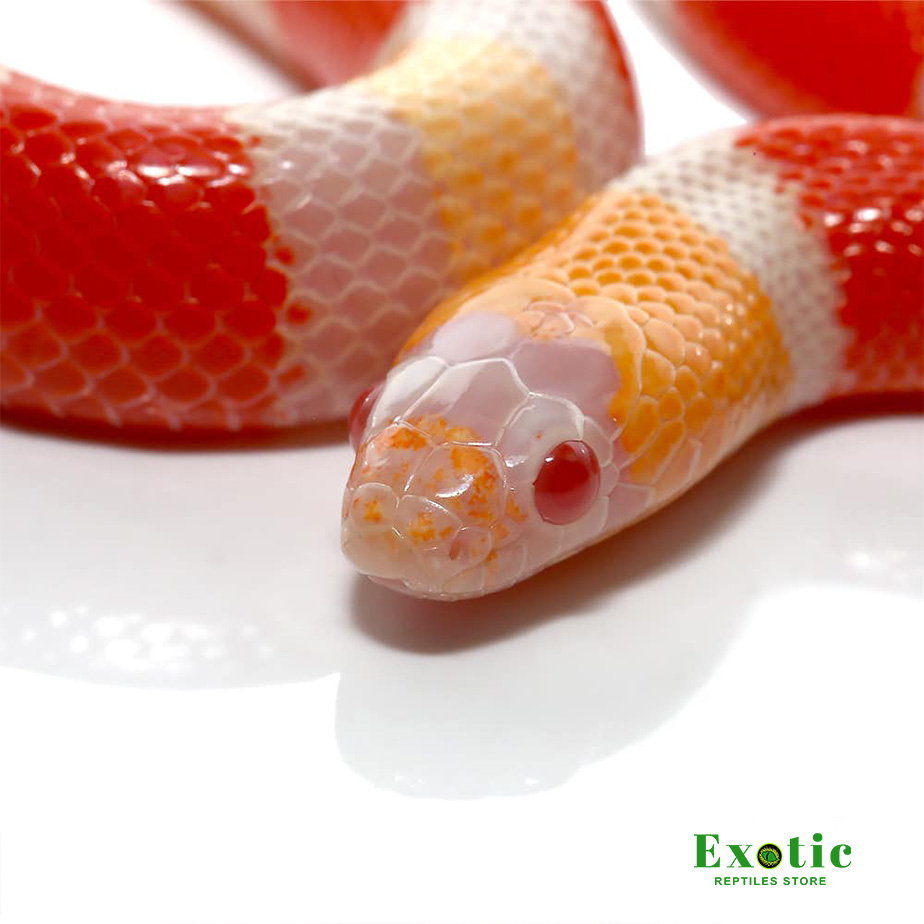
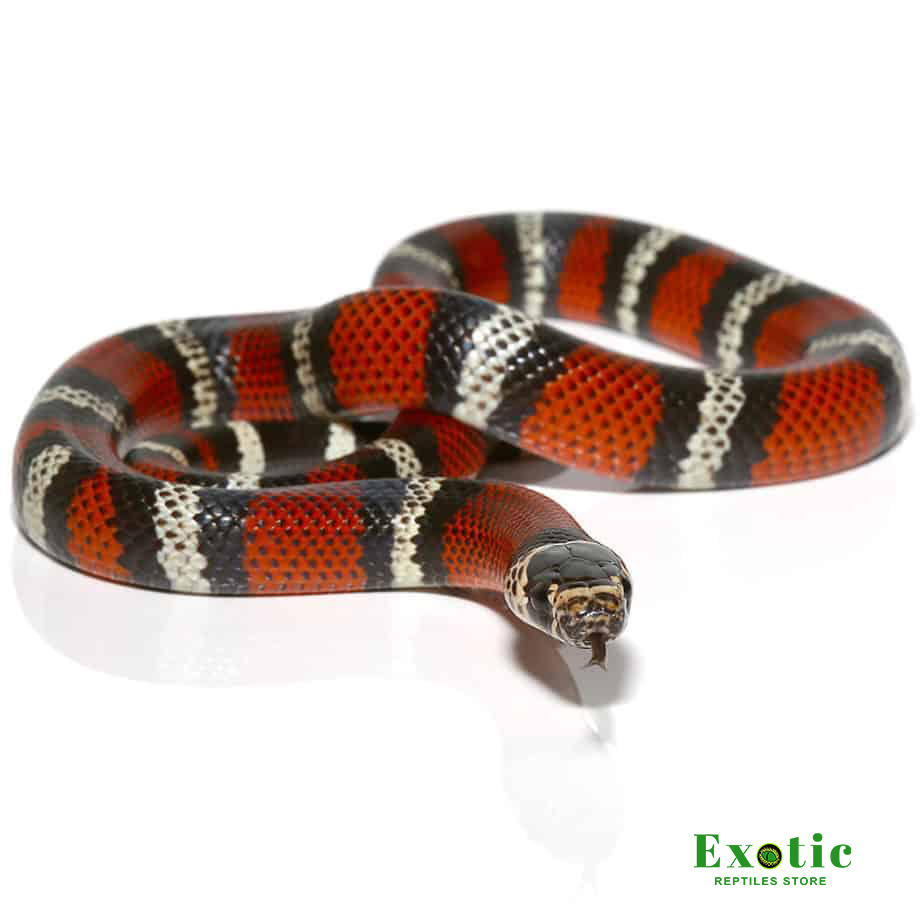
One reason milksnakes attract reptile enthusiasts is their diversity of coloration and pattern. Different species and geographic forms may display combinations of red, black, white, cream, orange or other colors. Captive-bred color variations may also be offered in some markets.
However, coloration alone is not a reliable way to determine species, locality, genetic background or captive-bred status. Similar patterns may occur in different animals, and appearance can change as a snake matures.
When reviewing a listing, focus on the information explicitly confirmed by the seller. If the exact species, locality or morph is important to your decision, ask for clarification and supporting details rather than relying exclusively on photographs.
Research the identified animal’s adult size, environmental needs and feeding requirements before purchasing. A striking appearance should never replace careful evaluation of the snake’s long-term care needs.
What to Check Before Buying Milksnakes Online
Purchasing a live snake online requires careful preparation and clear communication. Use this checklist before placing an order.
-
Read the complete product listing. Confirm the stated identity and review all available animal-specific information.
-
Ask about missing details. Do not infer age, sex, origin, health or feeding history from photographs alone.
-
Research adult requirements. Confirm expected size, temperature, humidity, enclosure and feeding needs.
-
Prepare the enclosure. Install and test heating, monitoring equipment, hides and secure locks before arrival.
-
Confirm current availability. Listings can change, so verify availability with Exotics & Aquatics if needed.
-
Review shipping or collection arrangements. Confirm timing, available methods and what you must prepare.
-
Check applicable laws. Verify rules covering possession, sale and transport in your location.
-
Arrange veterinary support. Identify a qualified exotic-animal veterinarian before purchasing.
-
Review store policies. Read the current purchase and shipping policies and retain order-related communications.
-
Plan for long-term care. Budget for food, equipment, maintenance and veterinary expenses.
A secure, prepared habitat and a clear understanding of the animal’s requirements help make the transition into a new home more manageable.
Related Snake Categories
Explore related collections at Exotics & Aquatics to compare different snake groups and their care requirements.
-
Snakes: Browse the broader snake collection and compare different species and sizes.
-
Kingsnakes: Explore another group of colubrid snakes with varied patterns and species-specific requirements.
-
Cornsnakes & Ratsnakes: Research related colubrids with their own adult sizes, environmental needs and feeding considerations.
These groups may share some general husbandry principles, but their exact requirements differ. Always research the confirmed species before choosing an enclosure or feeding routine.
Frequently Asked Questions About Milksnakes
Are milksnakes suitable for beginners?
Some milksnake species may be suitable for keepers who are prepared to provide secure housing, consistent environmental conditions and appropriate feeding. Suitability depends on the exact species, the individual animal and the keeper’s experience. Research its requirements before deciding.
How big do milksnakes get?
Adult size varies by species and individual. Some remain relatively small, while others grow considerably longer. Confirm the species and research its expected adult size before selecting an enclosure.
What do milksnakes eat?
Many milksnakes eat appropriately sized rodents. Prey size and feeding frequency depend on the snake’s age, body condition and species. Establish a suitable feeding routine using reliable husbandry guidance.
What kind of enclosure does a milksnake need?
A milksnake needs a secure enclosure with an appropriate temperature gradient, suitable hides, clean water, appropriate substrate and enough space for normal movement. Exact dimensions and environmental settings should be based on the confirmed species.
Are all milksnakes the same color?
No. Coloration and patterns vary between species, geographic forms and individual snakes. Appearance alone does not reliably confirm species identity, origin or genetic background.
Are all milksnakes listed on the website available?
Availability can change. Review the current product listing and contact Exotics & Aquatics if you need confirmation before placing an order.
Should I prepare the enclosure before my snake arrives?
Yes. Set up the enclosure, test the heating and monitoring equipment, confirm appropriate conditions and prepare water, food and cleaning supplies in advance.
Where can I get milksnake care advice?
Use reliable, current husbandry resources for the confirmed species and consult a qualified exotic-animal veterinarian for health concerns. Care requirements can differ even among closely related snakes.
Contact Exotics & Aquatics
Exotics & Aquatics encourages careful research and informed reptile ownership. Review each milksnake listing, confirm the details important to your decision and prepare a secure, species-appropriate habitat before purchasing.
Exotics & Aquatics
-
Website: https://www.exoticsandaquatics.com/
-
Address: 6447 Williamson Rd, Roanoke, VA 24019
-
Email: sales@exoticsandaquatics.com
Care information is general and should be checked against current, species-specific guidance. Product availability and animal-specific details are determined by each live listing. Follow applicable wildlife and animal-ownership laws, and seek qualified veterinary advice for health concerns.