Hognose Snakes for Sale at Exotics & Aquatics
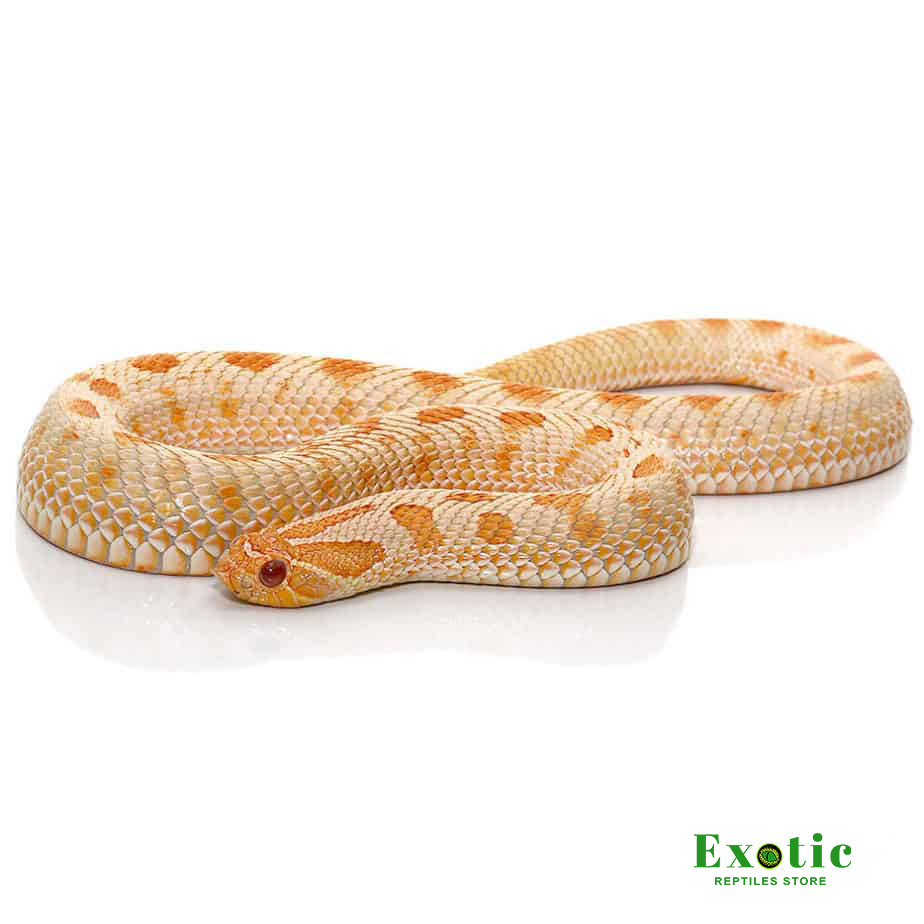
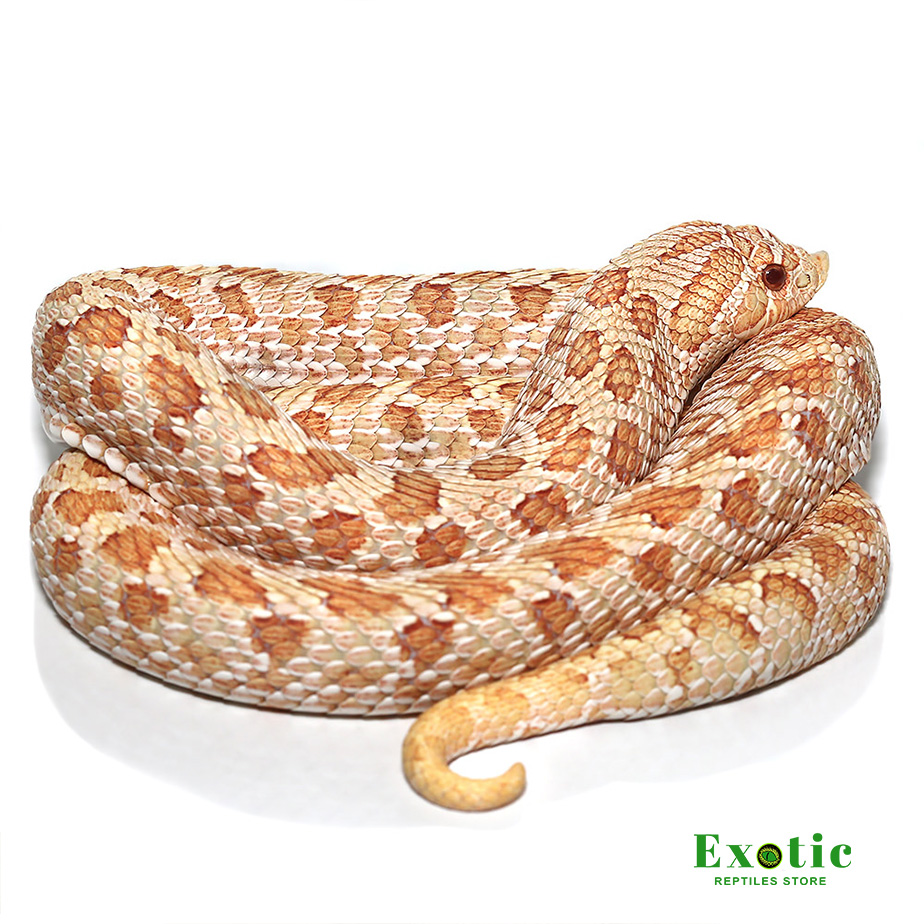
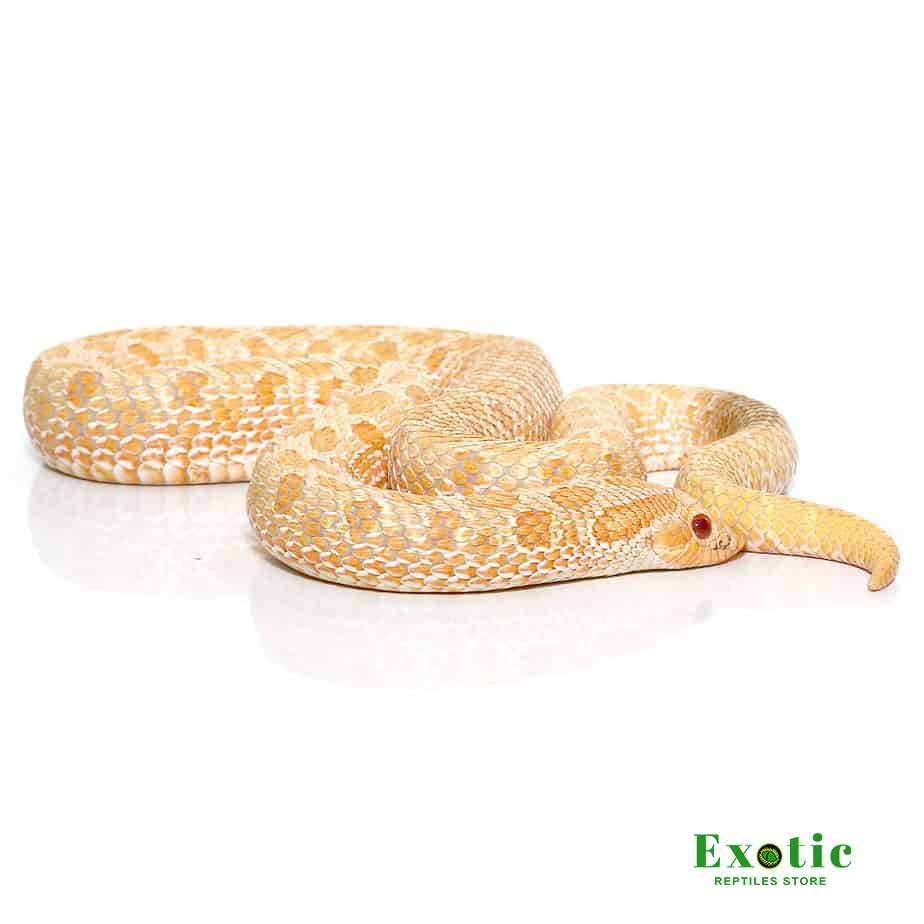
Explore hognose snakes for sale at Exotics & Aquatics, where you can review listings for snakes known for their distinctive appearance, burrowing behavior, and sometimes unusual defensive displays. Hognose snakes belong to a group with different species, habitat preferences, adult sizes, and feeding considerations. Choosing the right animal requires more than selecting a color or pattern; it means understanding the needs of the specific species and preparing to meet them throughout its life.
Review each individual product page for confirmed details and current availability. Do not assume an animal’s age, sex, health status, captive-bred status, locality, or feeding history unless the listing explicitly confirms that information.
How to Choose the Right Hognose Snake
Before purchasing a hognose snake, research its exact species and scientific name where available. The common name “hognose” is used for multiple snakes, and care requirements can differ substantially between species.
Consider these important factors:
-
Species identification: Confirm the species named in the listing and research its natural habitat, adult requirements, and behavior.
-
Adult size: Understand the animal’s expected adult length and body size so you can prepare an appropriate enclosure.
-
Feeding considerations: Some hognose snakes can be particular about food, so investigate the feeding needs of the species and plan for potential feeding challenges.
-
Behavior and handling: Learn about burrowing, defensive displays, activity patterns, and suitable handling practices.
-
Lifespan and ongoing costs: Budget for food, heating equipment, substrate, enclosure maintenance, and veterinary care over the long term.
-
Legal requirements: Check local and state rules concerning ownership, sale, transport, and any permits or restrictions that may apply.
Some hognose species have venom-related considerations, and the legal or medical implications can vary by species and location. Confirm the exact identity of the animal and understand the relevant requirements before deciding whether it is appropriate for your experience.
A suitable choice is one whose care needs, behavior, and long-term requirements match your resources and experience—not simply the smallest or most visually striking animal.
Hognose Snake Habitat and Enclosure Planning
A properly prepared habitat supports natural behavior and helps you monitor the snake’s health. Set up the enclosure before arrival and test its environmental equipment to confirm that conditions remain stable.
Secure enclosure and suitable space
Choose an enclosure that accommodates the identified species and its expected adult size. Check doors, ventilation openings, cable passages, and other potential escape points. Use secure closures and inspect them regularly.
The enclosure should provide sufficient usable floor space, safe furnishings, and opportunities for the snake to move, explore, and retreat. Avoid overcrowding the habitat with decorations or equipment that obstruct movement or make routine cleaning difficult.
Substrate and burrowing opportunities
Many hognose snakes use substrate to burrow, making substrate selection an important part of habitat planning. Choose a suitable material and depth based on the species’ requirements, moisture needs, and enclosure design.
The substrate should allow appropriate natural behavior without creating avoidable risks. Avoid materials that are contaminated, excessively dusty, or unsuitable for the animal. Keep the enclosure clean and monitor conditions to prevent problems associated with inappropriate moisture or waste accumulation.
Temperature and humidity
Provide a carefully measured thermal gradient that allows the snake to access appropriate warmer and cooler areas. Exact temperatures and humidity requirements depend on the species, so follow reliable, current husbandry guidance for the confirmed animal.
Use suitable thermometers and hygrometers where appropriate, and measure conditions in the areas the snake actually uses. Heating equipment should be installed safely and regulated to reduce the risk of overheating or burns.
Do not rely on generic settings simply because another hognose species has similar coloring or appearance. Species-specific research is essential.
Hides, water, and environmental safety
Provide suitable hides or other secure retreats so the snake can shelter from view. Furnishings should be stable and positioned to avoid collapse, entrapment, or injury.
Keep clean drinking water available and replace it regularly. Place the enclosure away from smoke, aerosols, strong fumes, and household cleaning chemicals. Check environmental readings and enclosure security as part of your routine care.
Feeding and Nutrition for Hognose Snakes
Feeding requirements vary among hognose species and individual animals. Some may be reluctant to feed under certain circumstances, making it particularly important to establish a realistic feeding plan before purchase.
Plan for species-appropriate nutrition
Research suitable prey types, prey sizes, and feeding intervals for the exact species and animal. Do not assume all hognose snakes have identical dietary needs or that a feeding schedule for another snake will be appropriate.
Before ordering, make sure suitable food is available and that you understand the costs and practical requirements of maintaining a consistent feeding routine.
Managing feeding difficulties
Environmental conditions, stress, shedding, health problems, and other factors may affect appetite. If a snake refuses food, review its husbandry carefully and seek qualified veterinary advice when the problem persists or is accompanied by other concerning signs.
Do not force-feed, use improvised remedies, or make significant dietary changes without appropriate professional guidance. Record feeding dates, food offered, acceptance or refusal, shedding, and changes in body condition. These records can help a qualified veterinarian assess the situation.
Food hygiene and monitoring
Store food safely and maintain clean feeding equipment. Remove uneaten food when appropriate and clean the enclosure as needed. Supplementation should not be added automatically; its suitability depends on the animal’s actual nutritional requirements and professional guidance.
Behavior, Handling, and Daily Care
Hognose snakes are known for behaviors that may include burrowing, defensive hissing, flattening the neck, or other threat displays. Some individuals may also roll over and appear to play dead when distressed. These behaviors vary, and a defensive display should not be interpreted as an invitation to handle the animal.
Allow a newly arrived snake time to settle into its enclosure. Minimize unnecessary disturbance during acclimation and establish a suitable feeding and observation routine.
Responsible handling
Learn the handling recommendations for the specific species before attempting direct contact. Use calm movements and avoid unnecessary restraint. Do not handle a snake when it is showing pronounced distress or when handling would interfere with appropriate post-feeding care.
Because some hognose species have venom-related considerations, do not assume that every animal can be treated like a harmless, nonvenomous pet. Confirm the species, research the associated risks, and follow applicable legal and professional guidance.
Wash your hands after handling reptiles or cleaning their enclosures, and supervise any necessary interactions carefully.
Establish a consistent care routine
Daily and regular checks should include:
-
Checking temperature and humidity readings where appropriate.
-
Replacing drinking water and cleaning the water dish.
-
Inspecting the enclosure for waste, spills, and damaged furnishings.
-
Monitoring appetite, movement, shedding, and body condition.
-
Checking that doors and other escape-prevention features remain secure.
-
Recording changes in feeding, behavior, or environmental conditions.
Identify an exotic-animal veterinarian with relevant reptile experience before bringing the animal home. Persistent appetite changes, unusual breathing, injuries, marked lethargy, or other concerning signs warrant professional assessment. Online care information is not a substitute for veterinary diagnosis.
Hognose Snake Colors, Patterns, and Identification
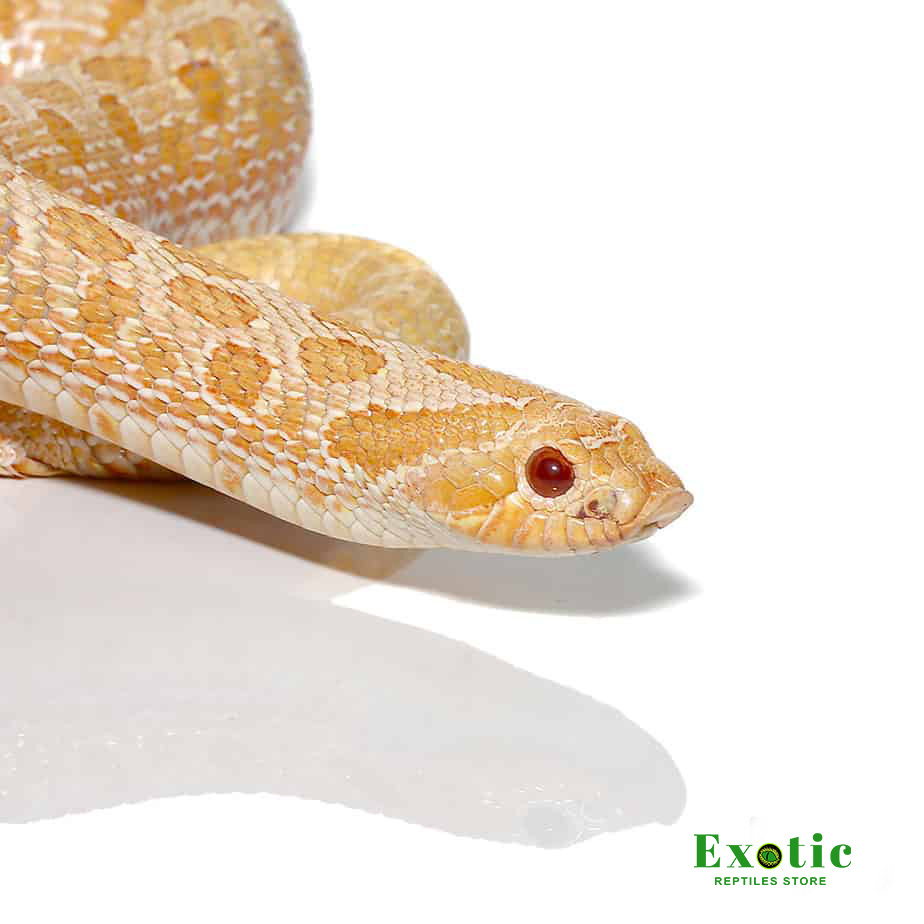
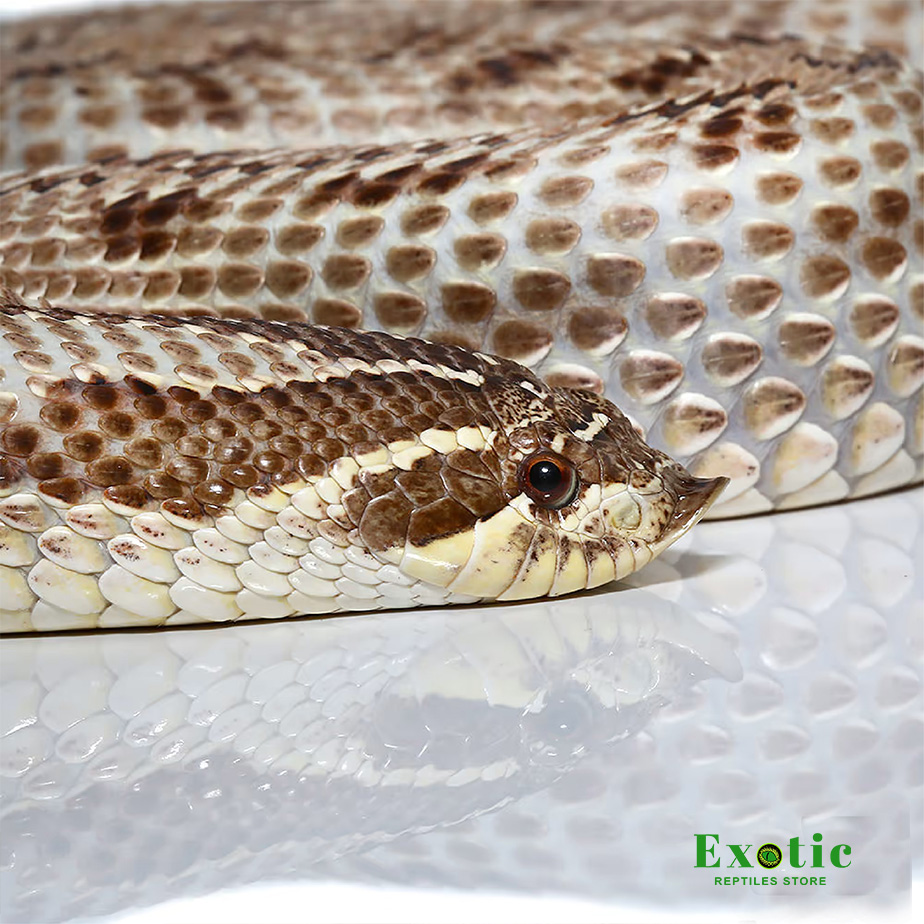
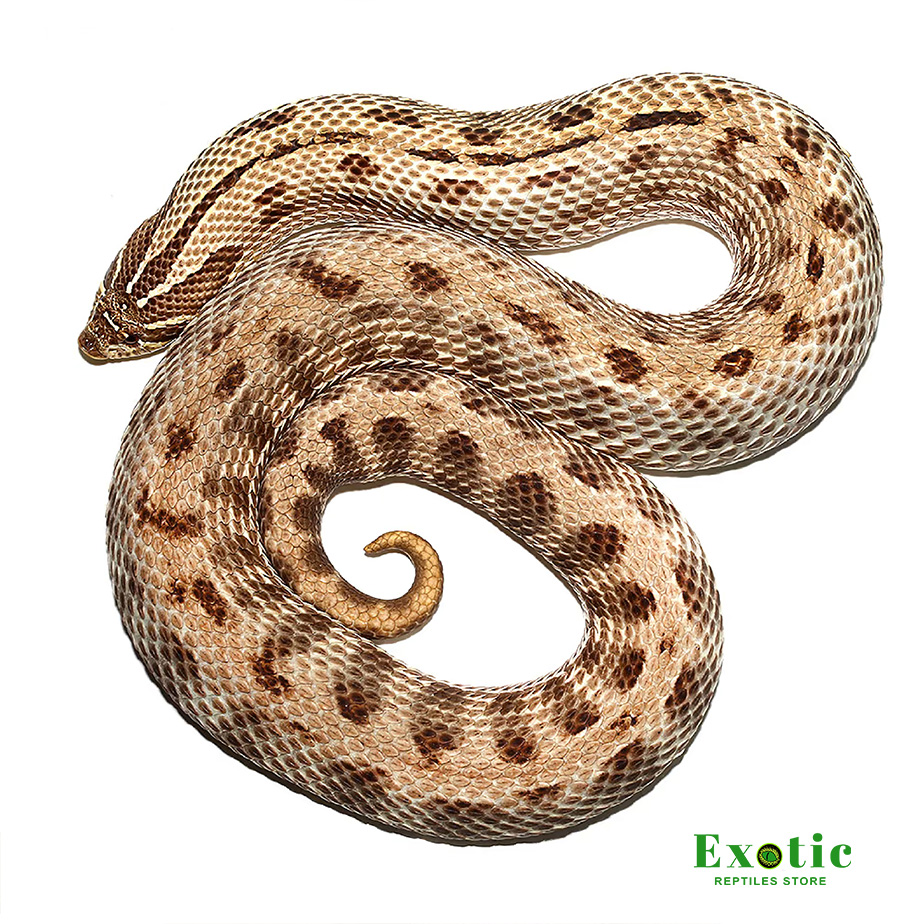
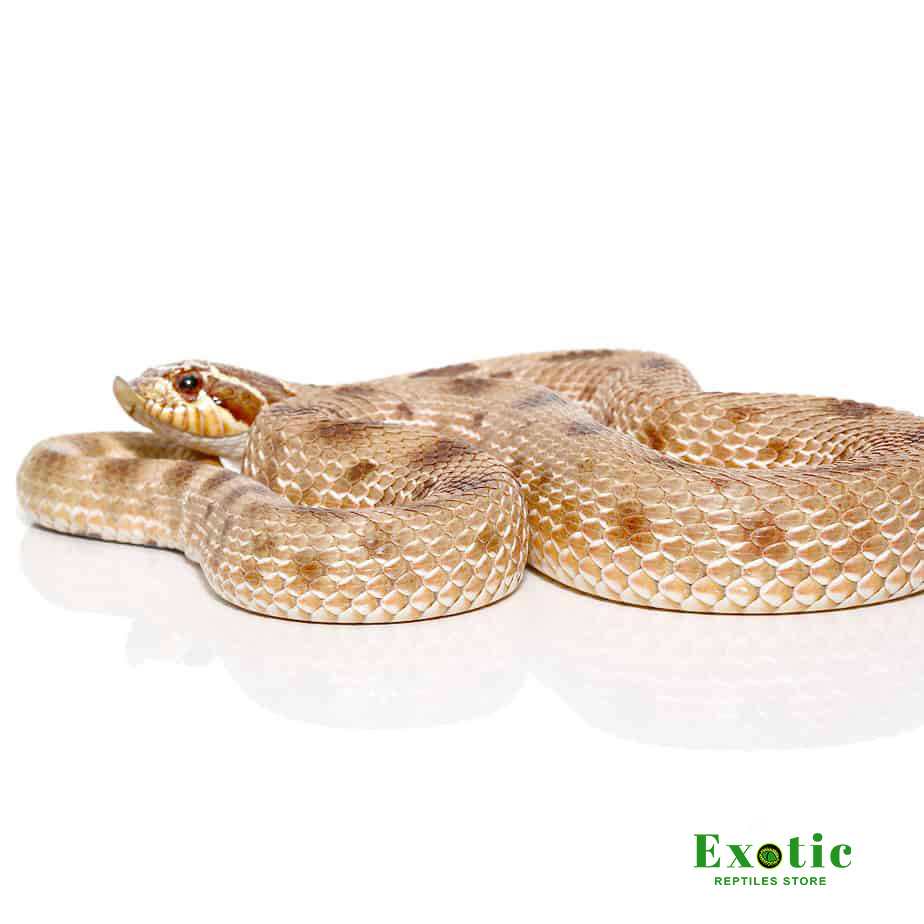
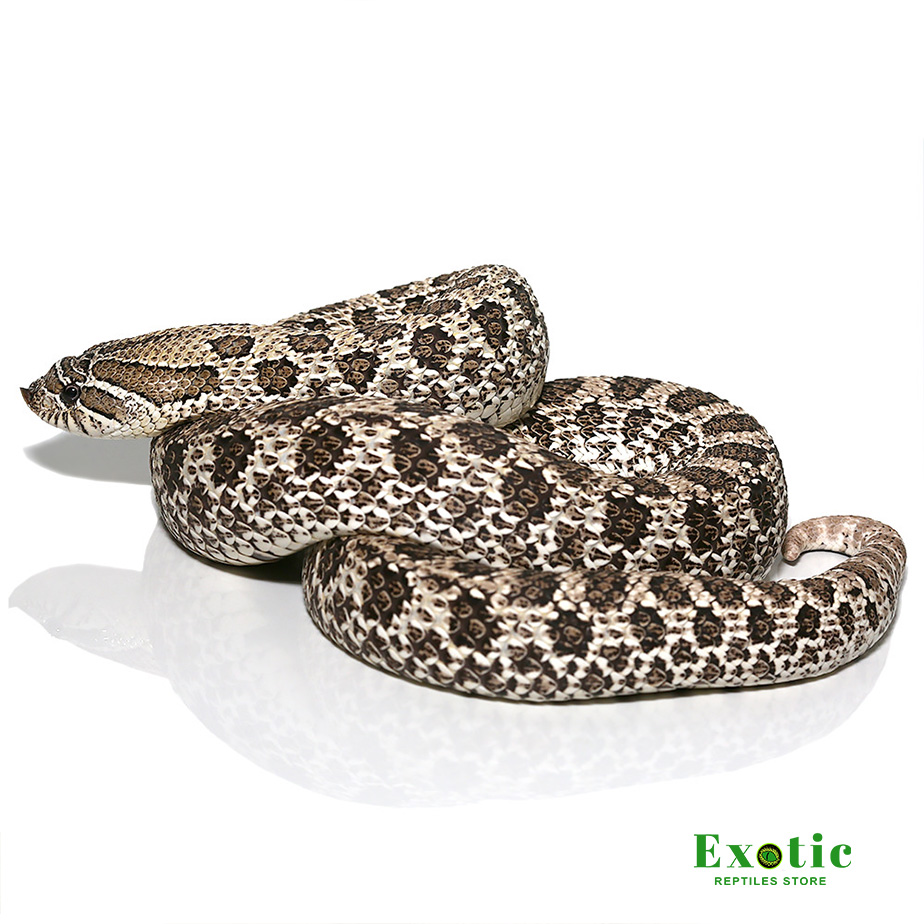
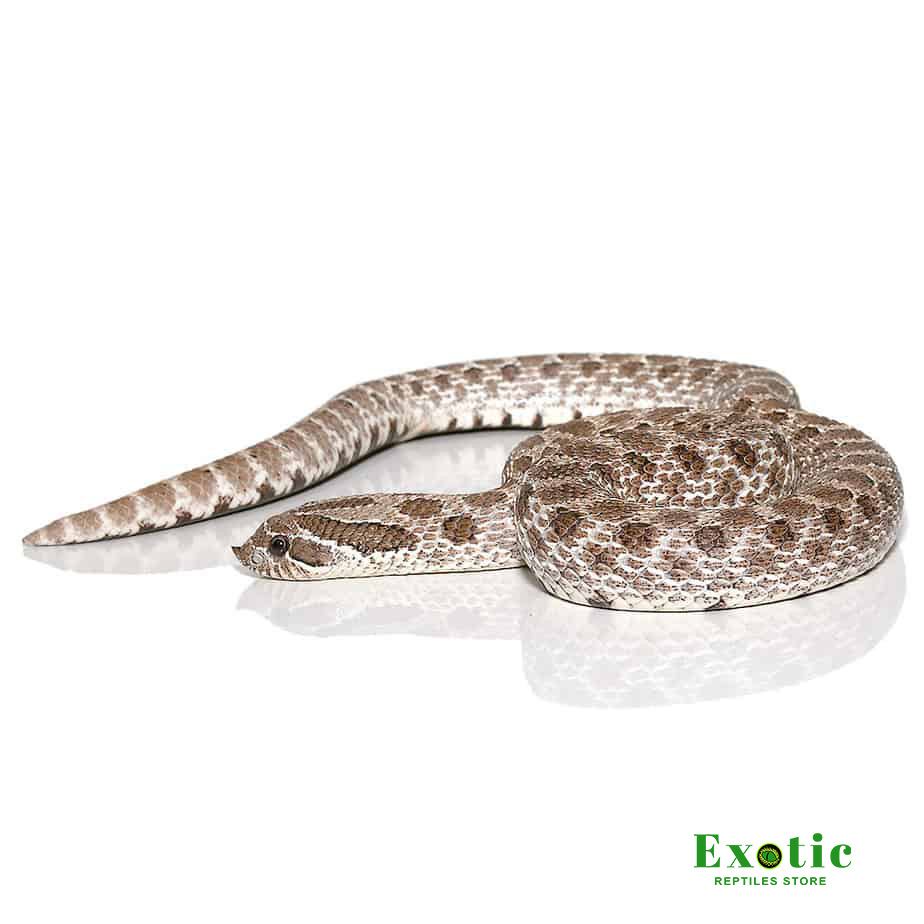
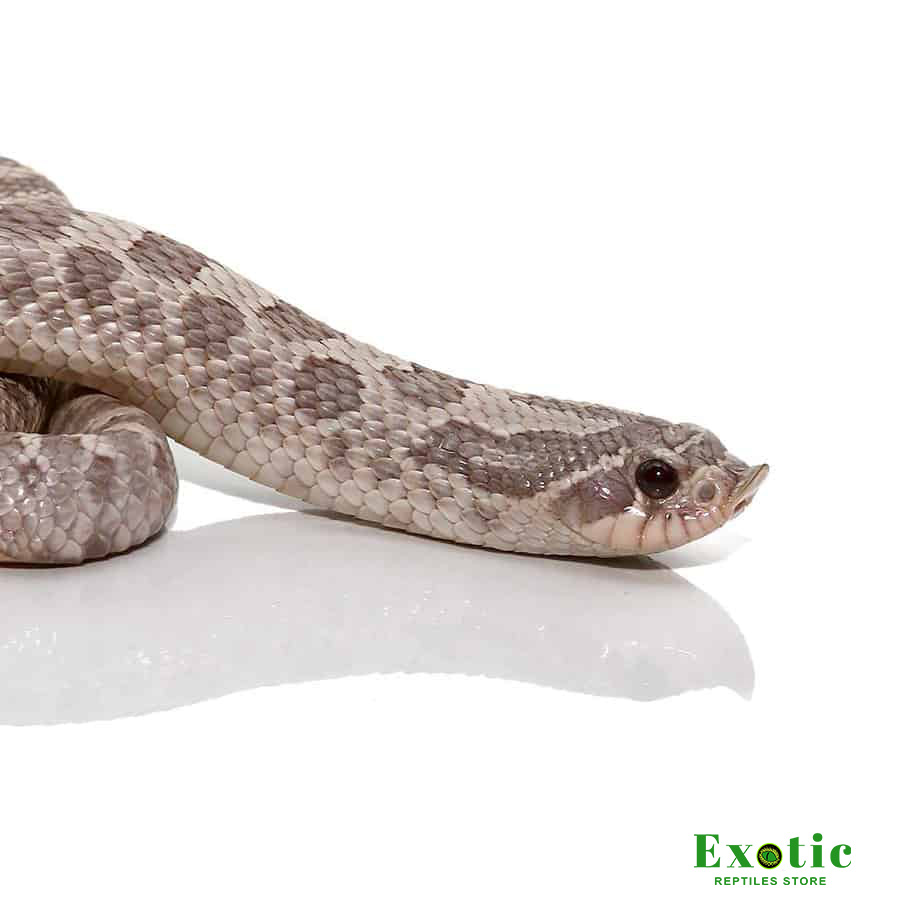
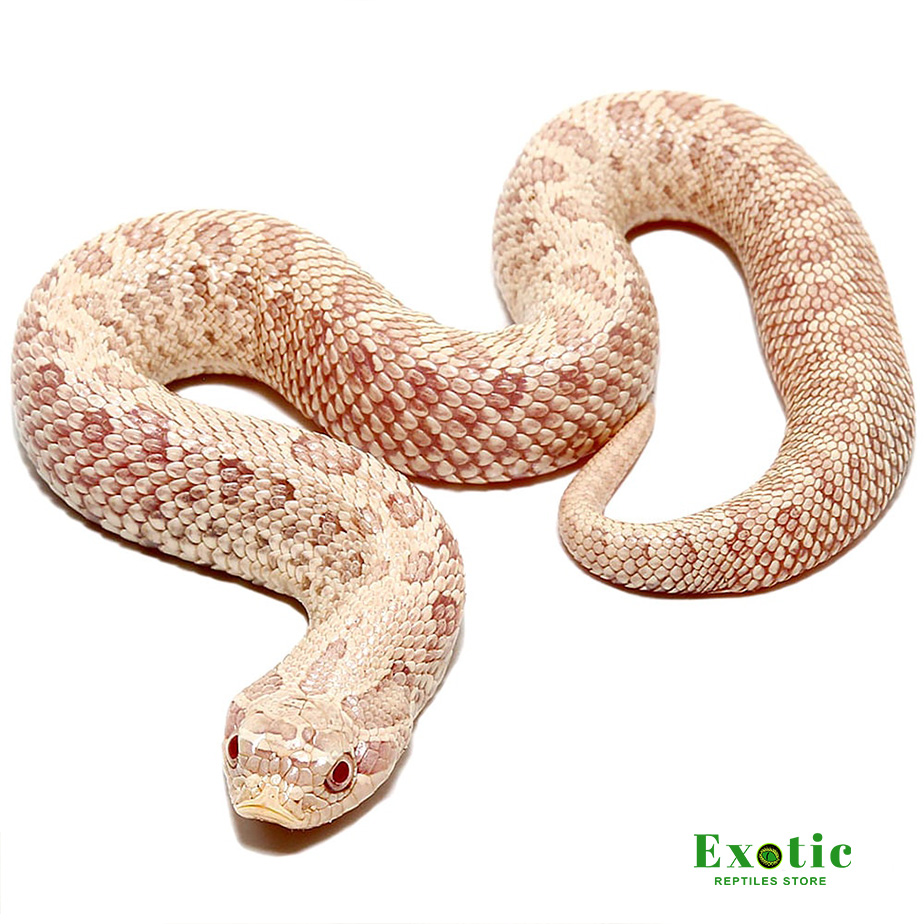
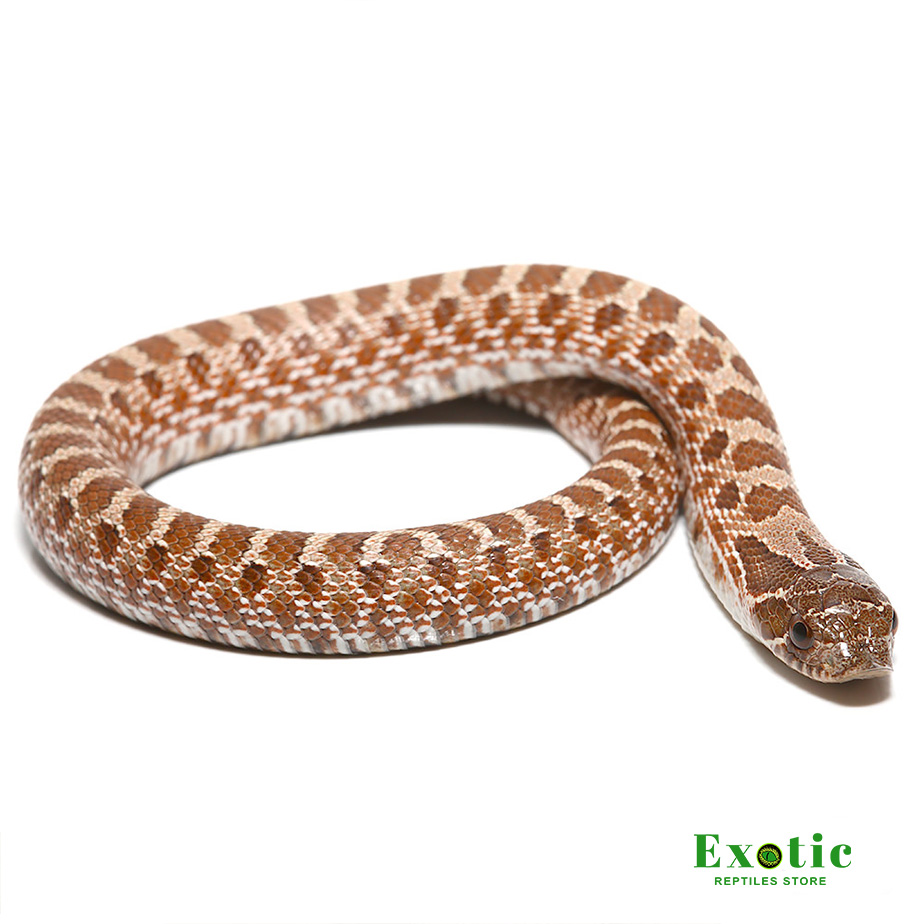
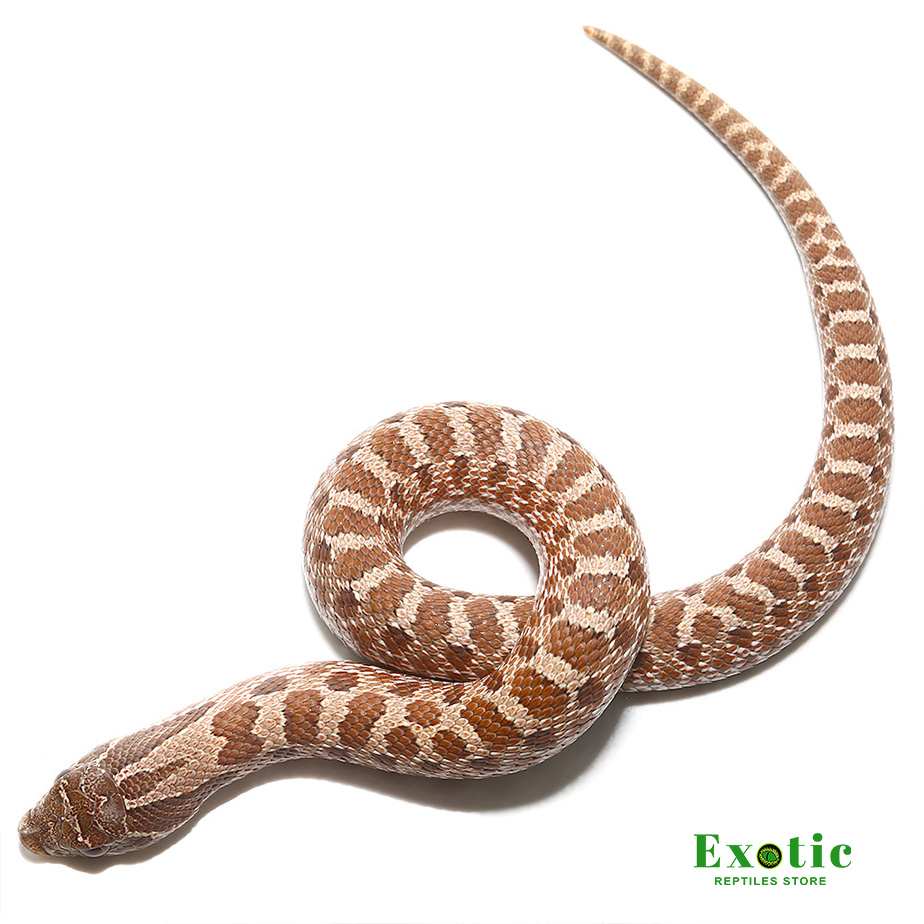
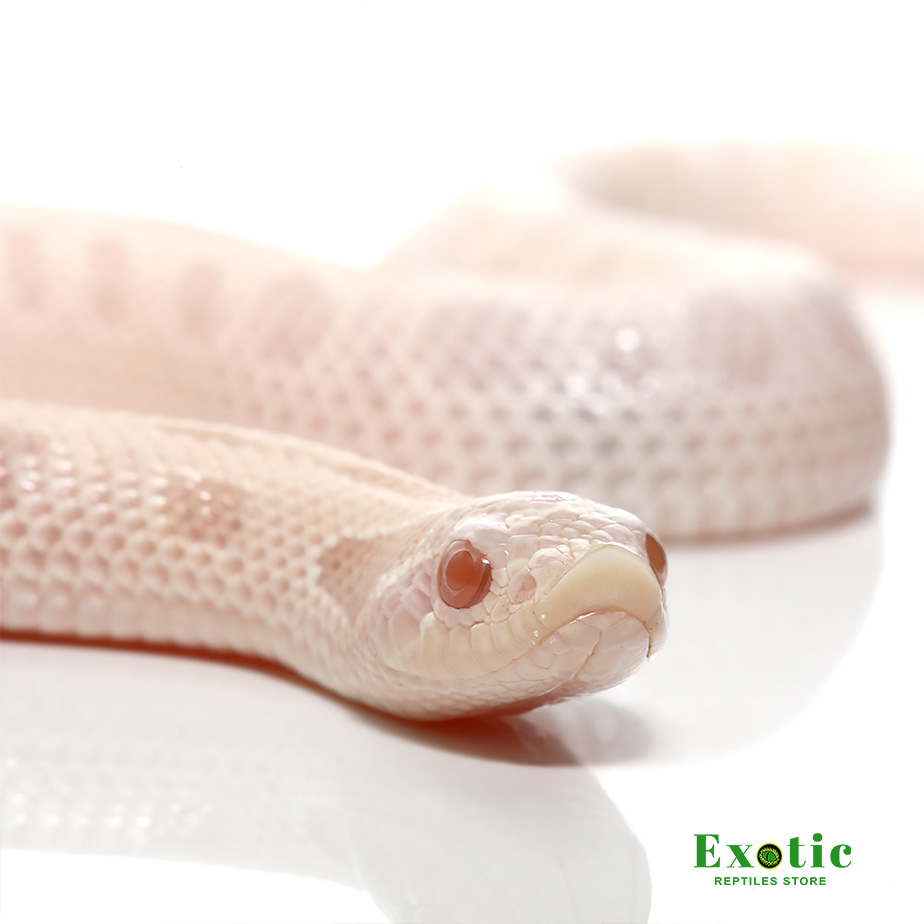
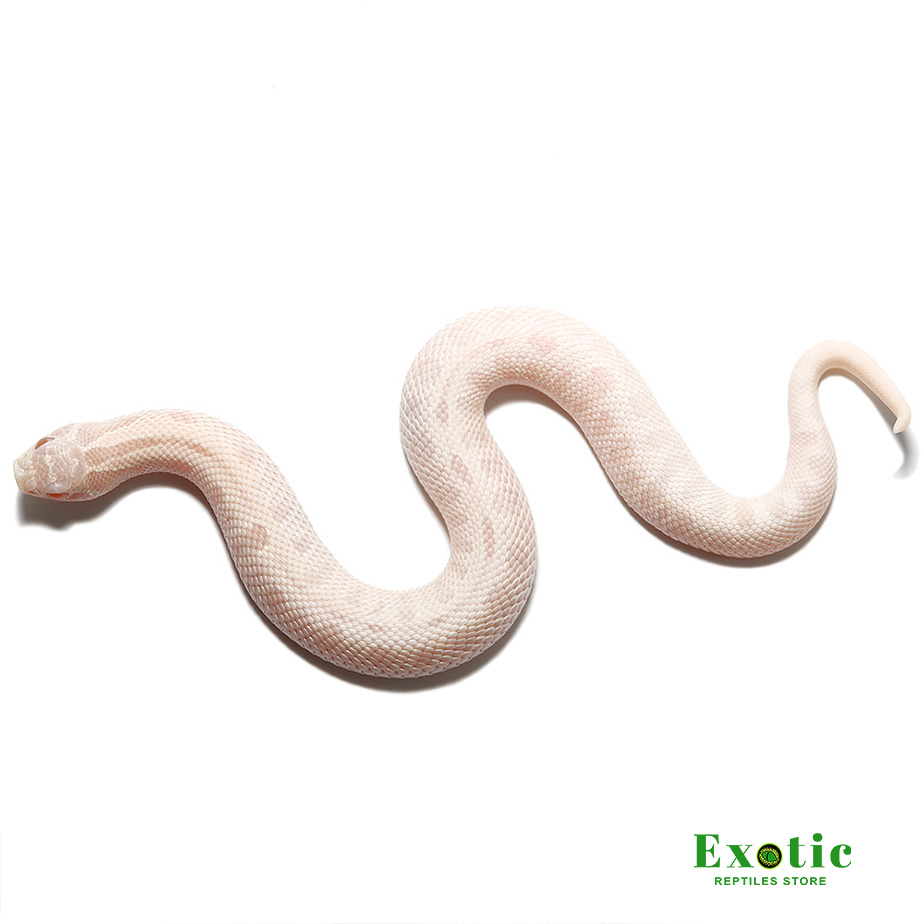
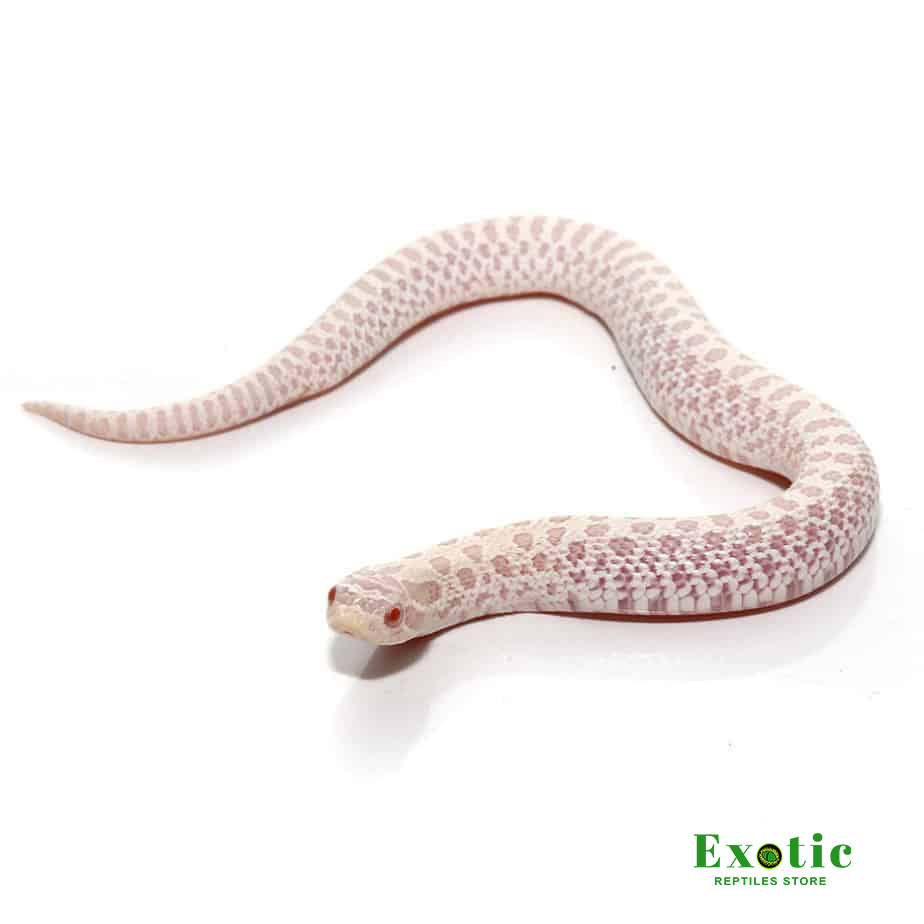
Hognose snakes can display a range of colors and patterns, depending on their species and the individual animal. Their distinctive upturned snouts also contribute to their recognizable appearance.
However, visual characteristics alone do not establish an animal’s species, locality, genetics, sex, health, or feeding history. If a listing includes a particular morph or locality designation, review the stated details and ask for clarification when information important to your decision is missing.
When comparing available animals, prioritize confirmed identification, husbandry requirements, and suitability for your experience over appearance alone.
What to Check Before Buying a Hognose Snake Online
Purchasing a live reptile requires preparation before the order is placed. Read the complete listing and confirm that the animal’s requirements are compatible with your setup and experience.
Use this checklist before making a decision:
-
Confirm the species. Review the listed identification and research its specific care requirements, adult size, and behavior.
-
Clarify missing information. Ask about essential details not provided in the listing. Do not infer age, sex, health, origin, captive-bred status, or feeding history from photographs.
-
Verify availability. Product availability can change, so check the current listing and contact the store if you need confirmation.
-
Understand delivery arrangements. Confirm shipping or collection options, timing, and any preparations required before arrival.
-
Review store policies. Read the current purchase and shipping policies and retain order-related communications.
-
Check legal and safety requirements. Verify applicable possession, sale, and transport rules, including any restrictions relevant to species with venom-related considerations.
-
Prepare the habitat. Set up and test the secure enclosure, heating equipment, substrate, hides, and water arrangements before the animal arrives.
-
Arrange veterinary support. Identify a qualified reptile veterinarian and plan for routine and unexpected care.
-
Budget for long-term ownership. Account for food, substrate, energy costs, replacement equipment, maintenance, and veterinary expenses.
Taking these steps helps you make an informed purchase and prepare for the responsibilities of keeping a hognose snake.
Related Animal Categories
Explore other snake collections at Exotics & Aquatics to compare different groups and learn how their care requirements differ.
-
Snakes for Sale: Browse the broader collection of snake listings.
-
Ball Pythons for Sale: Explore another popular group of pet snakes with distinct habitat and feeding requirements.
-
Cornsnakes & Ratsnakes: Compare other colubrid snakes and research their species-specific care needs.
Check each category and individual product page for current availability and confirmed animal details.
Frequently Asked Questions About Hognose Snakes
Are hognose snakes suitable for beginners?
Suitability depends on the species, the individual animal, and the keeper’s preparation. Feeding challenges, environmental requirements, behavior, and any species-specific safety or legal considerations should be understood before purchase. Research the exact animal and seek advice from an experienced reptile professional if you are unsure.
How large do hognose snakes grow?
Adult size varies by species and individual. Research the expected adult dimensions of the snake identified in the listing and prepare an enclosure that accommodates its needs throughout its life.
What do hognose snakes eat?
Diet depends on the species, size, and individual circumstances. Research the appropriate prey and feeding schedule for the specific animal rather than applying a routine intended for a different snake. If feeding problems persist, consult a qualified reptile veterinarian.
Do hognose snakes burrow?
Many hognose snakes use substrate for burrowing, although behavior and habitat needs vary. Research the identified species and provide suitable substrate and enclosure furnishings that support natural behavior safely.
Are hognose snakes venomous?
Some hognose species possess rear fangs and venom that can have effects on humans, although the significance varies by species and individual circumstances. Do not assume all hognose snakes have identical risk profiles. Confirm the animal’s identity, understand the relevant safety considerations, and check local laws before acquiring one.
Why might a hognose snake refuse food?
Feeding refusal can have several causes, including environmental conditions, stress, shedding, or illness. Review the animal’s husbandry and feeding records, and seek veterinary advice if refusal persists or other concerning signs appear. Do not force-feed or use unverified remedies without professional direction.
Are all animals in this category available?
Availability can change. Review the current product listing and contact Exotics & Aquatics if you need confirmation before ordering.
Should I prepare the enclosure before the snake arrives?
Yes. Set up and test the enclosure beforehand so that environmental conditions, security, substrate, hides, water, and other essentials are ready. Preparation helps reduce avoidable stress during the animal’s transition.
Contact Exotics & Aquatics
Exotics & Aquatics encourages careful research and informed animal ownership. Before purchasing a hognose snake, review the individual listing, confirm the details that matter to your decision, and prepare for the animal’s long-term needs.
Exotics & Aquatics
-
Website: https://www.exoticsandaquatics.com/
-
Address: 6447 Williamson Rd, Roanoke, VA 24019
-
Email: sales@exoticsandaquatics.com
Care information is general and should be checked against current, species-specific guidance. Product availability and animal-specific details are determined by each live listing. Verify applicable laws and arrange appropriate veterinary support before acquiring an animal.