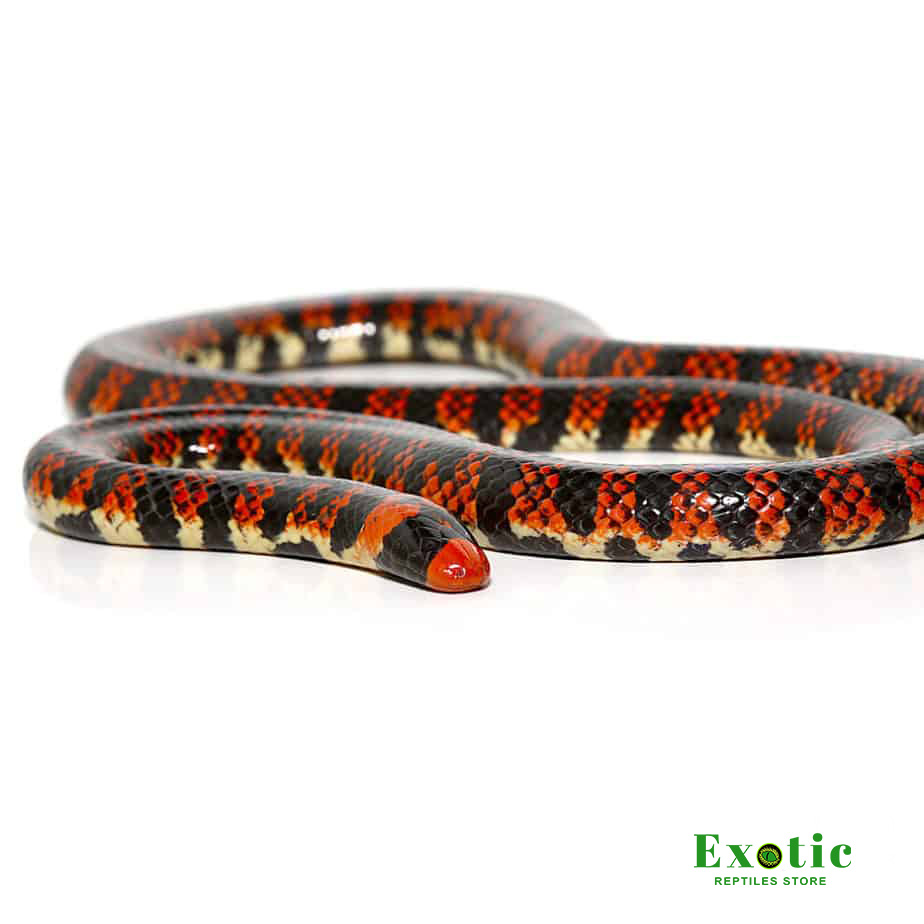
Cornsnakes & Ratsnakes for Sale at Exotics & Aquatics
Explore cornsnakes and ratsnakes for sale at Exotics & Aquatics, where you can browse listings for a diverse group of colubrid snakes known for their active behavior, varied patterns, and adaptability to different habitats. These snakes can be rewarding to keep when their individual requirements are understood and their enclosures are properly prepared.
Cornsnakes and ratsnakes encompass multiple species, and their adult sizes, environmental preferences, behavior, and feeding needs can vary. Choosing the right animal means researching its confirmed identity and long-term care requirements rather than relying on appearance alone.
Review each individual product page for the details actually provided and current availability. Do not assume an animal’s age, sex, health status, captive-bred status, locality, or feeding history unless the listing explicitly confirms it.
Choosing the Right Cornsnake or Ratsnake
Before purchasing, research the exact species and scientific name where available. Common names can refer to different animals, and species that look similar may have different husbandry requirements.
Consider the following factors when comparing listings:
-
Species identification: Confirm the stated identity and research its natural habitat, adult characteristics, and care needs.
-
Adult size: Understand the expected adult length and body size so you can prepare an enclosure with sufficient space.
-
Behavior and activity: Research climbing, burrowing, exploration, defensive responses, and activity patterns relevant to the species.
-
Feeding requirements: Establish an appropriate diet, feeding schedule, and ongoing food budget.
-
Handling expectations: Learn how the species typically responds to handling and recognize that individual temperaments vary.
-
Lifespan and commitment: Plan for long-term enclosure maintenance, food, equipment, and veterinary expenses.
-
Legal requirements: Check local and state regulations concerning ownership, sale, and transport, including any permits or restrictions that may apply.
A species that is relatively small when young may require substantially more space as an adult. Evaluate the animal’s long-term needs before deciding whether it is suitable for your home and experience.
Cornsnake and Ratsnake Habitat Requirements
A secure, species-appropriate enclosure is essential for the snake’s safety and well-being. Prepare the habitat before arrival and test all equipment to confirm that conditions remain stable.
Enclosure size and security
Choose an enclosure appropriate for the confirmed species and its expected adult size. Cornsnakes and ratsnakes can be active explorers, and some are capable climbers. Provide sufficient space for normal movement and any climbing or ground-level behaviors typical of the species.
Pay particular attention to enclosure security. Check doors, ventilation panels, cable openings, and other gaps that could provide an escape route. Use reliable closures and inspect them regularly.
Arrange furnishings so they cannot collapse, trap the snake, or cause injury. Leave enough room to inspect the animal and clean the enclosure without unnecessary disturbance.
Temperature and humidity
Provide an appropriate temperature gradient so the snake can access suitable warmer and cooler areas. Exact temperature and humidity requirements depend on the identified species, its life stage, and the enclosure setup.
Use reliable thermometers and hygrometers where appropriate. Check conditions in the areas the snake actually uses rather than relying on a single reading taken elsewhere in the enclosure.
Follow current species-specific husbandry guidance. Do not automatically apply the same settings to every ratsnake or cornsnake simply because they belong to related groups.
Heating equipment should be installed safely and regulated appropriately to reduce the risk of overheating or burns.
Hides, substrate, and enrichment
Provide suitable hides and retreats so the snake can shelter from view. Substrate should be appropriate for the species, support routine cleaning, and allow any natural burrowing behavior where relevant.
Depending on the animal, stable branches, climbing structures, and other furnishings may provide useful environmental enrichment. Ensure that climbing features are secure and cannot fall or injure the snake.
Maintain clean water, remove waste promptly, and inspect the habitat for damaged furnishings or other hazards.
Enclosure placement
Keep the enclosure away from smoke, aerosols, strong fumes, and household cleaning chemicals. Avoid locations subject to uncontrolled temperature fluctuations or frequent disturbances.
Test the setup before the animal arrives and monitor conditions regularly after introduction. A prepared, secure enclosure makes it easier to establish a consistent care routine.
Feeding and Nutrition for Cornsnakes and Ratsnakes
Many commonly kept cornsnakes and ratsnakes eat appropriately sized rodents, but diets and feeding schedules vary among species and individuals. Confirm the needs of the specific animal rather than assuming all snakes in this category require the same routine.
Establishing a feeding plan
Research suitable prey types, prey size, and feeding frequency before purchasing. Consider the animal’s size, age, body condition, and individual circumstances when planning its diet.
Make sure appropriate food is available consistently and budget for ongoing feeding costs. Avoid determining prey size solely by the snake’s apparent interest in food or by comparing it with a different species.
Monitoring appetite and body condition
Keep records of feeding dates, food offered, appetite, shedding, and changes in body condition. These records can help you recognize patterns and provide useful information if veterinary advice becomes necessary.
A change in appetite may be associated with environmental conditions, stress, shedding, or illness. If a feeding problem persists or is accompanied by other concerning signs, consult a qualified reptile veterinarian.
Safe food handling and hygiene
Store food safely, clean feeding tools, and remove uneaten food when appropriate. Maintain a clean enclosure and inspect it regularly for waste or spills.
Do not introduce supplements automatically. Their suitability depends on the animal’s actual nutritional requirements and appropriate professional guidance.
Behavior, Handling, and Everyday Care
Cornsnakes and ratsnakes can display active exploratory behavior, but activity levels and handling tolerance vary among species and individuals. Learn what is normal for the specific snake you keep rather than expecting every animal to behave identically.
Allow a newly arrived snake time to settle into its enclosure. Keep disturbance to a minimum during acclimation and establish a consistent routine for feeding, observation, and cleaning.
Responsible handling
Research the recommended handling approach for the exact species. When handling is appropriate, support the snake’s body and use calm, controlled movements. Avoid sudden movements or unnecessary restraint.
Do not handle a snake when it is showing significant distress or when handling would interfere with appropriate post-feeding care. Wash your hands after handling reptiles or cleaning their enclosures.
Can cornsnakes and ratsnakes live together?
Do not assume that two snakes can safely share an enclosure simply because they belong to the same broad group. Cohabitation can create risks involving stress, competition, injury, disease transmission, or predation, depending on the species and circumstances.
Individual housing is generally the safer, more straightforward approach for pet snakes. Any alternative should only be considered with reliable guidance specific to the exact species and situation.
Routine observation
A manageable care routine should include:
-
Checking temperature and humidity readings where appropriate.
-
Replacing drinking water and cleaning the water dish.
-
Inspecting the enclosure for waste, spills, and damaged furnishings.
-
Monitoring feeding, shedding, movement, and body condition.
-
Checking enclosure locks, doors, and ventilation openings.
-
Recording significant changes in appetite or behavior.
Identify an exotic-animal veterinarian with relevant reptile experience before bringing the snake home. Persistent appetite changes, unusual breathing, injuries, marked lethargy, or other concerning symptoms should be discussed with a qualified veterinarian. Online information cannot diagnose an individual animal.
Cornsnake and Ratsnake Colors and Patterns
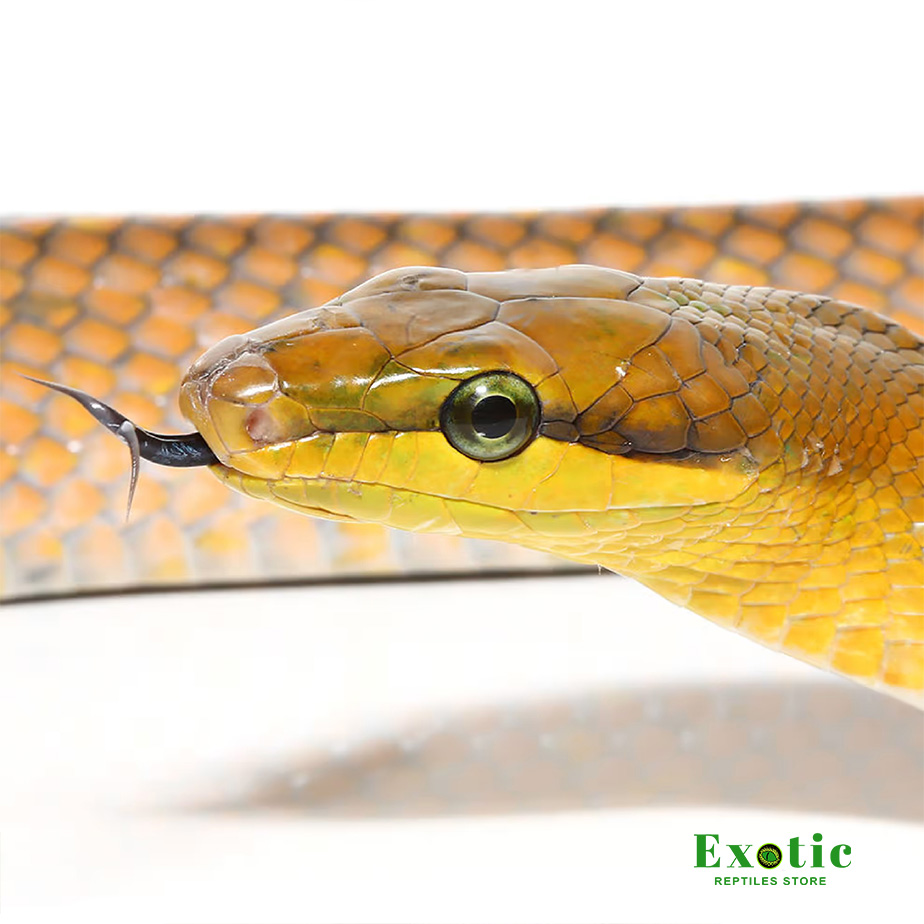
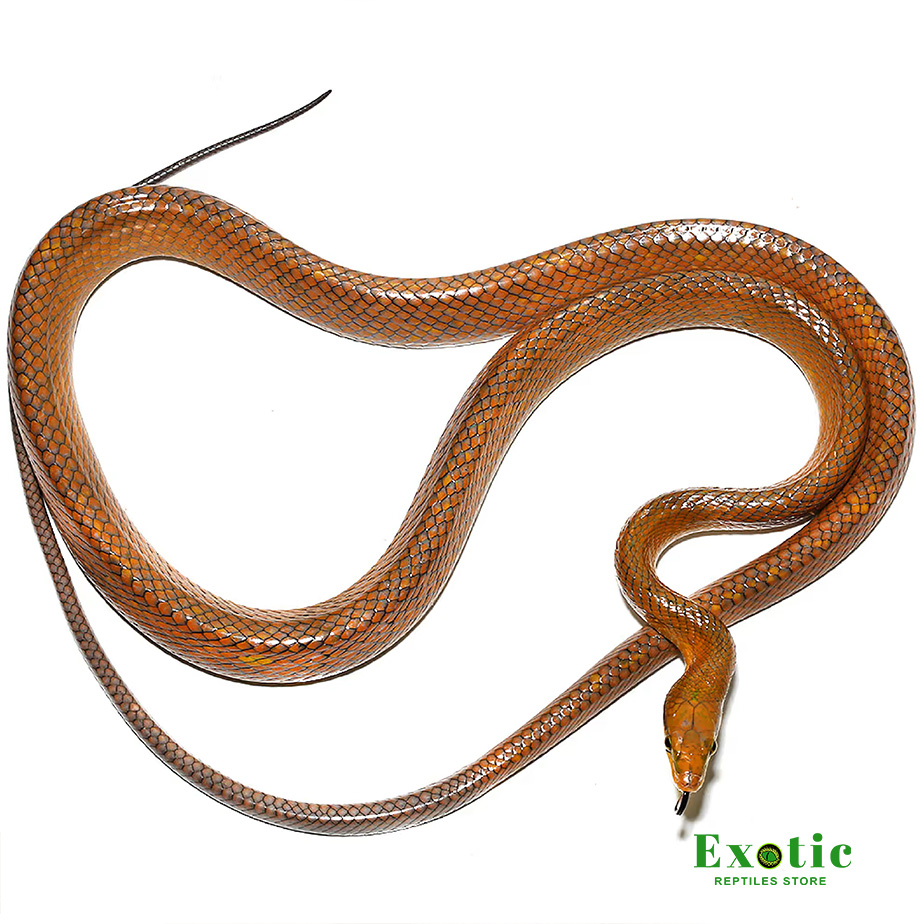
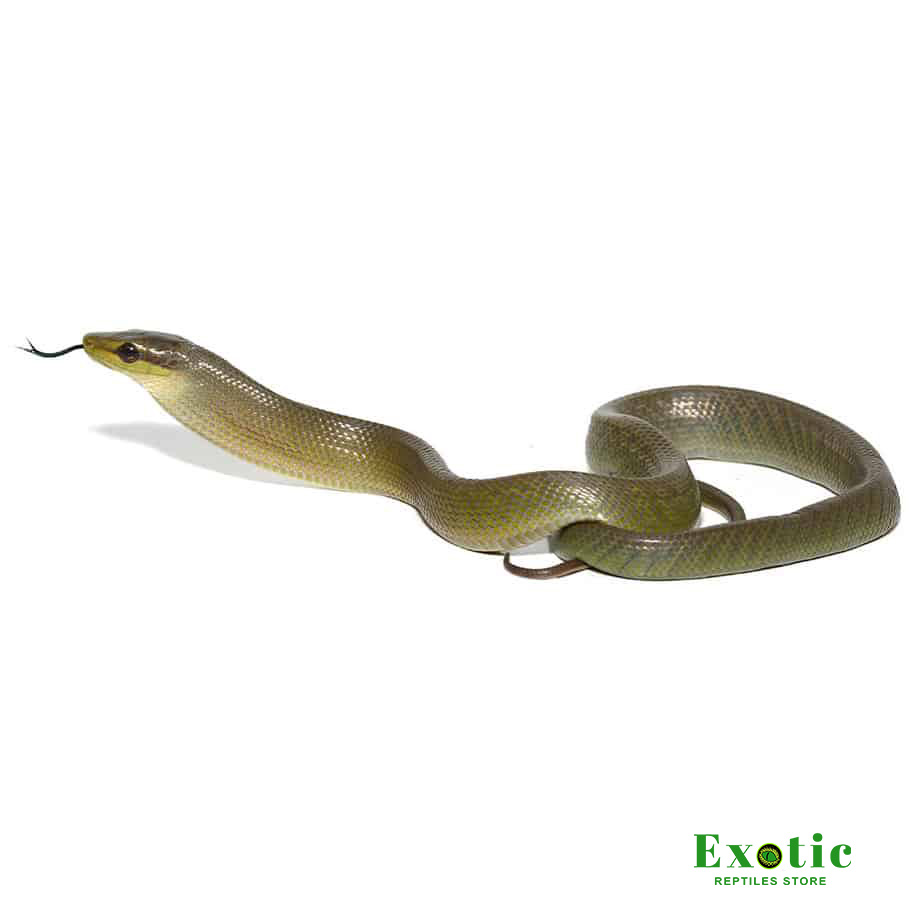
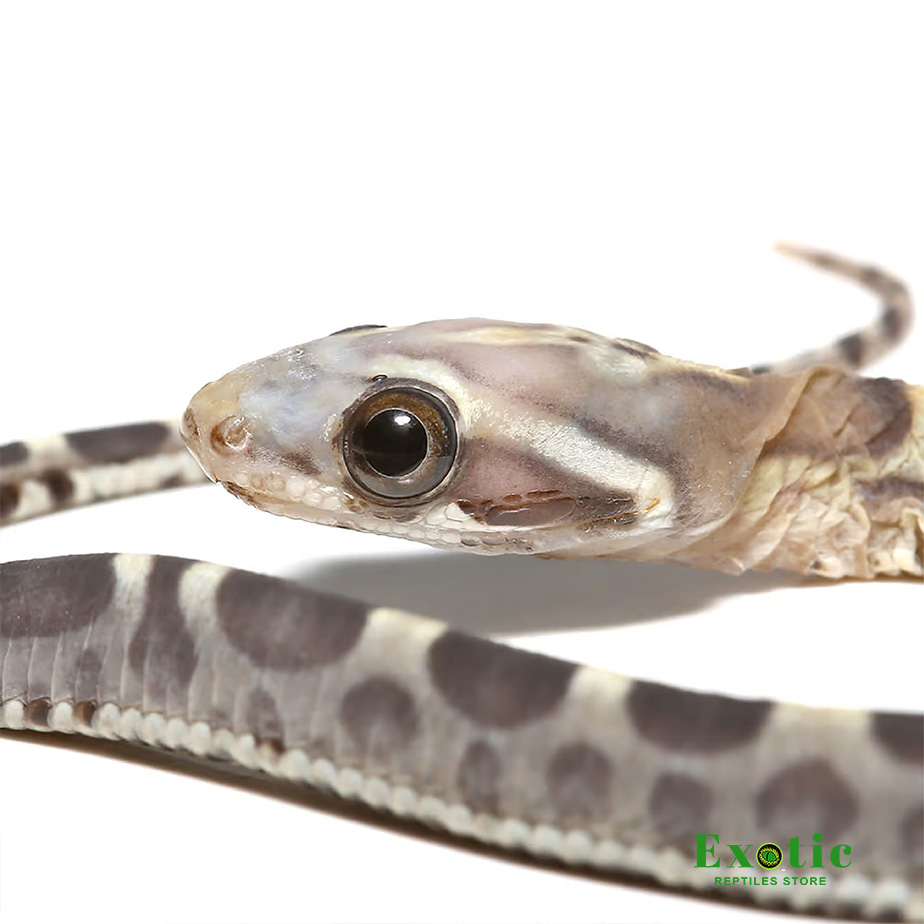
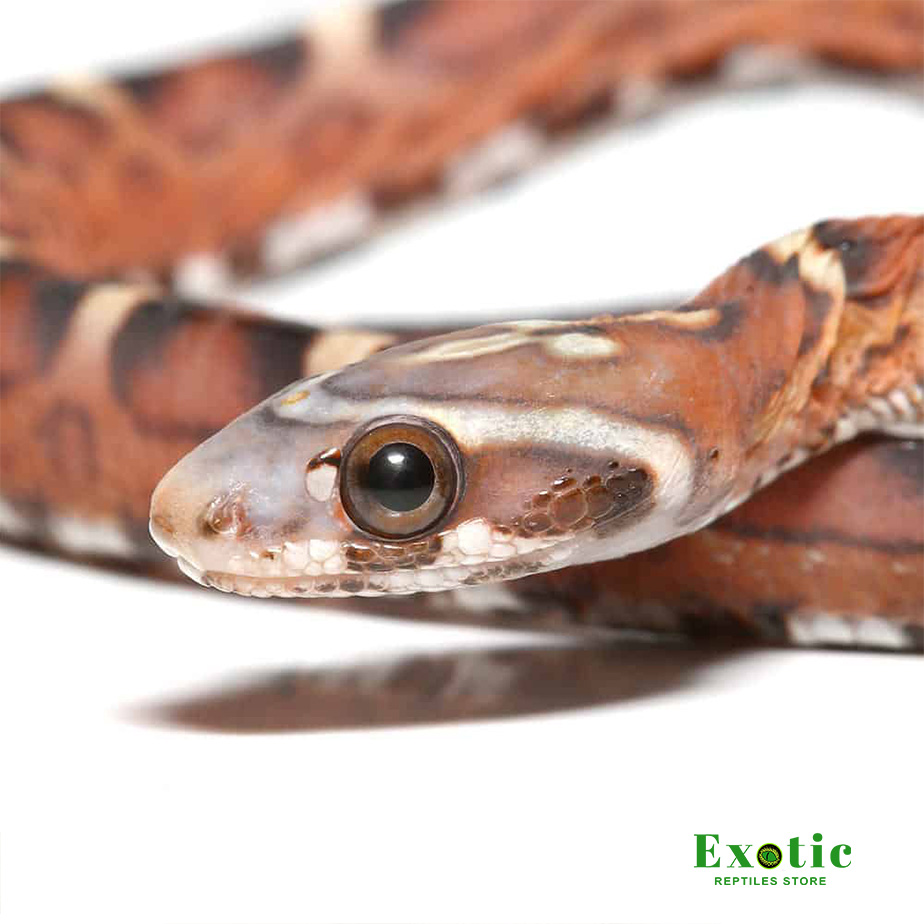
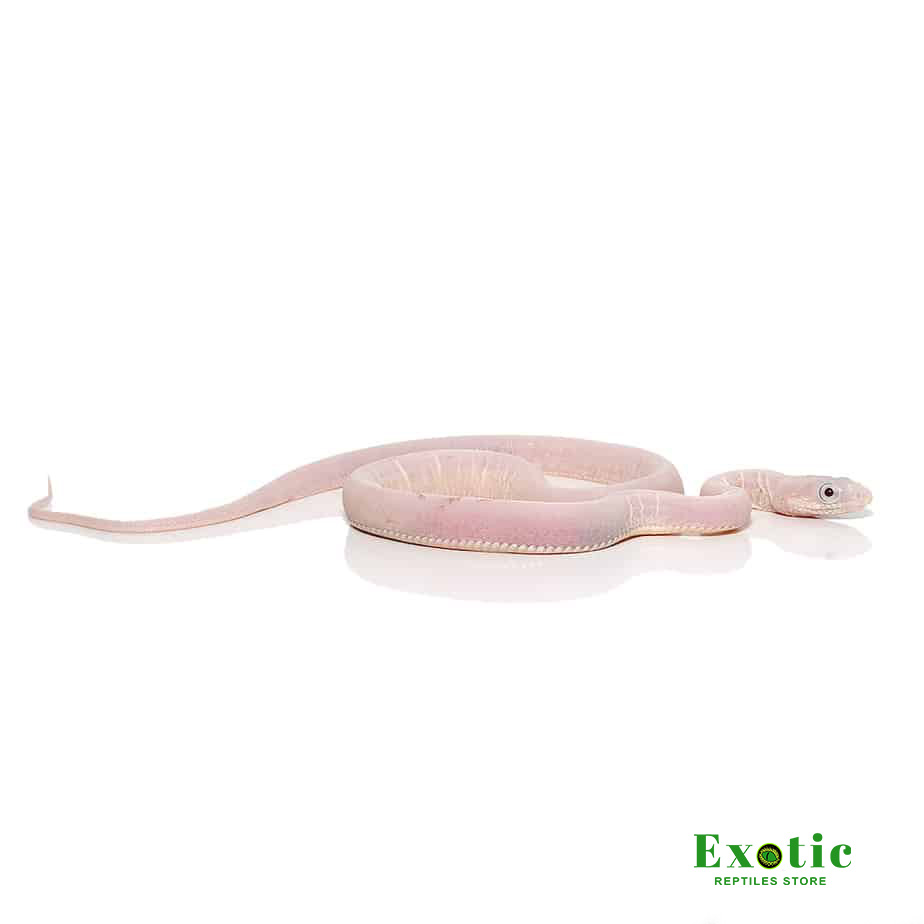
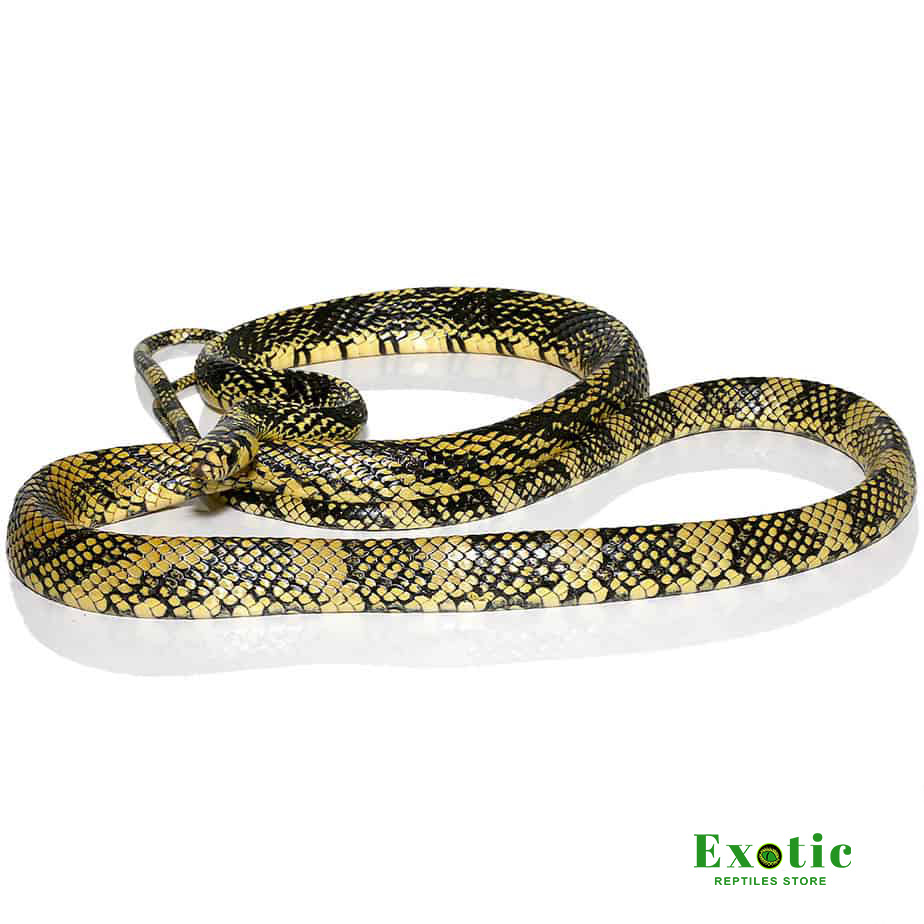
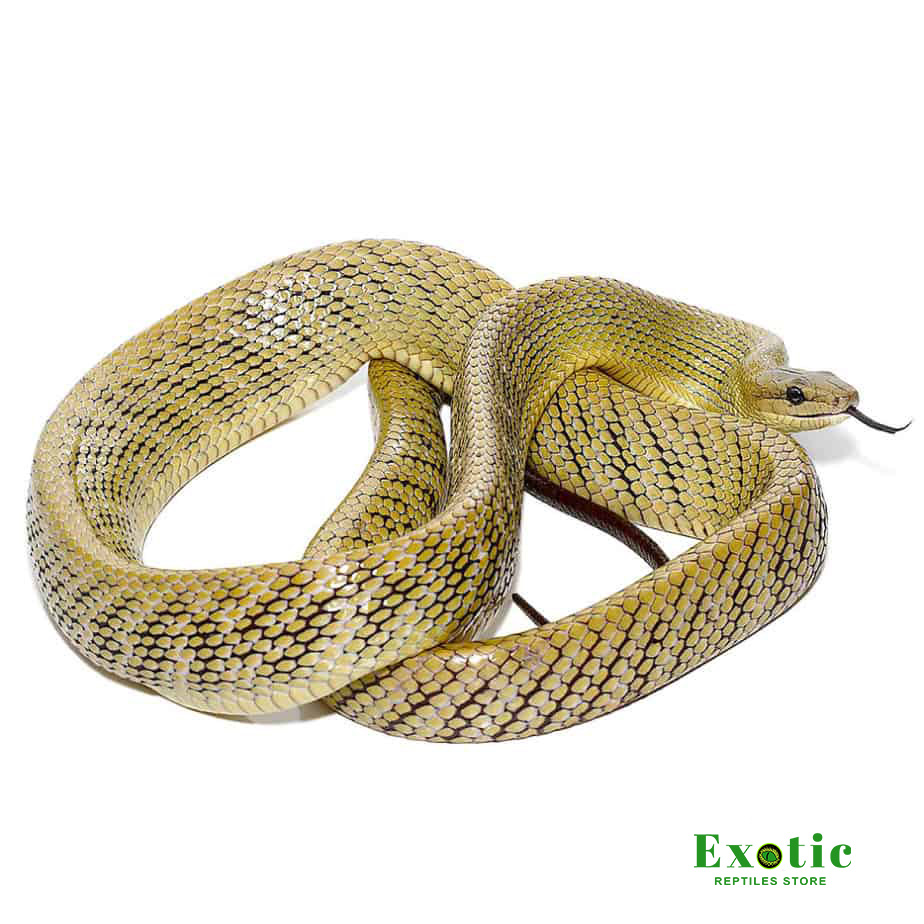
One attraction of cornsnakes and ratsnakes is the variety of colors, markings, and patterns found across the group. Depending on the species and individual listing, appearance may include stripes, blotches, bands, speckles, or other distinctive markings.
However, color and pattern alone cannot establish a snake’s species, locality, genetics, sex, health, or feeding history. If a listing includes a specific morph, locality, or other designation, review the stated information and ask for clarification if it matters to your decision.
When comparing animals, prioritize confirmed identification, appropriate care requirements, and suitability for your experience over appearance alone.
What to Check Before Buying a Cornsnake or Ratsnake Online
Purchasing a live snake requires preparation beyond choosing a product photograph. Read the complete listing and make sure you can provide suitable housing, food, and long-term care.
Use this checklist before ordering:
-
Confirm the animal’s identity. Review the listed species and scientific name where available.
-
Research adult requirements. Understand expected adult size, habitat conditions, feeding needs, behavior, and lifespan.
-
Clarify missing information. Do not infer age, sex, health, origin, captive-bred status, or feeding history from photographs.
-
Check availability. Product listings and stock can change, so verify current availability when necessary.
-
Confirm delivery arrangements. Understand shipping or collection options, timing, and any preparation required before arrival.
-
Review store policies. Read the current purchase and shipping policies and keep order-related communications.
-
Check applicable laws. Verify possession, sale, and transport requirements for your location.
-
Prepare the enclosure. Set up and test suitable heating equipment, environmental monitoring devices, hides, substrate, and furnishings.
-
Arrange veterinary support. Identify a qualified reptile veterinarian and plan for routine and unexpected expenses.
-
Plan for long-term ownership. Budget for food, maintenance, replacement equipment, and ongoing care.
Completing these steps helps you make an informed decision and prepare for the animal’s needs before it arrives.
Related Animal Categories
Explore other snake collections at Exotics & Aquatics to compare different groups and learn about their individual care requirements.
-
Snakes for Sale: Browse the wider snake collection and explore different species.
-
Kingsnakes for Sale: Learn about another group of colubrid snakes with distinctive behavior and species-specific requirements.
-
Milksnakes for Sale: Compare milksnakes and research their habitat, feeding, and handling needs.
Review each category and individual product page for current availability and confirmed animal details.
Frequently Asked Questions About Cornsnakes and Ratsnakes
Are cornsnakes and ratsnakes suitable for beginners?
Suitability depends on the exact species, the individual animal, and the keeper’s preparation. Research adult size, environmental requirements, feeding needs, handling expectations, and lifespan before purchasing. Make sure you can maintain the enclosure consistently and access appropriate veterinary care.
What is the difference between a cornsnake and a ratsnake?
These common names refer to related groups of colubrid snakes, but the exact classification and characteristics depend on the species. They can differ in size, appearance, habitat preferences, behavior, and care requirements. Confirm the animal’s identity rather than relying on its common name alone.
What do cornsnakes and ratsnakes eat?
Many commonly kept species eat appropriately sized rodents, although dietary needs and feeding schedules vary. Research the confirmed species and individual animal, and consult a qualified reptile veterinarian if persistent feeding problems occur.
How large do cornsnakes and ratsnakes grow?
Adult size varies by species and individual. Research the expected adult length and body size of the snake identified in the listing before choosing an enclosure.
Can cornsnakes and ratsnakes share an enclosure?
Do not assume cohabitation is safe. Housing snakes together may create risks involving stress, competition, injury, or predation. Individual housing is generally the safer approach unless reliable species-specific guidance supports another arrangement.
How should I prepare for a new snake?
Prepare and test the enclosure before arrival. Confirm that security features work, environmental conditions are stable, suitable food is available, and cleaning supplies are ready. Identify a reptile veterinarian in advance.
Are all animals shown in this category available?
Availability can change. Check the current product listing and contact Exotics & Aquatics if you need confirmation before ordering.
Where can I get care advice?
Use reliable, current husbandry resources specific to the identified species and consult a qualified exotic-animal veterinarian for health concerns. Care requirements can differ even among closely related snakes.
Contact Exotics & Aquatics
Exotics & Aquatics encourages careful research and informed animal ownership. Before purchasing a cornsnake or ratsnake, review the individual listing, confirm the details important to your decision, and prepare for the animal’s long-term needs.
Exotics & Aquatics
-
Website: https://www.exoticsandaquatics.com/
-
Address: 6447 Williamson Rd, Roanoke, VA 24019
-
Email: sales@exoticsandaquatics.com
Care information is general and should be checked against current, species-specific guidance. Product availability and animal-specific details are determined by each live listing. Verify applicable laws and arrange appropriate veterinary support before acquiring an animal.