Carpet Pythons for Sale at Exotics & Aquatics
Explore carpet pythons for sale at Exotics & Aquatics, where you can browse listings for distinctive pythons known for their varied patterns, climbing behavior, and diversity across species and localities. Carpet pythons can differ considerably in adult size, appearance, temperament, and habitat requirements, making careful research essential before choosing an animal.
Whether you are an experienced reptile keeper or researching carpet pythons for the first time, focus on the confirmed identity of the individual snake, its expected adult requirements, and your ability to provide suitable long-term care. Appearance alone is not a reliable guide to temperament, health, or husbandry needs.
Review each individual product page for the details actually provided and current availability. Do not assume an animal’s age, sex, health status, captive-bred status, locality, or feeding history unless the listing explicitly confirms it.
How to Choose the Right Carpet Python
Carpet pythons are a diverse group, and the name can encompass animals with different locality characteristics and adult dimensions. Before purchasing, research the exact species or subspecies identified in the listing and its scientific name where available.
Consider these factors when comparing available animals:
-
Species and locality: Confirm the identification and any stated locality information. Do not infer an animal’s origin from its coloration or pattern.
-
Adult size: Research expected adult length, body size, and enclosure requirements. A small juvenile may eventually need substantially more space.
-
Temperament and handling: Learn about the species’ typical behavior and safe handling practices. Individual temperaments vary, and adult snakes can be strong.
-
Environmental requirements: Understand the appropriate temperature gradient, humidity, ventilation, and enclosure furnishings.
-
Feeding needs: Plan for suitable prey, an appropriate feeding schedule, and ongoing food costs.
-
Lifespan and commitment: Consider long-term maintenance, veterinary care, equipment replacement, and the time needed for regular observation.
-
Legal requirements: Check local and state regulations regarding ownership, sale, transport, and any applicable permits.
Choose a carpet python whose adult requirements fit your available space, experience, and resources. Do not base a decision solely on a particular color, pattern, or the animal’s current size.
Carpet Python Habitat and Enclosure Planning
A well-designed enclosure provides secure housing, appropriate environmental conditions, and opportunities for natural behaviors. Prepare the habitat before the snake arrives and test the equipment to confirm that conditions remain stable.
Enclosure size and structure
Choose an enclosure appropriate for the identified species and expected adult size. Carpet pythons may use both elevated and ground-level areas, so the setup should reflect the animal’s needs rather than follow a generic design for all pythons.
Provide enough usable space for normal movement, along with stable furnishings and suitable retreats. Secure all doors, ventilation panels, cable openings, and other potential escape points. Inspect closures regularly because a powerful snake can exploit weak or poorly fitted access points.
Climbing branches and furnishings
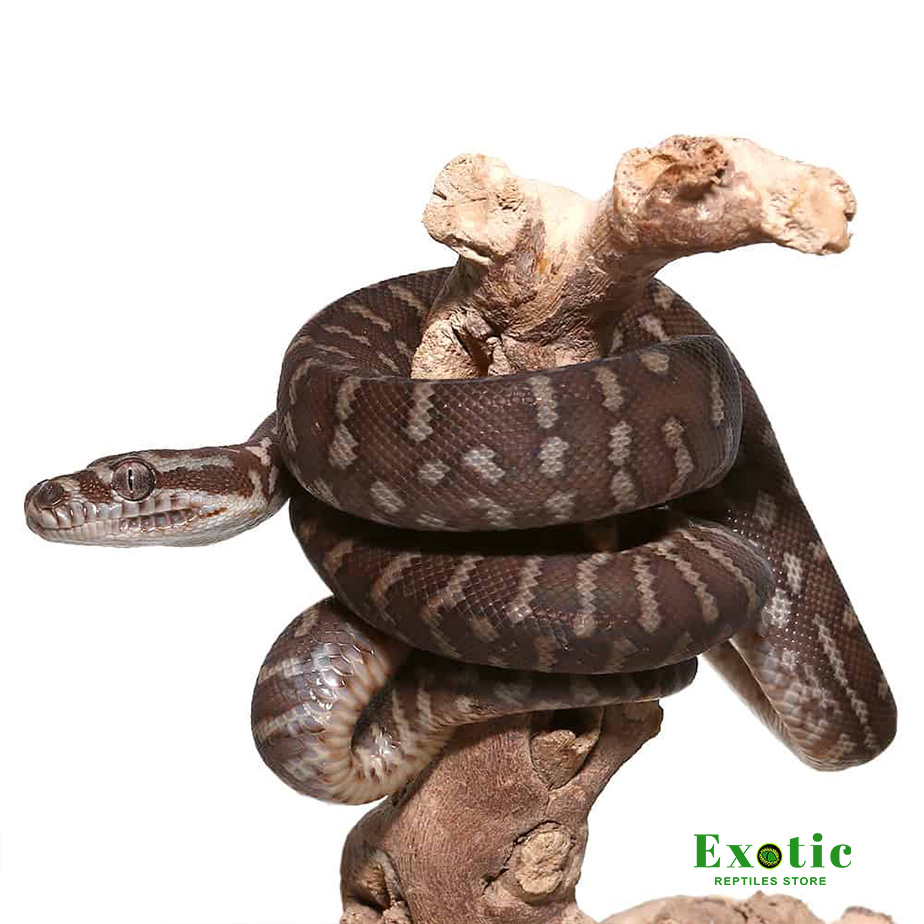
Many carpet pythons benefit from appropriate climbing opportunities. Use sturdy branches and other furnishings that can support the animal’s weight without shifting, breaking, or collapsing.
Position climbing structures carefully to reduce fall risks, and make sure furnishings cannot trap the snake or cause injury. Leave adequate space for the animal to move and for you to clean the enclosure and inspect its condition.
Temperature and humidity
Provide a suitable temperature gradient that allows the snake to access warmer and cooler areas. Exact temperature and humidity requirements depend on the species, locality where relevant, and individual circumstances.
Use reliable thermometers and hygrometers where appropriate, and check readings in the areas the snake actually uses. Follow current species-specific husbandry guidance instead of applying one set of environmental targets to every carpet python.
Heating equipment should be installed safely and regulated appropriately to reduce the risk of overheating or burns. Maintain suitable ventilation while meeting the animal’s humidity requirements.
Hides, substrate, and water
Provide secure hides or retreats so the snake can shelter from view. Choose substrate that suits the species, supports appropriate enclosure conditions, and allows routine cleaning.
Keep clean drinking water available and replace it regularly. Inspect the enclosure for waste, spills, damaged furnishings, and other hazards. Keep the habitat away from smoke, aerosols, strong fumes, and household cleaning chemicals.
Prepare and test the enclosure
Run the equipment before the animal arrives. Confirm that the enclosure remains secure and that environmental readings are stable under normal room conditions.
Prepare suitable food, cleaning supplies, and any other essential equipment in advance. Planning ahead helps reduce avoidable disruption during the snake’s transition to its new environment.
Feeding and Nutrition for Carpet Pythons
Carpet python feeding requirements depend on the identified species, the snake’s age and size, its body condition, and individual circumstances. Establish an appropriate feeding plan before purchasing and ensure suitable food will be available consistently.
Choosing appropriate prey
Research the correct prey type, prey size, and feeding interval for the particular animal. Do not choose prey based only on the snake’s apparent interest in food or copy a schedule intended for another python species.
Budget for ongoing food costs and use safe food-storage and handling practices. Clean feeding tools and remove uneaten food when appropriate.
Monitoring appetite and body condition
Keep records of feeding dates, prey offered, appetite, shedding, and changes in body condition. These records can help you identify patterns and provide useful information if professional advice becomes necessary.
Changes in appetite can be associated with environmental conditions, stress, shedding, or illness. If feeding difficulties persist or occur alongside other concerning signs, consult a qualified reptile veterinarian.
Maintaining feeding hygiene
Store prey safely and maintain clean feeding equipment. Keep the enclosure free of accumulated waste and inspect it regularly.
Do not introduce supplements automatically. The suitability of supplementation depends on the animal’s nutritional requirements and appropriate professional guidance.
Carpet Python Behavior, Handling, and Daily Care
Carpet pythons can be active, exploratory snakes, and many individuals use elevated furnishings as well as ground-level areas. Their behavior and handling tolerance vary by species, age, individual temperament, and circumstances.
Allow a newly arrived snake time to settle into its prepared enclosure. Avoid unnecessary disturbance during acclimation and establish a consistent routine for feeding, cleaning, and observation.
Responsible handling
Learn the recommended handling techniques for the particular species and individual. Carpet pythons can become powerful as adults, so plan for safe handling and enclosure access before the snake reaches its adult size.
When handling is appropriate, support the snake’s body and use calm, controlled movements. Avoid sudden movements and unnecessary restraint. Do not handle the animal when it is showing significant distress or when handling would interfere with appropriate post-feeding care.
Never assume that a juvenile’s current size reflects the strength or space requirements of the adult animal.
Routine observation
A consistent care routine should include:
-
Checking temperature and humidity readings where appropriate.
-
Replacing drinking water and cleaning the water dish.
-
Inspecting the enclosure for waste, spills, and damaged furnishings.
-
Monitoring appetite, shedding, movement, and body condition.
-
Checking locks, doors, and other enclosure security features.
-
Recording notable changes in behavior or environmental conditions.
Identify an exotic-animal veterinarian with relevant reptile experience before bringing the snake home. Persistent appetite changes, injuries, unusual breathing, marked lethargy, or other concerning signs should be discussed with a qualified veterinarian. Online information cannot diagnose an individual animal.
Carpet Python Colors, Patterns, and Locality
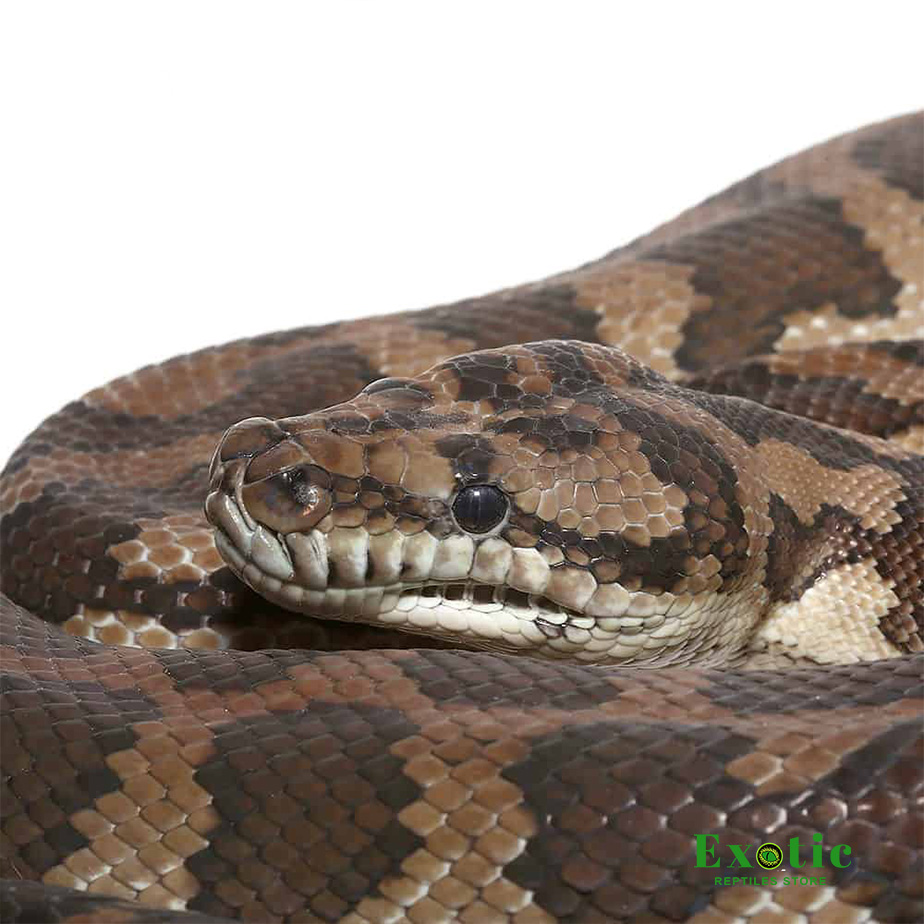
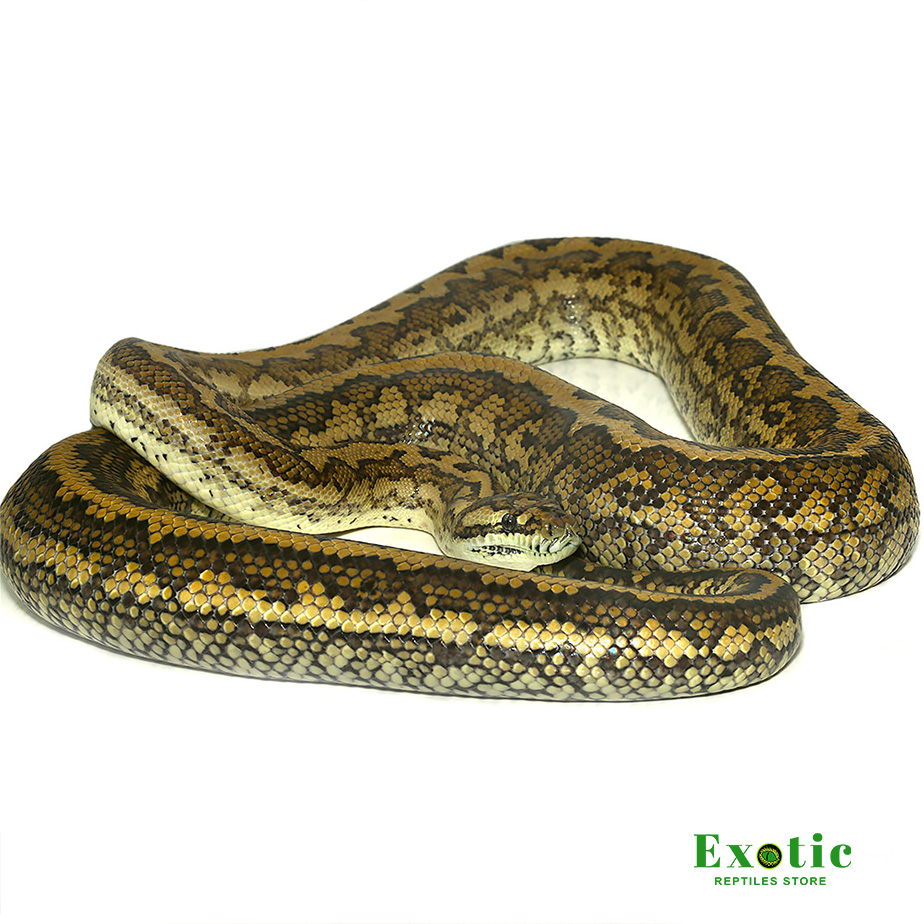
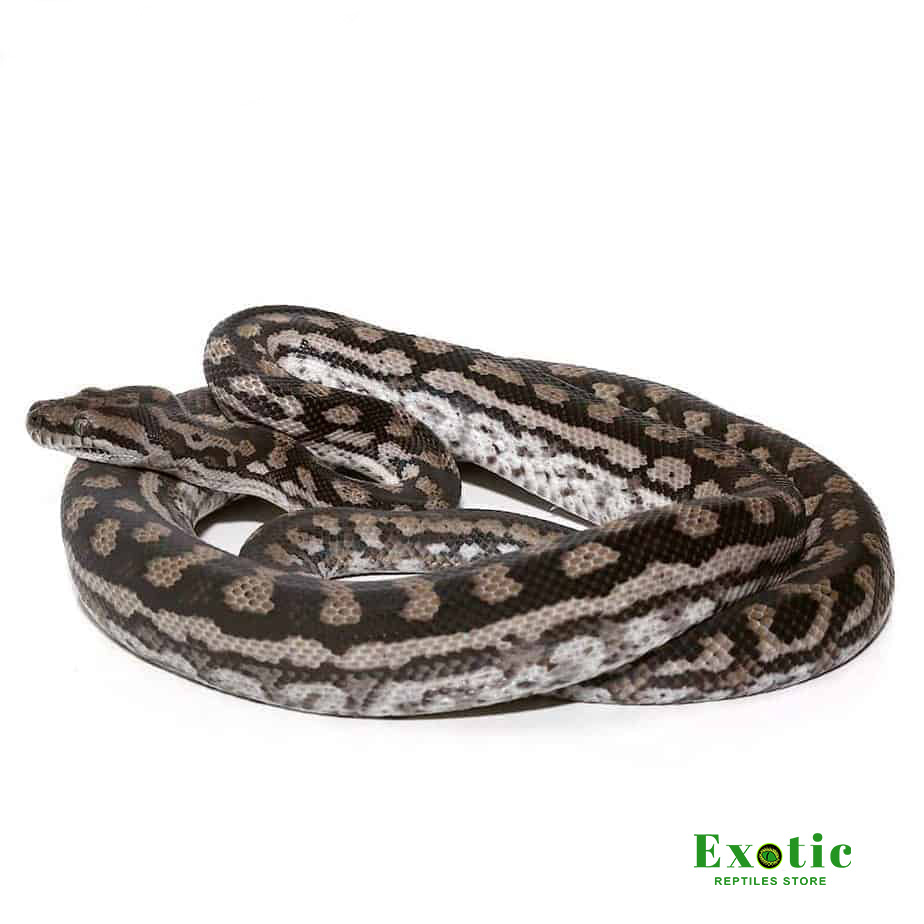
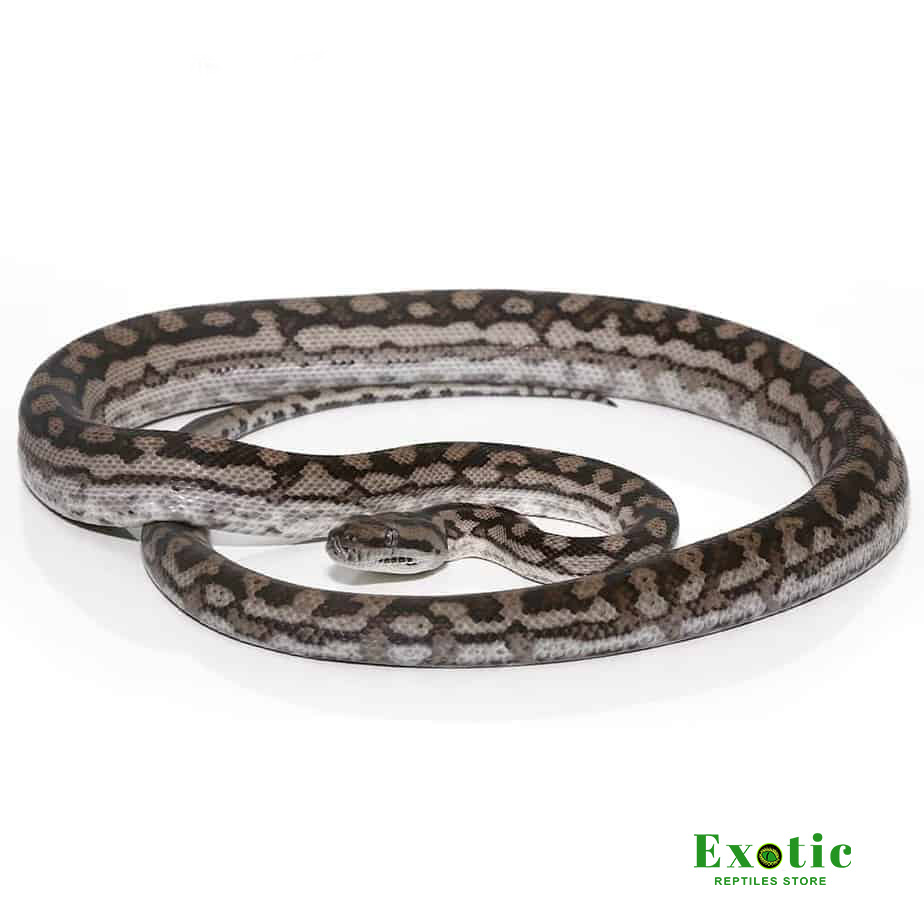
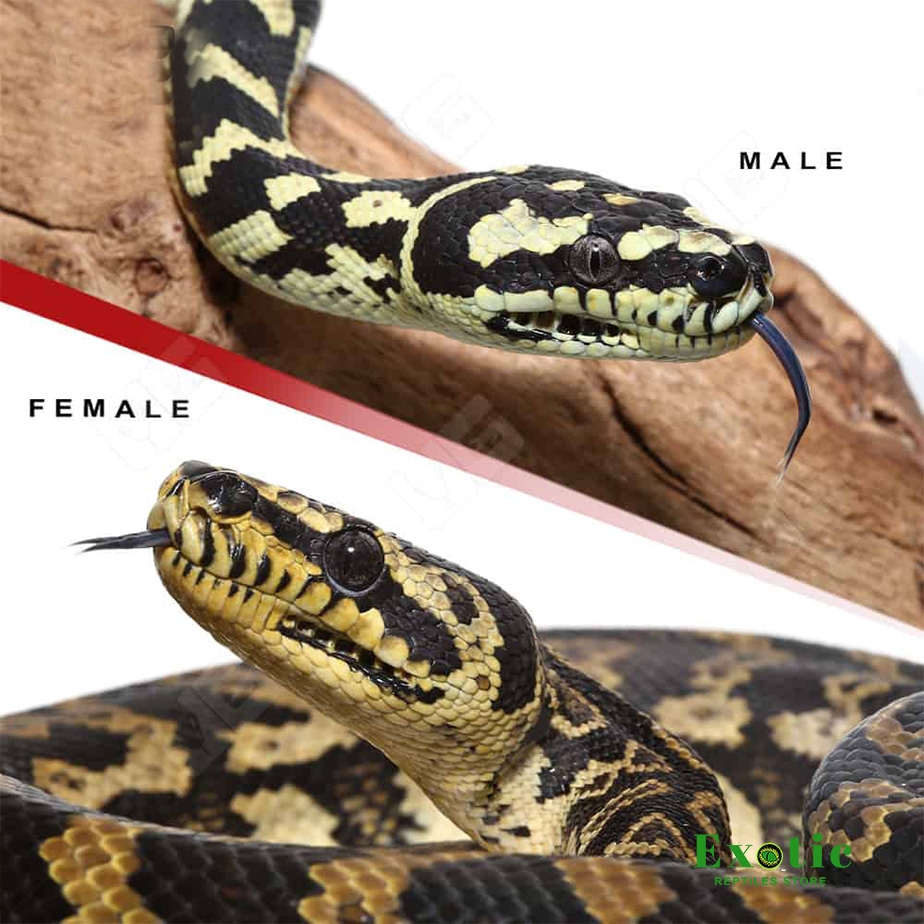
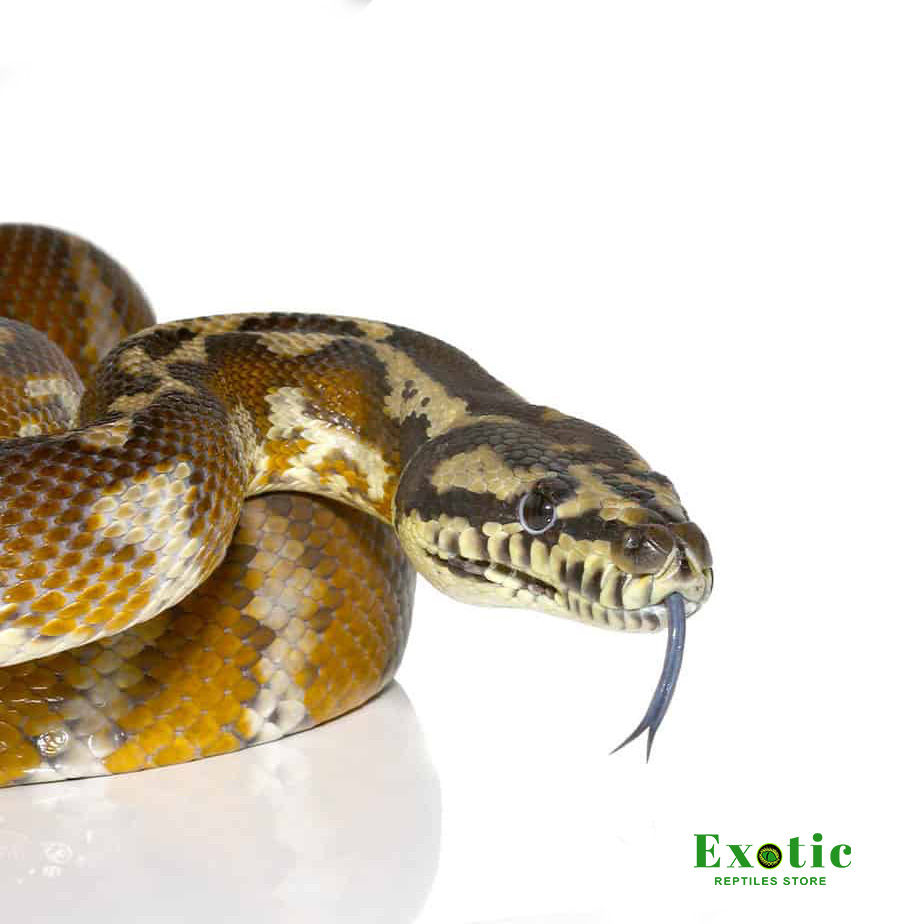
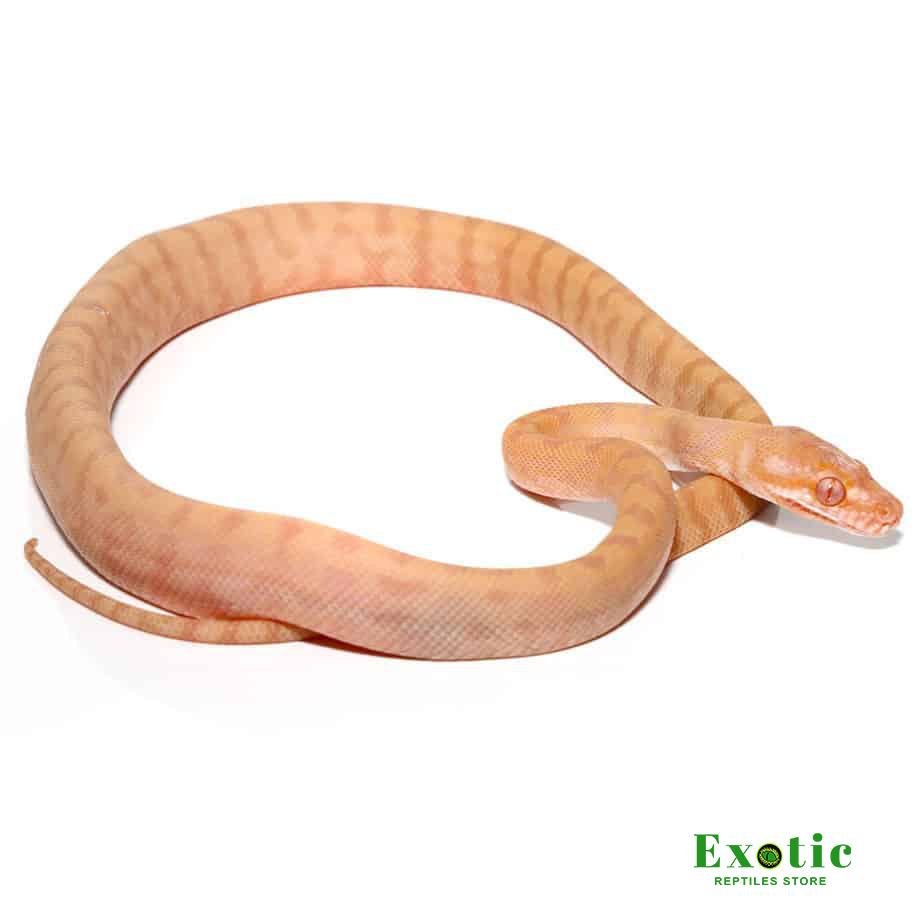
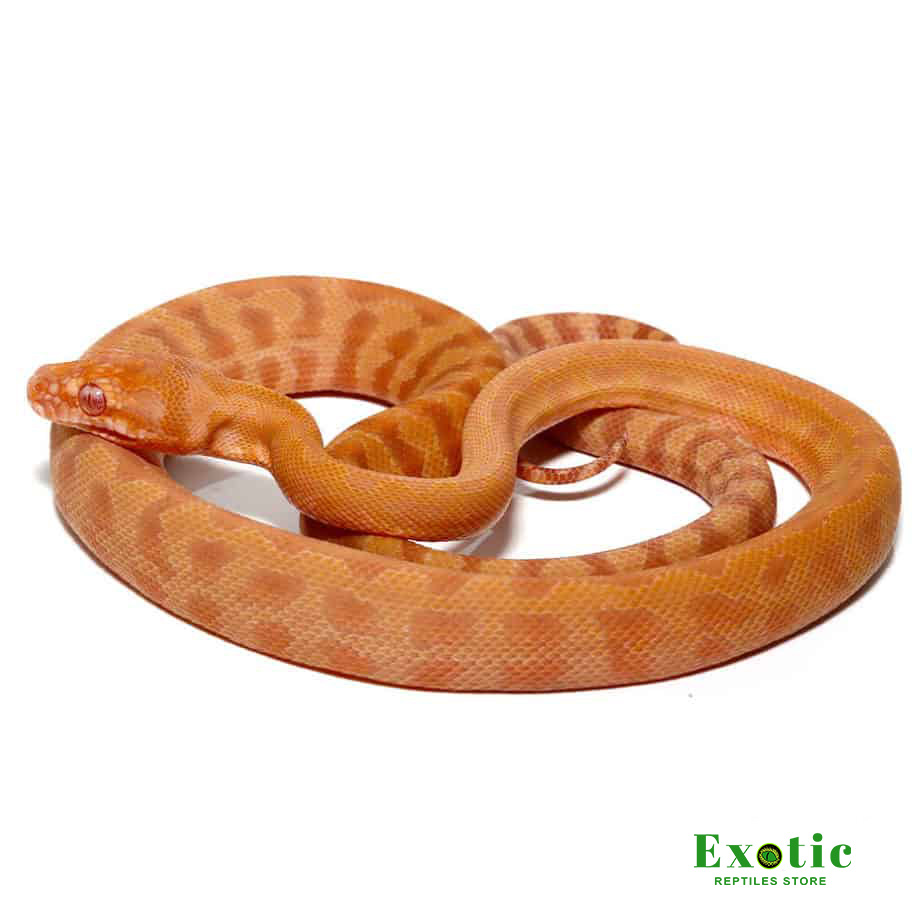
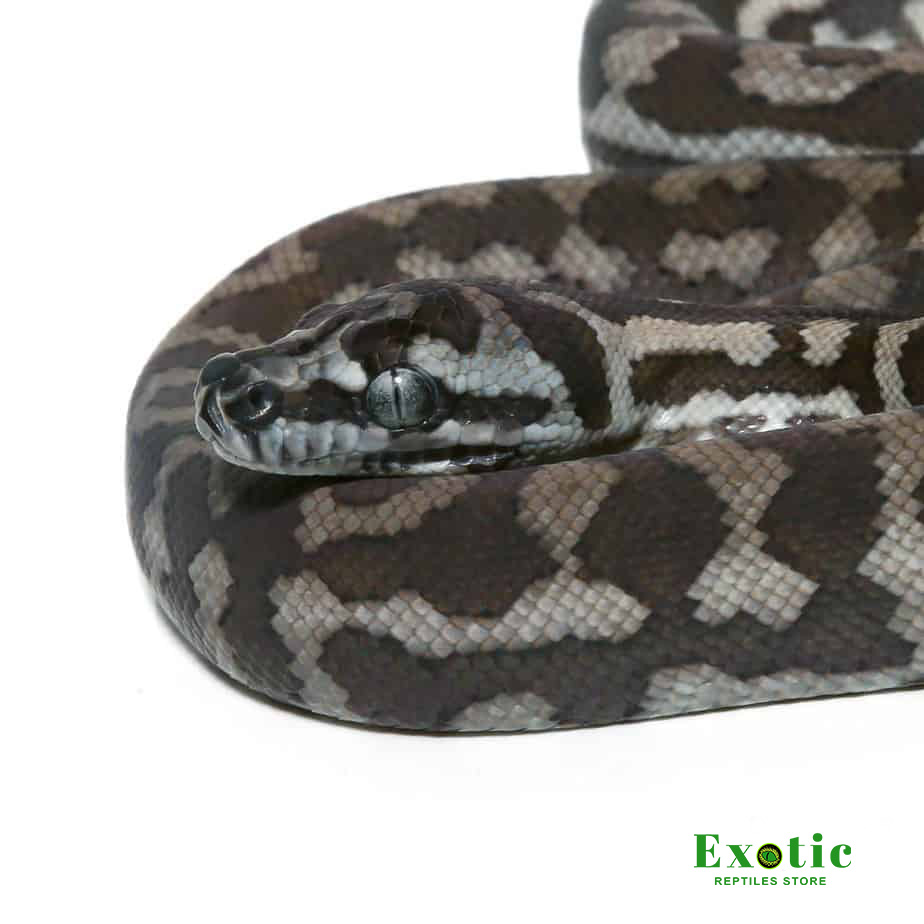
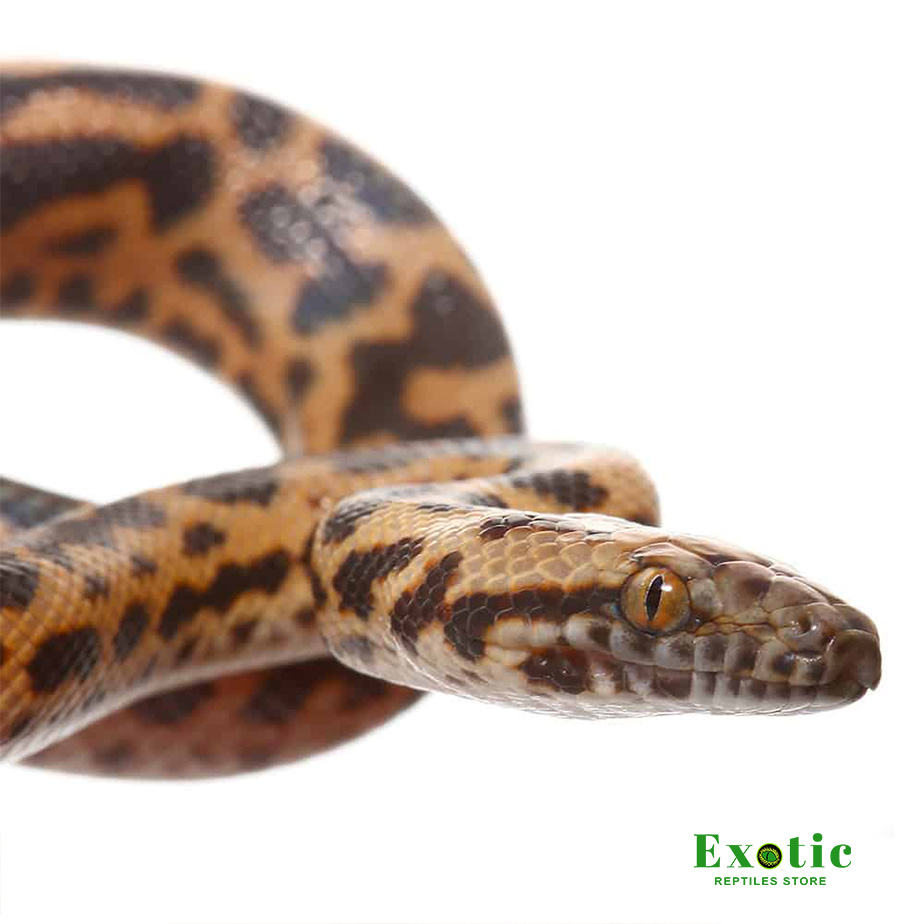
Carpet pythons are known for their varied patterns and coloration. Depending on the species and individual animal, markings may include contrasting bands, blotches, irregular patterns, or other distinctive features.
Locality can also be relevant when researching certain carpet pythons, but appearance alone does not confirm an animal’s origin, genetics, age, sex, health, or captive-bred status.
If a listing includes a particular locality, morph, or subspecies designation, review the stated information and ask for clarification if it matters to your decision. When comparing animals, prioritize confirmed identification, adult requirements, and suitability for your experience over appearance alone.
What to Check Before Buying a Carpet Python Online
Buying a live reptile requires preparation beyond selecting a product photograph. Review the complete listing and make sure you can provide appropriate housing, food, and long-term care.
Use this checklist before purchasing:
-
Confirm the identification. Review the listed species and scientific name where available, along with any stated locality or other designation.
-
Research adult requirements. Understand expected adult size, enclosure needs, environmental conditions, feeding requirements, and behavior.
-
Ask about missing details. Do not infer age, sex, health, origin, captive-bred status, or feeding history from photographs.
-
Confirm current availability. Listings and stock can change, so verify availability if you need clarification before ordering.
-
Understand delivery arrangements. Confirm shipping or collection options, timing, and any preparations required before arrival.
-
Review store policies. Read the current purchase and shipping policies and keep order-related communications.
-
Check applicable laws. Verify ownership, sale, and transport requirements for your location, including any necessary permits.
-
Prepare the enclosure. Set up and test appropriate heating equipment, environmental monitoring devices, climbing structures, hides, and secure closures.
-
Arrange veterinary support. Identify a qualified reptile veterinarian and budget for routine and unexpected care.
-
Plan for adult care. Make sure you can provide suitable housing, feeding, and safe handling as the animal grows.
Completing these steps helps you make an informed decision and prepare for the snake’s needs before it arrives.
Related Animal Categories
Explore related collections at Exotics & Aquatics to compare different snake groups and learn about their individual care requirements.
-
Snakes for Sale: Browse the wider collection of snake listings.
-
Green Tree Pythons for Sale: Explore arboreal pythons with specialized perching and environmental requirements.
-
Boas for Sale: Compare boa listings and research their individual adult sizes, habitat needs, and feeding requirements.
Review each category and individual product page for current availability and confirmed animal details.
Frequently Asked Questions About Carpet Pythons
Are carpet pythons suitable for beginners?
Suitability depends on the species, the individual animal, and the keeper’s experience and preparation. Research adult size, environmental requirements, behavior, feeding needs, and handling considerations before purchasing. Make sure you can provide secure housing and appropriate veterinary care throughout the animal’s life.
How large do carpet pythons grow?
Adult size varies among species and localities. Research the expected adult dimensions of the exact animal identified in the listing and plan an enclosure that accommodates its needs as it grows.
What do carpet pythons eat?
Carpet pythons are carnivorous snakes, and their feeding plans generally involve suitable animal prey. Prey size and feeding frequency depend on the animal’s age, size, body condition, and species. Follow reliable, species-specific guidance.
Do carpet pythons need climbing branches?
Many carpet pythons use elevated areas, so suitable climbing structures can be an important part of their enclosure. Branches and furnishings should be stable, securely positioned, and appropriate for the animal’s size.
Can carpet pythons be handled?
Handling suitability varies by individual. Learn the recommended techniques for the species and plan for the animal’s adult size and strength. Prioritize safety, support the snake’s body appropriately, and avoid unnecessary handling when the animal is stressed.
Are all carpet pythons the same in appearance and care needs?
No. The group includes animals with different patterns, locality characteristics, adult sizes, and husbandry needs. Confirm the identity of the individual animal and research its specific requirements rather than relying on generalizations.
Are all animals shown in this category available?
Availability can change. Check the current product listing and contact Exotics & Aquatics if you need confirmation before ordering.
Should I prepare the enclosure before the snake arrives?
Yes. Set up and test the enclosure beforehand so that security, environmental conditions, furnishings, food, and cleaning supplies are ready. Preparation helps reduce avoidable stress and makes it easier to monitor the animal after arrival.
Where can I get care advice?
Use reliable, current species-specific husbandry resources and consult a qualified exotic-animal veterinarian for health concerns. An experienced reptile professional may also help you assess enclosure design and handling practices.
Contact Exotics & Aquatics
Exotics & Aquatics encourages careful research and informed animal ownership. Before purchasing a carpet python, review the individual listing, confirm the details important to your decision, and prepare for the animal’s needs throughout its life.
Exotics & Aquatics
-
Website: https://www.exoticsandaquatics.com/
-
Address: 6447 Williamson Rd, Roanoke, VA 24019
-
Email: sales@exoticsandaquatics.com
Care information is general and should be checked against current, species-specific guidance. Product availability and animal-specific details are determined by each live listing. Verify applicable laws and arrange appropriate veterinary support before acquiring an animal.