Boas for Sale at Exotics & Aquatics
Explore boas for sale at Exotics & Aquatics, featuring a diverse group of snakes with different sizes, appearances, behaviors, and care requirements. Whether you are researching your first boa or expanding an established reptile collection, choosing the right animal starts with understanding its exact identity, adult size, habitat needs, and long-term care commitments.
Boas vary considerably between species. Some require relatively straightforward enclosure arrangements, while others grow into large, powerful snakes that need substantial space, secure housing, and experienced handling. Review each individual product listing carefully, and never assume an animal’s age, sex, health status, captive-bred status, locality, or feeding history unless the listing explicitly confirms those details.
Explore Boas for Sale
Boas are popular among reptile enthusiasts for their varied patterns, distinctive appearances, and fascinating behaviors. However, appearance alone should never determine which animal you choose. Research the exact species and compare its care requirements with your experience, available space, and ability to provide consistent husbandry.
When browsing available listings, pay attention to the information provided for each individual animal. If an important detail is missing, contact the seller for clarification rather than making assumptions based on photographs or general species descriptions.
Before purchasing, consider:
-
Species identification: Confirm the animal’s species and scientific name where available.
-
Adult size: Plan for the snake’s expected adult dimensions, strength, and enclosure requirements.
-
Habitat requirements: Understand its temperature, humidity, ventilation, hiding-place, and enclosure needs.
-
Feeding and nutrition: Establish a suitable feeding plan and reliable access to appropriate prey.
-
Handling experience: Consider the animal’s potential size and strength and your ability to handle it safely.
-
Long-term commitment: Budget for food, equipment, enclosure maintenance, veterinary care, and future upgrades.
-
Legal requirements: Check applicable possession, sale, transport, and permit regulations before ordering.
A responsible purchase begins with choosing a boa whose requirements you can meet throughout its life.
Choosing the Right Boa Species
The term boa covers a varied group of snakes, and their needs can differ significantly. Some animals remain smaller than others, while certain species or forms can become large and powerful. Their preferred environmental conditions, activity patterns, and handling considerations may also vary.
Research the exact species before making a decision. Common names are not always sufficient for reliable identification, and similar-looking snakes may have different care requirements.
Consider your experience level
If you are new to keeping boas, prioritize an animal whose adult size, habitat requirements, and feeding needs you can confidently manage. Consider whether you have enough space for a suitable enclosure now and after the snake reaches maturity.
Experienced keepers should also evaluate each animal individually. Familiarity with one boa species does not automatically mean that another species will have identical requirements.
Plan for adult size and lifespan
A young snake may require a relatively modest enclosure, but its future needs can be substantially different. Research expected adult size and plan for appropriate housing, equipment, transportation, and safe handling arrangements.
Boas can represent a long-term commitment. Before purchasing, make sure your budget and living arrangements can accommodate ongoing care, including unexpected veterinary expenses and enclosure upgrades.
Understand behavior and handling
Individual snakes vary in their responses to handling and environmental changes. Do not assume that a boa is docile, accustomed to handling, or suitable for beginners unless reliable information supports that conclusion.
Large or powerful snakes may require additional safety precautions and assistance from an experienced keeper. Plan your handling arrangements before bringing the animal home.
Boa Enclosure Setup and Habitat Requirements
A suitable enclosure is essential for maintaining a boa’s health and welfare. Prepare the habitat before the animal arrives, using current, species-specific husbandry guidance rather than generic recommendations for all boas.
Secure and appropriately sized housing
Choose an enclosure that accommodates the animal’s current size, expected adult dimensions, movement, and behavioral needs. Larger boas require sturdy enclosures and furnishings that can withstand their weight and strength.
Check doors, latches, ventilation openings, cable access points, and other potential escape routes. Ensure that the enclosure can be opened safely for routine maintenance while remaining secure when unattended.
Temperature and humidity control
The correct temperature and humidity ranges depend on the exact species. Research its environmental requirements and establish suitable conditions before introducing the snake.
Use reliable thermometers and hygrometers where appropriate. Monitor conditions in the areas the animal actually uses, and install suitable thermostatic controls for heating equipment when required. Avoid unregulated heat sources that could cause burns or overheating.
Allow the enclosure to operate long enough to confirm that environmental conditions remain stable throughout the day and night.
Hides, furnishings, and substrate
Provide secure hiding places that allow the snake to retreat and feel protected. Select substrate based on the species’ humidity requirements, enclosure design, and cleaning needs.
Branches, platforms, and other furnishings must be stable and appropriately sized. Avoid objects that could collapse, trap the snake, obstruct movement, or cause injury.
Water, hygiene, and ventilation
Provide clean water in a stable container suitable for the animal. Refresh it regularly and keep the enclosure clean by removing waste and maintaining a consistent cleaning routine.
Humidity management should be balanced with adequate ventilation. Keep the habitat away from smoke, aerosols, strong fumes, and household chemicals that could affect the animal’s respiratory health.
Feeding and Nutrition for Boas
Boa feeding requirements depend on the species, size, body condition, and individual circumstances. A suitable feeding routine should support healthy condition rather than encourage unnecessarily rapid growth.
Before purchasing, identify a reliable source of appropriately sized prey and account for ongoing feeding costs. Research a suitable feeding schedule for the exact species and consult a qualified reptile veterinarian if you need guidance on nutrition or body condition.
Responsible feeding practices include:
-
Providing prey of an appropriate size.
-
Following a species-specific feeding schedule.
-
Using safe food-storage and prey-handling practices.
-
Maintaining hygiene around feeding equipment and enclosure surfaces.
-
Recording feeding dates and monitoring appetite and body condition.
-
Avoiding unnecessary supplements or feeding changes without appropriate guidance.
Persistent refusal to eat, unexpected weight changes, regurgitation, or other concerning symptoms should not be dismissed as normal behavior. Consult an experienced exotic-animal veterinarian to determine whether further assessment is needed.
Daily Boa Care and Handling
Consistent observation helps keepers recognize changes in an animal’s condition and maintain a suitable environment. Establish a routine that includes checking environmental readings, refreshing water, removing waste, inspecting enclosure security, and observing the snake’s movement and general appearance.
Keeping simple records of feeding, shedding, weight where appropriate, and notable behavioral changes can make it easier to identify patterns over time.
Safe handling practices
Handling should be appropriate for the species, individual animal, and keeper’s experience. Larger boas may require assistance from another experienced person and additional precautions to reduce risks to both the snake and its handler.
Avoid unnecessary disturbance during feeding and other periods when handling may be inappropriate. Give a newly arrived animal time to settle into its enclosure, and follow reliable species-specific advice when establishing a handling routine.
Veterinary support
Identify a qualified exotic-animal veterinarian who treats snakes before bringing a boa home. Seek veterinary advice for injuries, abnormal breathing, unusual discharge, persistent appetite changes, marked lethargy, or other concerning signs.
If you already keep reptiles, discuss appropriate quarantine and hygiene procedures with a qualified veterinarian before introducing a new animal into your collection.
Colors, Patterns, and Boa Varieties
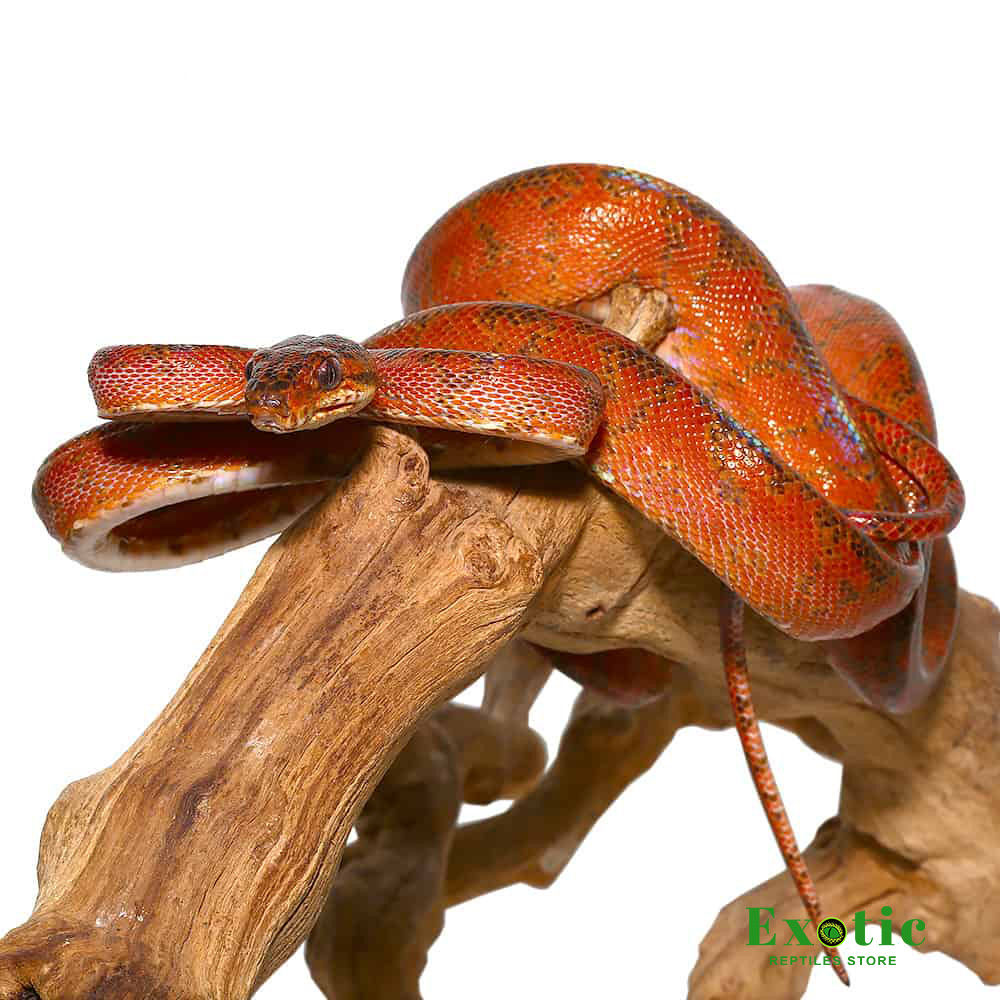
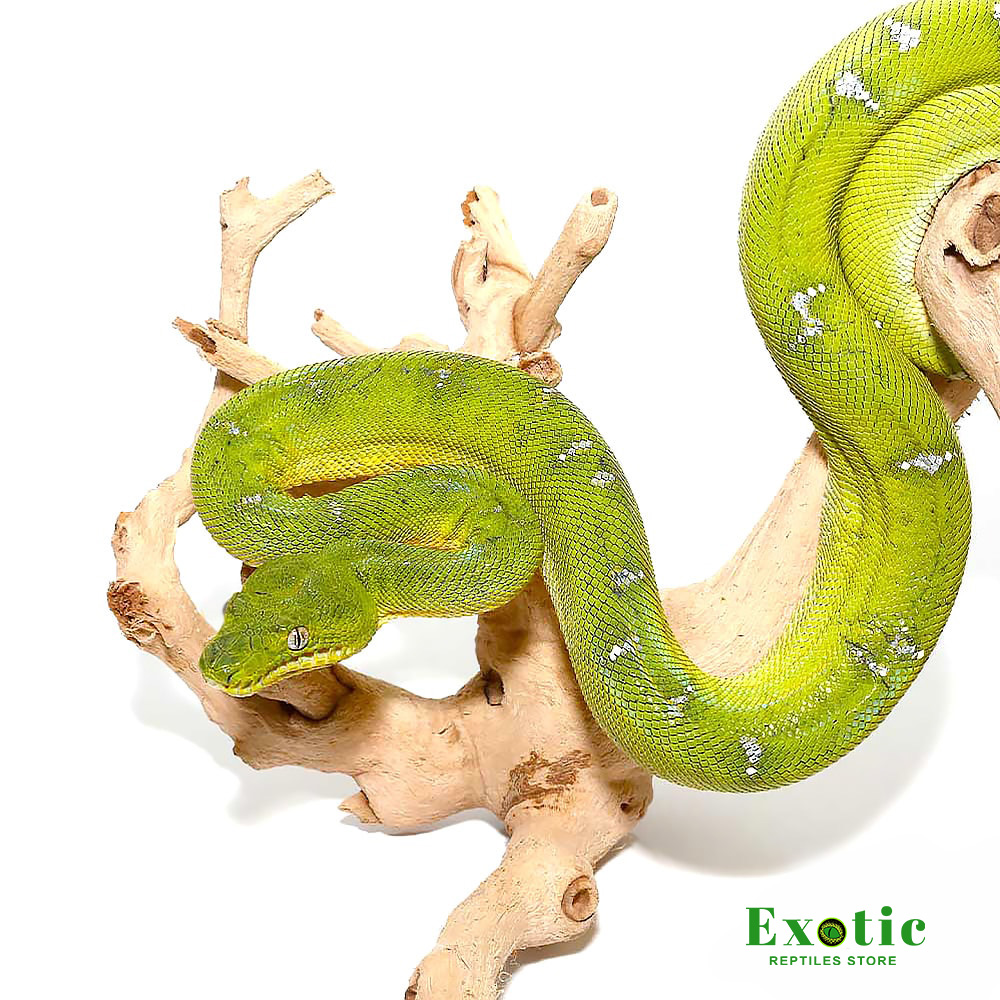
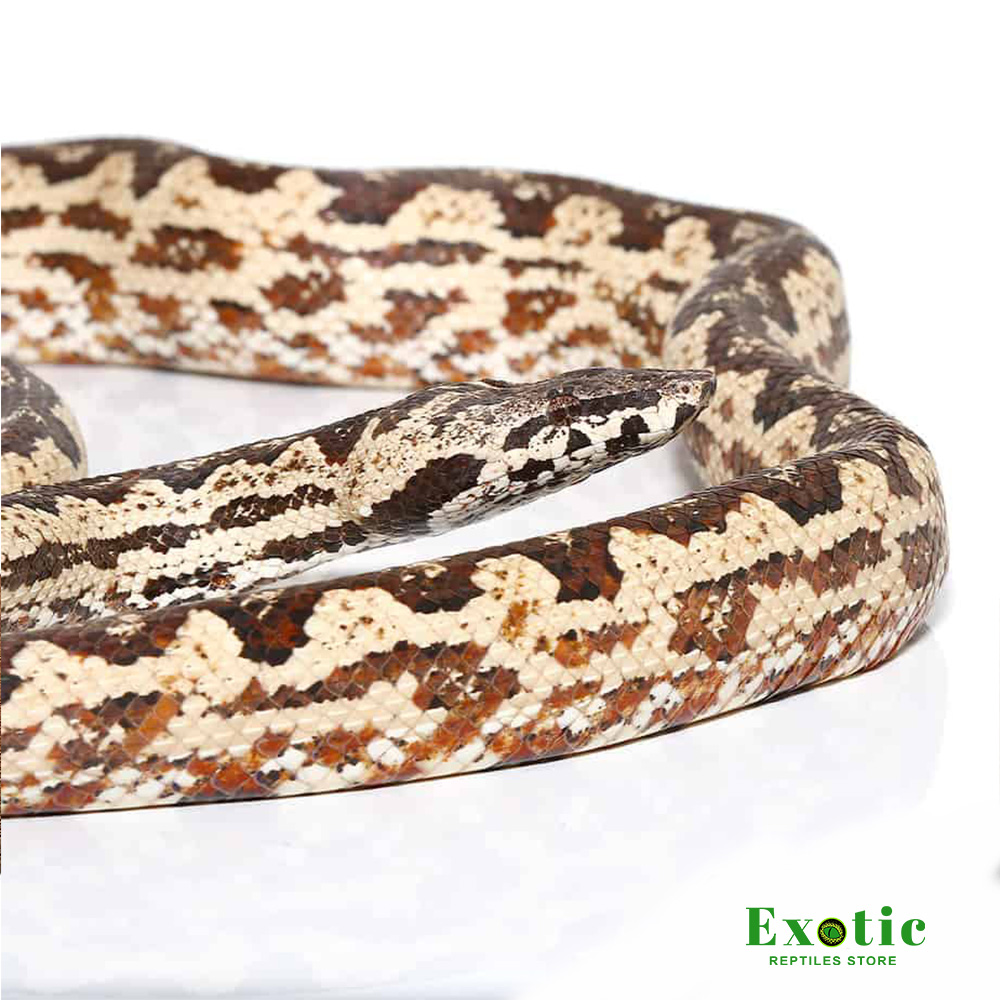
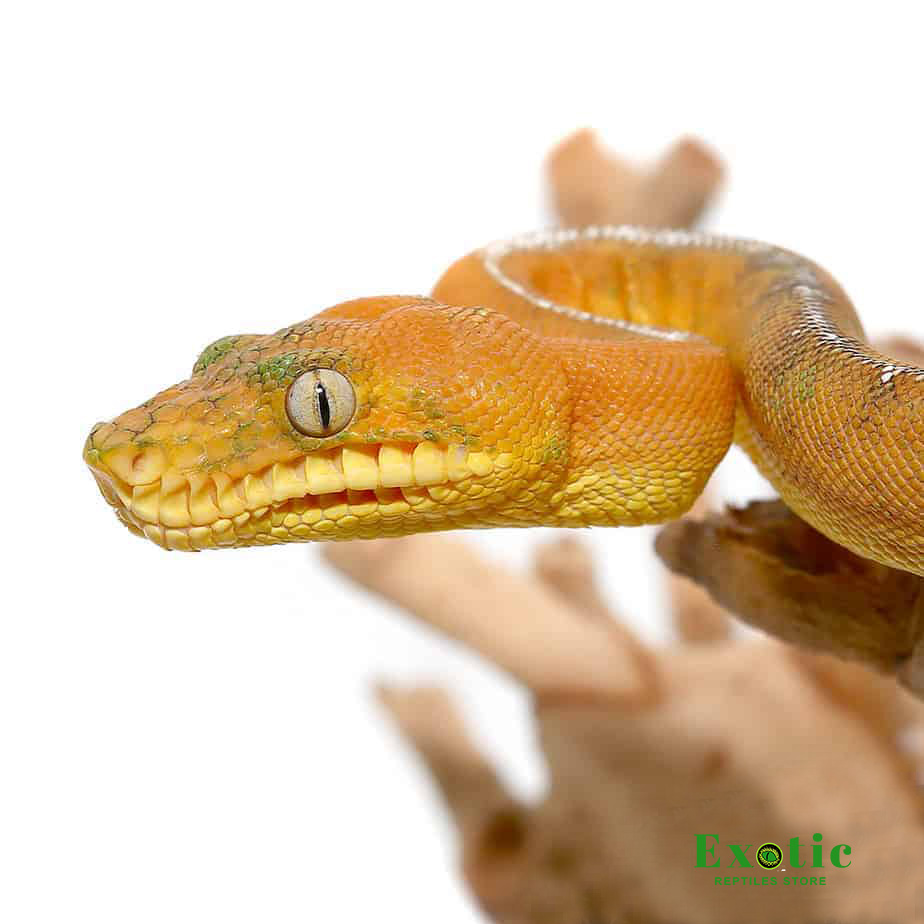
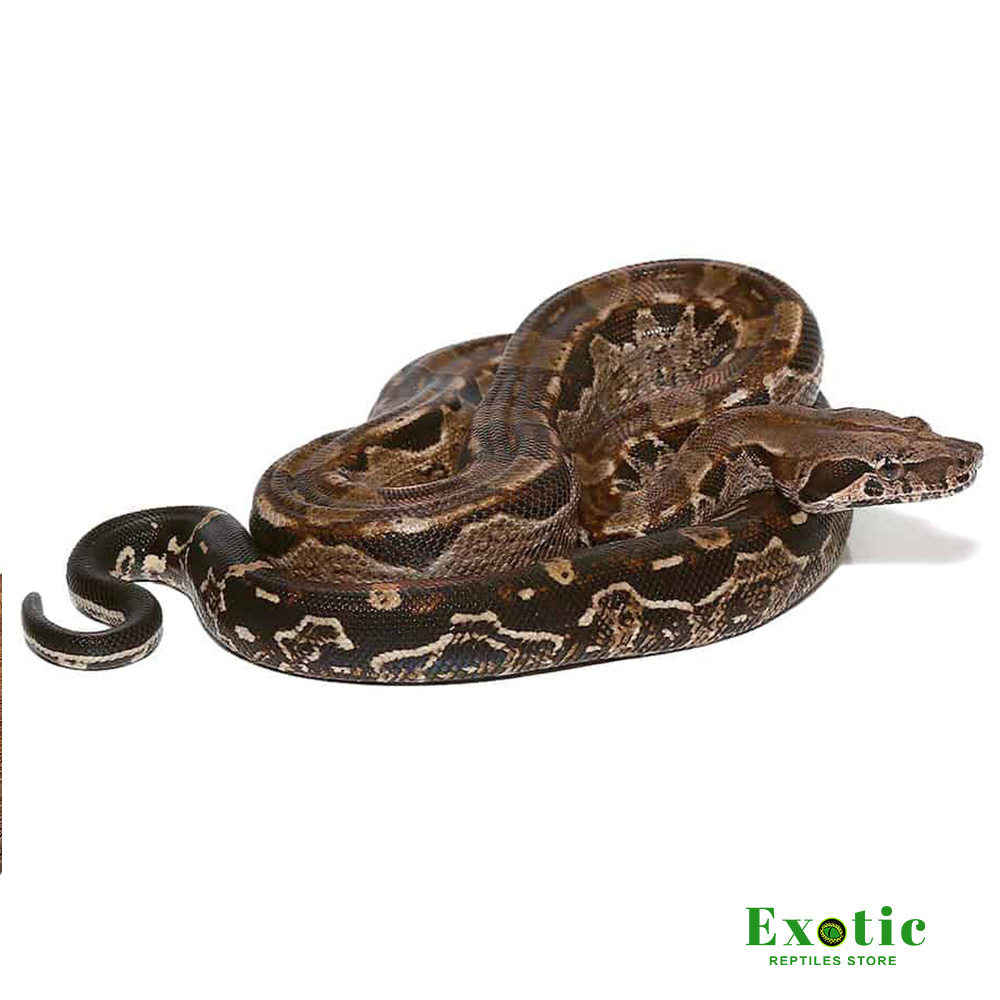
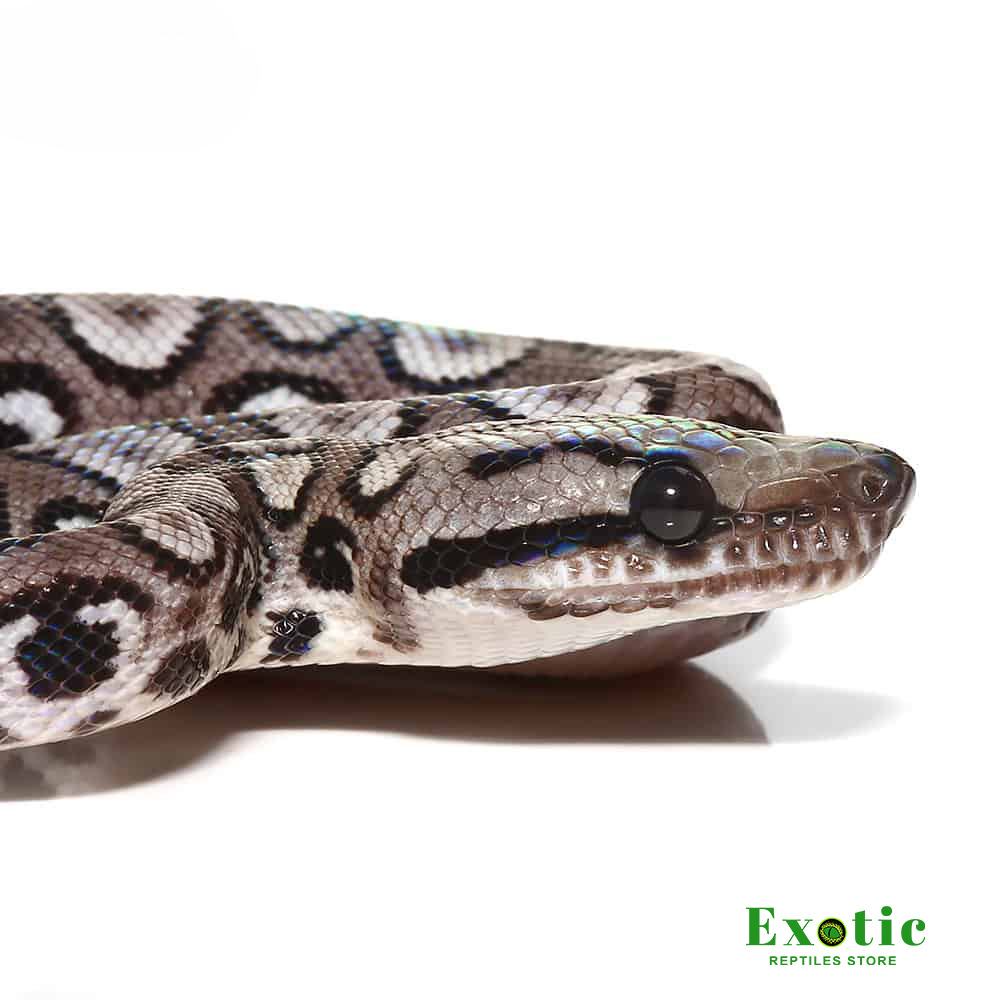
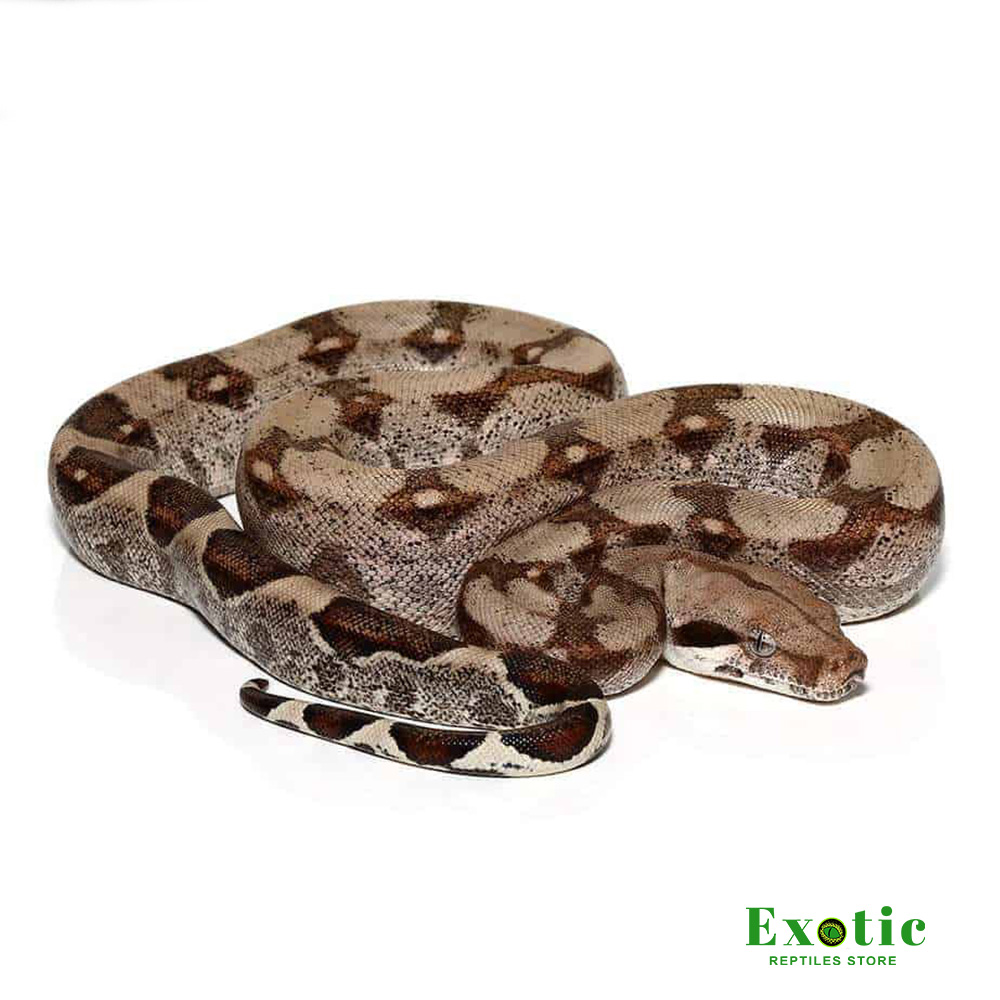
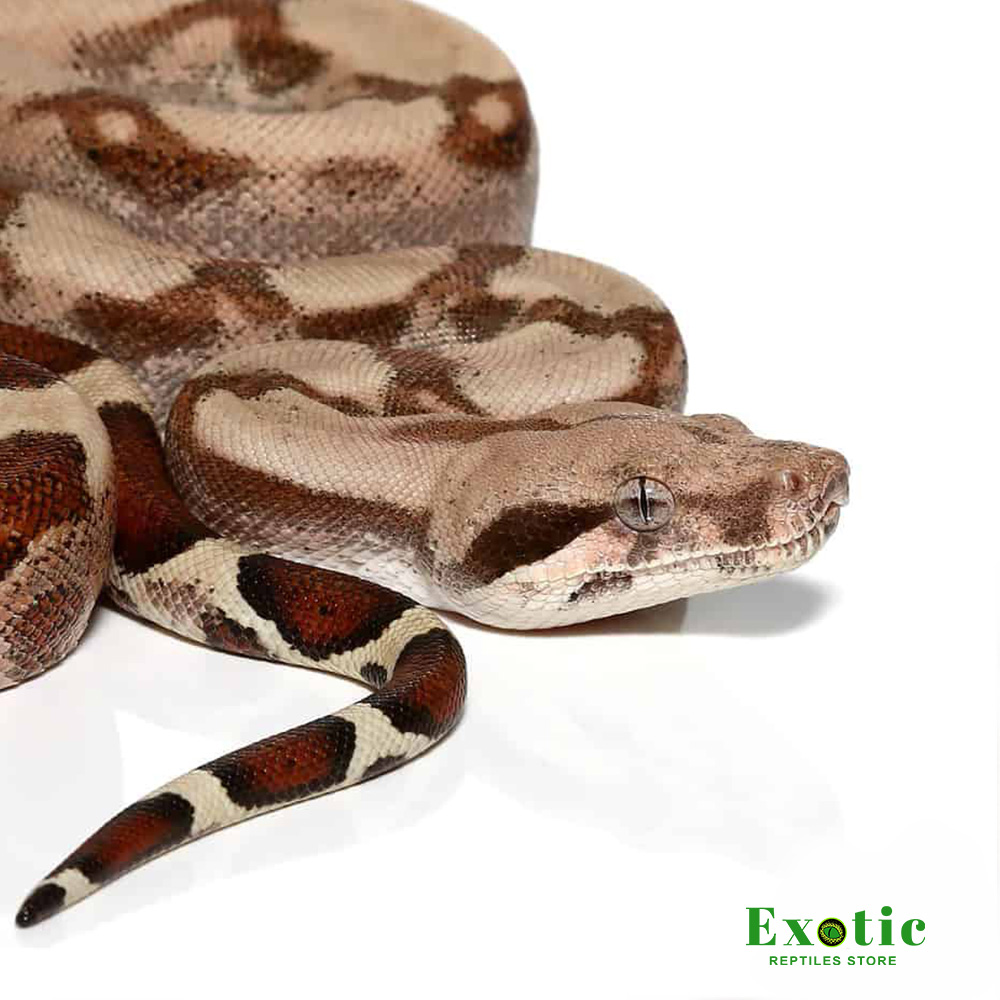
Boas display a wide range of colors, patterns, and physical characteristics. Depending on the species and individual animal, their appearance may include earthy tones, contrasting markings, or distinctive pattern variations.
However, visual appearance does not reliably establish an animal’s exact identity, locality, genetic background, age, sex, or health status. If a specific morph, locality, or genetic trait matters to your decision, look for explicit confirmation in the product listing and ask for clarification when necessary.
When comparing boas, prioritize confirmed animal details and care requirements over appearance alone. A visually striking snake is only a suitable choice if you can provide the correct habitat, nutrition, space, and long-term care.
What to Check Before Buying a Boa Online
Before placing an order with Exotics & Aquatics, review the individual listing and make sure you are prepared to receive and care for the animal.
Review the product listing
Check the animal’s stated identity, description, photographs, current availability, and any confirmed animal-specific details.
Clarify missing information
Ask about essential details that are not stated. Do not infer age, sex, origin, health, or feeding history from photographs alone.
Prepare the enclosure
Test temperature, humidity, security, and other required conditions before the animal arrives. Have appropriate food and cleaning supplies ready.
Confirm delivery arrangements
Review available shipping or collection options, timing, applicable charges, and preparation requirements before ordering.
Check local regulations
Confirm the rules governing possession, purchase, sale, and transport of the exact species in your jurisdiction.
Plan for ongoing care
Identify an appropriate veterinarian and budget for food, equipment, enclosure upgrades, maintenance, and unexpected medical expenses.
Explore Related Snake Categories
Discover other snake categories at Exotics & Aquatics to compare appearances, husbandry requirements, and long-term care considerations.

Carpet Pythons for Sale
Explore a diverse group of pythons with species-specific enclosure and environmental requirements.

Ball Pythons for Sale
Learn about another popular group of pet snakes and the importance of appropriate habitat, feeding, and environmental management.

Blood Pythons for Sale
Compare another type of heavy-bodied snake and research its particular space, handling, and husbandry needs.
Use the store’s current category navigation to locate these collections and review live product listings. The links above lead to the main website rather than unverified category URLs.
Frequently Asked Questions About Boas
Are boas suitable for beginners?
Suitability depends on the exact species, its adult size, care requirements, and the keeper’s experience. Research the individual species carefully and make sure you can safely manage its long-term needs.
How large do boas grow?
Adult size varies considerably among boa species. Research the expected adult dimensions of the exact animal and prepare housing that will remain appropriate as it matures.
Are all boas listed on the website available?
Availability may change. Review the current product page and contact Exotics & Aquatics for clarification if you need confirmation before ordering.
Can I identify a boa’s age, sex, or health from its photo?
No. Photographs alone cannot reliably confirm all animal-specific details. Check the listing and request clarification about information important to your decision.
What should I prepare before my boa arrives?
Prepare a secure, species-appropriate enclosure and test its environmental conditions in advance. Arrange suitable food, water, cleaning supplies, and access to veterinary care.
What do boas eat?
Feeding requirements depend on the species, size, and individual condition. Research suitable prey and feeding schedules, and consult a qualified reptile veterinarian if you have concerns about nutrition.
Do boas require permits?
Rules vary by location and species. Check the applicable possession, sale, and transport regulations before purchasing, including whether a permit or other authorization is required.
Contact Exotics & Aquatics
Exotics & Aquatics encourages careful research and responsible animal ownership. Review the individual boa listing, confirm any details that matter to your decision, and ensure that you can provide suitable care throughout the animal’s life.
Care information is general and should be checked against current, species-specific guidance. Product availability and animal-specific details are determined by each live listing.