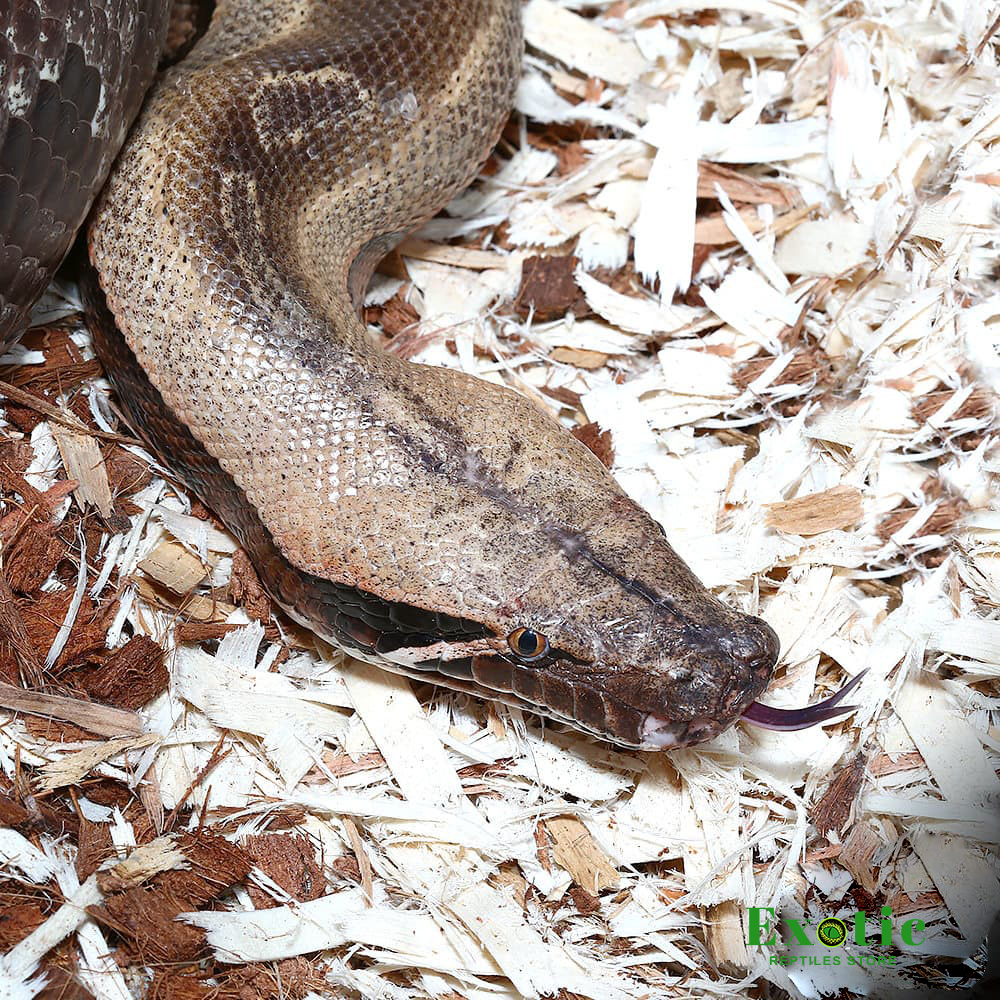
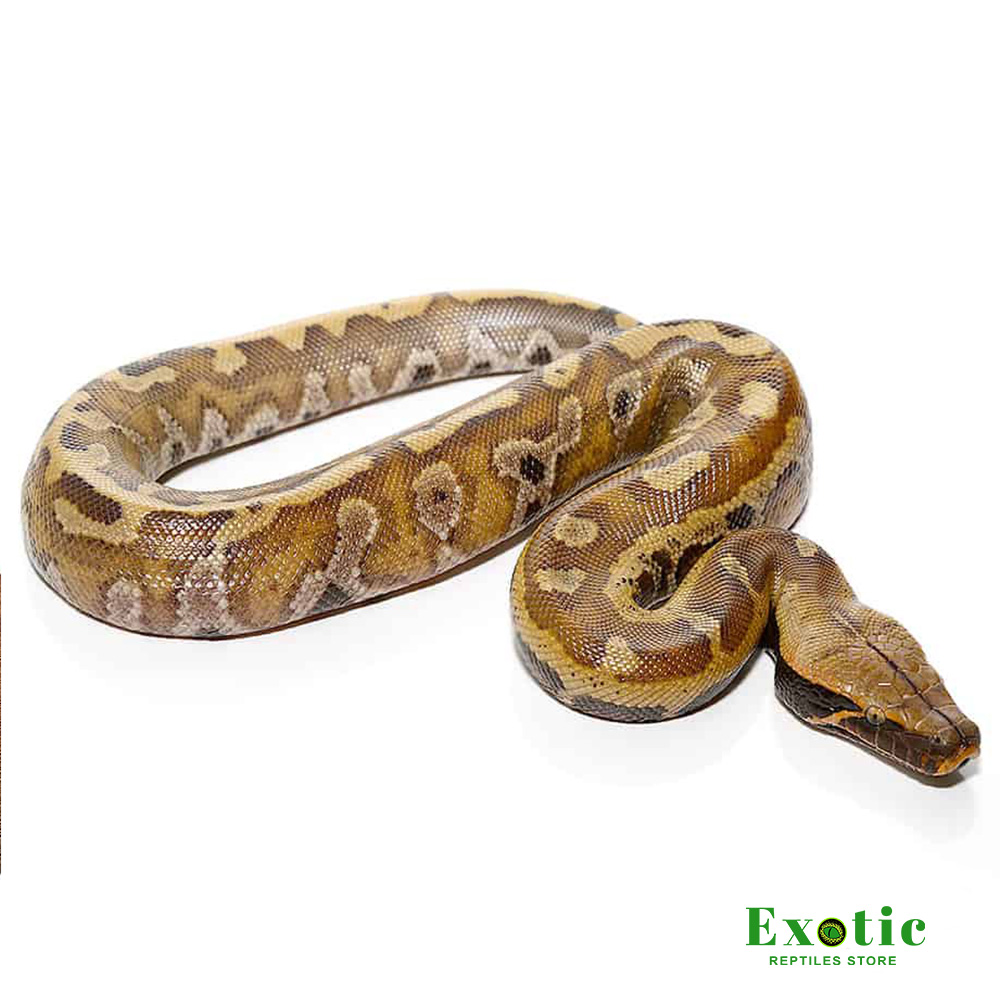
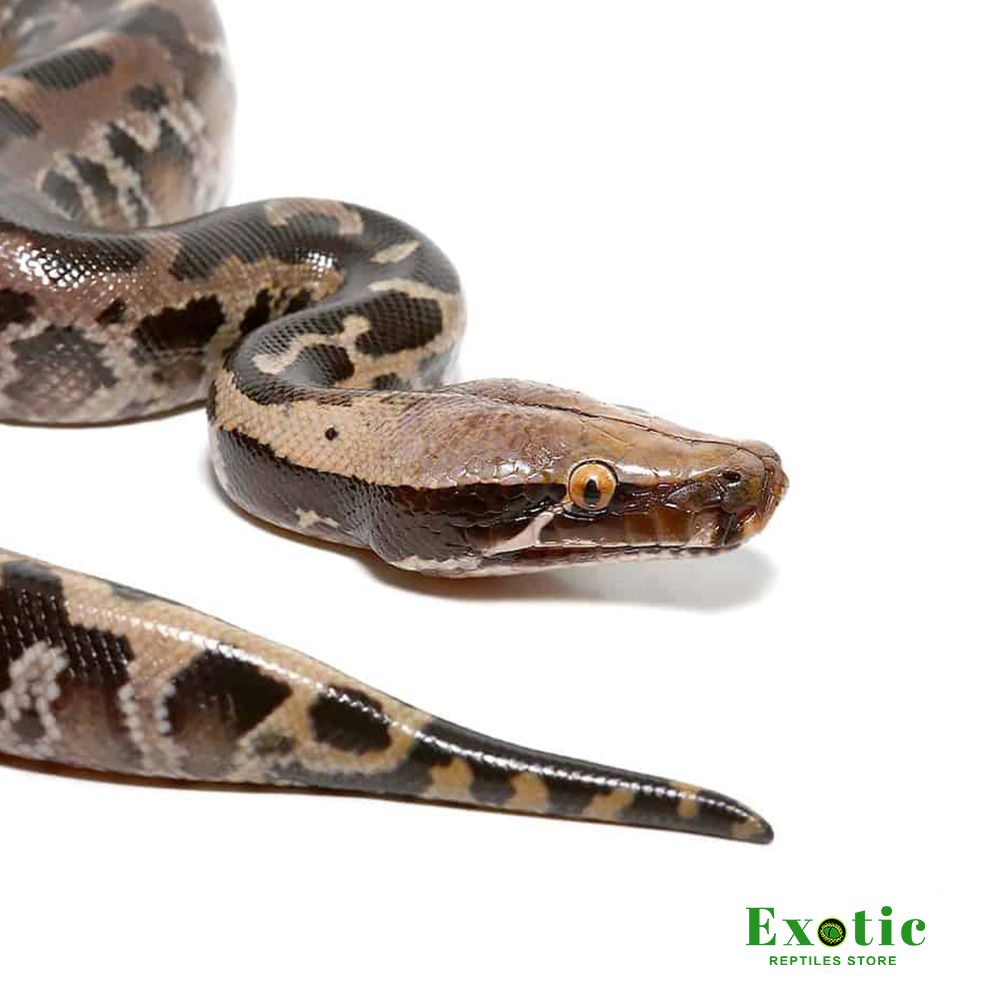
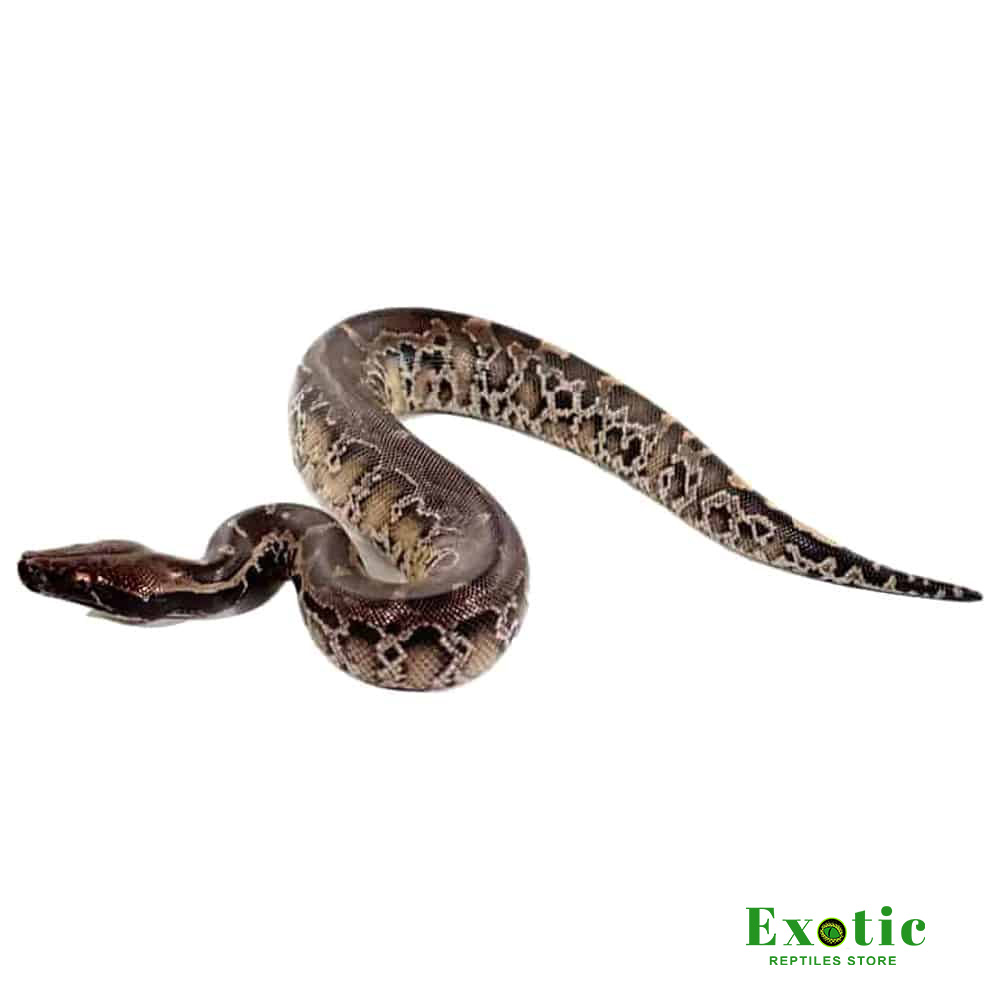
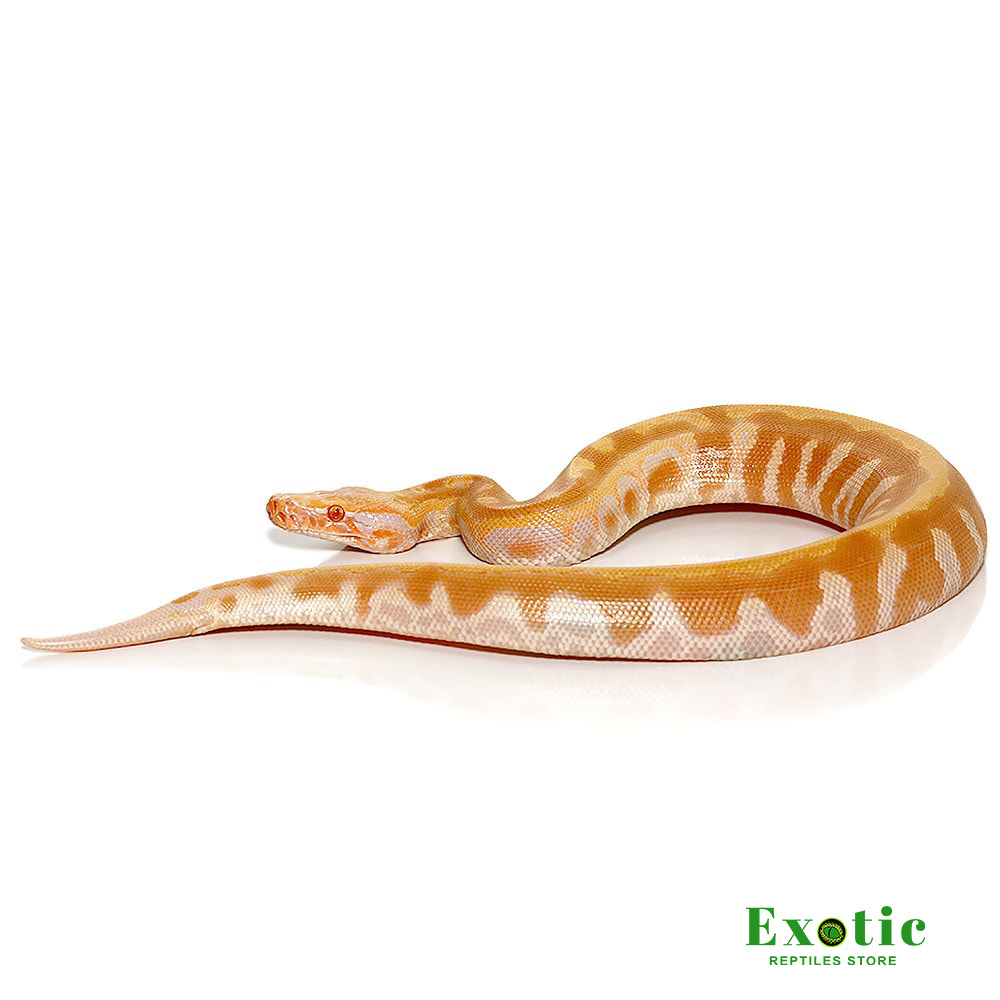
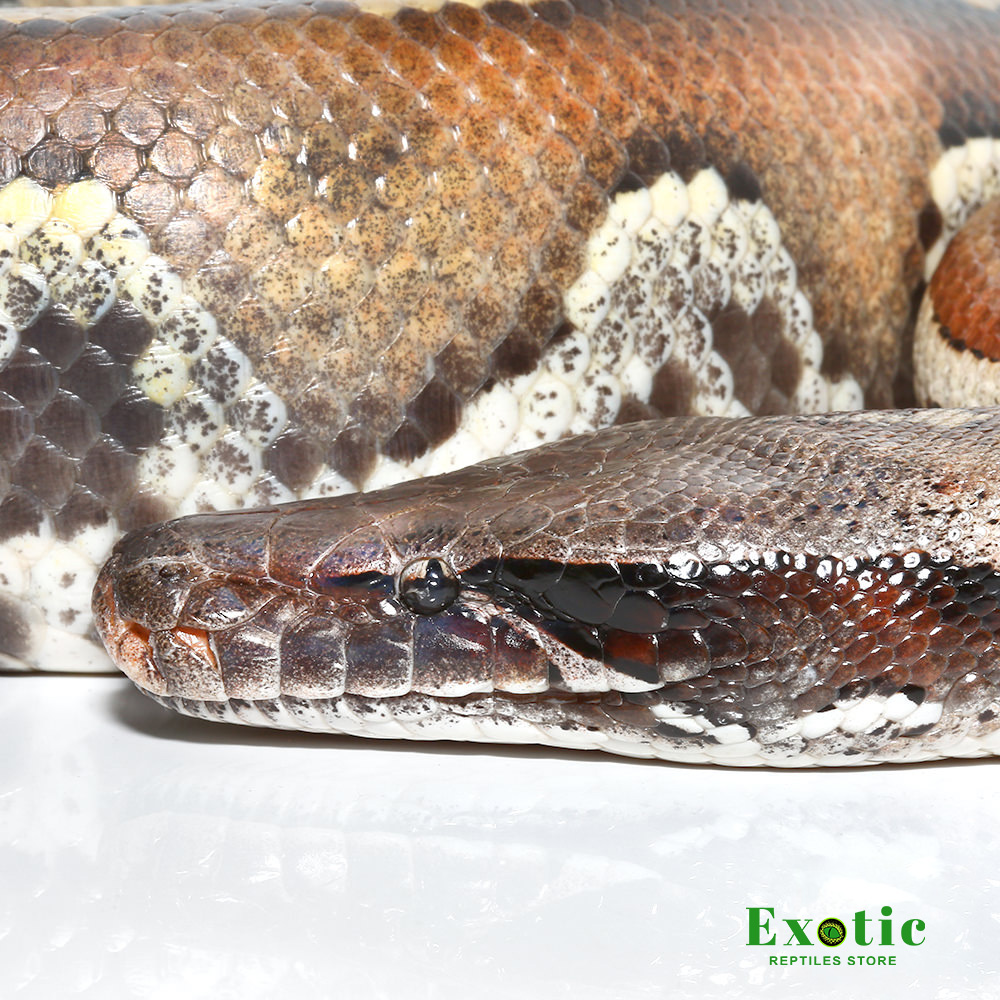
Blood Pythons for Sale at Exotics & Aquatics
Explore blood pythons for sale at Exotics & Aquatics, where you can review listings for these distinctive, heavy-bodied pythons and learn more about the preparation required for responsible ownership. Blood pythons are known for their muscular build, striking coloration and substantial adult body mass. They require careful enclosure planning, consistent environmental management and a thoughtful approach to handling.
Choosing a blood python should involve more than appearance alone. Before purchasing, consider the animal’s confirmed identity, adult care requirements, expected lifespan, feeding needs and whether you have the experience and facilities to provide suitable long-term care. Review each product listing for current availability and the individual details explicitly provided. Do not assume an animal’s age, sex, health status, captive-bred status, locality or feeding history unless these details are confirmed in the listing.
Choosing the Right Blood Python
Blood pythons belong to a group of heavy-bodied pythons commonly associated with the genus Python. The name “blood python” is often used for the red blood python, while closely related short-tailed pythons may be marketed under other common names. Confirm the exact species and scientific name whenever possible, because identification can affect the care information you should follow.
Before selecting an animal, evaluate the following factors:
-
Adult size and body mass: Blood pythons are powerfully built snakes. Plan for their adult dimensions and strength rather than choosing an enclosure based only on their current size.
-
Temperament and handling: Individual behavior varies. These snakes should be approached calmly and respectfully, with handling practices suited to their size, behavior and the keeper’s experience.
-
Environmental requirements: Temperature, humidity, ventilation, substrate and access to secure hides must be appropriate for the confirmed species.
-
Feeding and ongoing costs: Consider the recurring cost of suitable prey, enclosure maintenance, replacement equipment and veterinary care.
-
Available space: Ensure you can accommodate a secure, appropriately sized adult enclosure and safely access it for routine maintenance.
-
Long-term commitment: A blood python may remain in your care for many years. Consider whether your housing, schedule and budget can support its needs throughout its life.
If you are new to keeping large constrictors, seek advice from experienced reptile keepers and qualified exotic-animal professionals before making a decision.
Blood Python Habitat and Enclosure Requirements
A suitable enclosure provides security, stable environmental conditions, room for normal movement and access to appropriate hiding places. Blood pythons are strong snakes, so enclosure construction and locking mechanisms deserve particular attention.
Enclosure Size and Security
Choose an enclosure that accommodates the snake’s adult size and allows it to move, rest, thermoregulate and access its water dish comfortably. The enclosure should be sturdy enough to withstand the animal’s strength, with secure doors, reliable latches and openings that prevent escape.
Provide appropriately sized hides and stable furnishings. Any branches, platforms or other structures must be secured so they cannot shift, collapse or injure the snake. Avoid overcrowding the enclosure, but do not leave the animal without suitable cover and secure retreats.
Before the snake arrives, check that:
-
The enclosure closes securely and cannot be pushed open.
-
Hides provide appropriate coverage and fit the animal safely.
-
Water containers are stable, accessible and easy to clean.
-
Heating equipment is installed safely and controlled appropriately.
-
Temperature and humidity readings can be checked reliably.
-
Cleaning and routine maintenance can be completed without unnecessary risk.
Temperature and Humidity
Blood pythons need carefully managed environmental conditions. Exact temperature and humidity targets should be based on the confirmed species and current, reputable husbandry guidance rather than copied from a generic snake-care chart.
Use reliable measuring equipment to monitor conditions in the areas the snake actually uses. Establish an appropriate thermal gradient so the animal can choose between warmer and cooler areas. Heating equipment should be controlled and positioned to prevent burns, overheating or direct contact with unsafe surfaces.
Humidity management requires a balance between suitable moisture levels and adequate ventilation. Persistently unsuitable humidity, poor airflow or wet, dirty substrate can contribute to health and skin problems. Monitor conditions consistently and adjust the enclosure as needed.
Run the enclosure and test the equipment before bringing the snake home. This helps identify temperature fluctuations, equipment failures and humidity problems before they affect the animal.
Substrate, Water and Cleanliness
Select a substrate appropriate for the species and enclosure conditions. It should support routine cleaning and humidity management without creating avoidable ingestion, irritation or sanitation risks.
Provide fresh, clean water in a sturdy container that the snake can access easily. Check it regularly and replace it whenever it becomes dirty. Remove waste promptly, maintain clean furnishings and follow appropriate hygiene practices when handling the snake, prey items and enclosure equipment.
Keep the enclosure away from smoke, aerosols, strong fumes and household cleaning chemicals. Establish a consistent cleaning routine and ensure any cleaning products are suitable for use around reptiles, following their directions carefully.
Feeding and Nutrition for Blood Pythons
A responsible feeding plan takes the animal’s confirmed species, age, body condition, activity and feeding history into account. Blood pythons are carnivorous, and their feeding requirements should be based on appropriate prey size and a schedule suited to the individual snake.
Before purchasing, make sure you can obtain suitable prey consistently and store it safely. Ask the seller about any feeding information available if it is not included in the product listing. Do not assume a snake is feeding reliably or accepting a particular prey type unless this is confirmed.
Responsible Feeding Practices
-
Use prey of an appropriate size for the individual snake.
-
Follow a feeding schedule suited to the animal’s age, body condition and needs.
-
Avoid overfeeding and monitor changes in body condition over time.
-
Handle prey safely and maintain good hygiene before and after feeding.
-
Record feeding dates and relevant observations.
-
Seek veterinary advice if appetite changes persist or the snake shows unexplained weight loss or gain.
Do not rely on a feeding routine designed for a different python species without checking whether it is appropriate. Supplementation is not a substitute for a suitable diet, and any additional nutritional measures should be based on qualified, species-specific advice.
Handling, Behavior and Everyday Care
Blood pythons are powerful constrictors and should not be treated as casual handling pets. Their strength, size and individual behavior make safe handling procedures an important part of responsible ownership.
Allow a newly acquired snake time to settle into its prepared enclosure. Minimize unnecessary disturbance while monitoring environmental conditions and the animal’s behavior. Handling should be purposeful, calm and appropriate to the snake’s condition and the keeper’s experience.
For larger or particularly strong individuals, arrange assistance from an experienced second person when appropriate. Never rely on a snake’s apparent stillness or calm behavior as a guarantee that handling will always be predictable. Children and inexperienced visitors should not handle a large constrictor without suitable, competent supervision.
Build a daily and weekly care routine that includes:
-
Checking temperature and humidity readings.
-
Confirming that clean water is available.
-
Removing waste and inspecting enclosure cleanliness.
-
Observing movement, breathing and general behavior.
-
Monitoring feeding, shedding and body condition.
-
Checking enclosure doors, locks and equipment.
-
Recording changes that may need further attention.
Identify an exotic-animal veterinarian with relevant reptile experience before bringing a blood python home. Persistent appetite changes, injuries, abnormal breathing, unusual discharge, marked lethargy or other concerning changes warrant professional veterinary assessment. Online information cannot replace a veterinary examination.
What to Know Before Buying a Blood Python Online
Purchasing a live reptile online requires preparation, clear communication and attention to the individual listing. Use the following checklist before completing your order.
-
Read the full product listing. Confirm the animal’s stated identity, current availability and any details provided about its care or history.
-
Ask about missing information. If age, sex, feeding history or other details are important to your decision but are not stated, request clarification rather than inferring them from photographs.
-
Prepare the enclosure in advance. Confirm that housing, heating, monitoring equipment, hides and water are ready and working.
-
Review shipping or collection arrangements. Confirm the available method, expected timing, applicable requirements and what you need to prepare for arrival.
-
Check applicable laws. Review local and state rules concerning possession, sale and transport of the animal. Check whether permits or additional restrictions apply.
-
Review the store’s policies. Read the current purchase, shipping and other relevant policies before placing an order.
-
Arrange veterinary support. Identify a qualified exotic-animal veterinarian and understand how you would access care if needed.
-
Plan for the long term. Budget for food, electricity, enclosure maintenance, equipment replacement and veterinary expenses.
Animal availability and individual details can change. Always rely on the current product page and direct confirmation from Exotics & Aquatics for order-specific information.
Related Reptile Categories
Comparing related snake categories can help you understand how body size, behavior, habitat needs and care commitments differ.
-
Snakes: Explore a broader selection of snake listings and compare different groups.
-
Boas: Learn about another group of constrictors with distinct husbandry considerations.
-
Carpet Pythons: Compare another python group with different physical characteristics and enclosure requirements.
-
Ball Pythons: Research a commonly kept python group with its own species-specific care needs.
Choose a reptile based on the care you can reliably provide rather than assuming related species have identical requirements.
Frequently Asked Questions About Blood Pythons
Are blood pythons suitable for beginners?
Blood pythons are generally better suited to keepers who have researched large, powerful constrictors and can provide secure adult housing, consistent environmental management and safe handling procedures. Beginners should seek experienced guidance and carefully evaluate their readiness before purchasing one.
How large do blood pythons get?
Adult size varies with the exact species, sex and individual. Blood pythons are notably heavy-bodied, so prospective owners should plan for substantial body mass and strength. Research the confirmed species and prepare an enclosure suitable for the expected adult animal.
What enclosure does a blood python need?
A blood python needs a secure enclosure appropriate for its adult dimensions, with suitable hides, stable furnishings, clean water, appropriate heating and carefully monitored humidity. Exact enclosure dimensions and environmental targets should follow current guidance for the confirmed species.
What do blood pythons eat?
Blood pythons are carnivorous and require an appropriate prey-based diet. Prey size and feeding frequency should be determined by the snake’s species, age, body condition and individual needs. Consult reliable species-specific husbandry resources or a qualified reptile professional when establishing a feeding plan.
Are all blood pythons listed on the website available?
Availability can change. Check the current product page for the latest listing details and contact Exotics & Aquatics if you need confirmation before ordering.
Can I determine a snake’s age, sex or health from its photograph?
Not reliably. Photographs alone do not confirm age, sex, health status, origin, captive-bred status or feeding history. Use the details explicitly provided in the listing and ask the seller for clarification when necessary.
Should I prepare the enclosure before the snake arrives?
Yes. Set up the enclosure, test heating and monitoring equipment, confirm stable conditions, and prepare food and cleaning supplies in advance. A ready habitat helps reduce avoidable disruption after arrival.
Do I need to check local laws before buying?
Yes. Laws governing reptile ownership, sale and transport can vary by location and species. Confirm the rules that apply to your circumstances and obtain any required permits before completing a purchase.
Contact Exotics & Aquatics
Exotics & Aquatics encourages informed reptile ownership and careful preparation. Review each blood python listing, confirm important animal-specific details and make sure you can provide suitable care throughout the animal’s life before purchasing.
Exotics & Aquatics
-
Website: https://www.exoticsandaquatics.com/
-
Address: 6447 Williamson Rd, Roanoke, VA 24019
-
Email: sales@exoticsandaquatics.com
Care information is general and should be checked against current, species-specific guidance. Product availability and animal-specific details are determined by each live listing. Always follow applicable wildlife and animal-ownership laws and seek qualified veterinary advice for health concerns.