Ball Pythons for Sale at Exotics & Aquatics
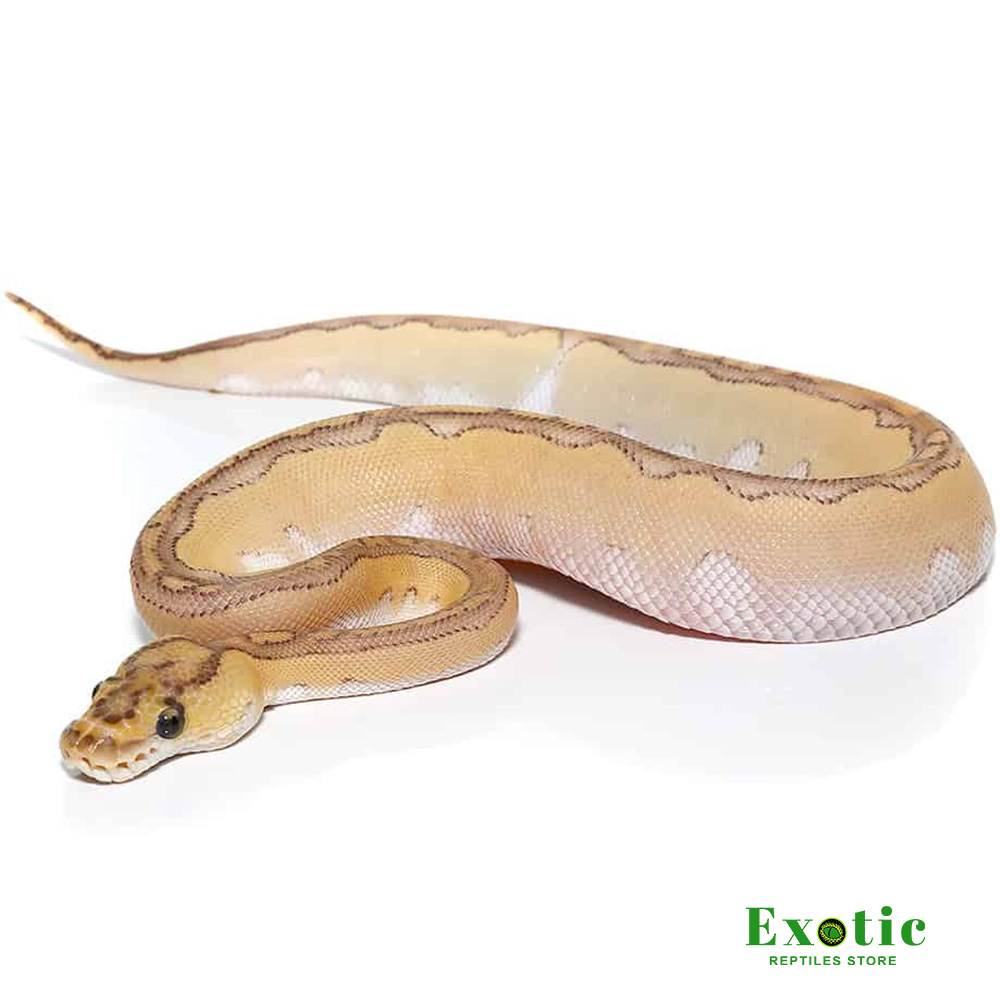
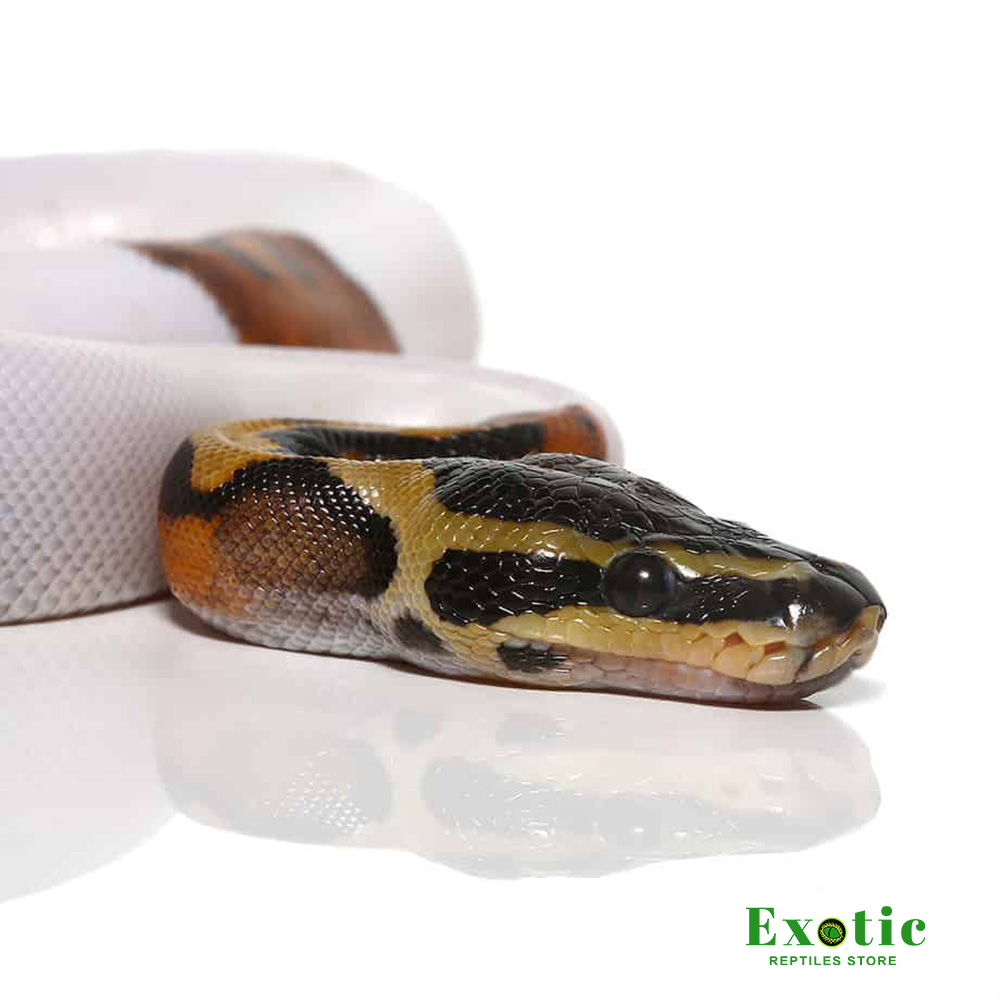
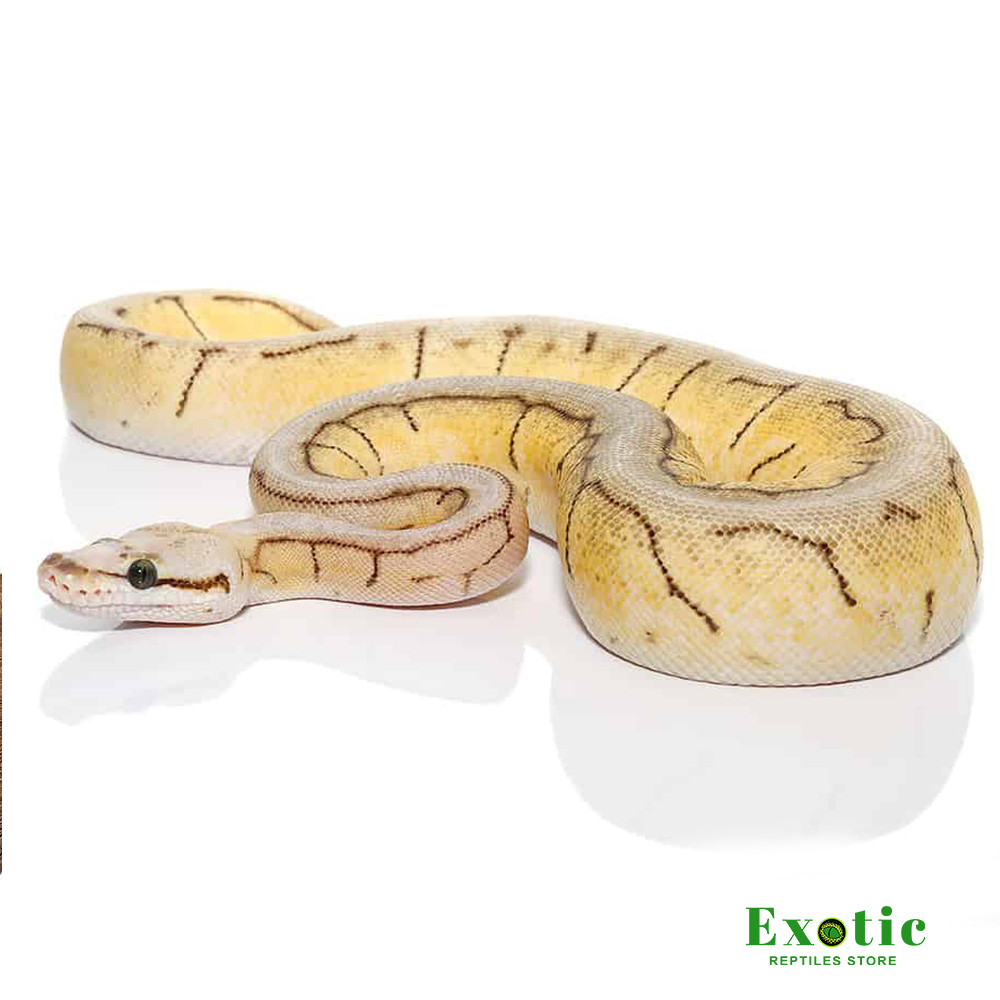
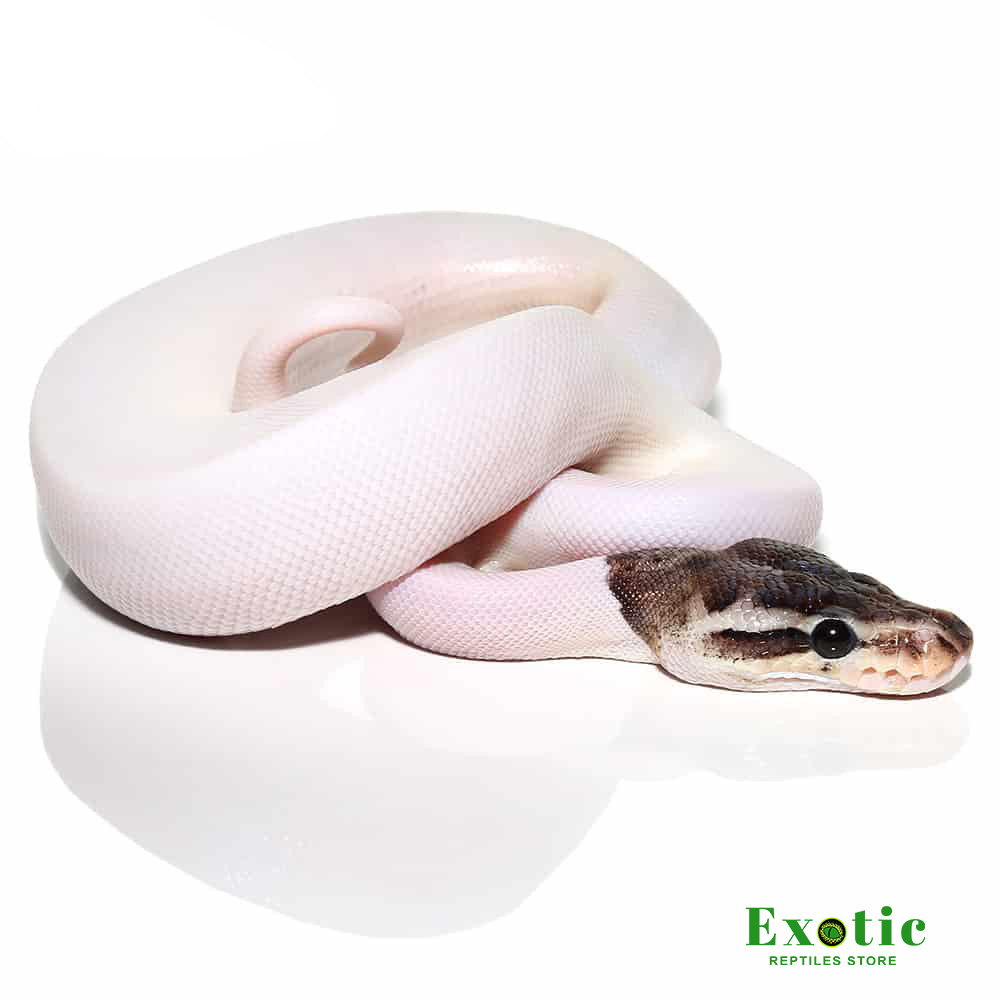
Explore ball pythons for sale at Exotics & Aquatics, where you can compare individual listings for one of the most recognizable species of pet python. Ball pythons (Python regius), also known as royal pythons, are known for their relatively compact adult size compared with many other python species, their distinctive patterns, and their tendency to seek secure hiding places.
Although ball pythons are commonly kept in captivity, they still require carefully managed temperatures, suitable humidity, secure enclosures, and appropriate feeding practices. Their needs should never be overlooked simply because they are a familiar species in the reptile hobby.
When choosing a ball python, research its long-term care requirements, review the information provided in its individual product listing, and consider whether you can provide consistent care throughout its life. Do not assume an animal’s age, sex, health status, captive-bred status, locality, or feeding history unless the listing explicitly confirms it.
Exotics & Aquatics encourages responsible reptile ownership through informed research, suitable habitat preparation, and careful consideration of each animal’s needs.
Explore Ball Pythons for Sale
Ball pythons are native to parts of West and Central Africa and are commonly associated with habitats that provide cover, suitable hiding places, and opportunities to regulate body temperature. In captivity, their welfare depends on a secure environment, an appropriate thermal gradient, suitable humidity, and a consistent feeding routine.
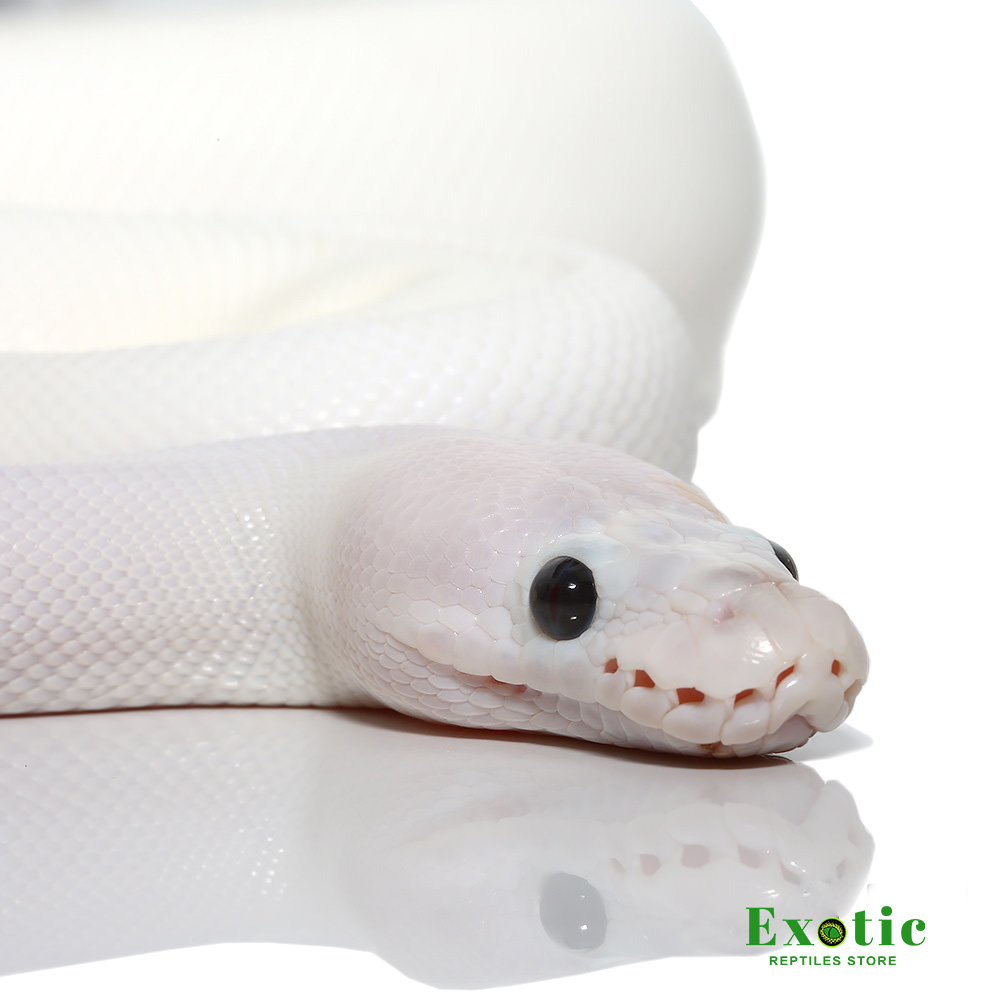
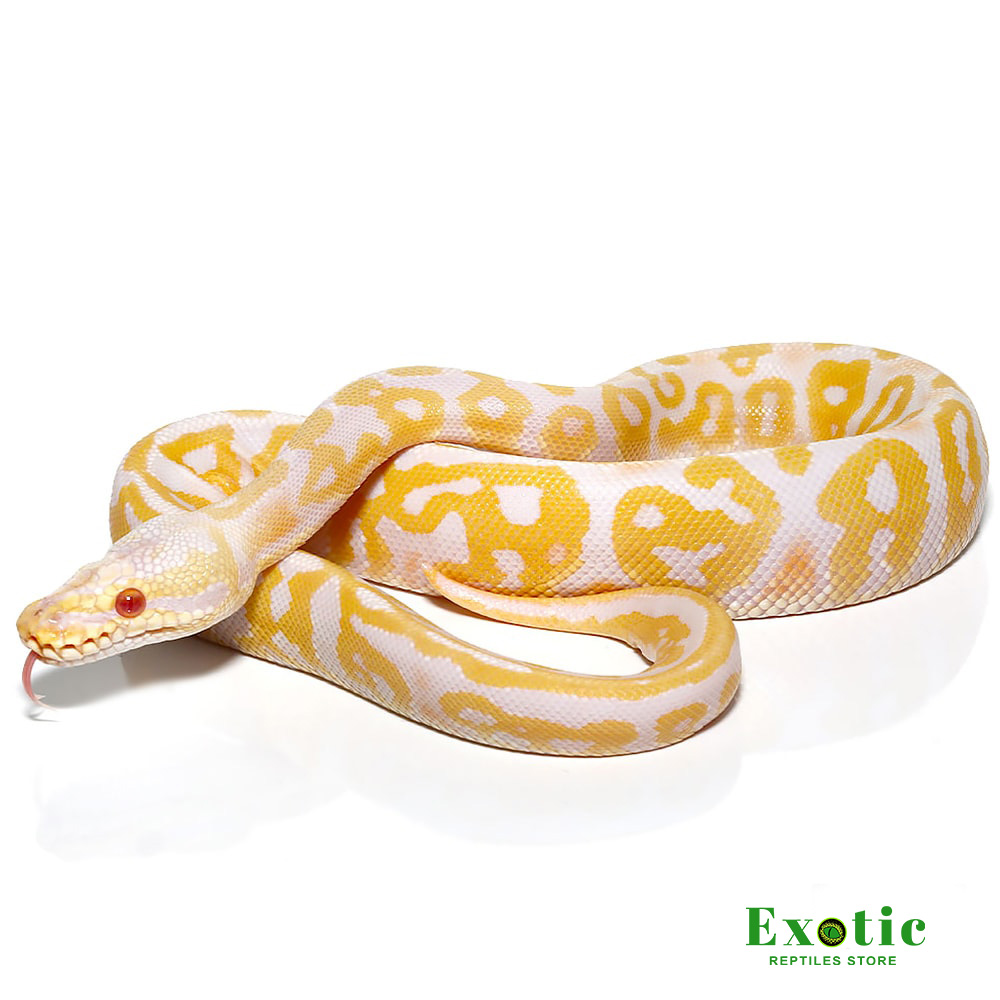
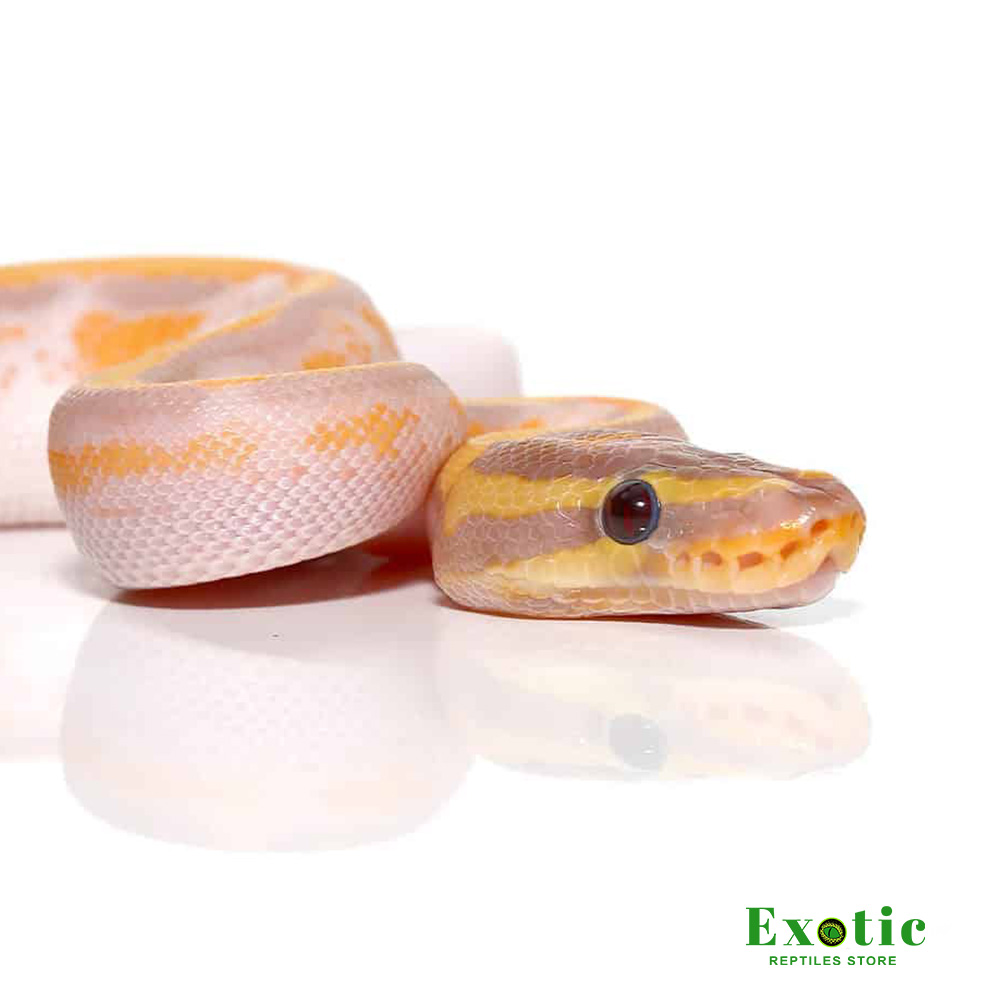
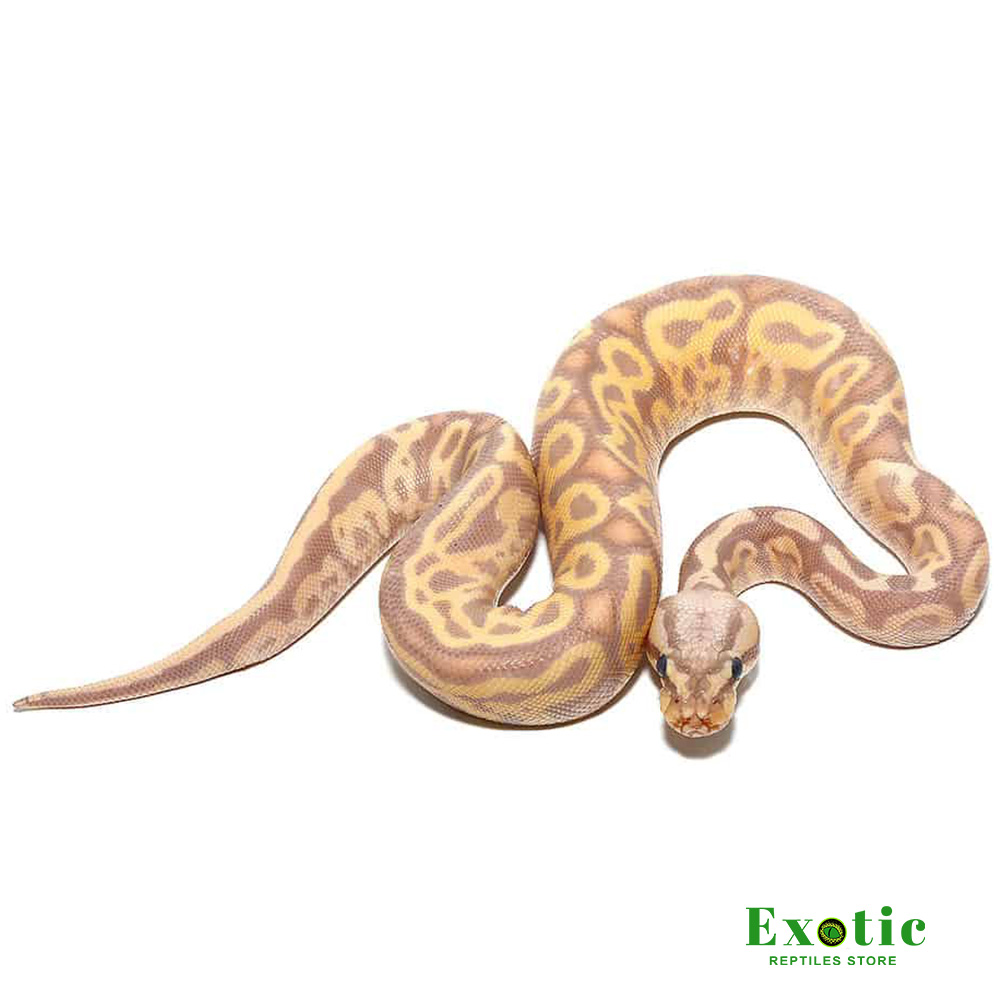
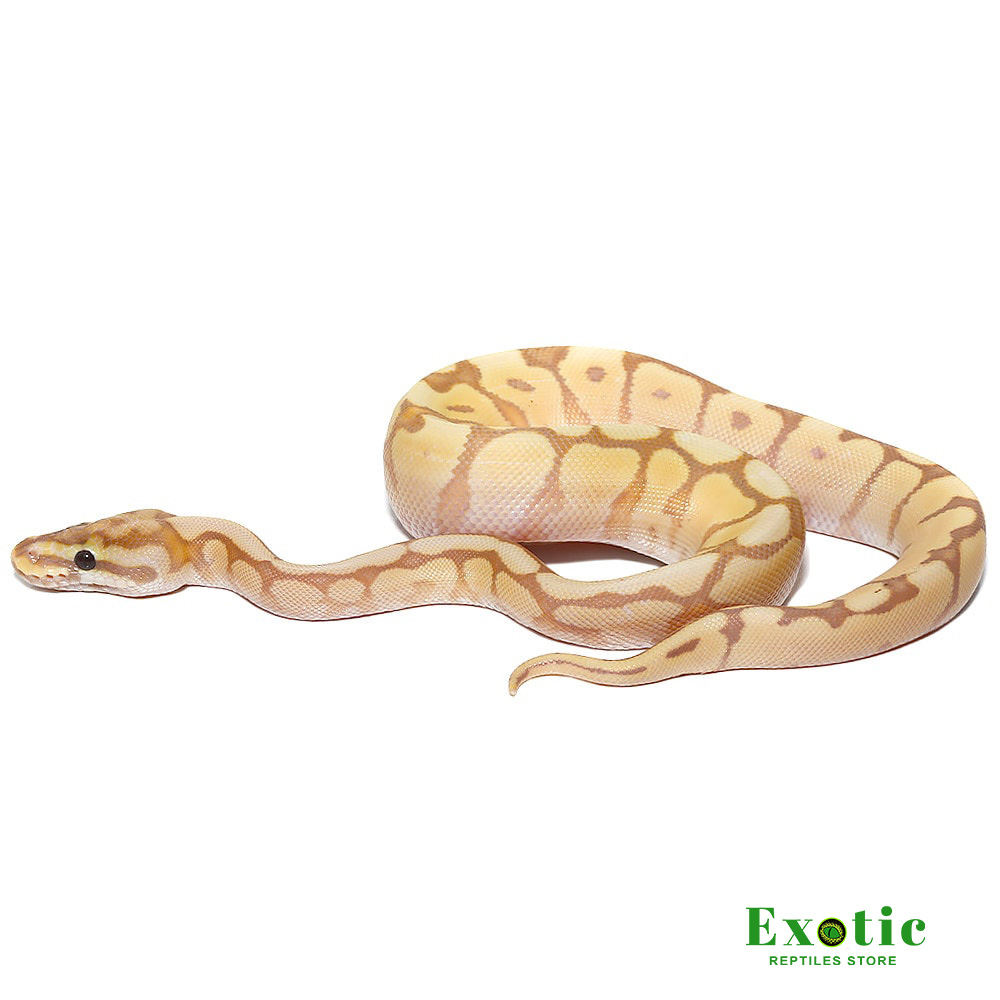
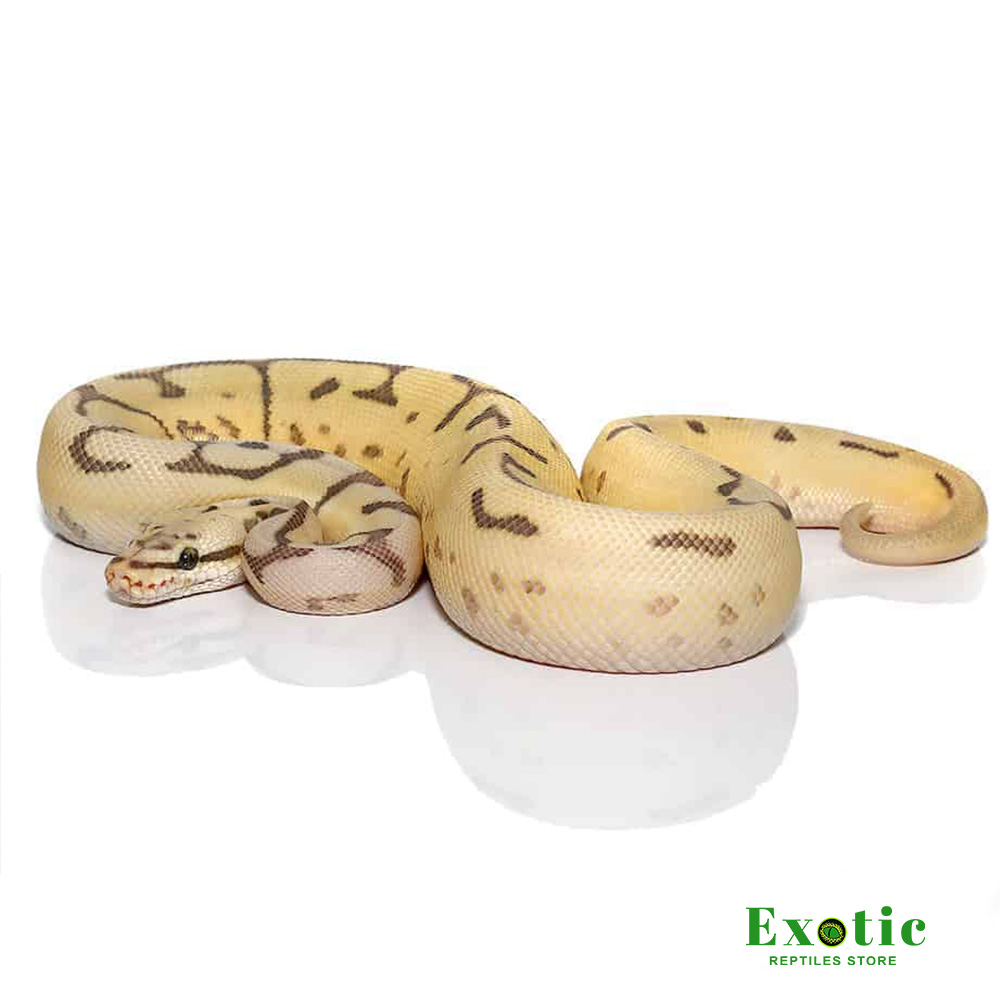
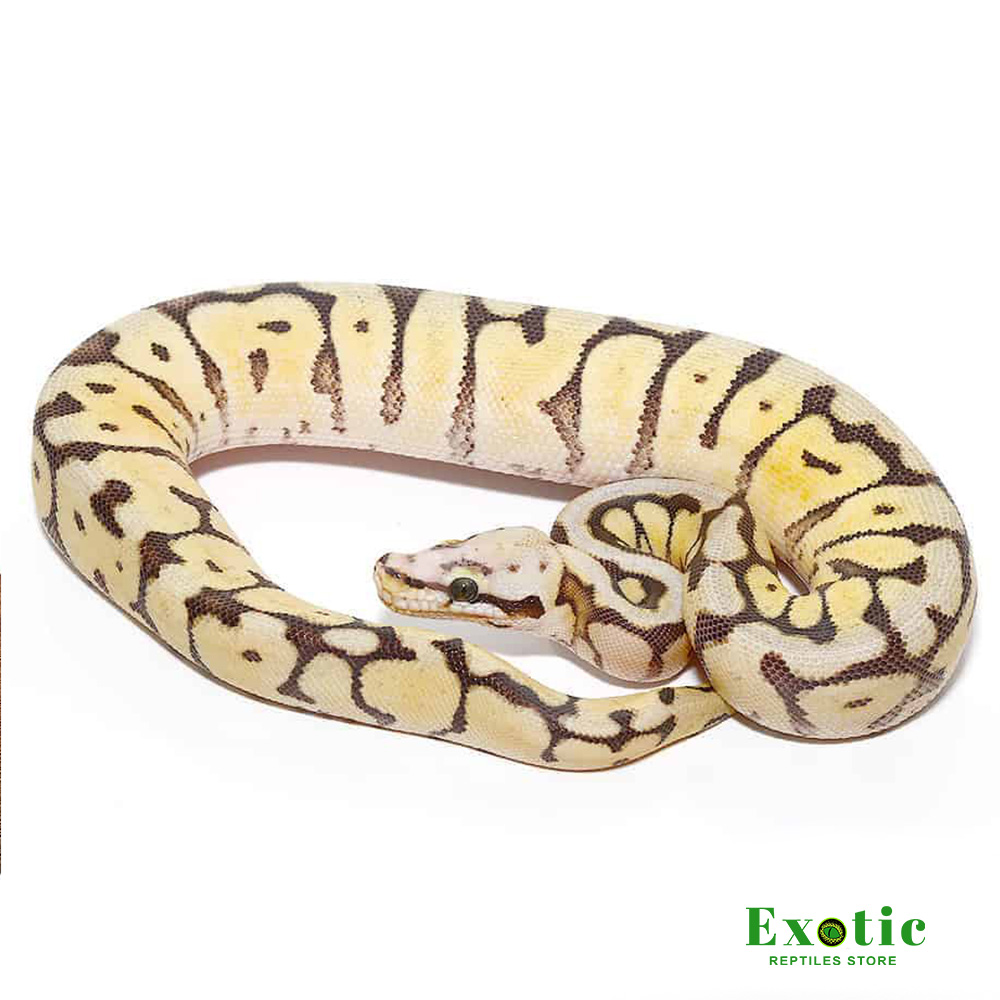
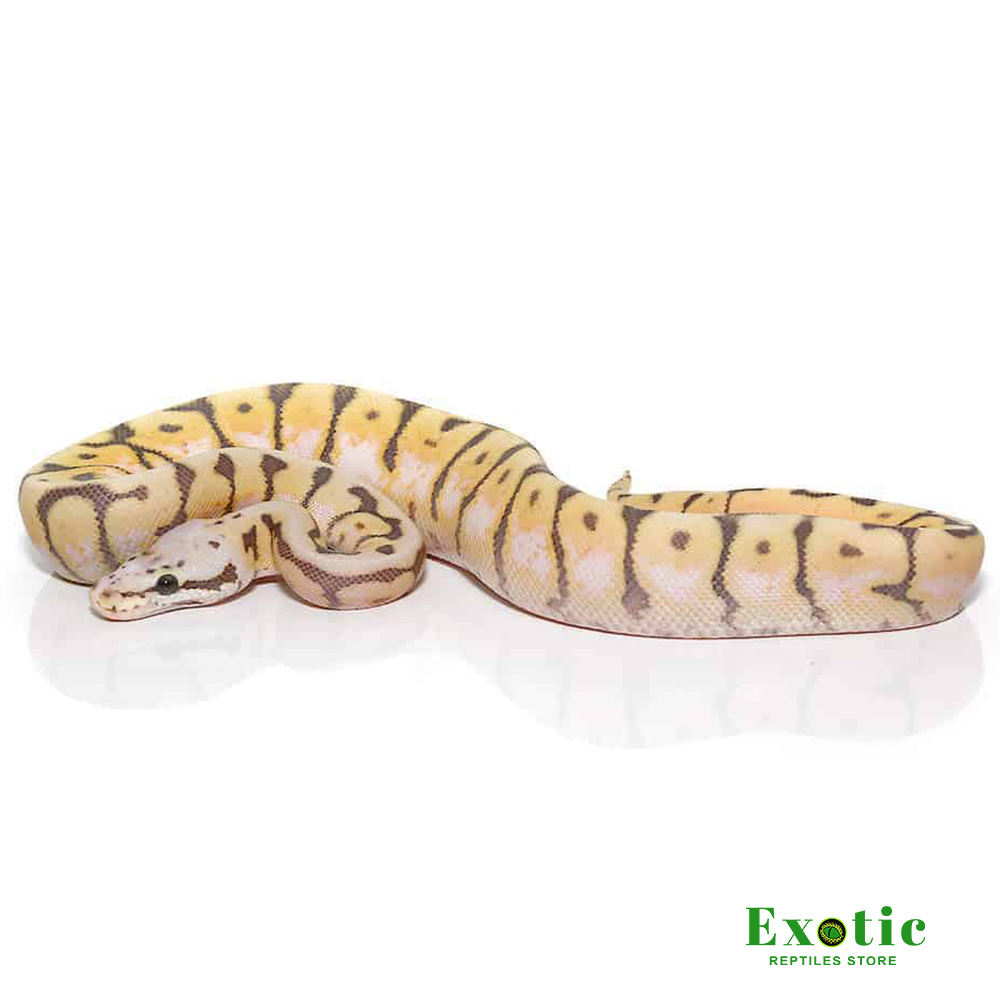
Ball pythons may display a wide range of colors and patterns. These differences can be visually appealing, but appearance alone does not establish an animal’s health, temperament, genetic background, or care history.
When comparing available listings, consider the animal’s confirmed identity, stated characteristics, and any individual details provided by the seller.
Before choosing a ball python, ask yourself:
-
Can I maintain appropriate warm and cool areas within a secure enclosure?
-
Can I monitor temperature and humidity consistently?
-
Am I prepared to provide suitable prey and maintain safe feeding practices?
-
Can I afford appropriate equipment, replacement supplies, and veterinary care?
-
Do I have access to a veterinarian experienced with reptiles?
-
Can I provide a stable environment and responsible care for many years?
-
Have I checked applicable ownership and transportation regulations?
These considerations help you assess whether a ball python is suitable for your home, experience, and long-term plans.
How to Choose the Right Ball Python
Research the Species and Individual Listing
The scientific name for the ball python is Python regius. However, confirming the species is only the first step when assessing an individual animal.
Read the full product listing and check which details are explicitly provided. If age, sex, feeding history, or other information matters to your decision and is not stated, ask the seller rather than relying on photographs or assumptions.
You should also understand the animal’s expected adult size, feeding requirements, environmental needs, and potential lifespan before purchasing.
Consider Adult Size and Long-Term Care
Ball pythons generally remain smaller than many other python species, but they still need an enclosure that allows appropriate movement, temperature regulation, and access to secure hiding places.
Plan for the animal’s expected adult dimensions rather than choosing an enclosure solely for its current size. Housing should accommodate a suitable thermal gradient, furnishings, water, and enough usable space for normal behavior.
A suitable enclosure also makes it easier to maintain environmental conditions and observe the snake without unnecessarily disturbing it.
Understand Temperament and Handling
Ball pythons are often described as relatively docile, but individual behavior varies. A snake may become defensive or stressed when frightened, disturbed, handled inappropriately, or kept under unsuitable conditions.
Learn appropriate handling practices and allow a newly acquired snake time to settle into its environment. Avoid excessive handling, particularly around feeding or when the animal appears stressed.
Always support the snake’s body appropriately and supervise enclosure access. Wash your hands after handling the animal or cleaning its habitat, and follow good hygiene practices around food preparation and other household activities.
Plan for a Long-Lived Animal
Ball pythons can live for decades under suitable care, so purchasing one is a substantial long-term commitment.
Budget for the enclosure, heating equipment, temperature monitoring, humidity management, hides, substrate, food, cleaning materials, and veterinary care. Heating equipment and other supplies may need replacement over time.
Consider whether you can maintain the necessary routine through changes in housing, finances, work schedules, and other circumstances before committing to an animal.
Ball Python Habitat and Enclosure Planning
A well-designed enclosure provides a secure environment in which the snake can regulate its temperature, retreat from view, access water, and display normal behavior.
Establish a Suitable Temperature Gradient
Ball pythons need access to appropriately warm and cooler areas so they can regulate their body temperature. Exact targets depend on the type of measurement, enclosure design, and current species-specific husbandry recommendations.
Use reliable thermometers to monitor relevant areas rather than relying on a single reading for the entire enclosure. Heating equipment should be installed safely and controlled appropriately to reduce the risk of overheating or burns.
Before introducing the snake:
-
Research suitable warm-side and cool-side temperatures.
-
Establish the required temperature gradient.
-
Install heating equipment according to its instructions.
-
Use reliable instruments to monitor conditions.
-
Check temperatures at the locations the snake can actually occupy.
-
Test the setup long enough to confirm that readings remain stable.
Avoid judging the enclosure’s temperature by touch or assuming that a particular heat-lamp wattage guarantees safe conditions.
Manage Humidity and Ventilation
Humidity is an important part of ball python husbandry. Inappropriate humidity may contribute to shedding difficulties and other welfare problems, while persistently damp conditions and inadequate ventilation can create additional risks.
Use a reliable hygrometer where appropriate and follow current species-specific guidance for the enclosure and its substrate. Maintain sufficient ventilation while providing the humidity the snake needs.
Observe shedding quality and investigate persistent problems rather than repeatedly changing environmental conditions without understanding the cause.
Provide Secure Hides and Furnishings
Ball pythons commonly use enclosed hiding places to feel secure. Provide suitable hides in the appropriate thermal areas so the animal can shelter without being forced to choose between security and temperature regulation.
The enclosure should include:
-
Secure hides of suitable size.
-
Clean water in an appropriate container.
-
Safe substrate suited to the enclosure’s conditions.
-
Stable furnishings that cannot collapse or injure the snake.
-
Secure doors, lids, and access points.
-
Enough usable space for normal movement.
Inspect the enclosure regularly for damage, gaps, loose fittings, and other escape hazards. Keep it away from smoke, aerosols, strong fumes, and household cleaning chemicals.
Prepare the Habitat Before Arrival
Set up and test the enclosure before bringing the snake home. Confirm that heating, temperature monitoring, humidity management, hides, water, and other essential features are ready.
A prepared habitat reduces avoidable stress and allows you to correct environmental problems before they affect the animal.
Feeding and Nutrition for Ball Pythons
Ball pythons generally eat appropriately sized prey animals. Their feeding routine depends on factors such as age, body condition, individual circumstances, and the suitability of the prey offered.
Before purchasing, make sure you understand the feeding requirements and can reliably obtain suitable food.
Provide Appropriate Prey
Choose prey that is appropriate for the snake’s size and feeding needs. Oversized prey may increase the risk of injury or regurgitation, while an unsuitable feeding schedule can contribute to poor body condition.
Research an appropriate feeding routine for the individual animal and avoid assuming that all ball pythons need identical meal sizes or intervals.
If the listing does not specify the animal’s feeding history, ask the seller for clarification rather than assuming that the snake accepts a particular prey type or preparation method.
Follow Safe Food-Handling Practices
Where frozen-thawed prey is appropriate, follow established guidance for safe storage and preparation. Avoid unsafe thawing methods, and do not leave perishable food in conditions that encourage bacterial growth.
Use clean feeding tools and maintain good hygiene when handling prey. Remove uneaten prey when appropriate and clean contaminated areas promptly.
Avoid unnecessary disturbance around feeding time. Follow suitable guidance for handling before and after meals, and do not repeatedly offer food in ways that create avoidable stress.
Monitor Appetite and Body Condition
Record feeding dates, prey offered, feeding acceptance, and any notable changes. Monitoring helps you recognize patterns and provides useful information if you need veterinary advice.
A temporary feeding refusal can have several causes, including environmental problems, stress, shedding, or changes in routine. Check the enclosure conditions and the animal’s overall behavior.
Persistent refusal, weight loss, unusual breathing, marked lethargy, injury, or other concerning symptoms warrant professional veterinary advice. Do not assume that every feeding refusal is normal, and do not attempt force-feeding without qualified guidance.
Daily Care, Observation, and Veterinary Support
Ball pythons benefit from a consistent care routine that prioritizes environmental stability, secure housing, appropriate feeding, and regular observation.
Establish a Practical Care Routine
Your routine should include:
-
Checking warm-side and cool-side temperatures.
-
Monitoring humidity where appropriate.
-
Confirming that heating and monitoring equipment work correctly.
-
Refreshing water and maintaining enclosure cleanliness.
-
Checking the enclosure for damage and escape routes.
-
Recording feeding behavior and body-condition changes.
-
Observing shedding, movement, and general behavior.
-
Cleaning furnishings and replacing substrate when necessary.
Avoid unnecessary handling or repeated disturbance. A calm environment with appropriate hiding places allows the snake to retreat when it needs security.
Recognize Potential Health Problems
Changes in appetite, body condition, movement, breathing, or shedding may indicate a problem. Their significance depends on the animal’s circumstances and environmental conditions.
Seek advice from a qualified reptile veterinarian if you notice persistent feeding changes, unexplained weight loss, injuries, abnormal discharge, unusual breathing, marked lethargy, or other concerning symptoms.
Online information can help you understand general husbandry, but it cannot establish an individual diagnosis or replace veterinary assessment.
Identify a Reptile Veterinarian Before Purchase
Locate a veterinarian experienced with snakes before bringing a ball python home. Confirm that the practice can provide appropriate examinations, diagnostic services, and treatment when needed.
Routine veterinary planning is part of responsible ownership, even when the snake appears healthy. Keep records of feeding, environmental readings, weight where appropriate, and veterinary visits so changes are easier to identify over time.
What to Check Before Buying Ball Pythons Online
Purchasing a ball python online requires careful review of the listing and advance preparation for the animal’s arrival.
Online Purchase Checklist
-
Confirm the species: Check the stated identity and review the individual product listing.
-
Read the full description: Verify current availability and the animal-specific details actually provided.
-
Ask about missing information: Do not infer age, sex, health status, captive-bred status, locality, or feeding history from photographs.
-
Confirm delivery arrangements: Understand shipping or collection options, timing, and preparation requirements.
-
Review purchase policies: Read the store’s current policies and retain order-related communications.
-
Check legal requirements: Confirm applicable possession, sale, and transportation rules.
-
Prepare the enclosure: Test heating, temperature monitoring, humidity management, and security.
-
Arrange suitable food: Ensure that appropriate prey and safe storage arrangements are available.
-
Identify veterinary support: Locate a qualified reptile veterinarian before purchase.
Do not complete a purchase until you can provide an appropriate environment and have clarified any essential information that affects your decision.
Related Animal Categories
Explore related snake categories at Exotics & Aquatics to compare different groups and learn about their distinct care requirements.
-
Snakes: Browse the broader snake category and compare available listings.
-
Boas: Research boas and understand how their adult size, behavior, and habitat requirements may differ from those of ball pythons.
-
Other Snakes: Explore additional snake groups and investigate each species’ individual husbandry needs.
Use related categories as a starting point for research. Care requirements should always be confirmed for the exact species rather than transferred from one snake to another.
Frequently Asked Questions About Ball Pythons
Are ball pythons suitable for beginners?
Ball pythons may be suitable for prepared first-time snake keepers who understand their environmental, feeding, and long-term care requirements. They still need secure housing, suitable temperatures, appropriate humidity, and consistent observation. Research the species carefully before purchasing.
How big do ball pythons get?
Adult size varies with sex, genetics, individual growth, and other factors. Research the expected adult size of the animal you are considering and choose an enclosure that accommodates its long-term needs. Do not infer an individual’s sex or expected size from a photograph.
What do ball pythons eat?
Ball pythons generally eat appropriately sized prey animals. Prey size, feeding intervals, and feeding practices should reflect the snake’s individual circumstances and current husbandry guidance. Confirm the animal’s feeding details rather than assuming a particular feeding history.
Why might a ball python refuse food?
Possible reasons include environmental conditions, stress, shedding, changes in routine, or illness. Check the enclosure’s temperatures and other husbandry factors. Persistent refusal, weight loss, or additional symptoms should be discussed with a qualified reptile veterinarian.
What kind of enclosure does a ball python need?
A ball python needs a secure enclosure with suitable space, a temperature gradient, appropriate humidity, hides, clean water, and safe furnishings. The setup should be designed around the snake’s size and needs, with environmental conditions monitored using reliable instruments.
How often should I handle a ball python?
Handling frequency should reflect the snake’s behavior, adjustment to its environment, and feeding routine. Allow a newly acquired snake time to settle, handle it appropriately, and avoid unnecessary disturbance. Do not handle a snake when doing so would create avoidable stress or conflict with its feeding routine.
Are all ball pythons in this category available?
Availability can change. Check the current product listing and contact Exotics & Aquatics if you need clarification before ordering.
How can I check a ball python’s health before purchase?
Review the listing and ask the seller about essential details that are not provided. Photographs alone cannot establish health, feeding history, or other individual characteristics with certainty. Consult a qualified reptile veterinarian when an assessment is needed.
Where can I get reliable ball python care advice?
Use current, species-specific husbandry resources and consult a qualified exotic-animal veterinarian for health concerns. Advice from another snake species may not be appropriate for ball pythons.
Shop Ball Pythons Responsibly at Exotics & Aquatics
Ball pythons can be rewarding animals for keepers who are prepared to meet their needs consistently. Responsible ownership starts with understanding their environmental requirements, providing suitable prey, maintaining secure housing, and planning for veterinary care over the long term.
Before purchasing, review the individual listing carefully, confirm any important missing details, and ensure that the enclosure is ready. Careful preparation supports better animal welfare and helps you make an informed decision.
Exotics & Aquatics Contact Information
-
Website: https://www.exoticsandaquatics.com/
-
Address: 6447 Williamson Rd, Roanoke, VA 24019
-
Email: sales@exoticsandaquatics.com
Care information is general and should be checked against current, species-specific guidance. Product availability and animal-specific details are determined by each live listing. Buyers are responsible for verifying applicable ownership, sale, and transportation requirements before purchasing.