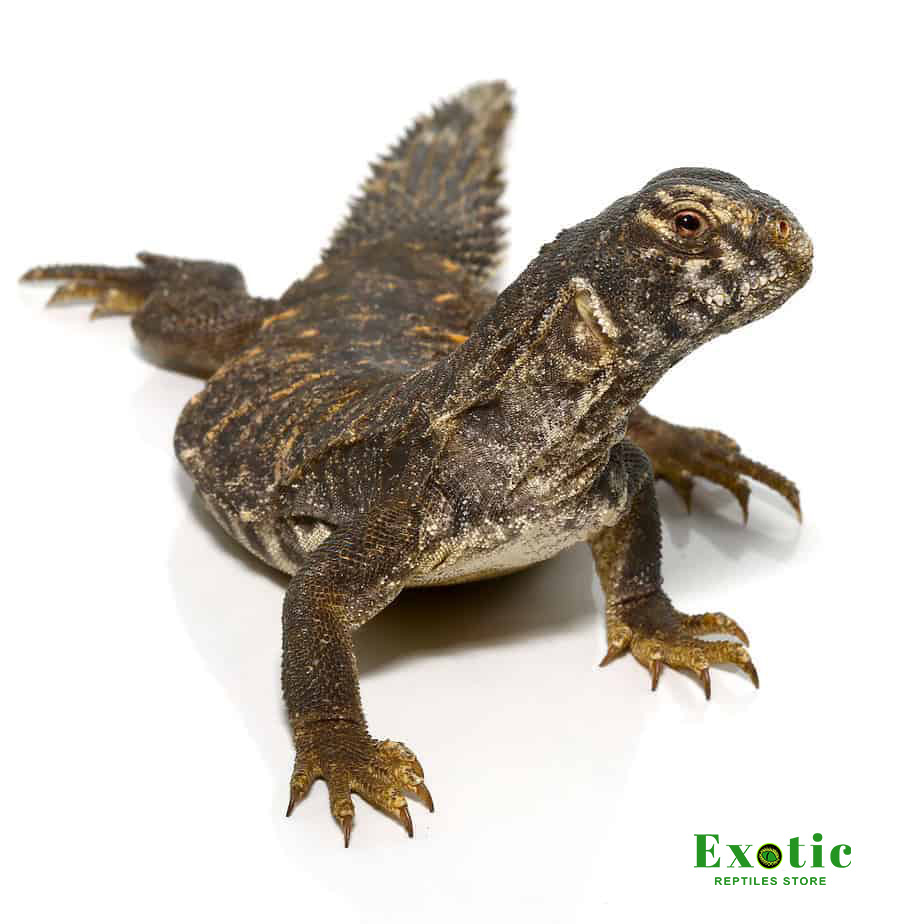
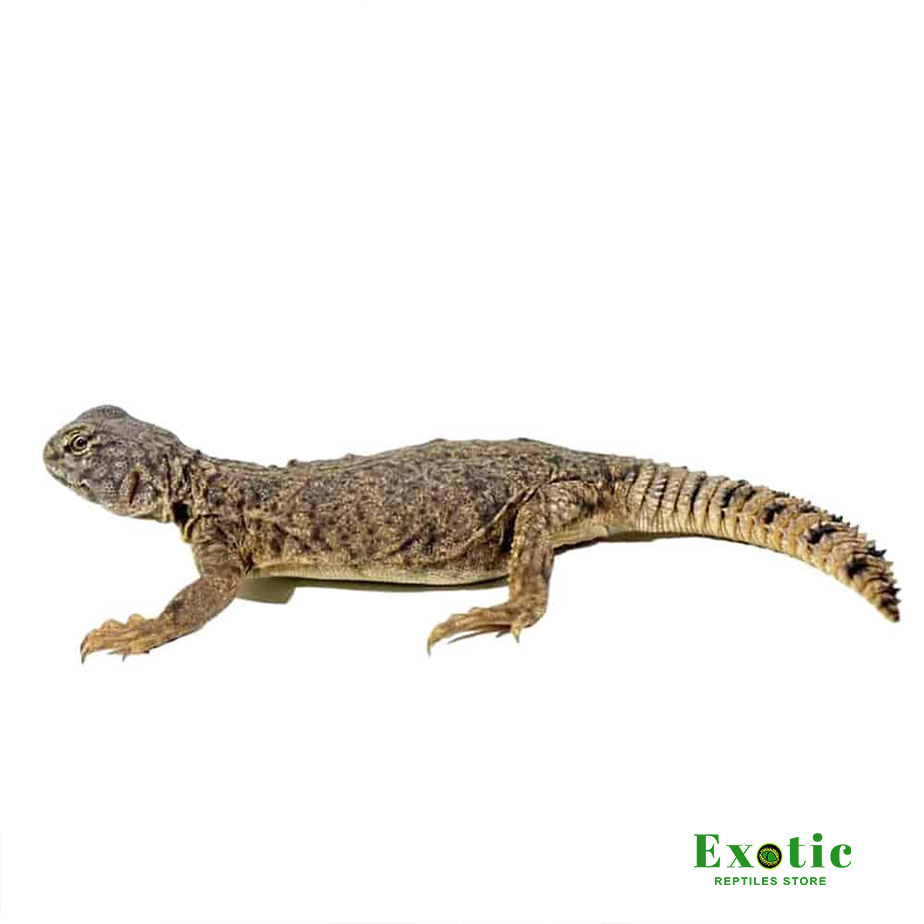
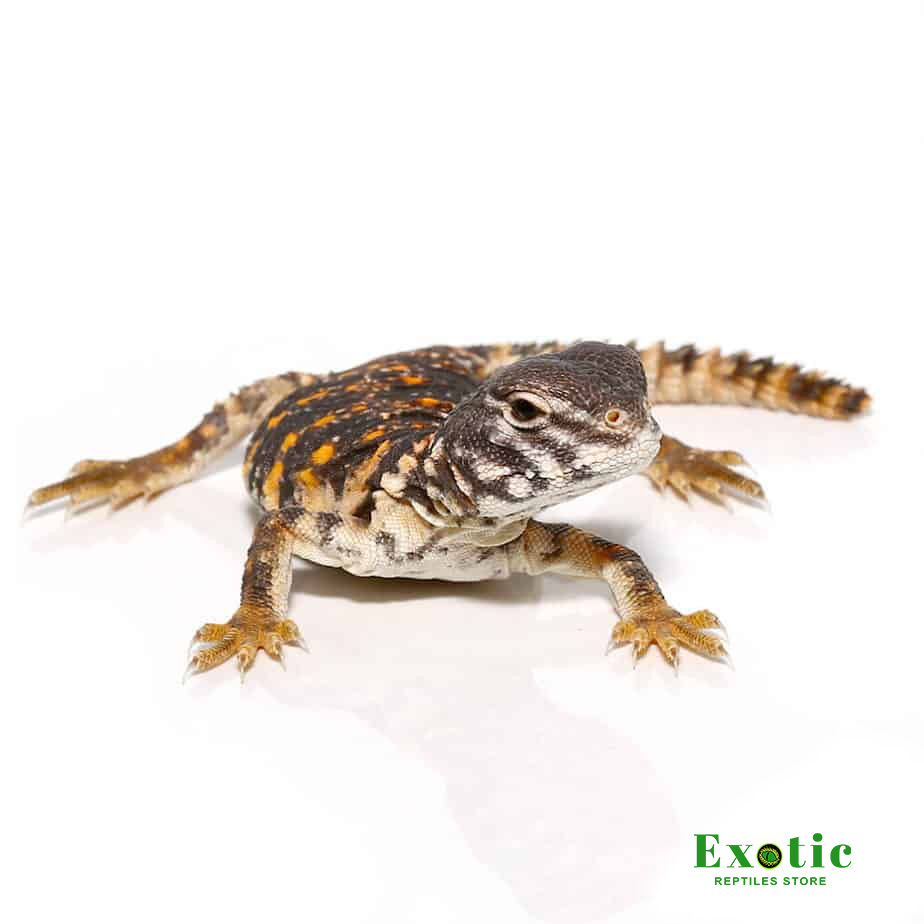
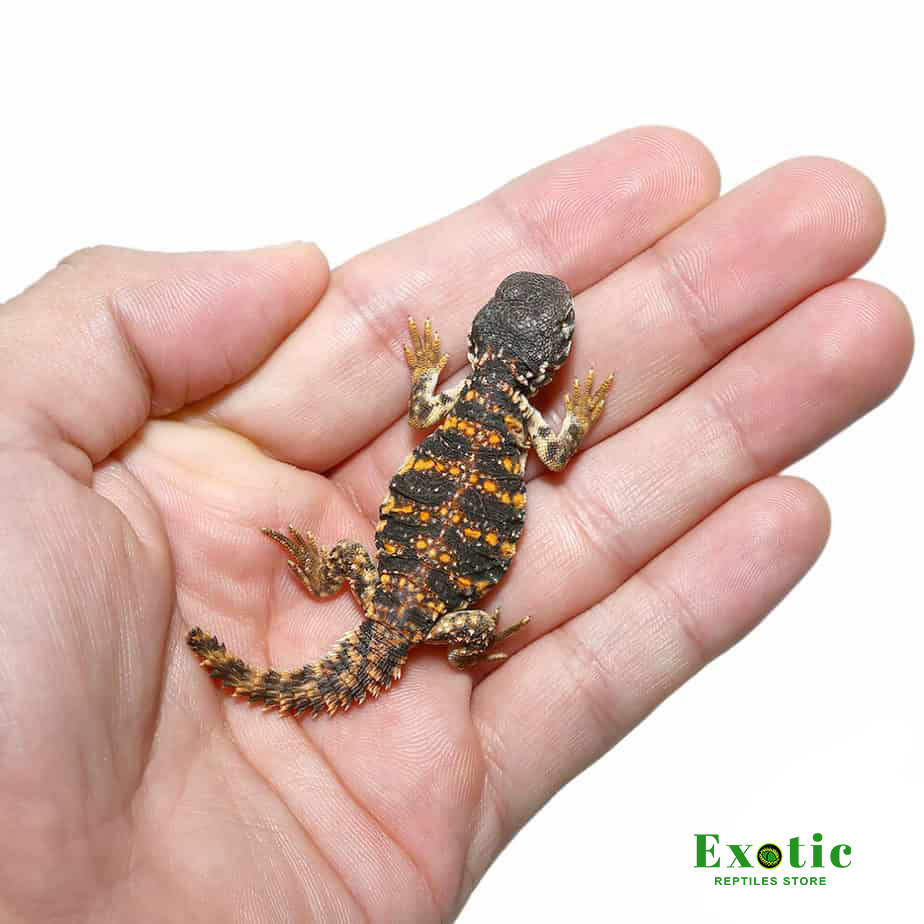
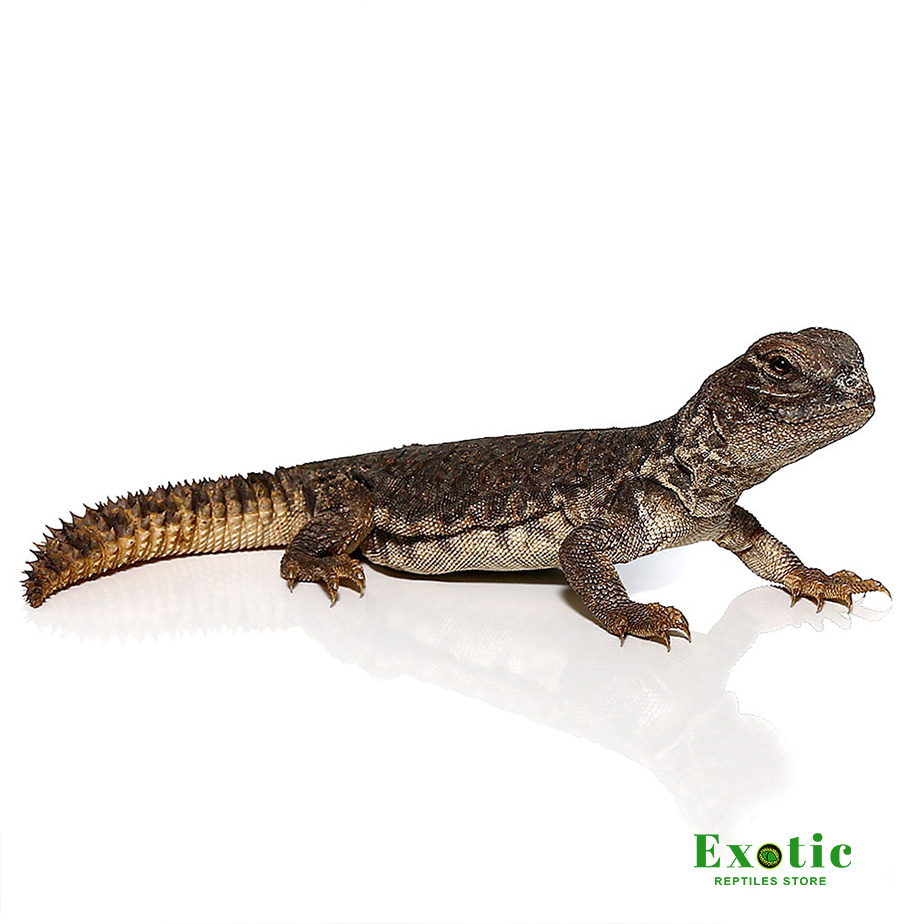
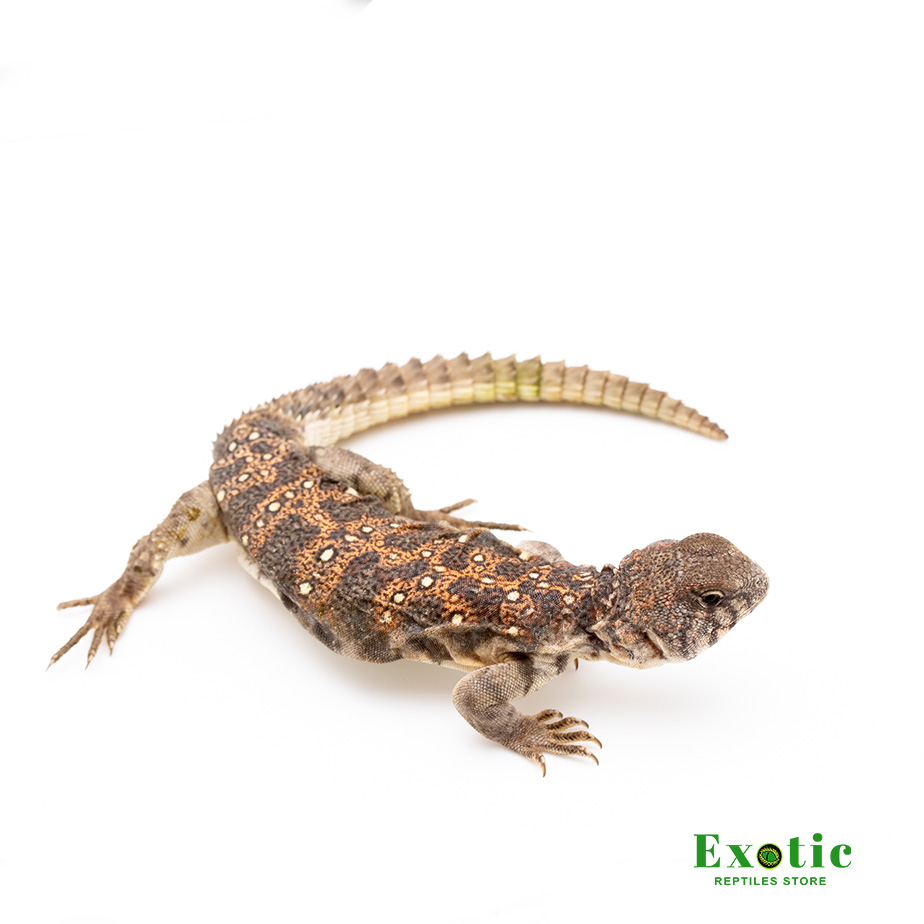
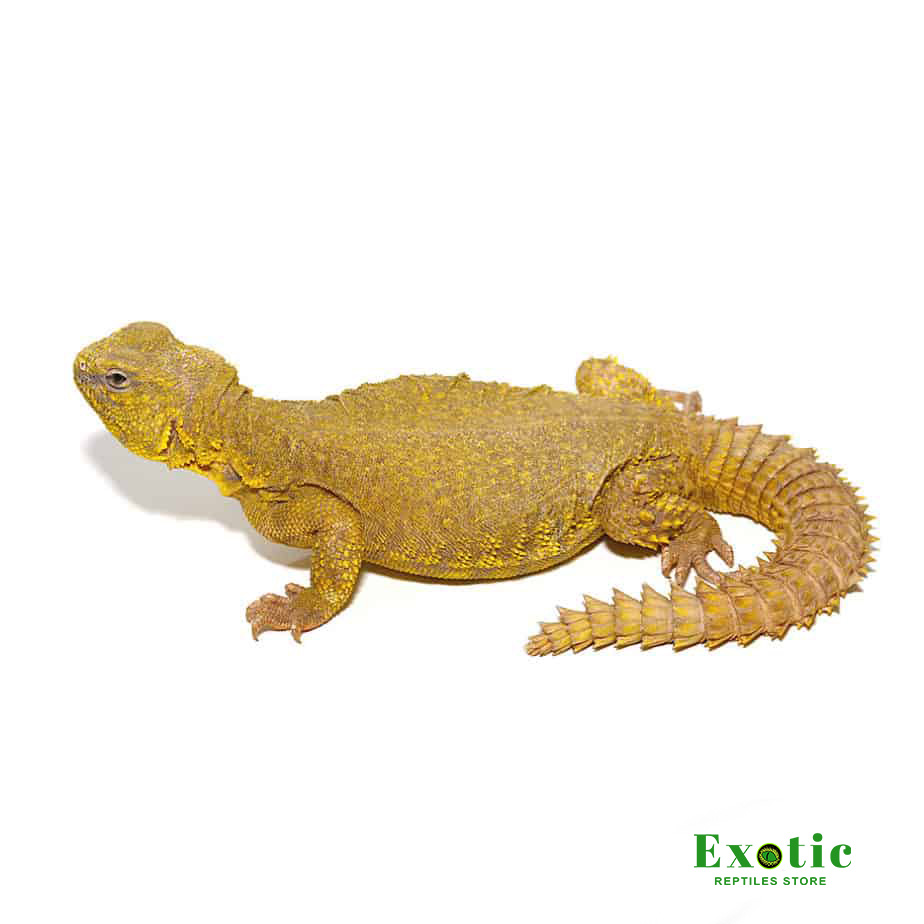
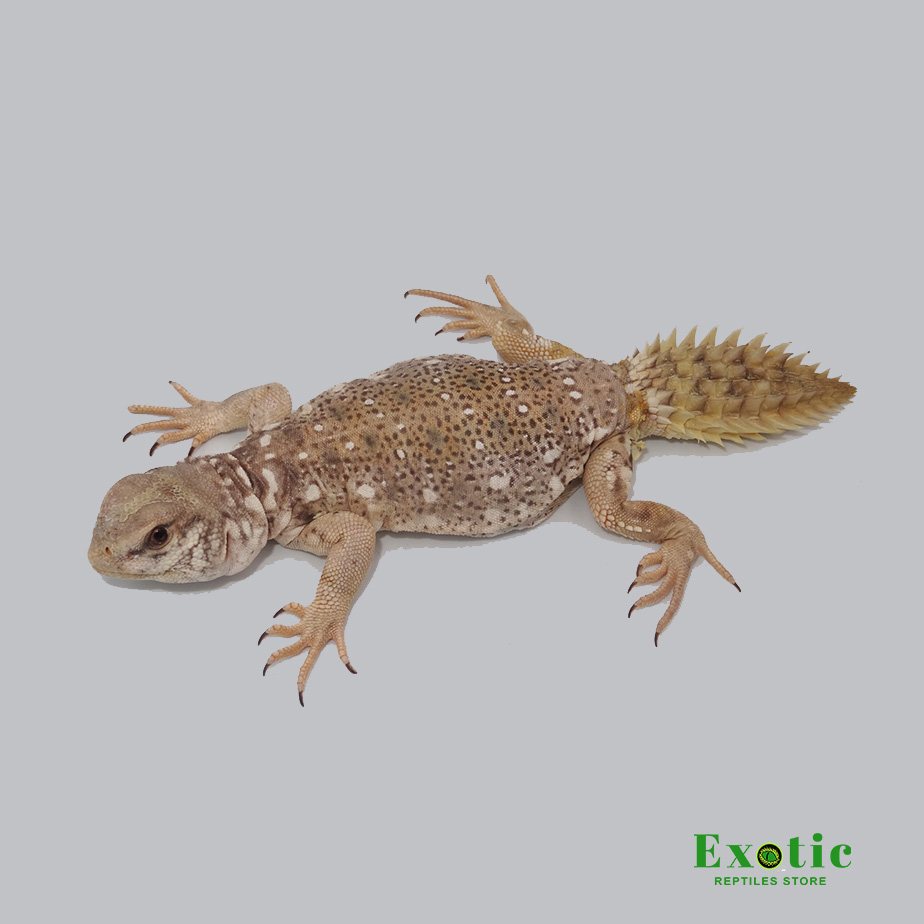
Uromastyx for Sale at Exotics & Aquatics
Explore uromastyx for sale at Exotics & Aquatics, where you can learn about these distinctive, sun-loving lizards and compare individual listings. Known for their robust bodies, spiny tails, and adaptation to arid environments, uromastyx are specialized reptiles with care requirements that differ from those of many other commonly kept lizards.
Successful uromastyx husbandry depends on appropriate basking temperatures, effective UVB lighting, carefully managed enclosure conditions, and a suitable plant-based diet. Although these lizards come from dry environments, keeping them healthy involves more than providing heat and a sandy-looking habitat. Temperature measurements, lighting performance, nutrition, hydration, and enclosure design all deserve careful attention.
Before purchasing, research the exact species and its expected adult requirements. Review each product listing for the information actually provided, and do not assume an animal’s age, sex, health status, captive-bred status, locality, or feeding history unless explicitly confirmed.
Exotics & Aquatics encourages prospective keepers to make informed decisions, prepare the habitat in advance, and consider the long-term responsibilities of caring for an exotic reptile.
Explore Uromastyx for Sale
Uromastyx belong to a group of Old World lizards adapted to arid and semi-arid habitats. Their distinctive appearance and primarily herbivorous diet make them interesting to experienced reptile enthusiasts, but their environmental requirements need careful planning.
Different uromastyx species can vary in adult size, coloration, habitat preferences, and husbandry details. A care routine suitable for one species should not automatically be applied to another.
When comparing available listings, look beyond appearance and consider the animal’s confirmed identity, adult requirements, and suitability for your experience level.
Before choosing a uromastyx, consider whether you can:
-
Provide an enclosure with sufficient space for the animal’s adult size and normal behavior.
-
Establish and maintain a suitable basking area and cooler retreat.
-
Supply appropriate UVB lighting and monitor its performance.
-
Prepare a varied, species-appropriate plant-based diet.
-
Monitor environmental conditions using reliable instruments.
-
Access a veterinarian experienced with reptiles.
-
Meet applicable ownership and transportation requirements.
-
Maintain the required care routine throughout the animal’s life.
These considerations are especially important because inadequate heating, inappropriate UVB exposure, and nutritional imbalances can contribute to significant health problems over time.
How to Choose the Right Uromastyx
Research the Exact Species
Start by confirming the uromastyx species and its scientific name whenever that information is available. Common names and visual similarities can make identification difficult, while different species may have different adult sizes and environmental requirements.
Use reliable, current husbandry information specific to the identified species. If the listing does not answer an important question, contact the seller rather than guessing from photographs.
You should also research the animal’s expected lifespan, feeding requirements, activity patterns, and likely adult enclosure needs before making a purchase.
Consider Adult Size and Enclosure Space
Uromastyx require enough space to move around, bask, retreat from heat, explore, and display normal behaviors. Enclosure requirements depend on the species and the animal’s expected adult dimensions.
Plan for the adult animal rather than relying on a setup intended only for a smaller juvenile. The enclosure should accommodate a suitable thermal gradient, stable furnishings, hides, and appropriate basking surfaces without crowding the usable space.
A well-planned habitat also makes it easier to monitor temperatures, maintain cleanliness, and provide environmental enrichment.
Evaluate Your Experience and Available Time
Uromastyx are not necessarily the easiest choice simply because they are adapted to dry environments. Their heating and lighting requirements can be demanding, and establishing an appropriate diet requires consistency.
Consider whether you are comfortable checking environmental readings, maintaining lighting equipment, preparing fresh plant foods, and recognizing changes in appetite or behavior.
If you are new to reptile keeping, research the species thoroughly and seek guidance from an experienced reptile keeper or qualified exotic-animal veterinarian before committing.
Understand the Long-Term Commitment
The initial purchase is only one part of the cost of keeping a uromastyx. Budget for a suitably sized enclosure, heating equipment, UVB lighting and replacement lamps, monitoring instruments, substrate, hides, food, cleaning materials, and veterinary care.
Equipment may need periodic replacement, and environmental conditions must remain appropriate as the animal grows. Plan for routine maintenance and unexpected expenses rather than assuming that the enclosure will remain suitable without adjustment.
Uromastyx Habitat and Enclosure Planning
An appropriate enclosure should reproduce the important environmental features the species needs without exposing the animal to unsafe conditions. A dry-looking habitat alone is not enough: heating, lighting, ventilation, security, and temperature monitoring must all work together.
Establish a Suitable Basking Area
Uromastyx rely on external heat to regulate their body temperature. A properly designed basking area allows the lizard to warm itself, while a cooler area gives it an opportunity to move away from the heat source.
Exact temperature targets vary by species and may differ between the basking surface and the surrounding air. Research the correct ranges for your animal before setting up the enclosure.
Use reliable thermometers and a suitable method of measuring basking-surface temperature. Do not judge temperatures by touch or by the wattage of a heat lamp alone.
A safe setup should include:
-
A basking area that reaches the appropriate species-specific temperature.
-
A cooler retreat that allows the animal to regulate its temperature.
-
Heating equipment installed and operated according to its instructions.
-
Secure fixtures that cannot fall or cause burns.
-
Monitoring instruments positioned to provide useful readings.
-
Adequate ventilation and protection from unsafe temperature fluctuations.
Test the enclosure before the animal arrives and confirm that conditions remain stable during the lighting and heating cycle.
Provide Appropriate UVB Lighting
Suitable ultraviolet B (UVB) exposure is an important part of uromastyx husbandry because it supports vitamin D production and calcium metabolism. Inadequate UVB provision can contribute to metabolic bone disease and other serious health problems.
UVB requirements depend on the species, the enclosure design, the type of lamp, and the distance between the light source and the animal. The effectiveness of UVB also depends on factors such as lamp age and any barriers between the lamp and the basking area.
Before introducing the lizard:
-
Research the recommended UVB provision for the exact species.
-
Select appropriate equipment for the enclosure’s dimensions.
-
Follow the manufacturer’s guidance on placement and replacement.
-
Check the distance between the lamp and the animal’s accessible basking area.
-
Establish a suitable daily lighting schedule.
-
Replace lamps according to their specifications and performance guidance.
Ordinary visible light does not necessarily provide the UVB exposure the animal requires. Avoid assuming that a bright lamp, sunlight through a window, or a particular bulb’s advertised wattage guarantees suitable UVB conditions.
Manage Substrate and Humidity Carefully
Uromastyx are generally associated with arid environments, but their exact habitat requirements vary by species and life stage. Humidity management should be based on current, species-specific guidance rather than the assumption that the enclosure must always be completely dry.
Choose substrate that is appropriate for the species, safe for the animal, and compatible with its behavior. Consider cleanliness, digging or burrowing needs, and the risk of accidental ingestion.
Provide secure hides and stable furnishings. Any rocks, platforms, or other heavy objects must be positioned so they cannot shift, collapse, trap the lizard, or injure it.
Use a hygrometer where appropriate, maintain suitable ventilation, and investigate persistent environmental problems rather than attempting to correct them through guesswork.
Provide Space, Security, and Enrichment
A good enclosure should allow the animal to move between environmental zones and use suitable resting and hiding places. Include stable basking surfaces and appropriate furnishings that encourage natural behavior.
Check doors, lids, ventilation openings, and other potential escape points regularly. Keep the habitat away from smoke, aerosols, strong fumes, and household cleaning chemicals.
Prepare the enclosure well before the animal arrives. A tested setup makes it easier to identify equipment problems before they affect the lizard’s welfare.
Feeding and Nutrition for Uromastyx
Uromastyx are generally herbivorous lizards, and their diets should be planned around suitable plant foods rather than the feeding routines used for insect-eating reptiles.
Dietary needs can vary with species, age, body condition, and other factors. A varied and appropriate diet is important, but variety alone does not guarantee nutritional balance.
Offer a Suitable Variety of Plant Foods
Research a diet appropriate to your exact uromastyx species and its life stage. Suitable foods commonly include selected leafy greens and other appropriate plant materials, with specific choices guided by reliable husbandry recommendations.
When planning meals, consider:
-
Nutrient balance across the overall diet.
-
Suitable leafy greens and other recommended plant foods.
-
Food preparation and freshness.
-
Appropriate portion sizes and feeding frequency.
-
Access to clean water according to the species’ needs.
-
Changes in appetite and body condition over time.
Avoid relying on a single vegetable, an unbalanced mixture, or foods chosen solely because the animal appears willing to eat them.
Do not copy the diet of an omnivorous or insectivorous lizard. Routine animal protein is generally inappropriate as a substitute for a properly planned uromastyx diet unless a qualified professional provides specific guidance for an individual circumstance.
Understand Calcium and Supplementation
Calcium and vitamin D are important considerations in reptile nutrition, but supplementation should be coordinated with appropriate UVB provision and the animal’s overall diet.
The correct supplement, dosage, and frequency depend on the species, food composition, lighting, and other husbandry factors. Excessive supplementation can also create problems.
Use reliable species-specific guidance and consult a qualified reptile veterinarian if you are uncertain about the diet or supplement routine. Avoid assuming that a supplement can compensate for inadequate UVB exposure or improper temperatures.
Monitor Appetite and Body Condition
Record feeding observations and monitor the animal’s body condition over time. Changes in appetite can occur for different reasons, including environmental problems, stress, seasonal patterns, or illness.
Check temperature and lighting conditions if the animal’s feeding behavior changes. Persistent appetite loss, noticeable weight changes, unusual activity, or other concerning symptoms warrant advice from a qualified veterinarian.
Maintain clean feeding dishes and remove uneaten food as appropriate to prevent contamination and keep the enclosure hygienic.
Daily Care, Observation, and Veterinary Support
Consistent observation helps you identify problems before they become more serious. Uromastyx care should include environmental monitoring, routine cleaning, appropriate feeding, and attention to changes in movement or behavior.
Build a Practical Care Routine
A suitable daily and periodic care schedule may include:
-
Checking basking and cooler-area temperatures.
-
Confirming that heating and UVB equipment operate as intended.
-
Monitoring humidity where relevant.
-
Providing fresh, suitable food and maintaining clean water access.
-
Removing waste and uneaten food as appropriate.
-
Checking the enclosure’s security and furnishings.
-
Observing appetite, activity, body condition, and shedding.
-
Recording important changes in environmental readings or behavior.
The exact routine should reflect the animal’s species-specific requirements. Regular checks are particularly important when equipment changes, lamps are replaced, or seasonal room conditions affect the enclosure.
Recognize Potential Health Concerns
Changes in appetite, movement, alertness, body condition, or other normal behaviors can indicate that something needs attention. Skin or shedding abnormalities, swelling, injuries, unusual breathing, and marked lethargy should not be ignored.
If a concerning change persists or appears severe, contact a qualified exotic-animal veterinarian. Do not attempt to diagnose an illness solely from online descriptions or make major changes to treatment without professional advice.
Find a Reptile Veterinarian Before Purchase
Identify a veterinary practice with experience treating lizards and, ideally, uromastyx before bringing the animal home.
Consider the availability of routine examinations, diagnostic services, and emergency treatment. Veterinary access is an important part of the ownership decision, particularly for species with specialized husbandry needs.
Keep records of feeding, environmental readings, weight where appropriate, and veterinary visits. These records can provide useful context if a health concern develops.
What to Check Before Buying Uromastyx Online
Buying a reptile online requires careful review of the listing, clarification of important details, and preparation for the animal’s arrival.
Online Purchase Checklist
-
Confirm the species: Check the stated common name and scientific name where available.
-
Review the full listing: Verify current availability and read all animal-specific details.
-
Ask about missing information: Do not infer age, sex, health status, captive-bred status, locality, or feeding history from photographs.
-
Confirm delivery arrangements: Understand shipping or collection options, timing, and preparation requirements.
-
Review store policies: Read the current purchase policies and retain order-related communications.
-
Check legal requirements: Verify applicable ownership, sale, sourcing, and transportation rules.
-
Prepare the habitat: Test heating, UVB lighting, temperature monitoring, and enclosure security.
-
Arrange appropriate food: Confirm that suitable plant foods and any recommended supplements are available.
-
Identify veterinary support: Locate a qualified reptile veterinarian before purchase.
Do not proceed until you are confident that you can provide the appropriate habitat and care and that the purchase complies with applicable requirements.
Related Animal Categories
Explore related animal categories at Exotics & Aquatics to compare different lizards and learn how their husbandry needs vary.
-
Lizards: Explore a broader collection of lizards with different sizes, activity patterns, and environmental requirements.
-
Bearded Dragons: Research another popular group of pet lizards, while keeping in mind that their diet, lighting, and enclosure needs differ from those of uromastyx.
-
Monitors: Learn about monitor lizards, which can require substantially different space, feeding, and management arrangements depending on the species.
Use these categories as starting points for research, not as a reason to assume that care practices can be transferred between species.
Frequently Asked Questions About Uromastyx
Are uromastyx suitable for beginners?
They may suit some well-prepared keepers, but their specialized heating, UVB, and dietary requirements require careful attention. Beginners should research the exact species, understand the equipment needed, and seek reliable husbandry guidance before purchasing.
What do uromastyx eat?
Uromastyx are generally herbivorous. Their diets typically focus on suitable plant foods, with the specific composition and any supplementation guided by the animal’s species and life stage. Confirm an appropriate feeding plan before bringing one home.
Do uromastyx need UVB lighting?
Appropriate UVB provision is an important part of their care. UVB supports vitamin D production and calcium metabolism, and inadequate exposure can contribute to serious health problems. The appropriate equipment and placement depend on the species and enclosure setup.
How hot should a uromastyx enclosure be?
Temperature requirements vary by species and by the location being measured. The basking surface, surrounding air, and cooler retreat may have different targets. Research the correct ranges for the identified species and monitor conditions using reliable instruments rather than guessing.
Do uromastyx need a humid enclosure?
Uromastyx generally need conditions suited to arid environments, but humidity requirements and any specialized moisture provisions vary. Avoid assuming that every species needs identical humidity settings. Follow current, species-specific husbandry guidance.
Should I prepare the enclosure before the animal arrives?
Yes. Set up and test the enclosure beforehand, including the basking area, cooler retreat, UVB lighting, temperature monitoring, hides, and suitable substrate. Confirm that environmental conditions are stable and that food supplies are ready.
Are all uromastyx listed for sale currently available?
Availability can change. Check the current product listing and contact Exotics & Aquatics if you need confirmation or clarification before placing an order.
How can I tell whether a uromastyx is healthy?
A photograph or general listing cannot establish an animal’s health with certainty. Review the information actually provided, ask about essential details that are missing, and consult a qualified reptile veterinarian when appropriate. After purchase, monitor appetite, movement, body condition, and other changes.
Where can I get reliable uromastyx care advice?
Use current husbandry resources specific to the identified species and consult a qualified exotic-animal veterinarian for health and nutrition concerns. Advice for another lizard may not be appropriate for uromastyx.
Shop Uromastyx Responsibly at Exotics & Aquatics
Uromastyx are distinctive reptiles whose welfare depends on appropriate heating, UVB exposure, nutrition, enclosure design, and consistent monitoring. Before purchasing, research the exact species, confirm important listing details, and make sure you can provide suitable conditions throughout the animal’s life.
Exotics & Aquatics encourages responsible reptile ownership through careful research and informed preparation. Reviewing the animal’s requirements before ordering helps you make a more considered decision and establish a suitable environment from the beginning.
Exotics & Aquatics Contact Information
-
Website: https://www.exoticsandaquatics.com/
-
Address: 6447 Williamson Rd, Roanoke, VA 24019
-
Email: sales@exoticsandaquatics.com
Care information is general and should be checked against current, species-specific guidance. Product availability and animal-specific details are determined by each live listing. Buyers are responsible for verifying applicable ownership, sale, and transportation requirements before purchasing.