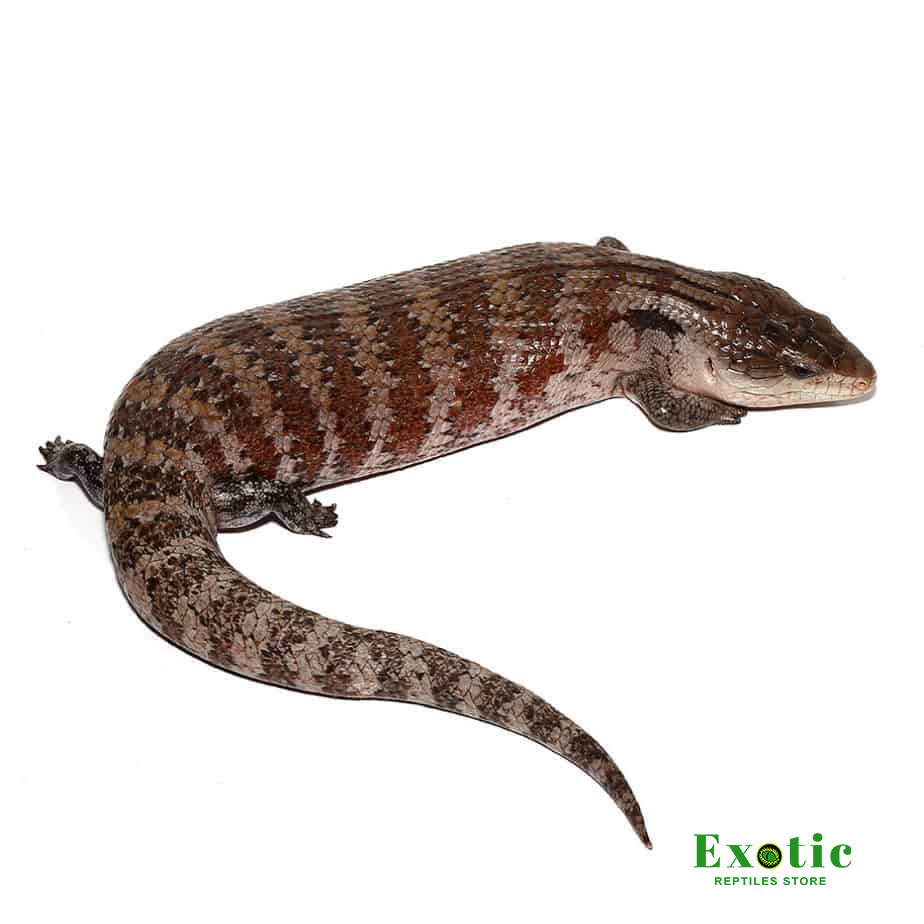
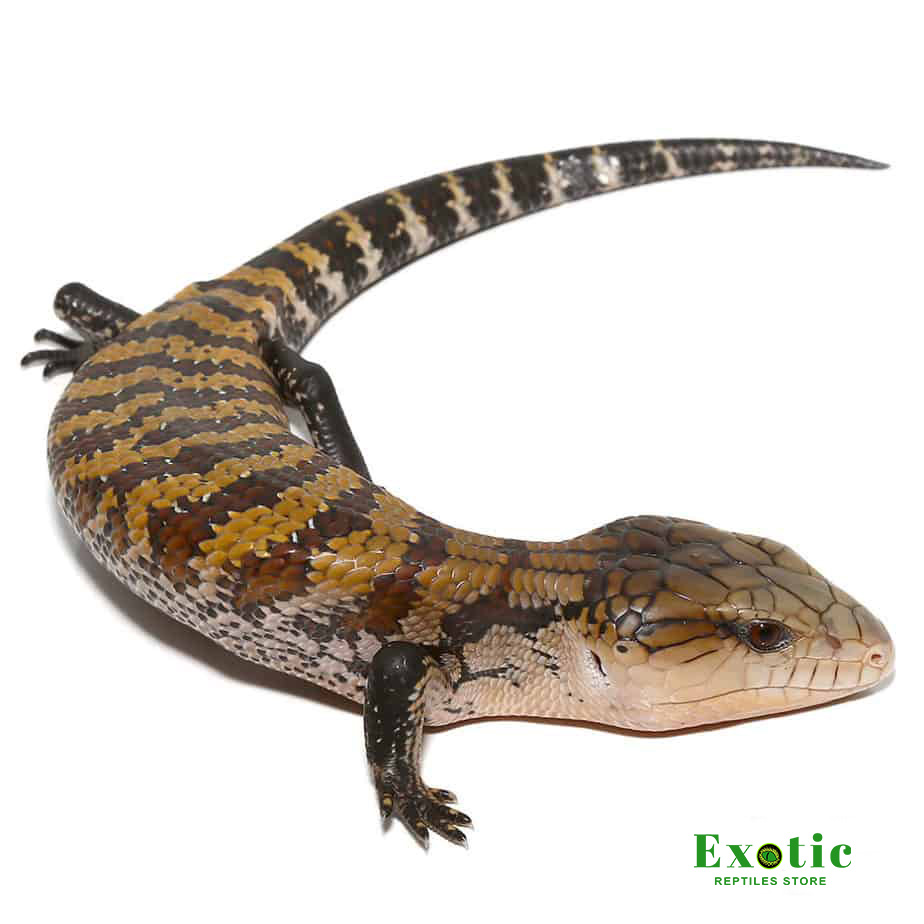
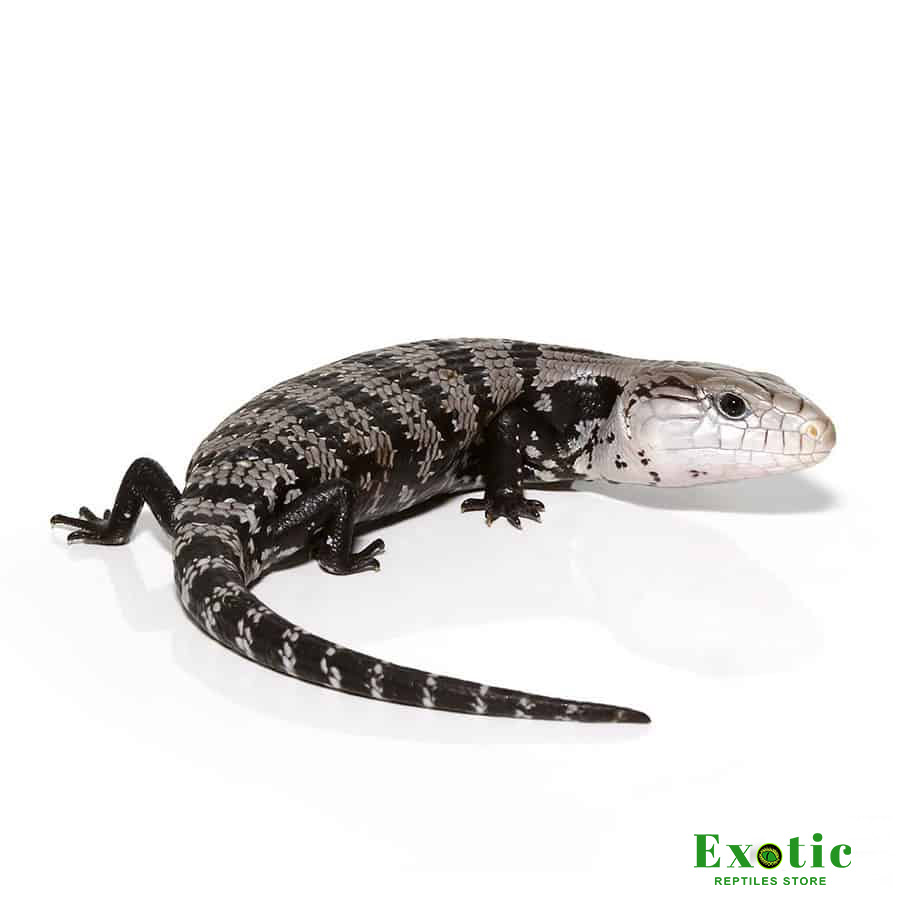
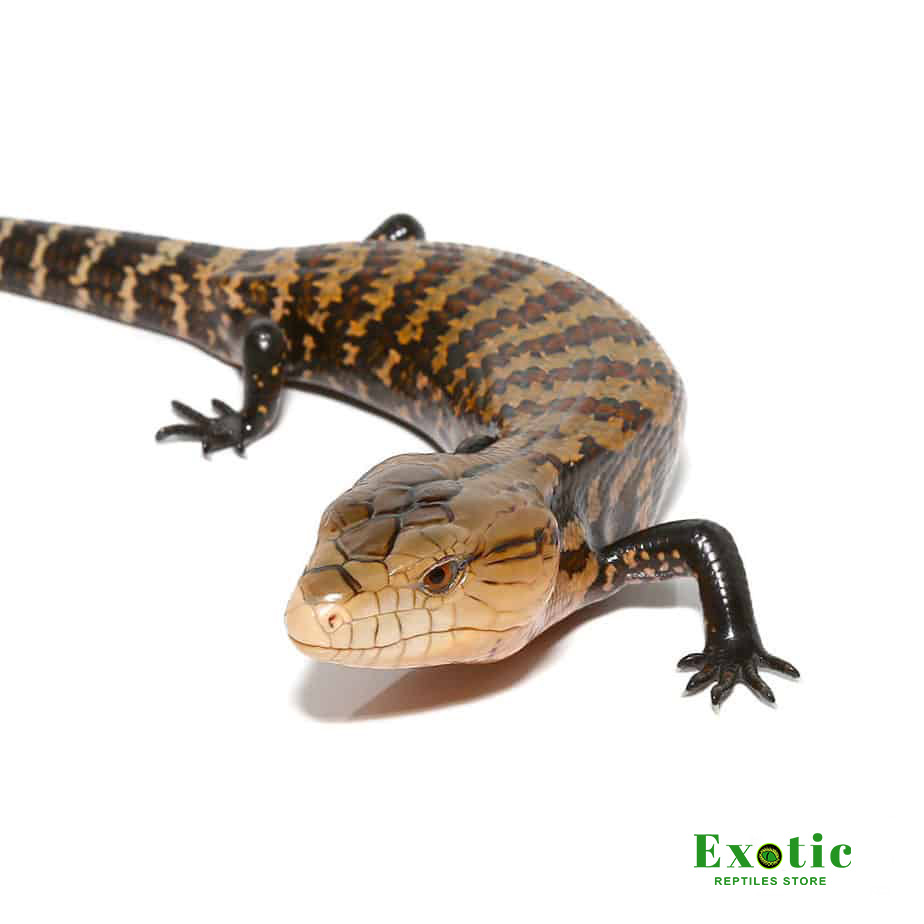
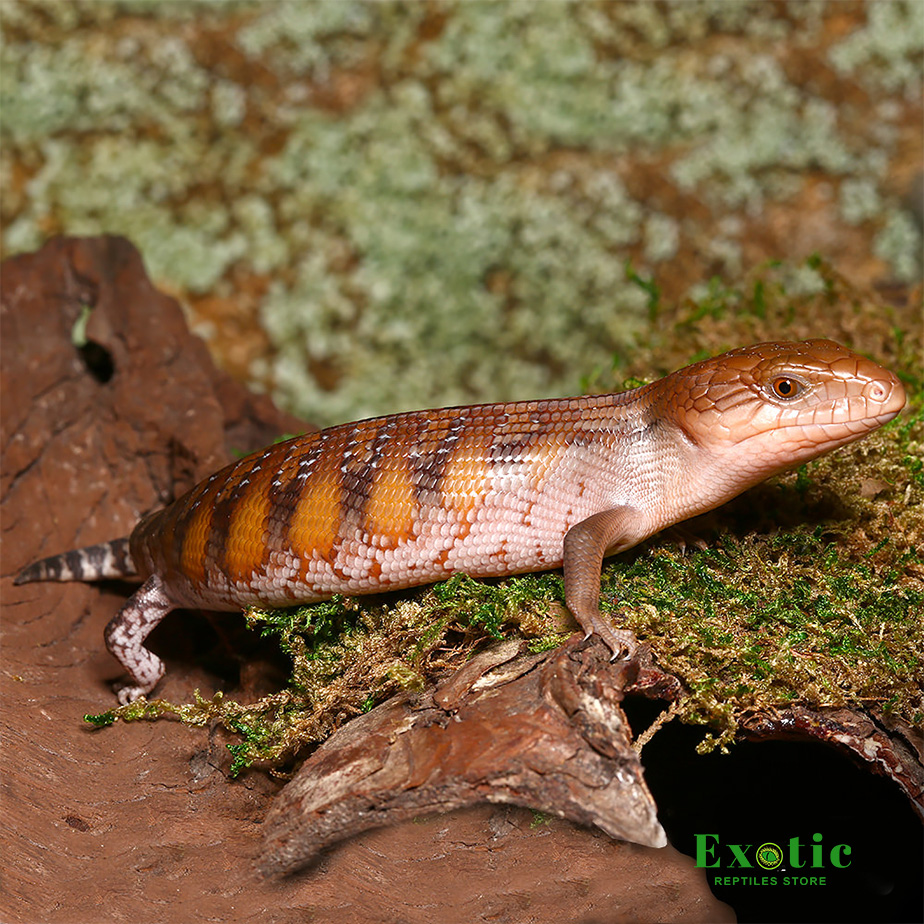
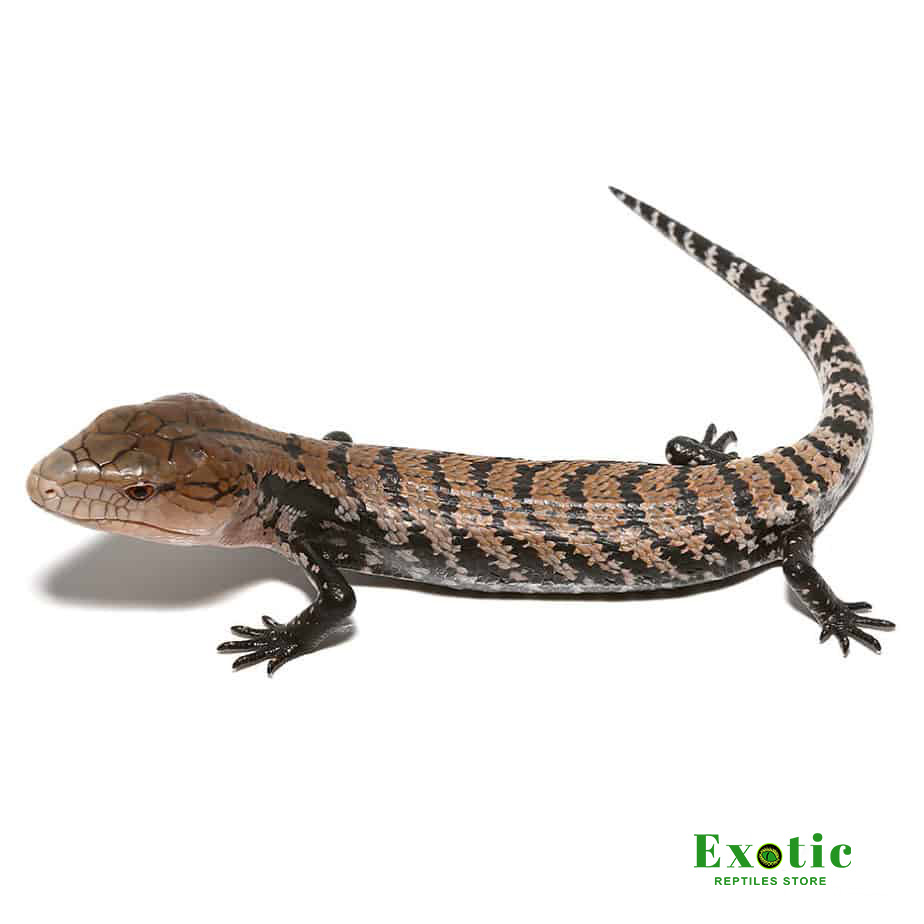
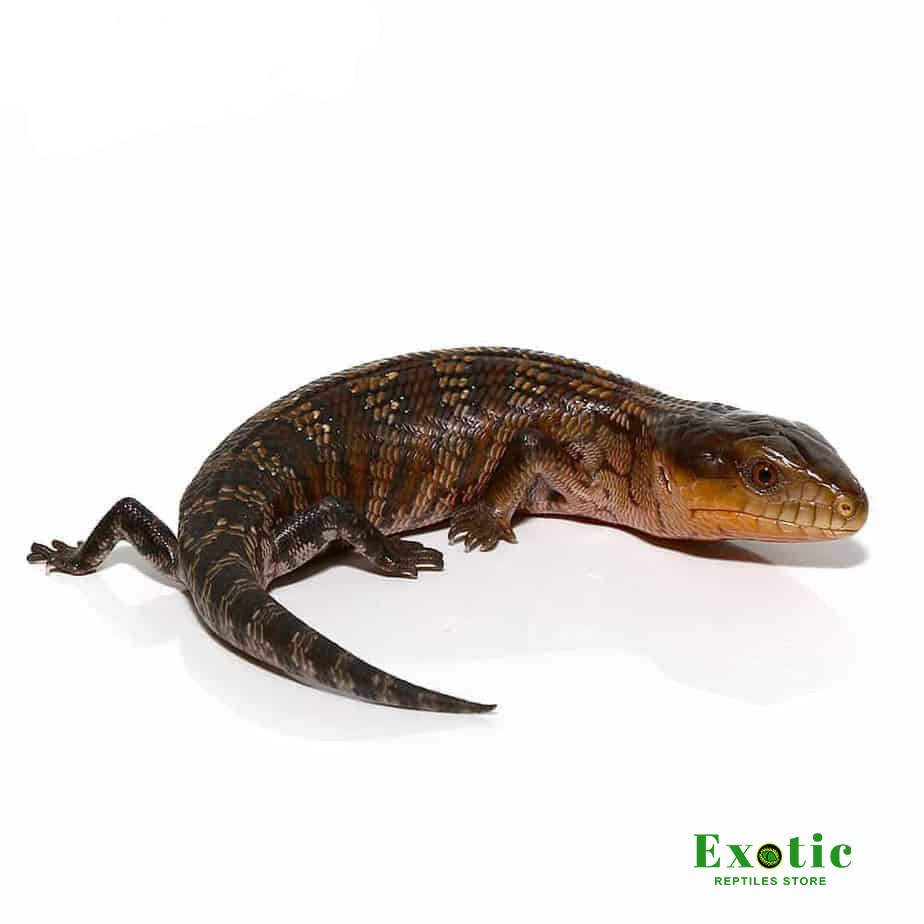
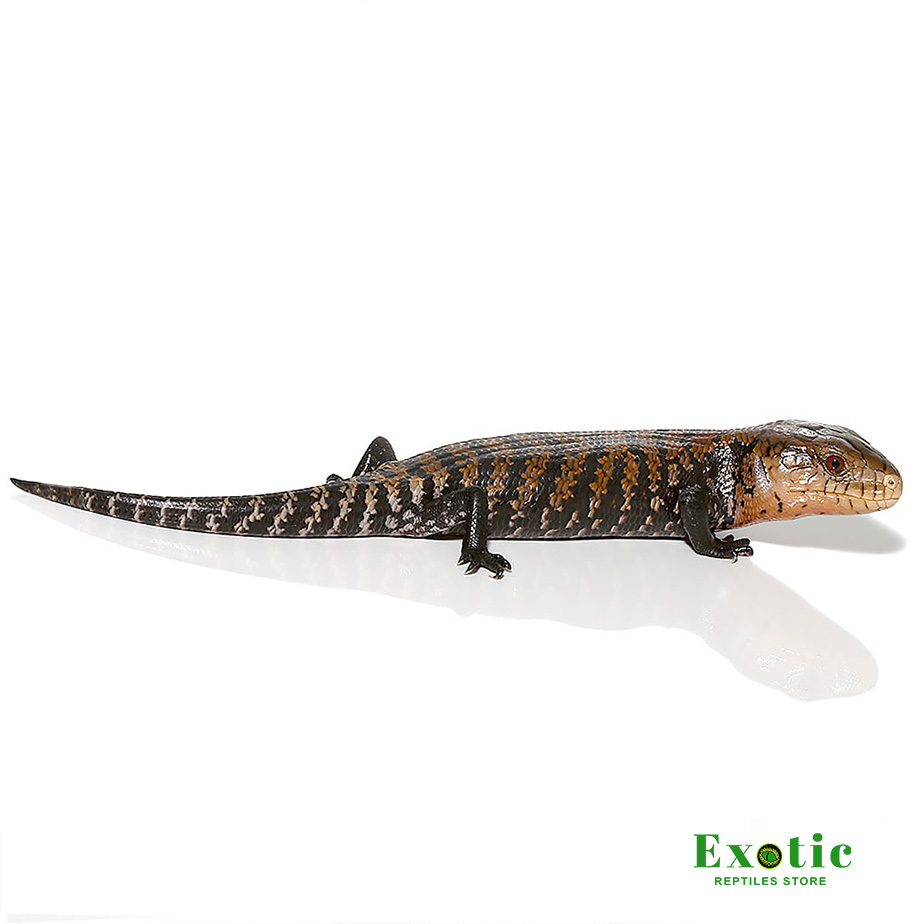
Skinks for Sale at Exotics & Aquatics
Explore skinks for sale at Exotics & Aquatics and discover a diverse group of lizards with distinctive appearances, behaviors, and habitat requirements. Skinks belong to a large family of reptiles that includes ground-dwelling species, burrowing lizards, active insect hunters, and specialized climbers. Their body shapes, coloration, adult sizes, diets, and environmental needs vary considerably, making species identification and careful preparation essential before choosing an animal.
Whether you are interested in a recognizable blue-tongued skink, a compact species suited to a carefully designed enclosure, or another type of skink, it is important to understand what the individual animal requires. A suitable choice depends on more than appearance. Consider the species’ adult size, activity pattern, diet, temperature and humidity requirements, expected lifespan, and compatibility with your experience as a reptile keeper.
The skink listings at Exotics & Aquatics allow you to explore the animals currently offered and review the information provided for each individual listing. Availability can change, so check the live product pages before making a decision. Do not assume an animal’s age, sex, health status, captive-bred status, locality, or feeding history unless the listing explicitly confirms it.
Before purchasing a skink, research the exact species, prepare a suitable enclosure, and make sure you can provide consistent nutrition, environmental monitoring, and veterinary care. A well-prepared habitat and realistic understanding of the animal’s long-term needs help establish a stronger foundation for responsible reptile ownership.
Understanding Skinks as Pet Lizards
Skinks are members of the reptile family Scincidae, one of the largest lizard families. They occur across a wide range of environments, including forests, grasslands, rocky areas, and dry habitats. Their diversity means that there is no single enclosure design, feeding routine, or humidity setting suitable for every skink.
Many species have smooth-looking scales, elongated bodies, and relatively short limbs, although their physical characteristics differ. Some spend much of their time beneath leaf litter or within burrows, while others climb vegetation, explore exposed surfaces, or actively search for food.
Understanding these differences is essential when choosing a skink for sale. A species adapted to a humid environment may need a different substrate and moisture-management system from one associated with drier habitats.
Why Skinks Appeal to Reptile Enthusiasts
Skinks offer a wide variety of behaviors and appearances for reptile enthusiasts to observe. Some are relatively stocky and spend considerable time exploring the ground, while others are more slender, active, or adapted to particular microhabitats.
Their care requirements can be very different, so it is important to choose an animal that suits your available space, experience, and ability to maintain the correct environment.
Skinks are not automatically low-maintenance pets because of their size or body shape. Even smaller species may need specialized temperatures, secure hiding places, appropriate lighting, carefully selected substrate, and a balanced diet.
Common Types of Skinks
The skink family includes many different species. Some are familiar in the pet reptile community, while others have specialized needs that require additional research.
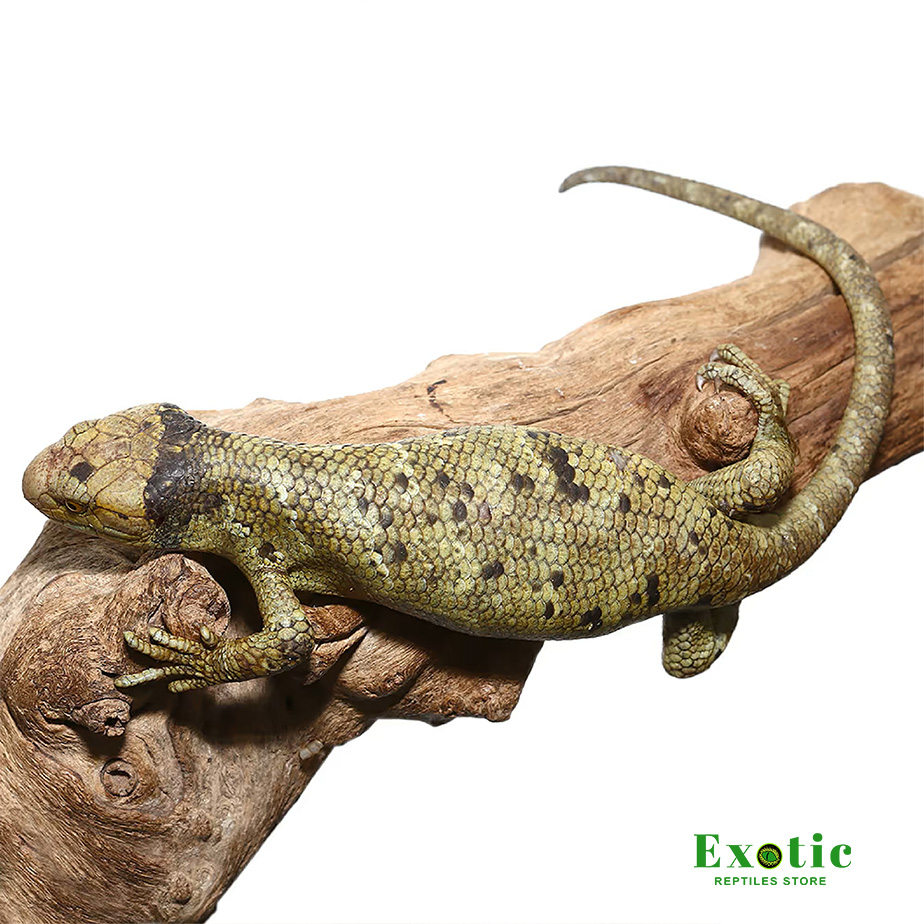
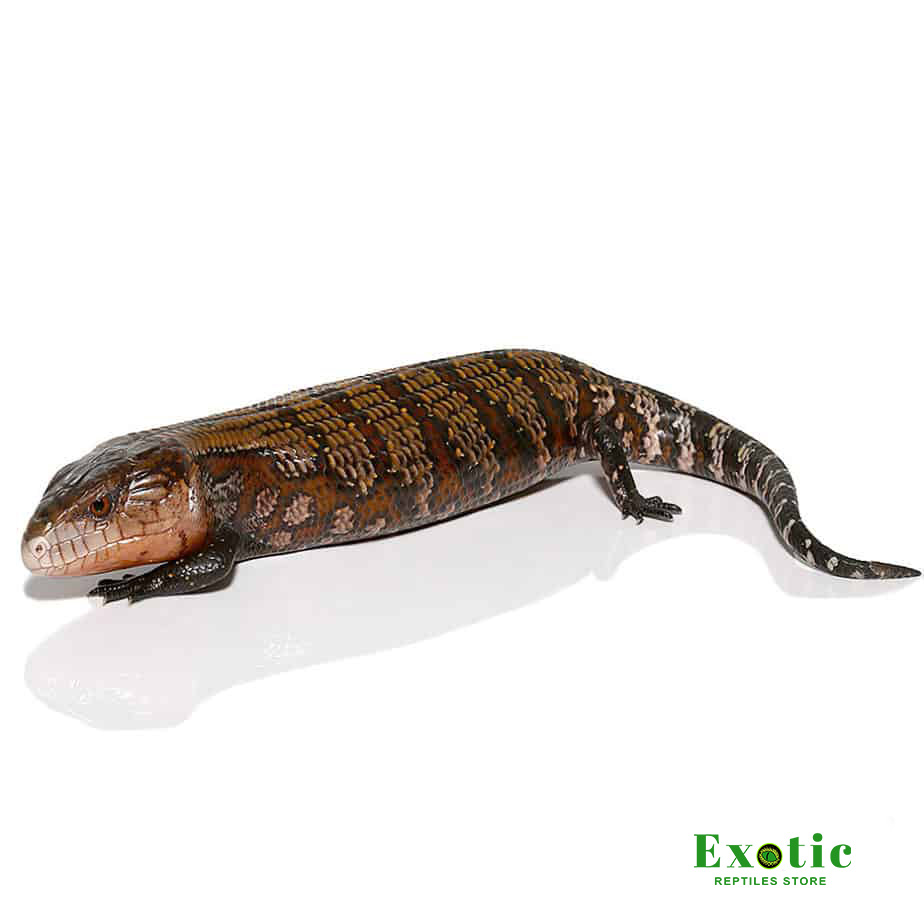
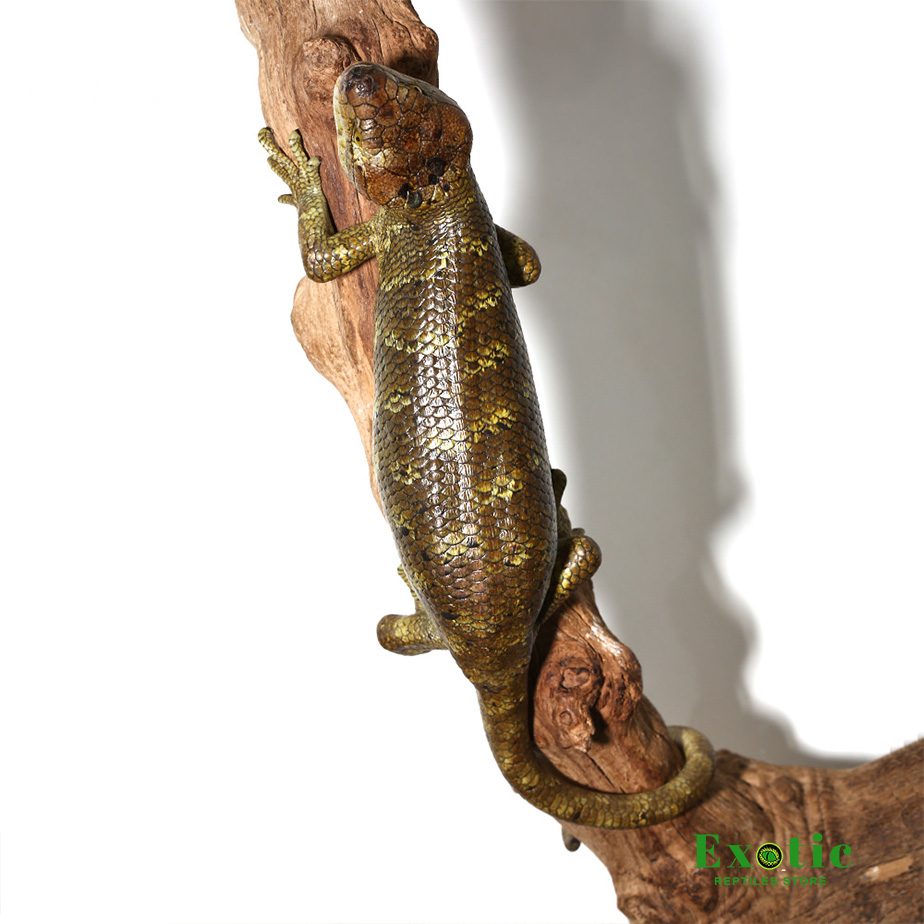
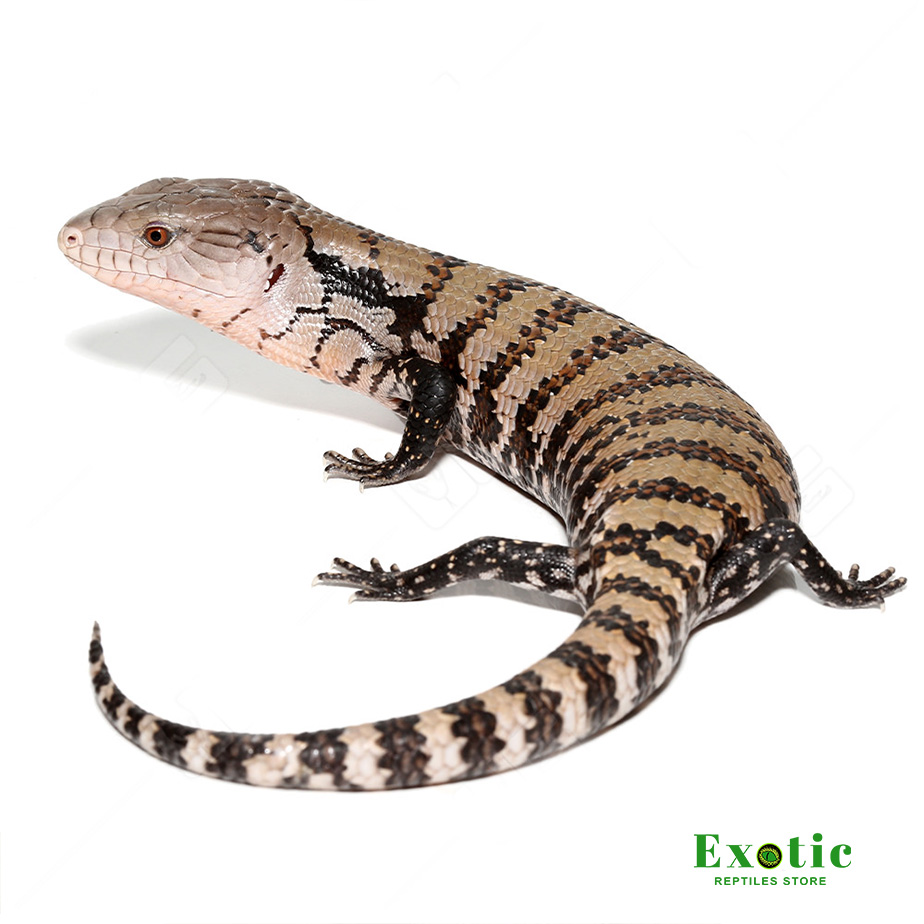
Blue-tongued skinks are recognizable for their broad bodies, short limbs, and distinctive blue tongues. Depending on the species, they may require substantial floor space, secure hides, appropriate heating, and a carefully balanced omnivorous diet.
Fire skinks are known for their striking coloration and secretive behavior. Their habitat planning may need to account for hiding opportunities, suitable substrate, and environmental conditions appropriate to the species.
Schneider’s skinks are another example of a skink group with distinctive habitat and dietary considerations. Exact care requirements should be verified for the animal’s species and origin rather than assumed from a common name.
These examples illustrate the diversity of the group; they are not a guarantee that every type is currently available. Review the live listings at Exotics & Aquatics for the animals actually offered.
How to Choose the Right Skink
Choosing a skink should begin with understanding its species-specific requirements and comparing them with your experience and resources. A suitable animal is one whose needs you can meet consistently throughout its life.
Confirm the Species and Scientific Name
Common names can sometimes be used inconsistently, and similar-looking lizards may belong to different species. Confirm the animal’s stated identity before relying on care information.
Where available, the scientific name can help you locate more precise information about its natural habitat, adult size, diet, and environmental requirements. If the listing does not provide an important identification detail, ask the seller rather than guessing from photographs.
Accurate identification matters because recommendations for one skink may not be appropriate for another. Differences in temperature, humidity, activity patterns, and diet can have a significant impact on husbandry.
Consider Adult Size and Lifespan
A young skink may require a different feeding routine from an adult, but enclosure planning should account for the animal’s expected mature size. Consider the space needed for movement, hiding, temperature regulation, and any climbing or burrowing behavior associated with the species.
Research the species’ expected lifespan as well. Responsible ownership involves planning for years of feeding, enclosure maintenance, equipment replacement, and veterinary care.
Do not select an enclosure based only on the animal’s current size. A habitat that is suitable at the time of purchase may become inadequate as the reptile grows.
Evaluate Temperament and Handling
Skinks differ in their responses to handling and human interaction. Some individuals may become accustomed to careful handling, while others remain more secretive or easily stressed.
Consider whether you prefer a reptile that can be observed in an enclosure or one that may tolerate limited, gentle interaction. No species or individual should be assumed to enjoy handling, and even a calm animal needs appropriate support and time to adjust to a new environment.
Avoid repeatedly disturbing a skink that is hiding, attempting to escape, or showing signs of stress. Give the animal secure retreats and allow it to settle before introducing unnecessary interaction.
Match the Skink to Your Experience
Before purchasing, assess your ability to provide the animal’s required conditions. Some skinks may be manageable for keepers who have researched their needs thoroughly, while others have specialized environmental or dietary requirements.
Your decision should account for:
-
Experience maintaining reptile enclosures.
-
Available space for an appropriate habitat.
-
The cost of heating, lighting, substrate, and replacement equipment.
-
Access to suitable food and nutritional supplements.
-
Time for feeding, cleaning, and daily observation.
-
Access to an experienced reptile veterinarian.
-
Applicable ownership and transport regulations.
A smaller skink is not necessarily easier to care for than a larger species. The most suitable choice is the animal whose needs you can meet reliably.
Habitat and Enclosure Planning for Skinks
A suitable enclosure should reflect the species’ natural behavior and environmental requirements. Some skinks need generous floor space and secure ground-level hides, while others benefit from climbing structures, leaf litter, or opportunities to burrow.
Prepare the enclosure before bringing the animal home and test the equipment to confirm that conditions are appropriate.
Enclosure Size and Layout
Choose an enclosure that accommodates the skink’s expected adult size and allows it to move naturally. Consider the amount of floor space, the enclosure’s height, ventilation, and the furnishings needed to support the animal’s behavior.
Terrestrial skinks often benefit from secure ground-level hides and suitable substrate. Species that climb may need stable branches or other elevated structures. The layout should provide shelter without obstructing access to necessary basking or temperature zones.
Check that all furnishings are stable and free of sharp edges. Avoid gaps where the animal could become trapped, and ensure doors or lids cannot be pushed open.
Substrate and Burrowing Opportunities
Substrate selection should be based on the species, its behavior, the enclosure’s moisture requirements, and the animal’s condition. Some skinks benefit from substrate that permits digging or burrowing, while others may require a different surface suited to their husbandry plan.
Consider the material’s moisture retention, ease of cleaning, ingestion risks, and ability to remain suitable under the enclosure’s environmental conditions.
Keep the substrate clean and monitor it for waste, mold, or other deterioration. If you are uncertain which material is suitable, seek species-specific husbandry advice before setting up the habitat.
Temperature Gradients and Heating
Skinks depend on external heat sources to regulate their body temperature. Many need access to warmer and cooler areas, allowing them to move between different temperatures as needed.
The appropriate range depends on the species. Do not apply the same basking temperature to every skink or choose heating equipment based only on the reptile’s general classification.
Use reliable thermometers to measure conditions in the areas the animal actually uses. Secure heating equipment appropriately, use suitable temperature controls where necessary, and ensure that the skink cannot contact a dangerously hot surface.
Recheck readings after changing equipment, moving furnishings, or adjusting the enclosure. Room temperature alone does not establish that the habitat is suitable.
Humidity, Ventilation, and Lighting
Humidity requirements vary considerably among skinks. Some need an environment with carefully managed moisture, while others require different conditions and good ventilation. Excessive moisture without adequate airflow can create unsuitable conditions, while insufficient humidity may contribute to shedding problems in species that need more moisture.
Use a reliable hygrometer where appropriate and follow current guidance for the exact species. Provide a suitable day-night cycle and research whether UVB lighting is recommended or required for the animal’s husbandry plan.
Do not assume that all skinks need identical lighting or that visible light automatically provides adequate UVB. Choose equipment appropriate to the species and enclosure, follow manufacturer instructions, and provide sheltered areas where the animal can avoid direct exposure as appropriate.
Hides, Furnishings, and Environmental Safety
Secure hiding places help skinks retreat from view and feel sheltered. Depending on the species, the enclosure may also benefit from leaf litter, stable branches, rocks, or other furnishings that support natural behavior.
Make sure structures cannot collapse or trap the animal. Avoid sharp edges, unstable stacked objects, and decorations that may present ingestion or entanglement hazards.
Keep the enclosure away from smoke, aerosols, fumes, and household cleaning chemicals. Clean the habitat using appropriate methods and ensure that harmful residues are not left where the reptile can contact them.
Feeding and Nutrition for Skinks
Skink diets differ between species. Some are primarily insectivorous, some are omnivorous, and others have more specialized feeding requirements. Before purchasing an animal, identify its appropriate diet and establish a reliable way to obtain suitable food.
Insect-Eating Skinks
Insectivorous skinks need appropriate feeder insects selected according to their size and nutritional requirements. Depending on the species, suitable prey may include crickets, roaches, or other feeder insects recommended by reliable husbandry resources.
Prey size, feeding frequency, and variety should be appropriate for the animal’s life stage. Feeder insects may need to be gut-loaded before feeding, and supplementation may be required.
Do not assume that any available insect is suitable or that one feeder species provides complete nutrition. Research the dietary needs of the exact skink and adjust feeding practices as the animal grows.
Omnivorous Skinks
Some skinks require a varied diet containing both plant-based and animal-based foods. Blue-tongued skinks, for example, are commonly maintained on an omnivorous diet, but the appropriate balance depends on the species and life stage.
A suitable feeding plan should provide nutritionally appropriate ingredients rather than relying on a single food item. Research which vegetables, other plant foods, and animal-based foods are suitable, and avoid applying a feeding schedule intended for another reptile.
Supplementation and Feeding Hygiene
Calcium or vitamin supplementation may be important for some skinks, but the correct products and frequency depend on the animal’s species, diet, lighting, and individual needs.
Avoid guessing at supplement quantities or combining products without understanding their ingredients. Reliable species-specific guidance and veterinary advice can help you develop an appropriate feeding plan.
Maintain good food hygiene by cleaning dishes and feeding tools, storing food correctly, and removing uneaten food when appropriate. Monitor appetite and body condition so you can recognize changes that may need attention.
Establishing a Realistic Feeding Routine
Before purchasing a skink, consider whether you can consistently obtain its required food. Live feeder insects may need regular sourcing and appropriate storage, while omnivorous species may require a planned selection of fresh ingredients.
Feeding frequency should reflect the animal’s species, age, condition, and husbandry requirements. Keep brief records of appetite and feeding behavior, particularly during the adjustment period after arrival.
Persistent appetite changes or other concerning signs should be discussed with a qualified reptile veterinarian rather than treated solely through changes to the diet.
Daily Care, Handling, and Veterinary Support
Responsible skink ownership includes regular observation, appropriate hygiene, and a plan for veterinary care. Routine checks help you understand the animal’s normal behavior and notice changes that may indicate an environmental or health concern.
Daily Observation and Enclosure Maintenance
A practical care routine may include:
-
Checking temperatures and humidity where relevant.
-
Confirming that heating and lighting equipment function correctly.
-
Providing suitable food and fresh water as appropriate.
-
Inspecting the enclosure for waste and uneaten food.
-
Observing appetite, movement, posture, and activity.
-
Checking for changes in shedding or body condition.
-
Confirming that doors, lids, and furnishings remain secure.
Equipment should also receive scheduled maintenance. Replace lamps according to manufacturer guidance and recheck environmental conditions after making changes to the enclosure.
Handling and Stress Reduction
Handling practices should reflect the species and the individual animal’s behavior. Support the skink’s body appropriately, avoid pulling its tail, and do not force interaction when it is attempting to hide or escape.
New arrivals need time to adjust to their environment. Minimize unnecessary handling while observing feeding, movement, and use of the enclosure. Some skinks may remain secretive even with appropriate care, so hiding should not automatically be interpreted as a problem.
Wash your hands after handling a reptile or cleaning its habitat. Reptiles can carry bacteria such as Salmonella even when they appear healthy, making appropriate hygiene important.
Can Skinks Live Together?
Do not assume that two skinks can safely share an enclosure. Compatibility depends on the species, individual behavior, available space, and other husbandry factors. Housing multiple animals together can create risks involving aggression, competition, injury, or unequal access to food and preferred temperatures.
Unless reliable species-specific guidance supports a particular arrangement, plan for separate housing. If you keep multiple reptiles, make sure you have a safe separation plan and enough equipment to meet each animal’s needs independently.
Recognizing Health Concerns
Changes in appetite, unusual lethargy, abnormal breathing, injuries, difficulty moving, persistent shedding problems, or other significant changes may indicate a health concern.
These signs do not establish a diagnosis, and different problems can produce similar symptoms. Identify an exotic-animal veterinarian who treats the species before bringing your skink home.
Seek qualified advice if you notice persistent or worrying changes. Online information can support general learning but cannot replace a veterinary examination.
What to Check Before Buying Skinks Online
Review the full product listing and confirm the information needed to make an informed decision. Photographs can help you compare animals, but they cannot reliably establish every detail about an individual’s background or health.
Before ordering, use this checklist:
-
Confirm species identity: Check the stated species and scientific name where available.
-
Review individual details: Look for confirmed age, sex, size, and other relevant information.
-
Ask about missing information: Do not infer health, origin, captive-bred status, or feeding history from photographs.
-
Check current availability: Confirm that the animal is still listed and available before completing the purchase.
-
Research dietary needs: Make sure appropriate food and supplements can be sourced consistently.
-
Prepare the enclosure: Test heating, lighting, humidity, ventilation, and furnishings before arrival.
-
Confirm delivery arrangements: Review shipping or collection timing and any preparation requirements.
-
Review purchase policies: Read the store’s current terms and keep relevant order communications.
-
Check applicable laws: Research restrictions on ownership, sale, possession, and transport.
-
Arrange veterinary support: Identify a qualified reptile veterinarian in advance.
If a listing does not state a detail that is important to your decision, contact Exotics & Aquatics for clarification rather than relying on assumptions.
Related Animal Categories
Explore related categories at Exotics & Aquatics to compare different reptiles and learn about their individual care requirements.
-
Lizards: Browse the broader lizard category to explore different species and habitat types.
-
Bearded Dragons: Research the basking, UVB lighting, and dietary needs of these popular daytime-active lizards.
-
Other Lizards: Compare additional lizard groups and investigate their species-specific requirements.
Use the website’s current navigation to locate the relevant category pages and review live product listings. Availability may change, and not every species will necessarily be offered at all times.
Frequently Asked Questions About Skinks
What types of skinks can I find for sale?
The skink family includes many species with different appearances, sizes, and care requirements. Check the live listings at Exotics & Aquatics to see which animals are currently offered, and verify the identification details provided for each listing.
Are skinks good pets for beginners?
Some skinks may be suitable for keepers who have researched their requirements carefully, but suitability depends on the species and the keeper’s preparation. Consider enclosure needs, diet, environmental controls, lifespan, and access to veterinary care before choosing an animal.
What do skinks eat?
Skink diets vary. Some species primarily eat insects, while others need a varied omnivorous diet or specialized food. Confirm the exact species and establish an appropriate feeding plan before purchase.
Do skinks need UVB lighting?
Lighting requirements depend on the species and husbandry setup. Research whether UVB lighting is recommended or required for the animal you intend to keep, and choose equipment according to reliable species-specific guidance.
How large do skinks grow?
Adult size varies widely across the skink family. Research the expected adult dimensions of the exact species and prepare an enclosure that will remain suitable as the animal matures.
Can two skinks share an enclosure?
Do not assume that skinks are compatible because they belong to the same family. Housing multiple animals together may create risks involving aggression, competition, or injury. Follow reliable species-specific guidance and plan for separate housing unless cohabitation is clearly appropriate.
Should I prepare the enclosure before buying a skink?
Yes. Set up and test the enclosure in advance. Confirm that the habitat provides appropriate temperatures, ventilation, substrate, hiding places, lighting, and humidity where needed.
How can I confirm a skink’s age or sex?
Check the individual listing and ask the seller if the information is not provided. Do not infer age, sex, origin, or health status from photographs alone.
What should I do if my skink stops eating?
Appetite changes can have several causes, including environmental conditions, stress, and illness. Check the measured enclosure conditions and consult a qualified reptile veterinarian if the change persists or is accompanied by other concerning signs.
Shop Skinks for Sale at Exotics & Aquatics
Choosing a skink begins with understanding its identity, behavior, and long-term requirements. Compare the available listings, research the exact species, and make sure you can provide a suitable enclosure, balanced nutrition, consistent environmental monitoring, and appropriate veterinary support.
Whether you are interested in a blue-tongued skink or another member of this diverse lizard family, prioritize responsible preparation over appearance alone. Prepare the habitat before arrival, verify the information available for the individual animal, and build a routine that supports its welfare throughout its life.
Browse the current listings at Exotics & Aquatics to explore available skinks and make an informed choice.
Contact Exotics & Aquatics
Exotics & Aquatics
-
Website: https://www.exoticsandaquatics.com/
-
Address: 6447 Williamson Rd, Roanoke, VA 24019
-
Email: sales@exoticsandaquatics.com
Care information is provided for general educational purposes and should be checked against current, species-specific husbandry guidance. Product availability and animal-specific details are determined by each live listing. Confirm important details with the seller and consult a qualified reptile veterinarian for animal-health concerns.