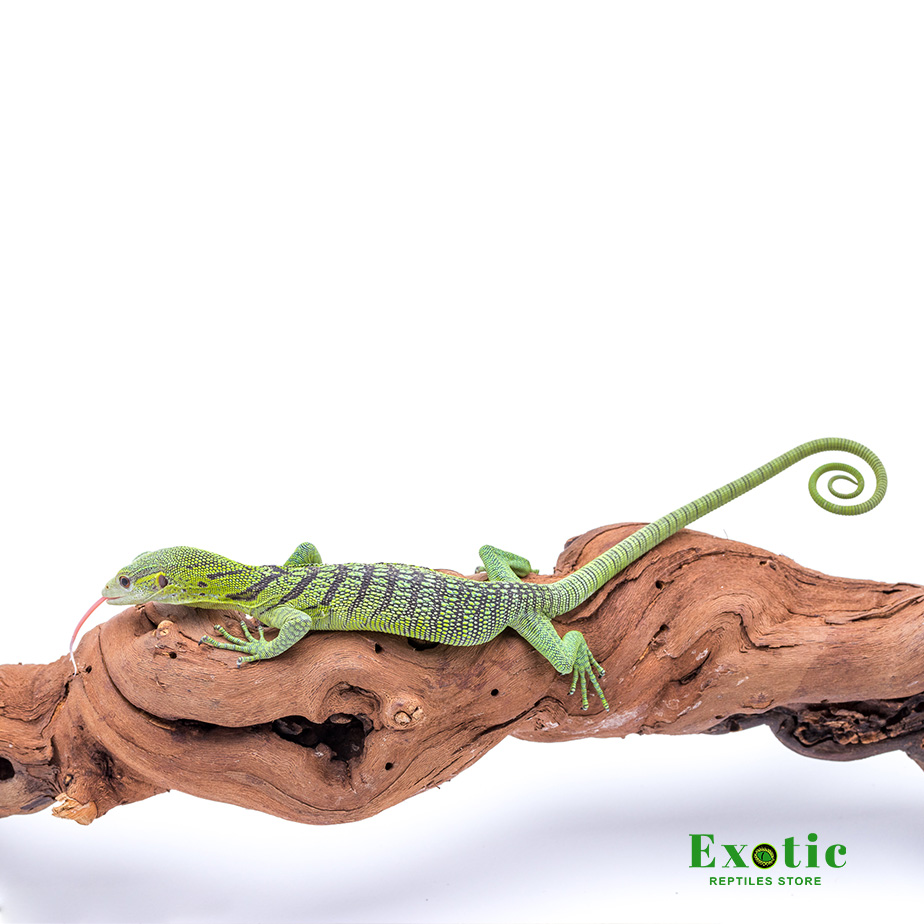
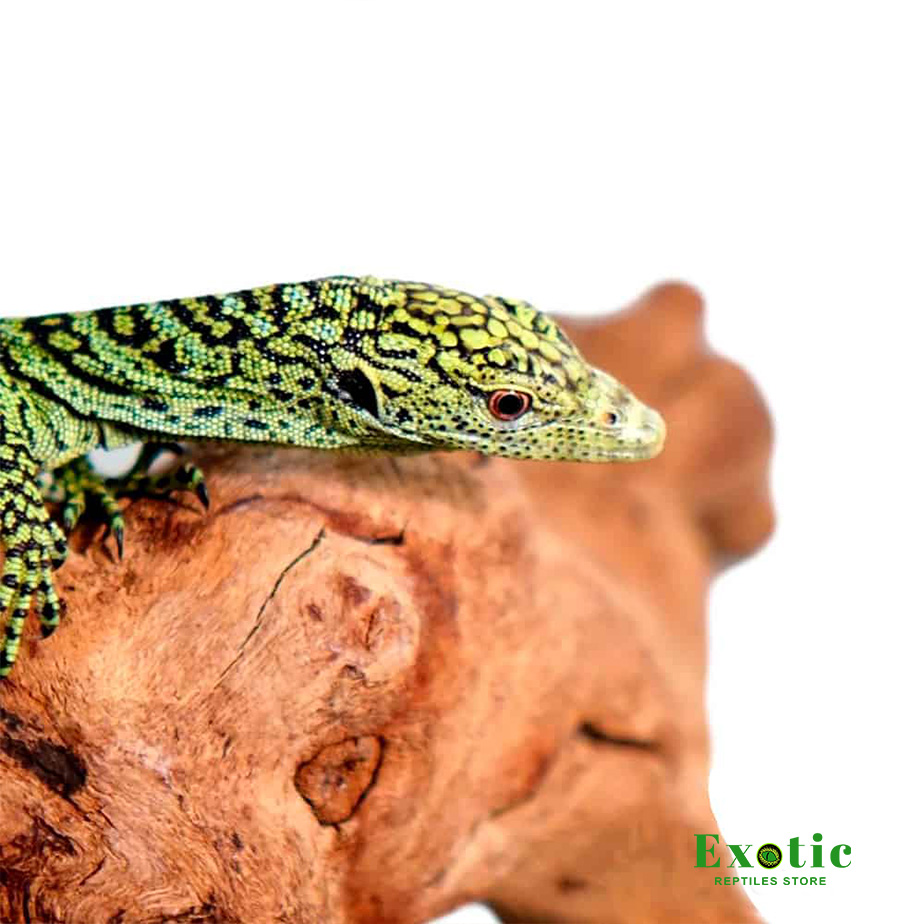
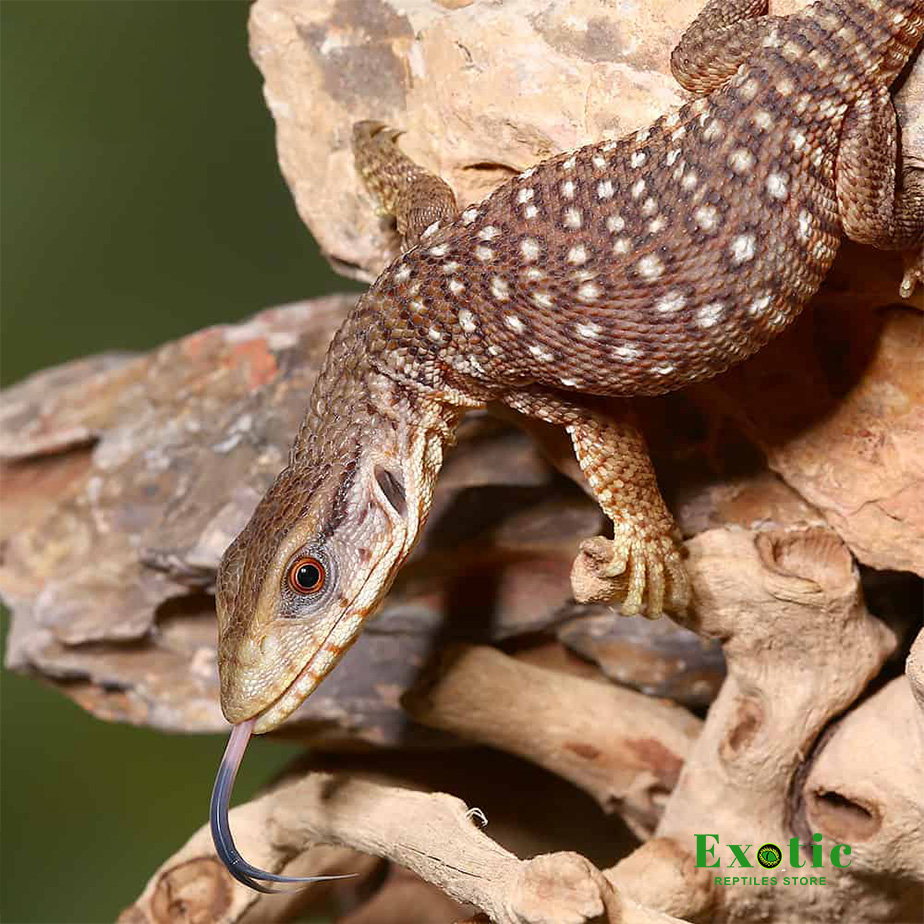
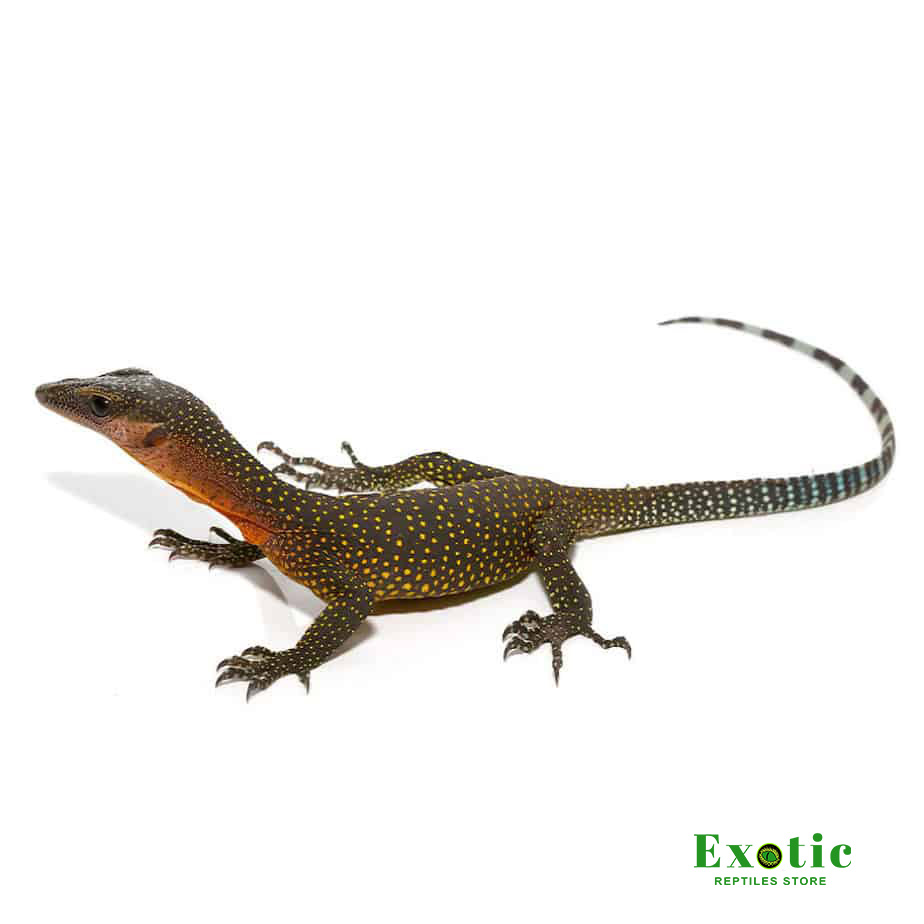
Monitors for Sale at Exotics & Aquatics
Monitor lizards are among the most fascinating reptiles available to experienced keepers. Known for their alert behavior, active movement, strong feeding responses and remarkable variety, monitors belong to a diverse group of lizards with very different physical characteristics and environmental requirements. At Exotics & Aquatics, this category brings together monitor lizard listings for customers researching these intelligent reptiles and the responsibilities involved in keeping them.
Choosing a monitor lizard requires more than selecting an animal based on its appearance or juvenile size. Monitor species can differ considerably in adult length, body mass, activity patterns, temperament, habitat preferences, diet and overall care demands. Some are predominantly terrestrial, while others benefit from climbing structures, and many need substantial room to explore, dig, thermoregulate and retreat. Their long-term care can also involve considerable financial and practical commitments.
Before purchasing, research the exact species and compare its requirements with the space, experience, time and resources you can provide. Review each individual product listing for the animal-specific details that are explicitly stated, and confirm current availability before placing an order. Do not assume age, sex, captive-bred status, locality, health history or feeding history unless the listing specifically confirms that information.
Understanding Monitor Lizards
Monitor lizards belong to the genus Varanus. They occur in different habitats across parts of Africa, Asia and Oceania, including forests, grasslands, rocky environments, wetlands and arid regions. Their diversity means that there is no single enclosure design, feeding schedule or temperature range appropriate for every monitor.
Some species remain relatively compact compared with the largest monitors, while others grow into exceptionally large, powerful animals. Even species that are manageable in size may have specialized environmental requirements or behaviors that make them unsuitable for inexperienced keepers.
When researching monitors for sale, consider the following characteristics.
Adult Size and Growth
A juvenile monitor may look small enough to house in a modest enclosure, but its adult requirements can be dramatically different. The space needed for an adult depends on its total length, body shape, activity level, climbing or digging behavior and the amount of usable floor area it requires.
Before purchasing, determine the expected adult size of the exact species. Research how quickly it typically grows, the enclosure dimensions recommended for adults and whether you have enough room to maintain appropriate heating, lighting, humidity, furnishings and access for cleaning.
Planning for an adult animal from the beginning can prevent expensive enclosure replacements and housing problems later.
Terrestrial, Arboreal and Semi-Aquatic Habits
Monitor species occupy different ecological niches. Their natural behaviors should guide the design of their captive environments.
-
Terrestrial monitors: Need suitable ground space, secure retreats and, depending on the species, opportunities to dig or forage.
-
Arboreal and climbing monitors: May require sturdy branches, elevated resting areas, climbing routes and appropriate vertical space.
-
Semi-aquatic monitors: May need carefully designed water features or substantial water access, depending on the species, along with safe entry and exit points and effective water management.
-
Burrowing or shelter-seeking species: May benefit from suitable substrate depth, stable hiding places and environmental conditions that support natural retreating behavior.
These categories are general descriptions rather than substitutes for species-specific research. Some monitors use several habitat types, and their requirements may change with age, size and individual circumstances.
Behavior and Temperament
Monitor lizards are often described as intelligent and curious reptiles. They may investigate their surroundings, respond to feeding routines and become familiar with consistent husbandry practices. However, behavior varies between species and individual animals.
A monitor that tolerates routine care is not necessarily a pet that enjoys frequent handling. Defensive responses can include hissing, tail movements, biting, scratching or attempts to escape. Larger individuals can cause serious injuries, even when they are not deliberately aggressive.
Research the species’ likely behavior and consider whether you can safely manage an adult animal. Avoid assuming that every monitor will become tame or that frequent handling is necessary for good welfare.
Types of Monitor Lizards to Research
Different monitor species appeal to different keepers, but the correct choice depends on confirmed identity and the ability to meet the animal’s needs. The following examples illustrate the diversity of the group; they are not a guarantee that any particular species is currently available at Exotics & Aquatics.
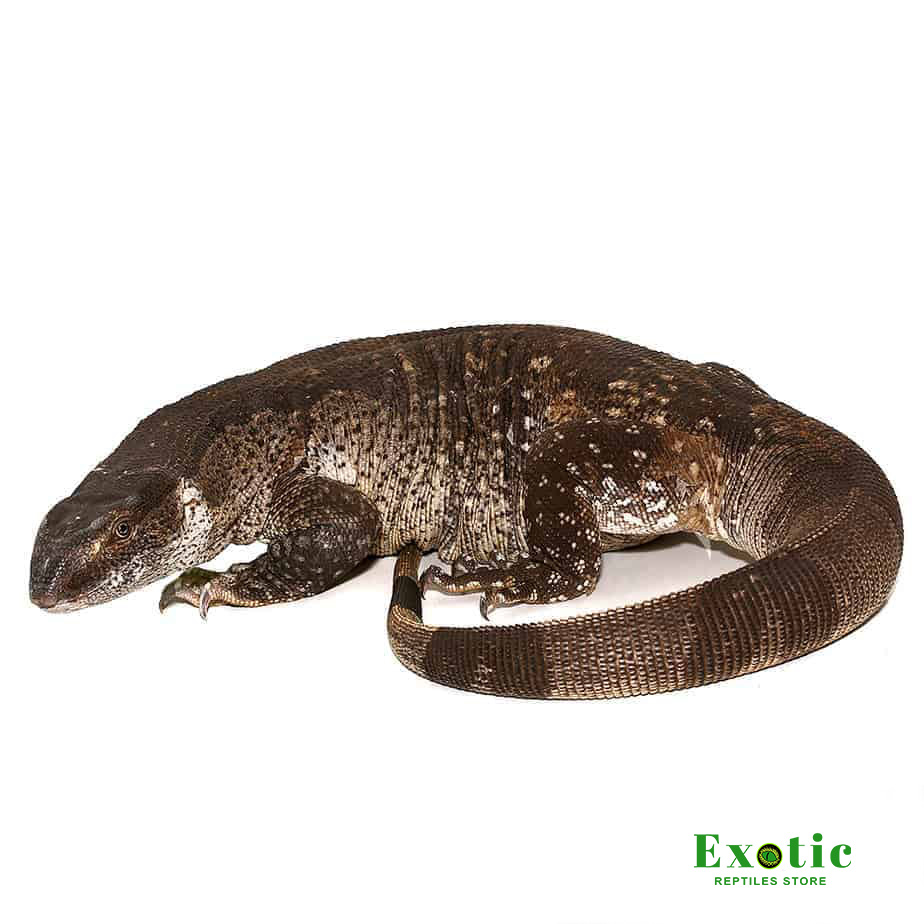
Savannah Monitors
Scientific name: Varanus exanthematicus
Savannah monitors are ground-oriented lizards associated with African savannah and related environments. They are often discussed by reptile enthusiasts because of their distinctive appearance and active behavior.
Despite sometimes being marketed as beginner-friendly due to their availability as juveniles, their care can be challenging. Adult animals need appropriate space, thermal gradients, suitable substrate and a carefully researched feeding plan. Excessive feeding, inappropriate food choices and inadequate environmental conditions can contribute to health problems.
Anyone considering a savannah monitor should research its adult requirements and consult experienced keepers or a qualified exotic-animal veterinarian before purchasing.
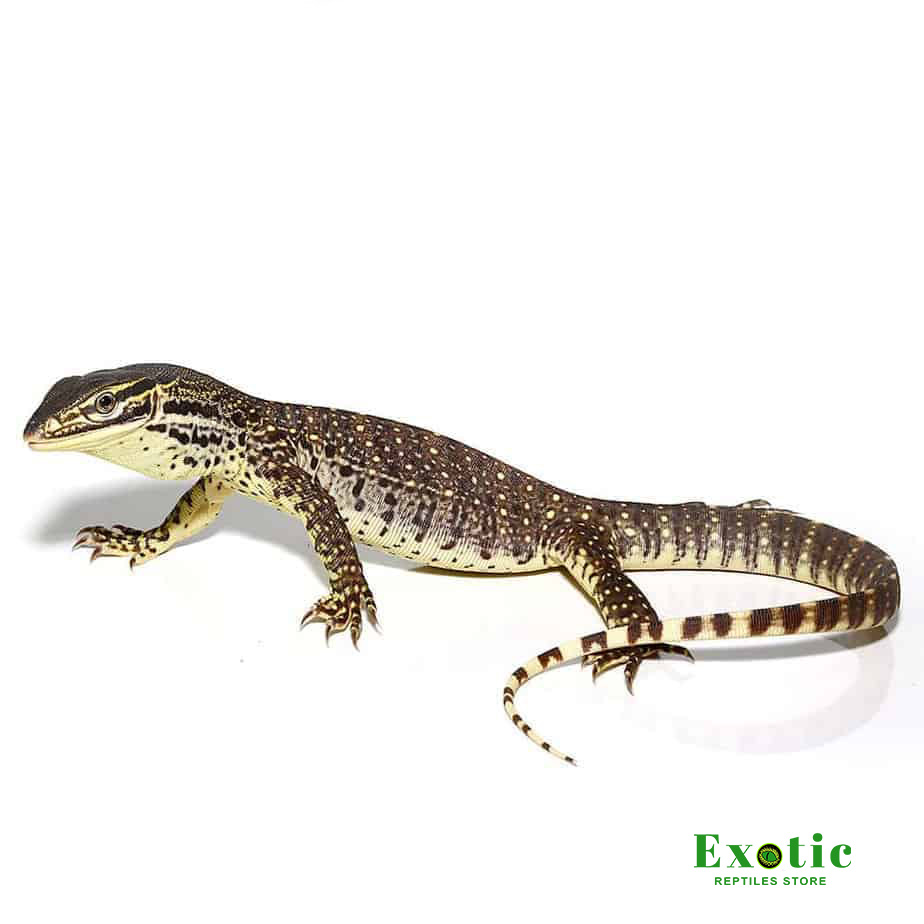
Ackie Monitors
Scientific name: Varanus acanthurus
Ackie monitors are smaller than many commonly discussed monitor species. They are active, alert lizards that benefit from environments designed around their terrestrial behavior, opportunities to climb, suitable basking areas and access to secure retreats.
Their comparatively smaller adult size does not eliminate the need for specialized care. Temperature management, UVB provision, enclosure design, nutrition and environmental enrichment remain important. They also need room to explore and exhibit natural behaviors rather than simply enough space to sit or turn around.
Prospective keepers should evaluate the full adult enclosure requirements and confirm that they can provide appropriate heating, lighting and feeding consistently.
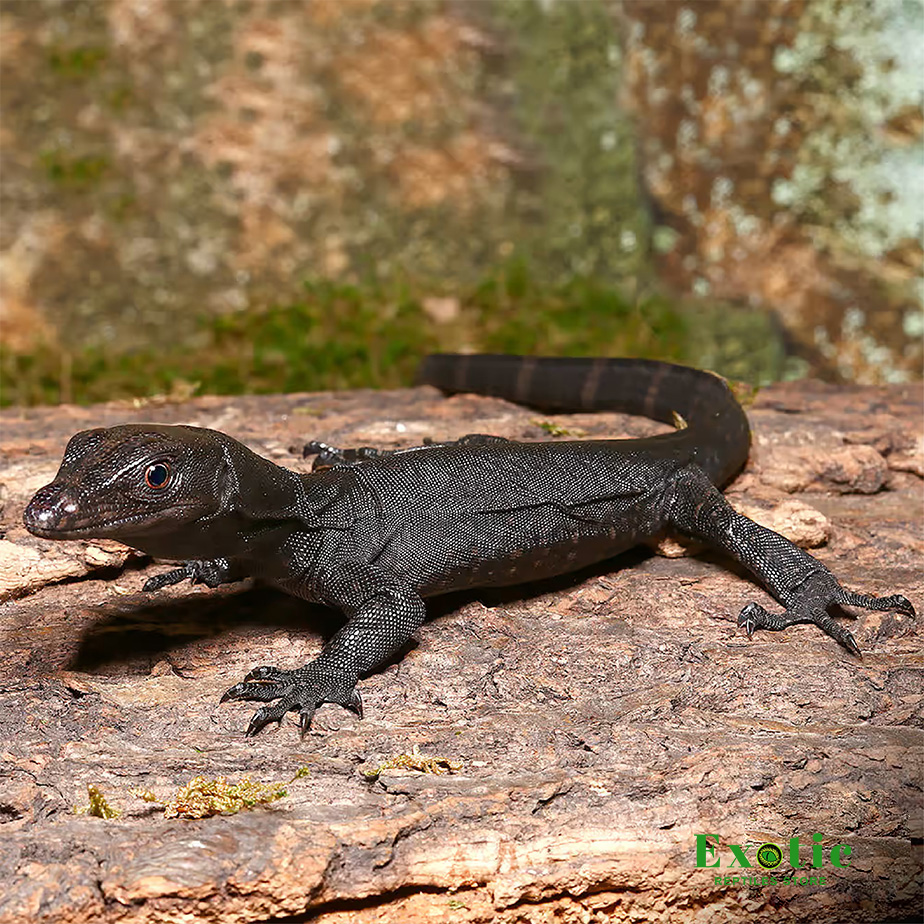
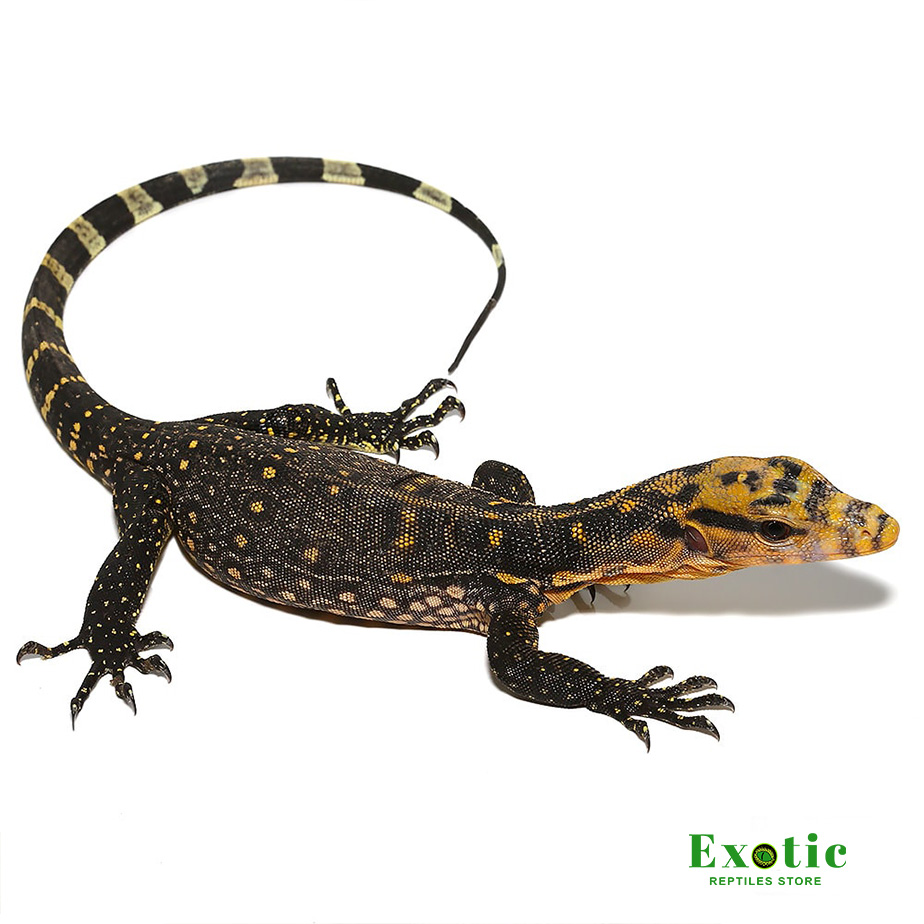
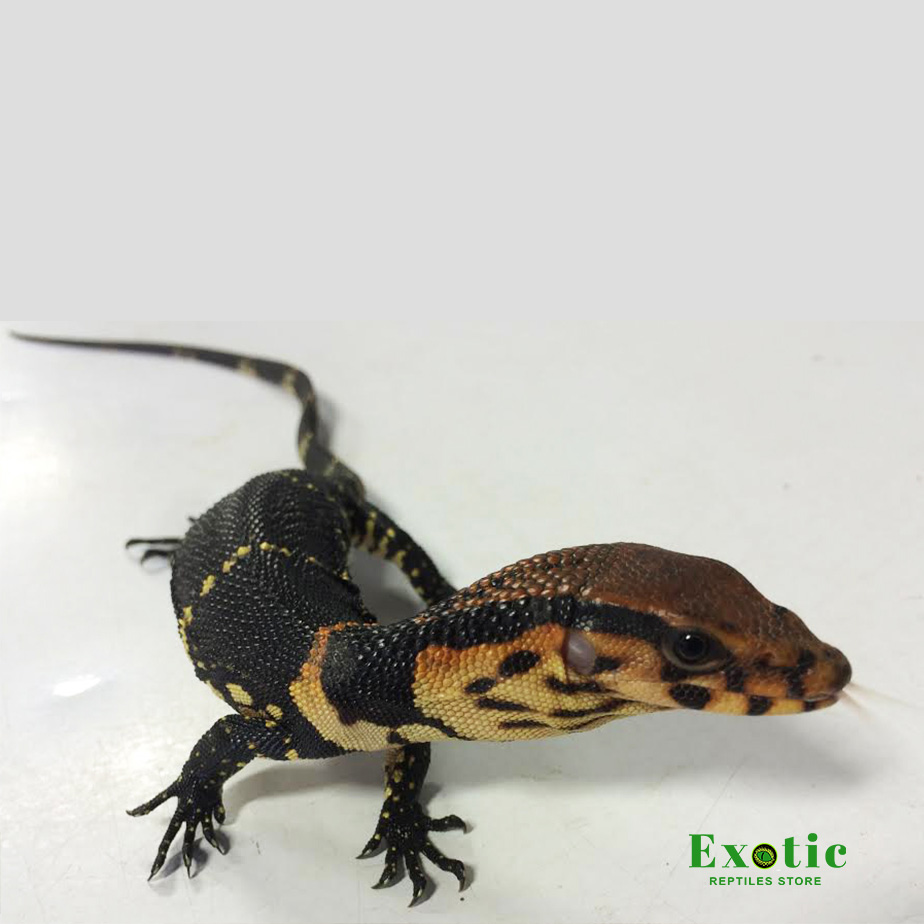
Asian Water Monitors
Scientific name: Varanus salvator
Asian water monitors are large, powerful lizards associated with environments where water is an important feature. Their adult size, strength, environmental needs and potential water-management requirements make them a substantial commitment.
A suitable setup may require extensive secure space, robust construction, carefully managed temperatures and humidity, and appropriate water access. Water features must be designed so the animal can use them safely and the keeper can maintain cleanliness without creating hazards.
These monitors are generally unsuitable for casual ownership or keepers who cannot accommodate a large adult reptile. Legal requirements should also be investigated before any purchase.
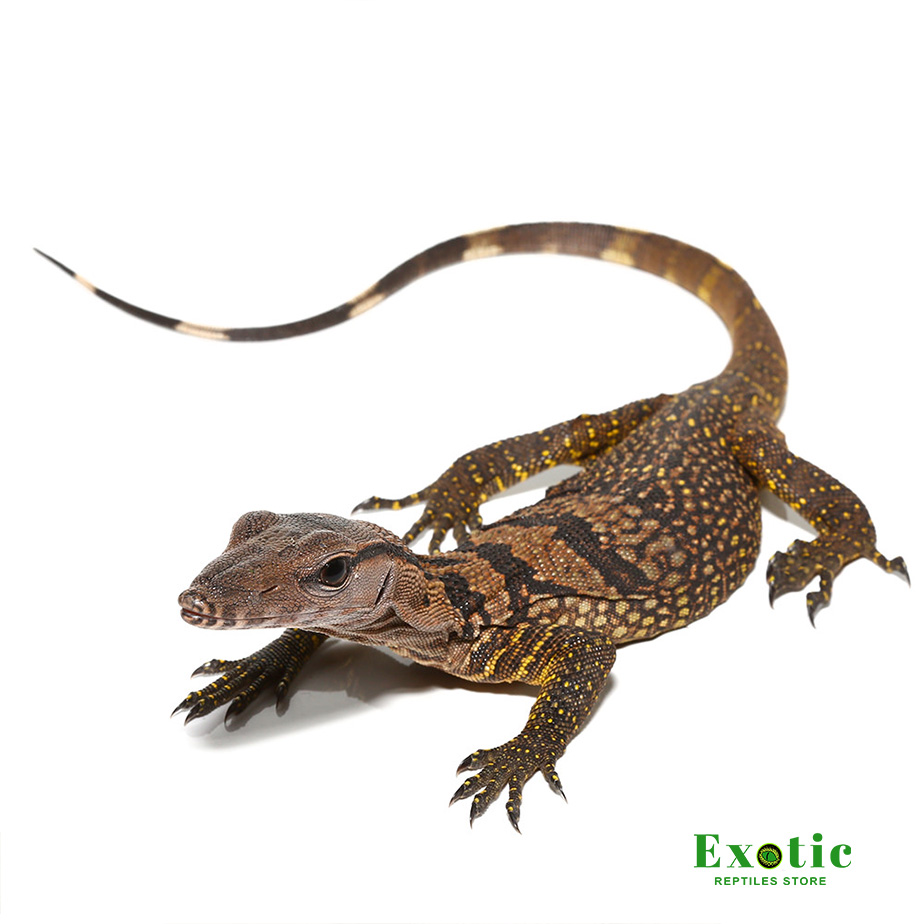
Nile Monitors
Scientific name: Varanus niloticus
Nile monitors are active, strong-bodied lizards that can become very large. They may exhibit defensive behaviors and require extensive housing, appropriate thermal conditions, environmental enrichment and careful management.
Their needs should not be underestimated simply because a juvenile is small. Adult enclosure planning, feeding costs, safe handling practices and access to veterinary care should all be addressed before considering ownership.
Research local regulations carefully, since possession and transport rules can differ by jurisdiction and species.
Other Monitor Species
The monitor group includes many other species with distinct sizes, habitat preferences and care requirements. When comparing available animals, use the scientific name where possible and seek reliable information about the exact species rather than relying exclusively on a common name.
If a listing does not identify the species clearly enough for you to research its care, ask the seller for clarification before ordering.
How to Choose the Right Monitor Lizard
The most suitable monitor is not necessarily the smallest, most colorful or most readily available animal. It is the species whose long-term needs you can realistically meet.
1. Research the Exact Species
Start with the animal’s confirmed identity. Common names can sometimes be used inconsistently, and similar-looking monitors may differ substantially in adult size, habitat requirements and behavior.
Look for reliable, current information from experienced reptile husbandry sources, specialist veterinarians and other reputable references. Compare more than one source when recommendations differ, particularly for temperature, humidity, diet and enclosure dimensions.
2. Assess Your Experience
Consider your experience with reptiles that require controlled temperatures, specialized diets, secure enclosures and regular observation. Monitor lizards may require more complex care than many smaller pet reptiles.
Be realistic about your ability to manage an animal that becomes stronger or more defensive as it matures. A species that is appropriate for an experienced keeper may not be suitable for someone keeping their first reptile.
3. Calculate the Full Cost of Ownership
The purchase price is only one part of the cost of keeping a monitor. Expenses may include:
-
Adult-sized enclosure construction or purchase.
-
Heating, thermostats, lighting and replacement bulbs.
-
Thermometers, hygrometers and other monitoring equipment.
-
Suitable substrate, hides, climbing structures and enrichment.
-
Food, supplements where appropriate and safe food storage.
-
Electricity, cleaning supplies and water management.
-
Initial and ongoing veterinary examinations.
-
Emergency veterinary treatment and enclosure repairs.
Create a realistic budget before ordering. If you cannot afford appropriate adult housing and veterinary care, postponing the purchase is the responsible choice.
4. Consider Space and Safety
An enclosure must provide more than enough room for the animal to fit inside. It should support movement, thermoregulation, hiding, feeding and species-appropriate behaviors.
Consider the available room in your home, floor-loading limitations for large enclosures, ventilation, access for cleaning and the ability to keep the animal safely contained. A monitor should not be housed in an enclosure that is easy to open, structurally weak or difficult to maintain.
Also consider household members, other pets and visitors. Establish safe procedures for enclosure access, feeding and maintenance.
5. Check Legal Requirements
Before purchasing, confirm the laws that apply to your location. Regulations may address ownership, sale, importation, interstate or international transport, invasive species, wildlife permits and other requirements.
Do not assume a species is legal to keep merely because it is offered for sale online. Confirm the current rules with the relevant authorities before placing an order.
Habitat and Enclosure Planning
A suitable enclosure is essential to a monitor’s welfare. Because species vary so widely, enclosure planning must be based on the specific animal rather than a generic monitor-lizard setup.
Enclosure Size and Structure
Determine the recommended enclosure dimensions for the species at its expected adult size. Consider both floor area and vertical space, as well as how the animal uses its environment.
The enclosure should have secure walls, reliable locks and a top or access system that prevents escape. Large monitors may push against doors, move heavy furnishings or exploit small gaps. Inspect all access points and structural components regularly.
For a large adult, a purpose-built enclosure may be necessary. Plan ahead for how it will be installed, cleaned, repaired and accessed for veterinary transport if needed.
Temperature Gradient and Basking Area
Monitors generally require a temperature gradient so they can move between warmer and cooler areas. The correct temperatures vary by species and should be researched using current, species-specific guidance.
A suitable heating arrangement may include a basking zone and cooler retreats. The goal is to provide a range of usable temperatures rather than heating the entire enclosure uniformly.
Use appropriate thermometers to measure conditions where the animal actually rests and moves. Surface temperature and air temperature are not interchangeable, so use suitable instruments for each measurement. Thermostats should be selected and installed according to the heating equipment manufacturer’s instructions.
Never rely on the temperature setting of a heater alone to determine the conditions inside the enclosure.
UVB Lighting and Photoperiod
UVB lighting is an important part of husbandry for many monitor species, supporting normal vitamin D metabolism and calcium balance. Requirements depend on the species, enclosure design, distance from the light source and the availability of shade.
Research the appropriate UVB setup for the animal and follow the manufacturer’s guidance for installation, distance and replacement. Mesh, glass, plastic and other barriers can affect UVB transmission.
Provide a suitable day-and-night cycle that reflects the species’ needs. Avoid exposing the animal to continuous lighting or placing lamps where it cannot retreat from excessive heat or light.
Humidity and Ventilation
Humidity requirements differ between monitors from arid, seasonal and tropical environments. Some species need access to humid retreats even when the general enclosure is relatively dry, while others require consistently more humid conditions.
Use a hygrometer and measure humidity in relevant areas of the enclosure. Adjust substrate, ventilation and moisture-management practices according to the species’ needs.
Ventilation is also important. Excessive moisture in a poorly ventilated enclosure can contribute to unhealthy conditions, while an enclosure that dries too quickly may not support the animal’s requirements. The objective is a stable, appropriate environment rather than simply maximizing humidity.
Substrate and Digging Opportunities
Choose substrate based on the monitor’s natural behavior, humidity needs, enclosure design and safety. Some species benefit from opportunities to dig or construct burrows, while others require different surfaces and moisture levels.
Substrate should be appropriate for the animal’s size and behavior, free of contaminants and maintained in a condition that supports hygiene. Avoid materials that create an unacceptable ingestion, impaction, respiratory or contamination risk.
If using deep substrate, make sure the enclosure’s structure and furnishings remain stable. Heavy branches, rocks and hides should not collapse if the animal digs beneath them.
Hides, Climbing Structures and Enrichment
A well-designed monitor habitat should support natural movement and provide secure retreats. Depending on the species, furnishings may include hides, sturdy branches, platforms, textured surfaces, digging areas and carefully managed water features.
All furnishings must be strong enough to support the animal’s weight and resistant to movement or collapse. Avoid sharp edges, unstable stacks and gaps where a monitor could become trapped.
Environmental enrichment can include safe opportunities to explore, forage and interact with a varied habitat. Rotate or adjust suitable enrichment thoughtfully without repeatedly disrupting the animal’s access to essential hiding places and familiar environmental zones.
Water Access and Hygiene
Provide clean water in a form appropriate for the species. Some monitors need only a suitable drinking dish, while others require more substantial water access.
Water containers should be stable, easy to clean and large enough for the intended purpose. If a pool or water feature is necessary, plan for safe entry and exit, filtration or frequent water changes as appropriate, and access for thorough cleaning.
Remove waste and spoiled food promptly. Clean and disinfect equipment using products and methods appropriate for reptile enclosures, ensuring surfaces are safe before the animal is exposed to them. Keep cleaning chemicals, aerosols and fumes away from the habitat.
Feeding and Nutrition for Monitor Lizards
Monitor diets vary substantially by species, age and natural feeding ecology. Some rely heavily on invertebrates, while others consume a broader range of prey. The correct diet must be established using reliable guidance for the exact monitor.
Species-Appropriate Food
Research which food items are appropriate for your monitor and its stage of development. Depending on the species, recommendations may include suitable insects, other invertebrates or appropriately selected whole prey.
Do not assume all monitors should eat the same foods or follow the same feeding schedule. An approach designed for one species can be inappropriate for another.
Feeding Frequency and Portion Size
Feeding frequency and portion size should reflect the animal’s age, growth, body condition, activity and species-specific nutritional needs. Juveniles and adults may require different approaches.
Avoid overfeeding simply because the animal shows a strong feeding response. Monitor appetite alongside body condition, growth and activity, and seek professional advice if you are uncertain whether the feeding plan is appropriate.
Supplements and Nutritional Balance
Some monitor husbandry plans include nutritional supplementation, but the correct product and frequency depend on diet, lighting, life stage and species. Too little or too much supplementation may create problems.
Do not copy a supplement routine from a different reptile species or use several products without understanding their combined ingredients. Consult a qualified reptile veterinarian or reliable specialist husbandry source if you need help evaluating the diet.
Safe Food Handling
Store food safely and prevent contamination. Use clean feeding tools, wash your hands after handling prey or animal waste, and remove leftovers when appropriate.
Maintain a simple record of feeding dates, food types and appetite. These records can help you identify gradual changes and provide useful information during veterinary consultations.
Daily Care, Handling and Health Monitoring
Monitor lizards need consistent care and observation. Their size, activity and feeding behavior can make changes noticeable, but early signs of health problems may be subtle.
Establish a Consistent Routine
A regular care routine helps keep conditions stable. Depending on the species, daily checks may include:
-
Confirming that heating and lighting equipment is operating correctly.
-
Checking temperatures and humidity in relevant areas.
-
Replacing drinking water and inspecting water features.
-
Removing waste and uneaten food as appropriate.
-
Observing movement, posture, alertness and feeding behavior.
-
Checking the enclosure for damage, loose locks or unstable furnishings.
-
Recording unusual behavior, appetite changes or shedding concerns.
Long-term records make it easier to recognize gradual changes that might otherwise go unnoticed.
Handling and Interaction
Handling requirements vary, and many monitors are more suited to observation than frequent physical interaction. Never assume that an animal’s tolerance of handling as a juvenile will remain unchanged as it grows.
Learn appropriate handling and restraint methods for the exact species before attempting to lift or restrain it. Large monitors may require trained assistance and specialized safety arrangements. Avoid grabbing the tail, cornering the animal or forcing interaction when it is showing defensive behavior.
Safe, calm husbandry is more important than trying to make every monitor behave like a frequently handled pet.
Veterinary Care
Identify an exotic-animal veterinarian with relevant reptile experience before bringing a monitor home. Discuss preventive examinations, appropriate testing, nutrition and any species-specific health considerations.
Contact a qualified veterinarian about persistent appetite changes, unusual breathing, injuries, marked lethargy, abnormal movement, swelling or other concerning signs. These symptoms can have multiple causes, and online information cannot establish a diagnosis.
What to Check Before Buying Monitors Online
Purchasing a monitor lizard online requires careful review of the listing, the seller’s arrangements and the animal’s future housing.
Before completing an order, work through the following checklist.
-
Confirm the identity: Review the stated common and scientific names, where provided. Ask for clarification if the species is unclear.
-
Read the entire product page: Look for the animal-specific details actually supplied. Do not infer age, sex, health status, locality, origin or feeding history from a photograph.
-
Confirm current availability: Listings can change. Verify availability if you need confirmation before ordering.
-
Ask questions before purchasing: Request clarification on any detail that materially affects your decision and is not stated.
-
Review delivery or collection arrangements: Confirm the available method, timing, applicable requirements and what you must prepare before the animal arrives.
-
Check purchase policies: Read the store’s current policies and retain relevant order confirmations and communications.
-
Verify legal compliance: Check all applicable ownership, sale and transport rules for your location.
-
Prepare the habitat: Set up the enclosure, verify environmental conditions and secure all access points before the animal arrives.
-
Arrange veterinary support: Identify a suitable reptile veterinarian and understand how you would transport the animal safely if care becomes necessary.
-
Plan for adulthood: Make sure the enclosure, budget and care routine can accommodate the animal as it grows.
A responsible purchase begins with realistic expectations. If important information is unclear, take time to resolve the questions before proceeding.
Preparing for Your Monitor’s Arrival
Preparation helps reduce avoidable stress and gives you an opportunity to identify problems before the animal enters its new environment.
Test the Enclosure in Advance
Run the heating, lighting and humidity-management equipment long enough to check that the enclosure maintains the required conditions. Measure different zones rather than relying on a single reading.
Confirm that the animal has access to appropriate basking areas, cooler retreats, secure hides and water. Make sure furnishings are stable and that doors and locks work reliably.
Prepare Supplies
Have the necessary food, cleaning supplies, measurement tools and replacement equipment available. If the species requires specialized substrate, water management or other environmental features, ensure these are ready before arrival.
Keep emergency contact details for a qualified veterinarian accessible.
Allow Time to Settle
After arrival, provide a calm, secure environment and avoid unnecessary handling. Observe the animal discreetly and allow it to become familiar with its enclosure.
Monitor feeding, activity and environmental conditions without making frequent, unnecessary changes to the habitat. If the animal shows concerning signs or fails to thrive, consult a qualified veterinarian rather than relying on guesswork.
Common Mistakes to Avoid When Keeping Monitors
Understanding common husbandry mistakes can help prospective owners decide whether they are prepared for the commitment.
Choosing based on juvenile size alone. A small monitor may grow into a large, powerful animal that requires substantial housing and careful handling.
Using generic care instructions. Monitors differ in temperature, humidity, substrate, lighting and diet. Research the exact species.
Underestimating enclosure security. Weak doors, loose locks and poorly fitted panels can create escape risks, particularly for strong animals.
Overlooking environmental measurements. A heat lamp being switched on does not prove that the animal has the correct basking or ambient temperatures.
Overfeeding. Strong feeding responses do not necessarily indicate that more food is appropriate. Monitor body condition and follow a suitable feeding plan.
Assuming handling guarantees tameness. Individual behavior varies. Safe enclosure management and appropriate interaction should take priority over forced handling.
Waiting until a problem develops to find a veterinarian. Establish veterinary access before the animal arrives.
Ignoring regulations. Confirm the current rules that apply to possession, sale and transport before completing a purchase.
Related Animal Categories at Exotics & Aquatics
If you are comparing reptile groups, exploring related categories can help you understand the differences between monitor lizards and other reptiles. Each group has its own housing, feeding and environmental requirements, so compare the exact species rather than assuming related animals are interchangeable.
-
Lizards: Explore the broader lizard category to compare different sizes, behaviors and habitat requirements.
-
Tegus: Research tegus as another group of active lizards, paying close attention to their adult size, enclosure needs and handling considerations.
-
Iguanas: Learn about iguanas and their specialized requirements, including appropriate space, lighting, diet and long-term care.
Availability and individual animal details are determined by the current listings. Confirm the information provided on each product page before making a purchase decision.
Frequently Asked Questions About Monitors for Sale
Are monitor lizards suitable for beginners?
Some species may be more manageable than others, but monitor lizards should not automatically be considered beginner pets. Even smaller species need specialized husbandry, appropriate diets, secure enclosures and veterinary access. Research the exact species and honestly assess your experience before choosing one.
How large do monitor lizards get?
Adult size varies widely by species. Some monitors remain relatively small compared with the largest members of the group, while others grow into very large, powerful lizards. Research the expected adult size of the specific animal rather than estimating its future size from a juvenile photograph.
What enclosure does a monitor lizard need?
The correct enclosure depends on the species, adult size and natural behavior. Requirements may include substantial floor space, climbing structures, digging opportunities, secure hides, a temperature gradient, appropriate UVB lighting and species-specific humidity. Prepare and test the habitat before bringing the animal home.
What do monitor lizards eat?
Diet varies by species and age. Some consume mainly invertebrates, while others have different prey requirements. Research the exact monitor’s nutritional needs, appropriate food types, feeding frequency and supplementation requirements. Avoid applying a generic feeding schedule to every species.
Can monitor lizards be handled?
Handling tolerance varies between species and individuals. Some may become accustomed to calm, consistent husbandry, but this does not guarantee that they will enjoy being handled. Large or defensive monitors can injure people, so learn appropriate safety practices and never force interaction.
Are all monitor lizards in this category available?
Availability can change. Check the individual product page and contact Exotics & Aquatics if you need clarification before ordering. Do not assume that an animal is available simply because a category page discusses its species.
How can I confirm the age or sex of a monitor?
Use only information explicitly confirmed in the individual listing or by the seller. Appearance alone may not reliably establish age or sex, and identification methods vary by species. Ask for clarification if either detail is important to your decision.
Are monitor lizards legal to own everywhere?
No. Laws vary by location and may regulate particular species, ownership, sale, importation or transport. Check the applicable rules with the relevant authorities before purchasing, and obtain any required permits.
Should I prepare the enclosure before the monitor arrives?
Yes. Set up the enclosure and test its environmental conditions in advance. Verify the temperature gradient, lighting, humidity where relevant, security, water access and furnishings. Having the correct habitat ready reduces avoidable disruption after arrival.
What should I do if my monitor stops eating?
Appetite changes can have multiple causes, including environmental problems, stress and illness. Review husbandry conditions and seek advice from a qualified exotic-animal veterinarian, especially if the change persists or occurs alongside lethargy, abnormal breathing, weight loss or other concerning signs.
Where can I get reliable monitor-lizard care advice?
Use current, species-specific husbandry resources and consult an exotic-animal veterinarian experienced with reptiles. Requirements can differ substantially even among closely related monitor species, so broad care guides should not replace advice tailored to the animal.
Shop Monitors at Exotics & Aquatics
Choosing a monitor lizard is a long-term responsibility that begins with research and preparation. Take the time to understand the animal’s identity, adult size, environmental requirements, diet, behavior and potential lifetime costs before making a decision.
At Exotics & Aquatics, review the individual listing carefully, confirm any details that matter to your decision and make sure you can provide appropriate housing and care throughout the animal’s life.
Exotics & Aquatics
-
Website: https://www.exoticsandaquatics.com/
-
Address: 6447 Williamson Rd, Roanoke, VA 24019
-
Email: sales@exoticsandaquatics.com
Care information is general and should be checked against current, species-specific guidance. Product availability and animal-specific details are determined by each live listing.