Iguanas for Sale at Exotics & Aquatics
Iguanas are distinctive, intelligent lizards known for their strong bodies, long tails, climbing abilities and specialized care requirements. For reptile enthusiasts, they can be fascinating animals to observe and care for, but keeping an iguana successfully requires careful planning, appropriate housing and a long-term commitment. At Exotics & Aquatics, this category brings together iguana listings for customers researching these remarkable reptiles and the responsibilities involved in keeping them.
Before choosing an iguana, it is important to understand that the animals grouped under this name can differ in adult size, habitat preferences, behavior and dietary needs. Some commonly kept iguanas become very large and require substantial vertical space, strong climbing structures and carefully managed environmental conditions. Their dietary needs can also be more specialized than those of many other pet reptiles.
The right choice depends on the exact species, your experience, the space available in your home and your ability to provide appropriate care throughout the animal’s life. Review each individual product listing for the details explicitly provided and confirm current availability before purchasing. Do not assume an animal’s age, sex, health status, captive-bred status, locality or feeding history unless the listing specifically confirms it.
Understanding Iguanas as Pet Reptiles
Iguanas belong to a diverse group of lizards found in different habitats, particularly throughout parts of the Americas and the Caribbean. Their physical features and behaviors vary, but many commonly kept species need carefully controlled temperatures, suitable lighting, secure enclosures and a thoughtfully planned diet.
An iguana should not be selected solely because it looks attractive in a photograph or appears manageable as a juvenile. Some individuals grow considerably larger than new keepers expect, and their strength, claws and defensive behavior can make routine handling challenging.
Before purchasing, research the animal’s confirmed identity and consider how its adult requirements will fit into your daily routine.
Adult Size and Long-Term Commitment
Many commonly kept iguanas grow into substantial lizards. As they mature, they may need a purpose-built enclosure with considerable height, floor space and sturdy climbing structures. The enclosure must accommodate the animal’s body size while still providing room to move, bask, retreat and access food and water.
Planning only for a juvenile can lead to inadequate housing and expensive upgrades. Before choosing an iguana, research its expected adult size, growth pattern and recommended enclosure dimensions.
Also consider the commitment involved in caring for a long-lived reptile. Food, lighting, heating, cleaning supplies, enclosure maintenance and veterinary treatment can represent significant ongoing costs.
Climbing and Natural Behavior
Many iguanas are strong climbers. Their habitats should allow appropriate movement between elevated resting areas, basking locations and secure retreats. Branches, platforms and other furnishings must be strong enough to support the animal safely.
An iguana that cannot climb, stretch or move comfortably may be living in an environment that does not meet its behavioral needs. Enrichment should be designed around the species and the individual animal, with careful attention to stability and escape prevention.
Temperament and Handling
Iguanas may become accustomed to predictable routines, but their responses to handling vary. A calm individual can still become defensive if frightened, restrained or approached unexpectedly.
Depending on the animal, defensive behavior can include tail whipping, biting, scratching, struggling or attempting to escape. Adult iguanas can be powerful, and their claws can cause injuries during ordinary movement or handling.
Research the species’ typical behavior and do not assume every iguana will become comfortable with frequent handling. Good care prioritizes safe husbandry, suitable housing and the animal’s welfare rather than forcing interaction.
Types of Iguanas to Research
The term iguana can refer to several different lizards. The following examples illustrate the diversity of the group and are provided for educational purposes, not as confirmation of current inventory at Exotics & Aquatics.
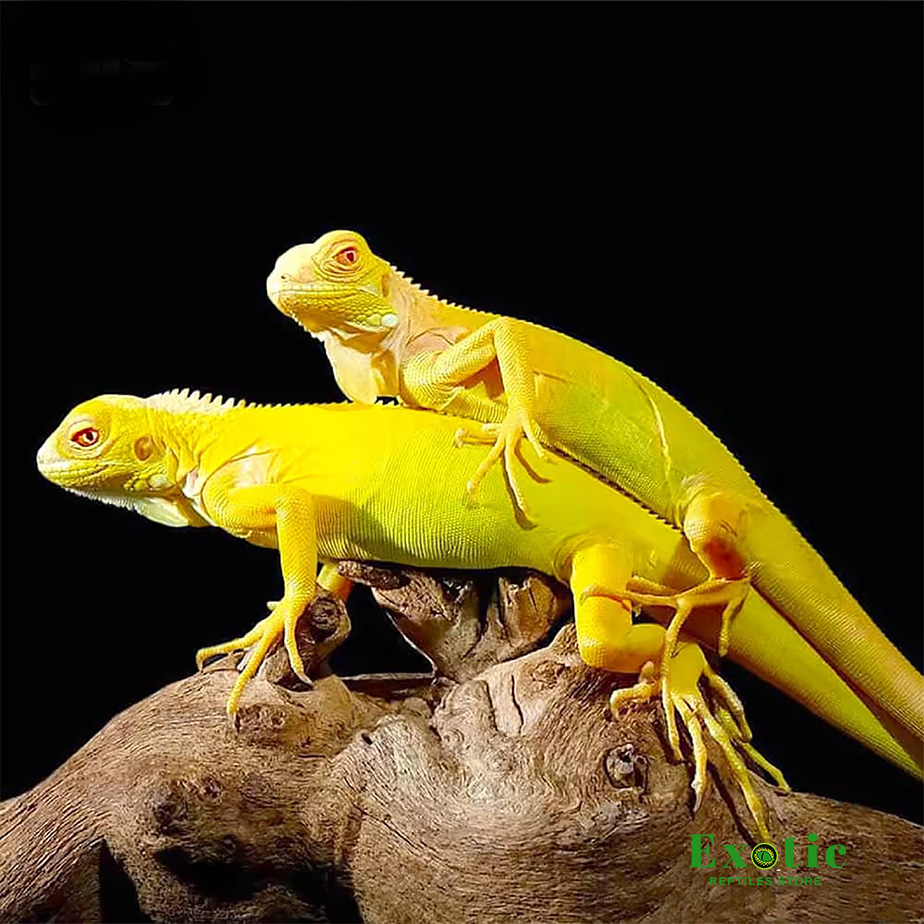
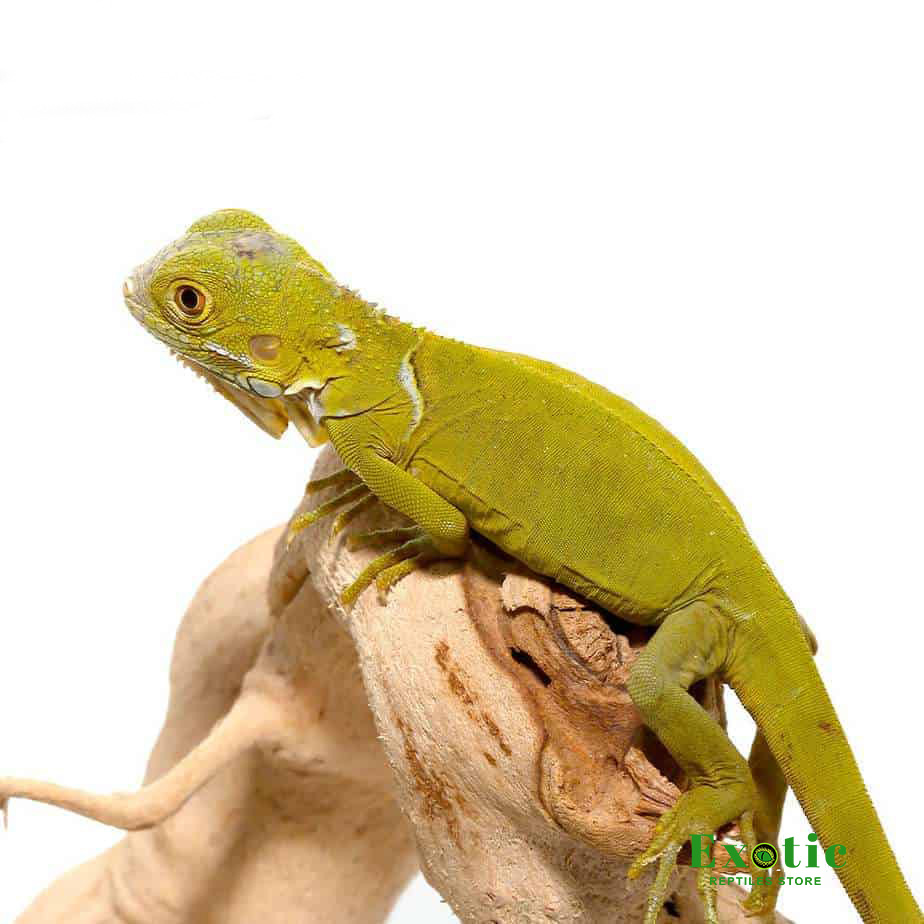
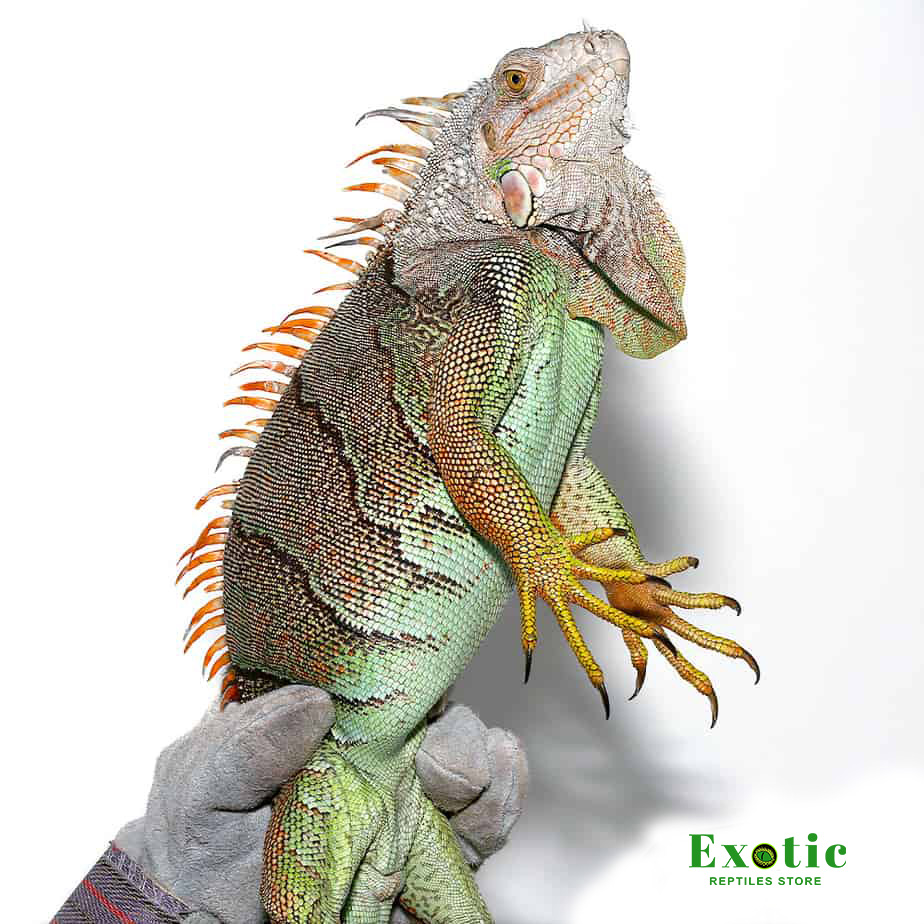
Green Iguanas
Scientific name: Iguana iguana
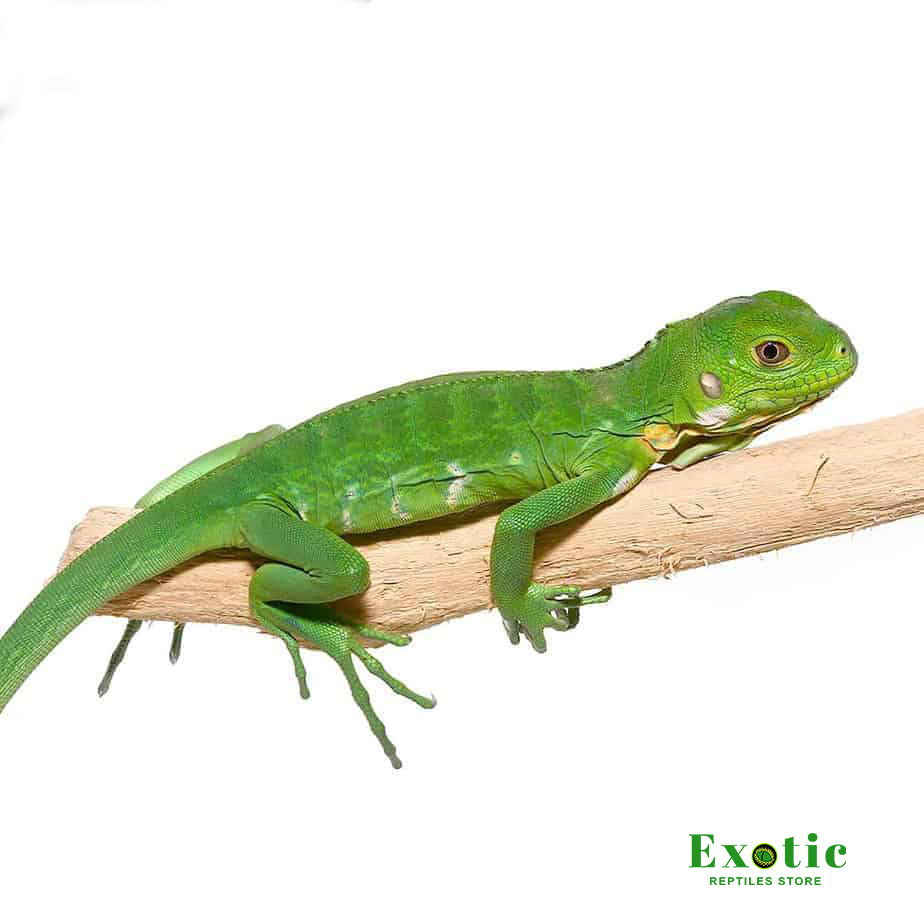
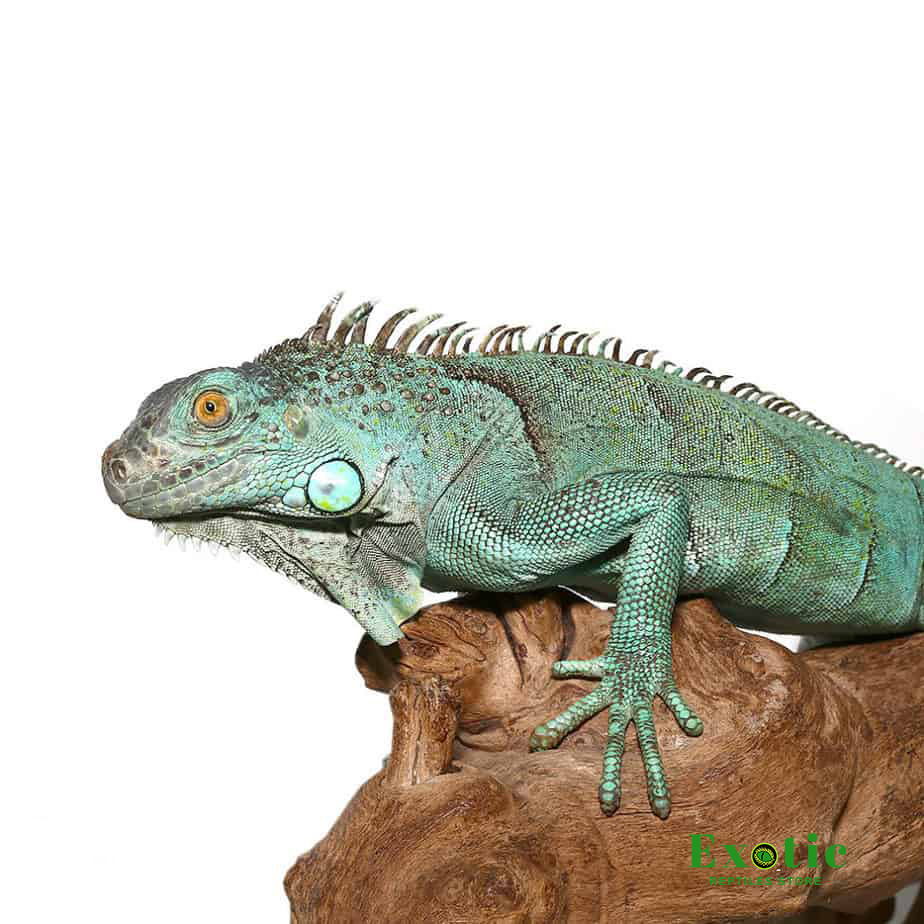
Green iguanas are among the best-known iguanas in the pet reptile trade. They are generally arboreal and may use branches, elevated platforms and other climbing structures extensively. Although young individuals can appear small, adults can become large, strong lizards requiring substantial housing.
Their care involves carefully managed temperatures, appropriate UVB lighting, suitable humidity and a balanced plant-based diet. A secure enclosure must provide enough space for climbing and movement while allowing the keeper to monitor conditions and clean the habitat effectively.
Green iguanas are not automatically easy pets because they are commonly recognized or widely discussed. Their adult size, strength and specialized needs make careful preparation essential.
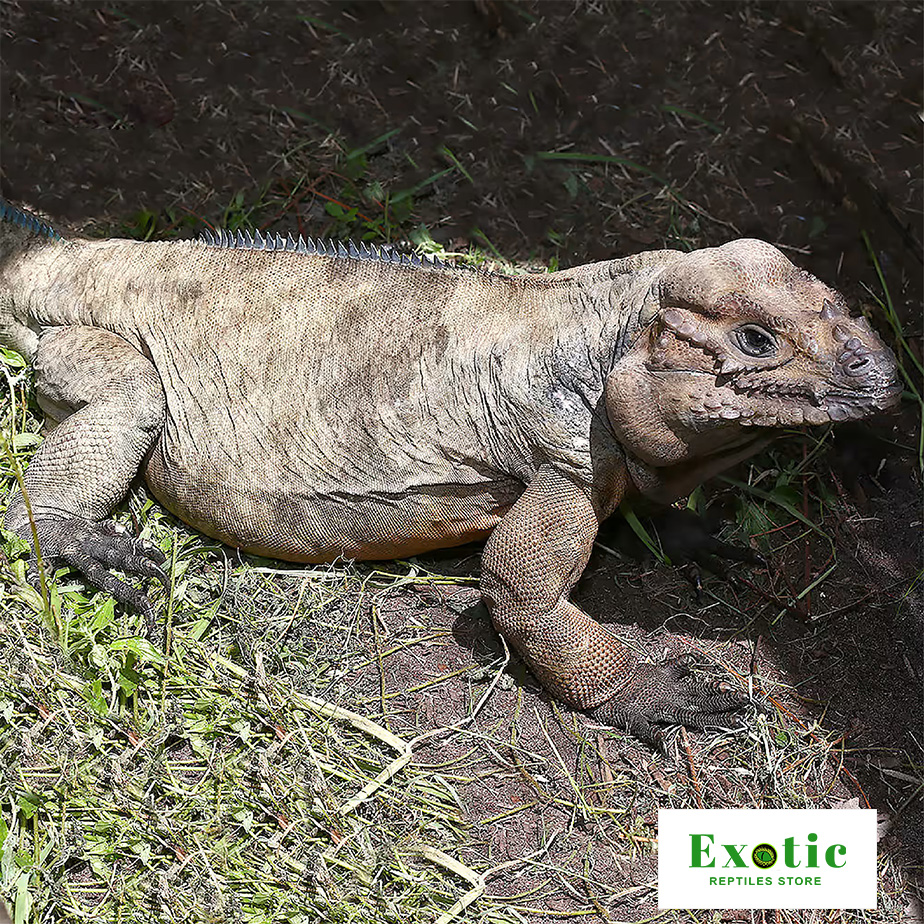
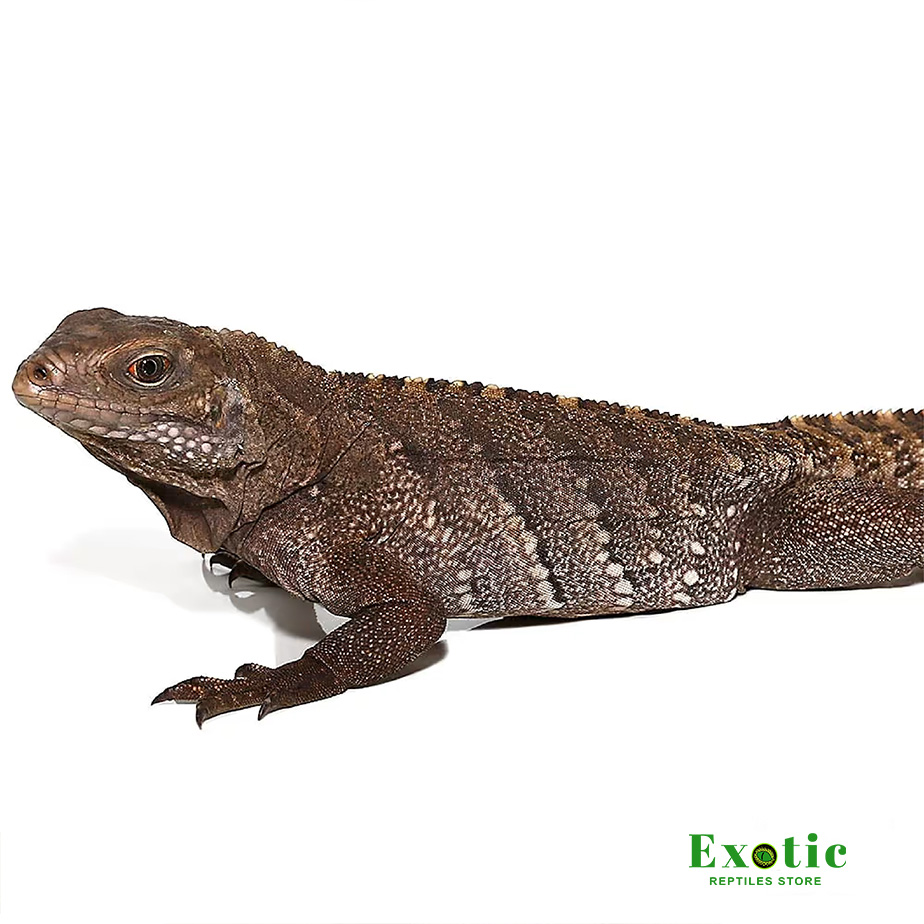
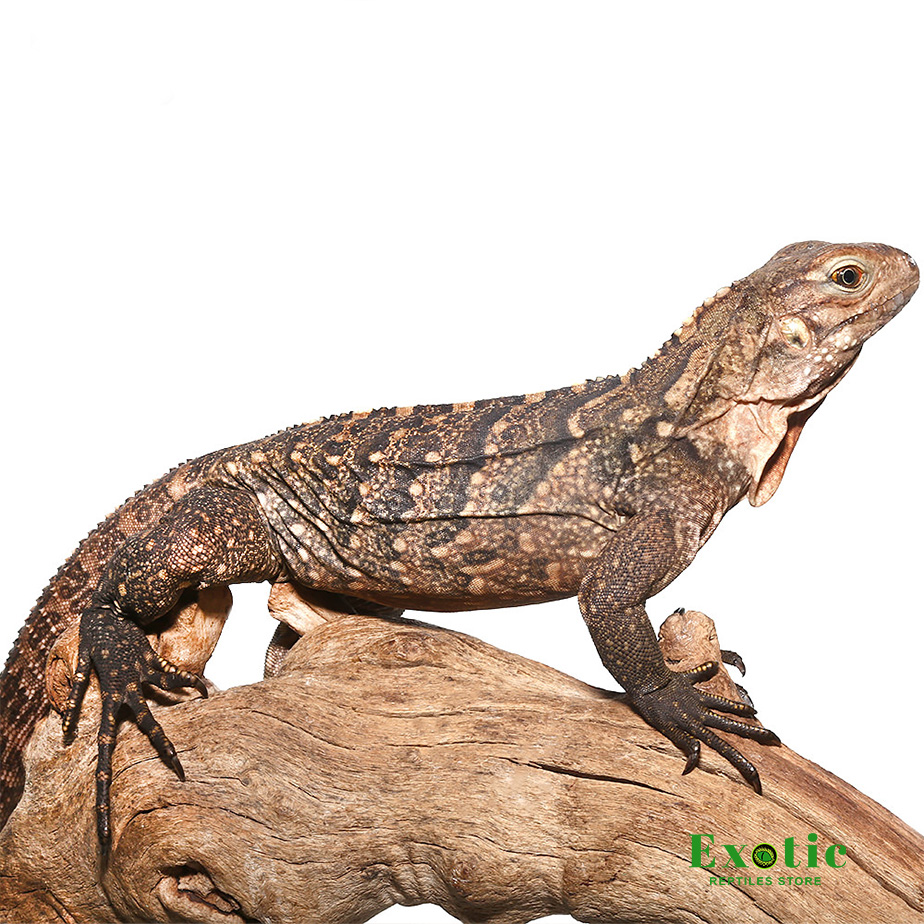
Rhinoceros Iguanas
Scientific name: Cyclura cornuta
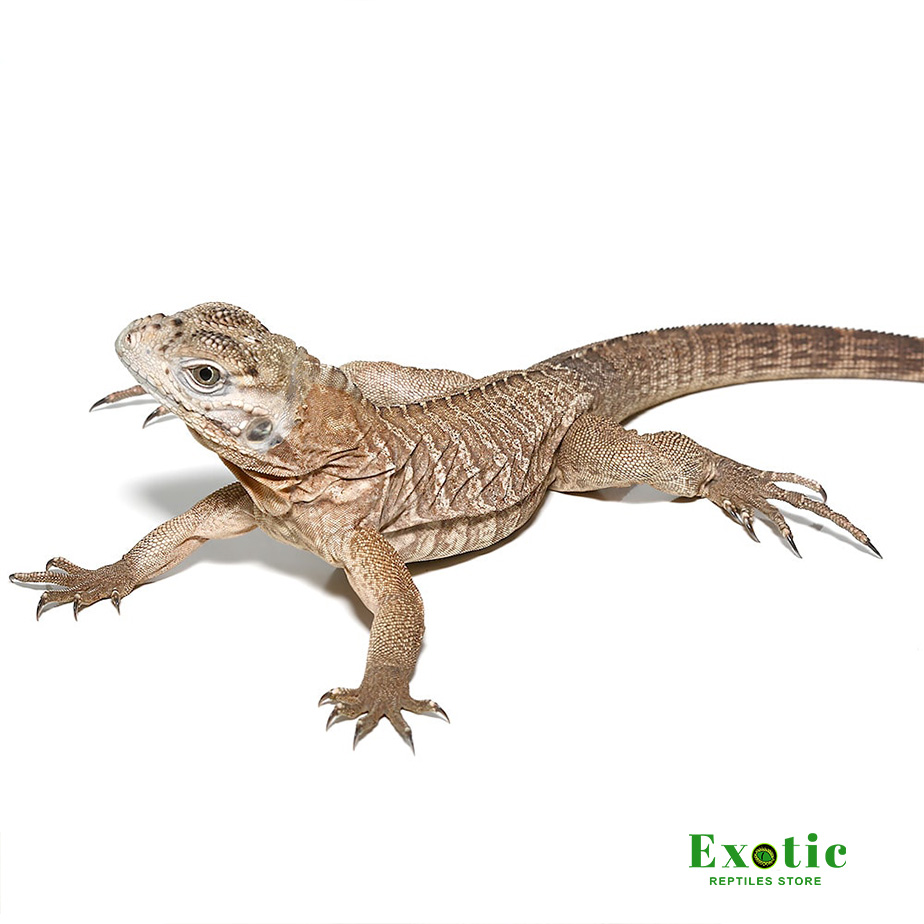
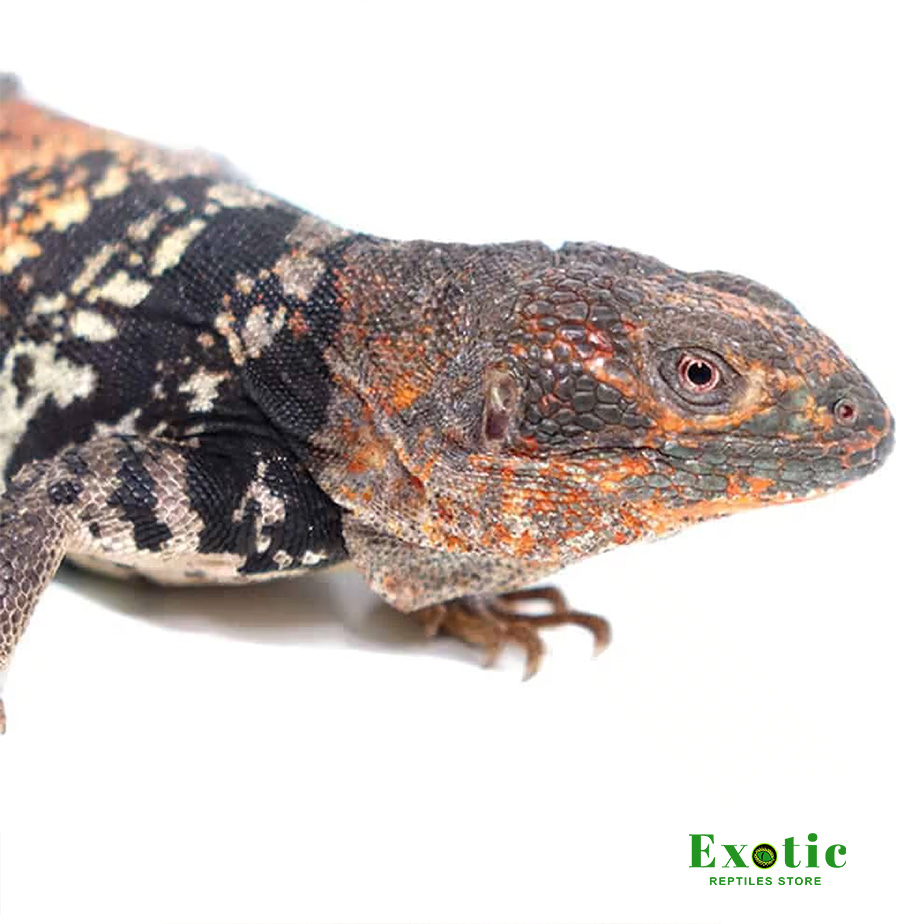
Rhinoceros iguanas are robust lizards associated with the Caribbean. They have a distinctive appearance and can require substantial space, sturdy enclosure construction and carefully managed environmental conditions.
Their care requirements differ from those of green iguanas in important ways, so keepers should not simply transfer one species’ husbandry routine to another. Research the animal’s diet, temperature requirements, enclosure design, behavior and legal status before considering ownership.
Because these are powerful reptiles, handling practices and secure housing deserve particular attention.
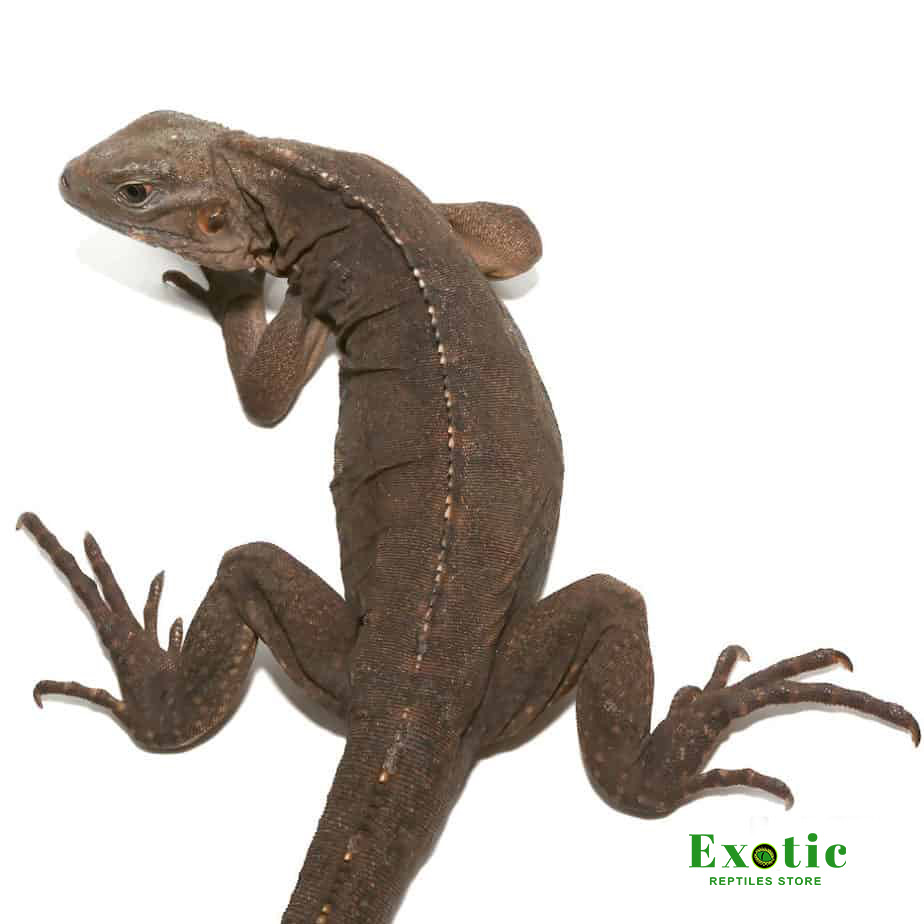
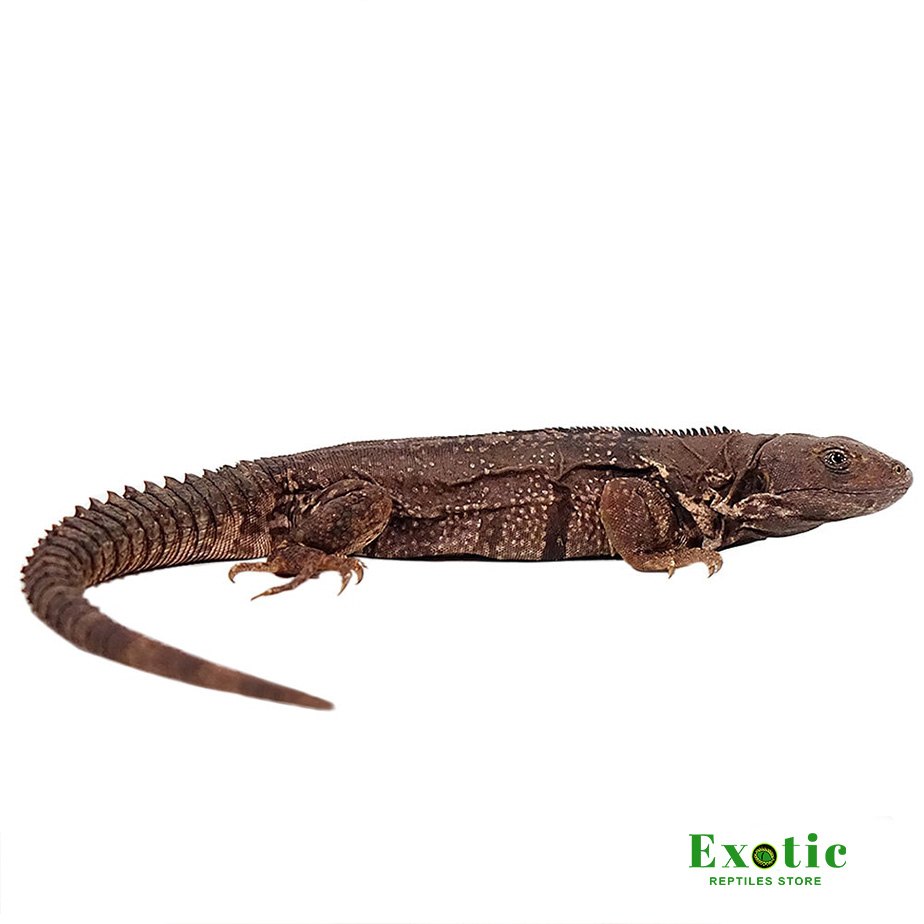
Lesser Antillean Iguanas
Scientific name: Iguana delicatissima
Lesser Antillean iguanas are a distinct Caribbean species with conservation concerns. They should not be treated as interchangeable with more commonly encountered iguanas.
Anyone researching this species must pay particular attention to its legal status, conservation protections and any restrictions on ownership, trade or transport. Confirm the source and legality of an animal with the appropriate authorities before proceeding.
This example also illustrates why scientific identification matters: similar common names or appearances do not establish that animals have the same legal status or care requirements.
Other Iguana Species
Other lizards commonly discussed alongside iguanas may differ considerably in adult size, habitat, diet and behavior. Some animals sold under informal or regional common names may also be confused with other members of the broader iguanian group.
Use the scientific name wherever possible, and seek clarification if a listing does not identify the animal clearly enough for you to research its needs.
How to Choose the Right Iguana
Choosing an iguana should begin with a realistic assessment of your experience, available space and ability to meet the animal’s long-term requirements.
1. Confirm the Species
Start by identifying the exact species offered. Common names can be used inconsistently, and related lizards may have different husbandry requirements.
Research the scientific name, expected adult size, natural habitat, dietary needs, temperature range, humidity requirements and typical behavior. Use reliable, current sources, and compare recommendations when information differs.
If an essential identification detail is missing from the product listing, ask for clarification before purchasing.
2. Assess Your Experience
Consider whether you have experience maintaining reptile enclosures with controlled temperatures, appropriate lighting, specialized diets and regular environmental monitoring.
Iguanas may require more space and stronger enclosure construction than many smaller lizards. Their size and defensive capabilities can also make routine care more demanding as they mature.
Be honest about your ability to manage an adult animal safely. If this would be your first reptile, research the full care requirements and speak with an experienced reptile keeper or qualified exotic-animal veterinarian before making a decision.
3. Evaluate Available Space
An adult iguana may need a large, tall enclosure with secure climbing structures and multiple usable environmental zones. Measure the space available in your home and determine whether you can accommodate the enclosure without compromising ventilation, access or household safety.
Remember to account for doors, lighting fixtures, branches, basking areas and maintenance access. A habitat that technically fits into a room may still be impractical if you cannot clean it safely or reach essential equipment.
4. Calculate Lifetime Costs
The purchase price is only one component of responsible iguana ownership. Budget for:
-
An appropriately sized adult enclosure.
-
Heating equipment and reliable thermostats.
-
UVB lighting and replacement bulbs.
-
Thermometers, hygrometers and other monitoring tools.
-
Sturdy branches, platforms, hides and enrichment.
-
Suitable fresh foods and safe food storage.
-
Substrate and cleaning supplies where appropriate.
-
Electricity, equipment maintenance and enclosure repairs.
-
Preventive veterinary examinations and emergency treatment.
Build a budget that accounts for both predictable expenses and unexpected veterinary needs. If adult housing or veterinary care would be unaffordable, delaying the purchase is the responsible option.
5. Consider Behavior and Household Safety
Think about who will care for the animal, where it will be housed and how enclosure maintenance will be performed. Iguanas should be protected from unsupervised interactions that could stress or injure them.
Consider the risk of scratches, bites, tail strikes and escape. Make sure all household members understand how to approach the enclosure safely and that children do not attempt to handle the animal without appropriate adult supervision.
6. Check Legal Requirements
Ownership rules vary by location and species. Laws may cover possession, sale, importation, transport, invasive species and protected wildlife.
Check current local and state regulations before ordering. If an animal will cross state or national borders, verify the applicable transport and import requirements as well. Do not assume a species is legal simply because it appears in an online listing.
Habitat and Enclosure Planning for Iguanas
A suitable enclosure is one of the most important parts of iguana care. Its design should reflect the confirmed species, expected adult size and natural behavior.
Enclosure Size and Height
Many commonly kept iguanas need substantial vertical space because climbing is an important part of their behavior. The enclosure should also offer adequate floor space and enough room for the animal to turn, stretch, move between zones and reach food and water.
Plan for adult housing from the beginning. A temporary juvenile enclosure may be useful in some circumstances, but it must still meet the animal’s current requirements and be part of a realistic upgrade plan.
Large adult iguanas may require a custom-built enclosure. Ensure that materials are safe, surfaces are easy to maintain and the structure can withstand the animal’s weight and movement.
Secure Doors and Climbing Structures
Iguanas can be strong and persistent when exploring their surroundings. Doors, access panels and ventilation openings should be secure and appropriately sized to prevent escape.
Provide stable branches, platforms and other climbing structures suited to the species. Check that branches cannot roll, fall or detach when the animal moves. Avoid sharp edges and gaps that could trap toes, limbs or the body.
Inspect the enclosure regularly for wear, damaged fasteners and loose fittings.
Temperature Gradient and Basking Area
Iguanas need suitable temperatures for normal activity, digestion and thermoregulation. Exact requirements vary by species, so avoid applying one generic temperature setting to all iguanas.
A properly designed enclosure should provide a warm basking area and cooler zones that allow the animal to regulate its body temperature by moving around. Use suitable instruments to measure conditions in the places the iguana actually uses.
A thermostat helps control compatible heating equipment, but it does not replace temperature monitoring. Check equipment regularly and ensure that the animal cannot contact hot surfaces or lamps in a way that could cause burns.
UVB Lighting
Appropriate UVB exposure is an important part of husbandry for many iguanas. It supports vitamin D metabolism and calcium balance, which are essential considerations for normal bone health.
Choose lighting according to the species and enclosure design. Follow the manufacturer’s guidance on distance, installation, operating time and replacement. Mesh, glass and plastic can affect UVB transmission, so do not assume that a lamp provides the intended exposure through any barrier.
Provide shaded areas and appropriate retreats so the animal can move away from direct light when needed. UVB lighting should be part of a complete husbandry plan rather than a substitute for proper diet and veterinary care.
Humidity and Ventilation
Humidity requirements vary by species. A suitable setup must balance moisture retention with sufficient ventilation to maintain healthy enclosure conditions.
Use a reliable hygrometer and monitor conditions in relevant parts of the habitat. Consider how substrate, water containers, ventilation and enclosure materials affect humidity throughout the day.
Avoid allowing the enclosure to remain persistently damp when the species requires drier conditions. Conversely, do not allow the environment to become excessively dry if the animal needs greater humidity. Follow species-specific guidance instead of guessing.
Substrate and Furnishings
Choose substrate based on the species’ needs, the enclosure’s humidity and cleaning requirements, and any relevant ingestion or contamination risks.
Provide appropriate resting places and secure retreats. All furnishings should remain stable if the animal climbs over them or pushes against them.
Keep the habitat away from smoke, aerosols, fumes and household cleaning chemicals. Use cleaning products and methods appropriate for reptile enclosures, and ensure that surfaces are safe before the iguana returns to the area.
Water and Daily Hygiene
Provide clean water in a container appropriate for the species and individual animal. The container should be stable, easy to access and simple to clean.
Inspect water and food areas frequently, remove waste and spoiled food as appropriate, and maintain a consistent cleaning routine. A clean enclosure supports observation because it makes it easier to notice changes in waste, appetite and normal behavior.
Feeding and Nutrition for Iguanas
Diet is central to iguana care. Many commonly kept iguanas, particularly green iguanas, are primarily herbivorous and require a carefully planned plant-based diet. However, dietary needs should always be confirmed for the exact species.
Build a Varied Plant-Based Diet
For herbivorous iguanas, a suitable diet generally involves a variety of appropriate leafy greens, vegetables and other plant foods selected according to reliable reptile veterinary guidance.
Do not assume that any fruit, vegetable or houseplant is safe. Research appropriate foods and avoid toxic plants, contaminated produce and unsuitable items. A varied, species-appropriate diet is more useful than relying on a single ingredient.
Avoid Inappropriate Protein Sources
Do not assume that insects, meat, dairy products or other animal-based foods are suitable staples for herbivorous iguanas. Dietary choices that are inappropriate for the species can contribute to nutritional imbalance.
If you encounter conflicting feeding advice, consult a qualified reptile veterinarian or a reliable specialist source rather than experimenting with a diet intended for another lizard.
Food Preparation and Freshness
Wash suitable produce thoroughly, prepare it in manageable pieces and remove spoiled leftovers as appropriate. Store food safely and keep feeding tools clean.
Establish a realistic routine for purchasing and preparing fresh food. Iguanas can have substantial appetites as they grow, so consider the cost and availability of appropriate produce before purchasing one.
Supplements and Calcium
Calcium and other nutritional considerations depend on the species, diet, life stage and lighting conditions. Some iguanas may require carefully selected supplementation, but the product and frequency should not be guessed.
Excessive or inadequate supplementation can create problems. Seek species-specific veterinary guidance, particularly if you are uncertain about the nutritional balance of the diet or the suitability of the UVB setup.
Monitor Appetite and Body Condition
Keep records of feeding, appetite and changes in body condition. Gradual changes can be difficult to notice without a consistent record.
A reduced appetite may be associated with environmental conditions, stress, illness or other factors. If appetite changes persist or occur with lethargy, unusual movement, breathing difficulties or other worrying signs, contact a qualified exotic-animal veterinarian.
Daily Care, Handling and Health Monitoring
Iguanas need consistent environmental monitoring, safe interaction and prompt attention to changes in behavior or health.
Create a Daily Care Routine
A practical routine may include:
-
Checking heating and lighting equipment.
-
Measuring temperatures and humidity where appropriate.
-
Replacing or cleaning drinking water.
-
Removing waste and uneaten food as needed.
-
Observing movement, posture and alertness.
-
Checking that climbing structures and enclosure locks remain secure.
-
Recording appetite, shedding concerns and unusual behavior.
Regular observation helps establish what is normal for your animal and makes changes easier to recognize.
Handling and Defensive Behavior
Handling should be approached carefully and should take the animal’s size, behavior and welfare into account. Iguanas may resist restraint, scratch with their claws or use their tails defensively.
Do not grab an iguana by the tail or force it into interaction. Learn suitable handling methods for the species and individual animal, and seek experienced guidance if safe handling is difficult.
Large or defensive iguanas may require professional assistance for certain procedures. Safe enclosure management is preferable to unnecessary handling.
Shedding and Skin Observation
Like other reptiles, iguanas shed their skin as they grow. Observe the skin and toes during shedding, and ensure that environmental conditions and hydration are appropriate for the species.
Do not pull away skin that appears to be attached firmly. Persistent retained shed, swelling, wounds or changes around the toes and tail should be discussed with a qualified reptile veterinarian.
Veterinary Support
Identify an exotic-animal veterinarian who treats reptiles before bringing an iguana home. Preventive care can help you establish an appropriate baseline and discuss nutrition, lighting and husbandry.
Seek veterinary advice for persistent appetite changes, injuries, unusual breathing, marked lethargy, abnormal movement, swelling or other concerning symptoms. Online resources can support general learning but cannot diagnose an individual animal.
What to Check Before Buying Iguanas Online
Online listings can help you compare available animals, but a responsible purchase requires more than looking at photographs.
Use this checklist before ordering:
-
Confirm the species: Review the common name and scientific name where provided. Ask for clarification if identification is uncertain.
-
Read the full listing: Distinguish confirmed information from details that are not stated.
-
Confirm current availability: Inventory can change, so verify availability if necessary before placing an order.
-
Ask relevant questions: Clarify essential details that are missing, particularly those affecting care or suitability.
-
Review delivery arrangements: Confirm the available shipping or collection method, timing and any preparation requirements.
-
Read purchase policies: Review the store’s current policies and keep relevant order communications.
-
Check legal requirements: Confirm that ownership, sale and transport are permitted in your location.
-
Prepare the habitat: Ensure that the adult enclosure plan is realistic and that the current setup meets the animal’s needs.
-
Arrange veterinary care: Identify a suitable reptile veterinarian before the animal arrives.
-
Plan for long-term costs: Include food, equipment, electricity, enclosure maintenance and veterinary expenses.
Do not infer age, sex, origin, captive-bred status or health history from appearance alone. If a detail matters to your decision, seek confirmation before purchasing.
Preparing for Your Iguana’s Arrival
Preparing the enclosure before the animal arrives helps reduce avoidable stress and gives you time to resolve setup problems.
Test the Environment
Run the heating and lighting systems in advance. Measure temperatures in the basking area and cooler zones, check humidity where relevant, and confirm that the enclosure remains secure.
Make sure the animal can access appropriate climbing structures, food, water and hiding areas without encountering unstable furnishings or hazards.
Prepare Food and Supplies
Have suitable food, cleaning supplies, environmental monitoring equipment and replacement lighting or heating components ready. Understand the species’ feeding routine before the animal arrives.
Keep contact details for your reptile veterinarian accessible and consider how you would transport the animal safely if veterinary attention became necessary.
Allow the Iguana to Settle
After arrival, provide a calm environment and avoid unnecessary handling. Give the animal time to become familiar with its enclosure while continuing to monitor environmental conditions.
Avoid making frequent changes without a clear reason. If the iguana shows concerning signs or fails to thrive, consult a qualified veterinarian rather than relying on guesswork.
Common Iguana Care Mistakes to Avoid
Choosing based on juvenile appearance. A small iguana can grow into a large, strong animal with demanding housing needs.
Underestimating enclosure size. Iguanas need space to move and, for many commonly kept species, substantial climbing opportunities.
Neglecting UVB lighting. Appropriate UVB provision is an important part of a complete husbandry plan for many iguanas.
Using a generic temperature or humidity setting. Environmental requirements vary by species and should be measured in the animal’s usable zones.
Feeding an unsuitable diet. Many commonly kept iguanas are herbivorous. Do not assume that animal protein or an unbalanced selection of produce is appropriate.
Handling too frequently or forcefully. Forced interaction can cause stress and increase the risk of scratches, bites or other injuries.
Ignoring legal restrictions. Confirm current possession, sale and transport requirements before purchasing.
Waiting to find a veterinarian. Establish veterinary support before a health problem develops.
Related Animal Categories at Exotics & Aquatics
If you are comparing different reptiles, exploring related categories can help you understand how their requirements differ. Each species has its own housing, feeding and environmental needs, so make your decision based on the exact animal rather than generalizations about lizards.
-
Lizards: Explore the broader lizard category to compare different species, sizes and care requirements.
-
Monitors: Learn about monitor lizards, including their varied adult sizes, activity levels and specialized habitat needs.
-
Skinks: Compare skinks, a diverse group of lizards with a wide range of body shapes, behaviors and environmental requirements.
These related categories are useful starting points for research. Confirm current availability and animal-specific details in each live product listing.
Frequently Asked Questions About Iguanas for Sale
Are iguanas suitable for beginners?
Many commonly kept iguanas have demanding long-term requirements, including large enclosures, specialized lighting, careful nutrition and safe handling. They should not automatically be considered beginner pets. Research the exact species and consider your experience and available resources before purchasing.
How large do iguanas get?
Adult size varies by species. Green iguanas, for example, can become large lizards that need substantial housing. Research the expected adult size of the specific animal rather than estimating from its current appearance.
What do iguanas eat?
Many commonly kept iguanas are primarily herbivorous and require an appropriate variety of plant foods. Exact dietary recommendations depend on the species. Do not assume insects or animal protein are suitable staples for an herbivorous iguana.
Do iguanas need UVB lighting?
Appropriate UVB exposure is important for many commonly kept iguanas because of its role in vitamin D metabolism and calcium balance. The correct setup depends on the species, enclosure and lighting equipment. Follow reliable husbandry guidance and manufacturer instructions.
Can iguanas be handled?
Handling tolerance varies between individuals. Some iguanas may become accustomed to calm, predictable interaction, but they can also scratch, bite or use their tails defensively. Learn appropriate handling techniques and prioritize safety and welfare.
Are all iguanas listed in this category available?
Availability can change. Review the current product listing and contact Exotics & Aquatics if you need clarification before ordering. A category description does not guarantee that a particular species or individual is currently available.
Can I determine an iguana’s age or sex from a photo?
A photograph alone may not reliably establish age or sex. Use information explicitly confirmed by the seller, and ask for clarification if either detail is important to your decision.
Are iguanas legal to own everywhere?
No. Laws can vary by species and location, and certain iguanas may be subject to ownership, trade, import or transport restrictions. Check current regulations with the relevant authorities before completing a purchase.
Should the enclosure be ready before the iguana arrives?
Yes. Set up and test the enclosure beforehand. Confirm the temperature gradient, lighting, security, climbing structures, water access and other species-specific requirements so the animal has an appropriate environment from the beginning.
What should I do if my iguana stops eating?
A change in appetite can have several causes, including stress, environmental problems and illness. Review husbandry conditions and contact a qualified exotic-animal veterinarian if the change persists or is accompanied by other concerning signs.
Where can I find reliable iguana care advice?
Use current, species-specific husbandry resources and consult an exotic-animal veterinarian experienced with reptiles. Care requirements can differ significantly between species, so a general iguana guide should not replace advice tailored to your animal.
Shop Iguanas at Exotics & Aquatics
Choosing an iguana is a long-term commitment that starts with research, appropriate housing and realistic expectations. Before purchasing, confirm the animal’s identity, investigate its adult requirements and make sure you can provide suitable nutrition, environmental conditions, safe handling and veterinary care.
At Exotics & Aquatics, review the individual product listing carefully, confirm any details that are important to your decision and prepare for the animal’s needs throughout its life.
Exotics & Aquatics
-
Website: https://www.exoticsandaquatics.com/
-
Address: 6447 Williamson Rd, Roanoke, VA 24019
-
Email: sales@exoticsandaquatics.com
Care information is general and should be checked against current, species-specific guidance. Product availability and animal-specific details are determined by each live listing.