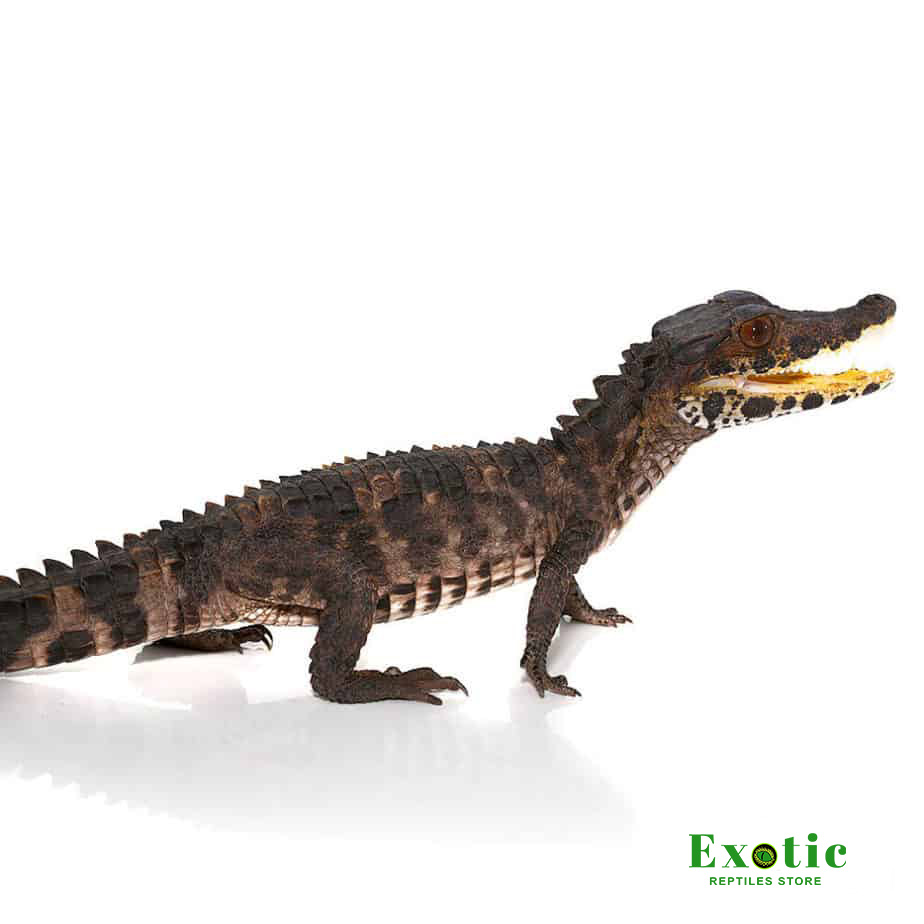
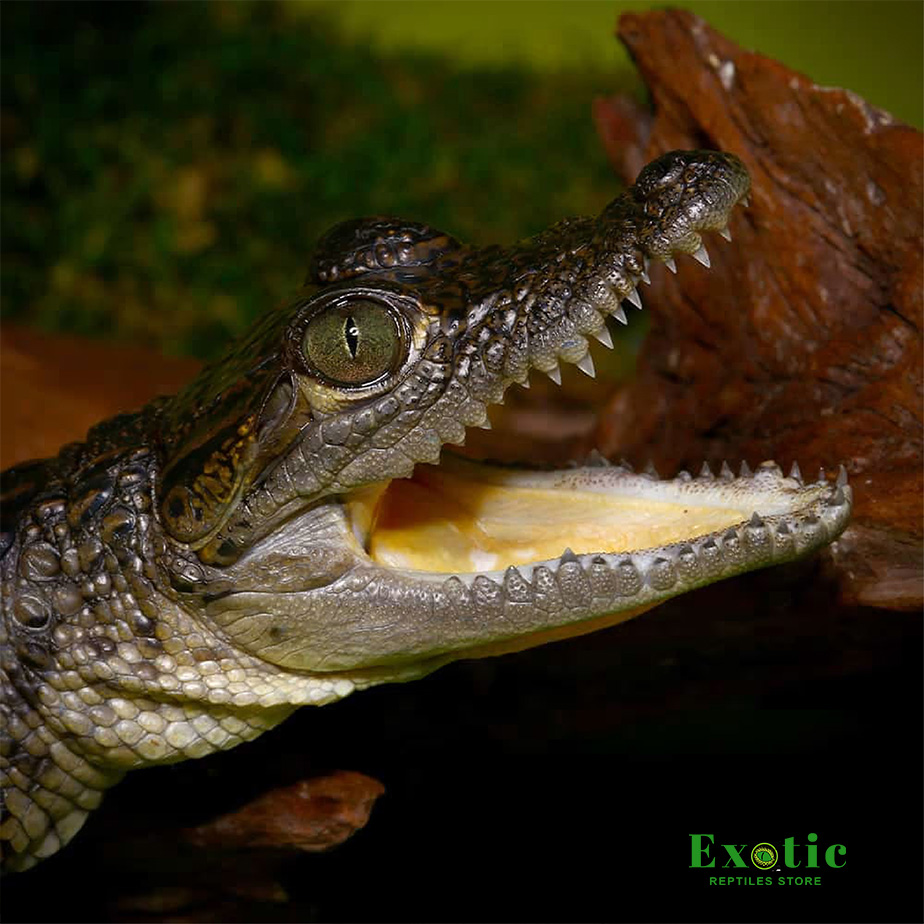
Crocodilians for Sale at Exotics & Aquatics
Crocodilians are powerful, highly specialized reptiles that require exceptional care, professionally designed facilities and strict safety procedures. This group includes crocodiles, alligators, caimans and gharials, animals with specialized aquatic and terrestrial needs, strong natural behaviors and potentially dangerous adult capabilities. At Exotics & Aquatics, this category provides a starting point for researching crocodilian listings and understanding the substantial responsibilities associated with these animals.
Crocodilians are not suitable for ordinary household pet keeping. Even relatively small juveniles can grow into powerful animals that require extensive secure space, carefully managed water systems, specialized diets, experienced professional care and emergency planning. Their requirements go far beyond those of most commonly kept reptiles.
Before considering a crocodilian, investigate the exact species, expected adult size, applicable wildlife laws, required permits, facility standards and specialist care needs. Ownership may be prohibited or tightly regulated in some locations. Never assume that an animal is legal to possess or transport simply because it appears in an online listing.
Review each individual product page for the details explicitly provided and confirm current availability before taking further steps. Do not assume age, sex, health status, captive-bred status, locality or feeding history unless the listing specifically confirms it.
Understanding Crocodilians
Crocodilians are a group of semi-aquatic reptiles adapted to life around water. Depending on the species, they inhabit rivers, wetlands, lakes, estuaries and other aquatic environments. Their physical characteristics and ecological requirements vary, but they share important features that make their care especially demanding.
These animals require more than an enclosure with a pool. Their welfare depends on suitable water quality, appropriate temperatures, secure land areas, safe retreat spaces, carefully managed nutrition and a facility designed around the animal’s expected adult size and strength.
Crocodilians can also react rapidly to perceived threats. Even individuals that appear calm may be capable of inflicting severe injuries. Routine care, feeding, transport and veterinary procedures must therefore be planned around professional risk management rather than ordinary pet-handling techniques.
Crocodiles
Crocodiles belong to the family Crocodylidae and include species adapted to a variety of freshwater, brackish and, in some cases, coastal environments. Their adult size, behavior and habitat requirements vary considerably.
A crocodile’s suitability for professional care depends on its confirmed identity, size, legal status and the facility available to house it. Enclosures must provide secure containment, appropriate aquatic and terrestrial zones, reliable environmental controls and safe maintenance access.
Alligators
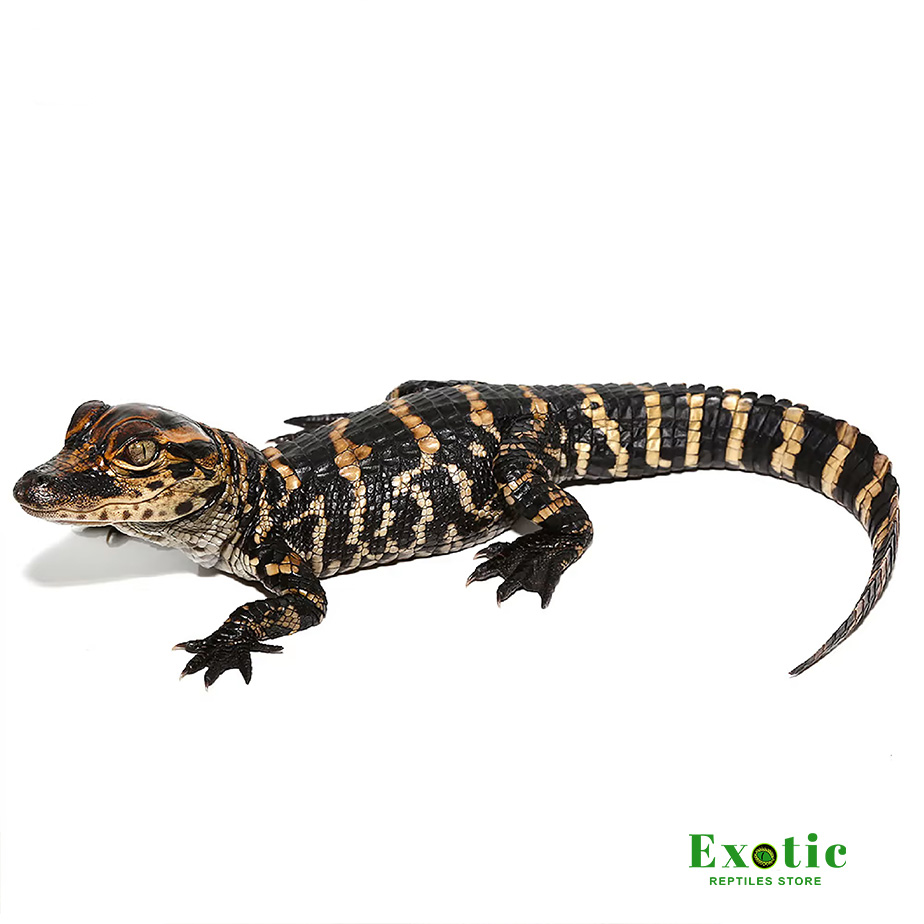
Alligators belong to the family Alligatoridae. American alligators and Chinese alligators are examples of this group, although their distributions, conservation status and legal considerations differ.
Alligators should not be regarded as manageable pets because they are familiar to people or appear calm in captivity. Their strength, feeding behavior and potential adult size require substantial expertise and appropriate facilities.
Caimans
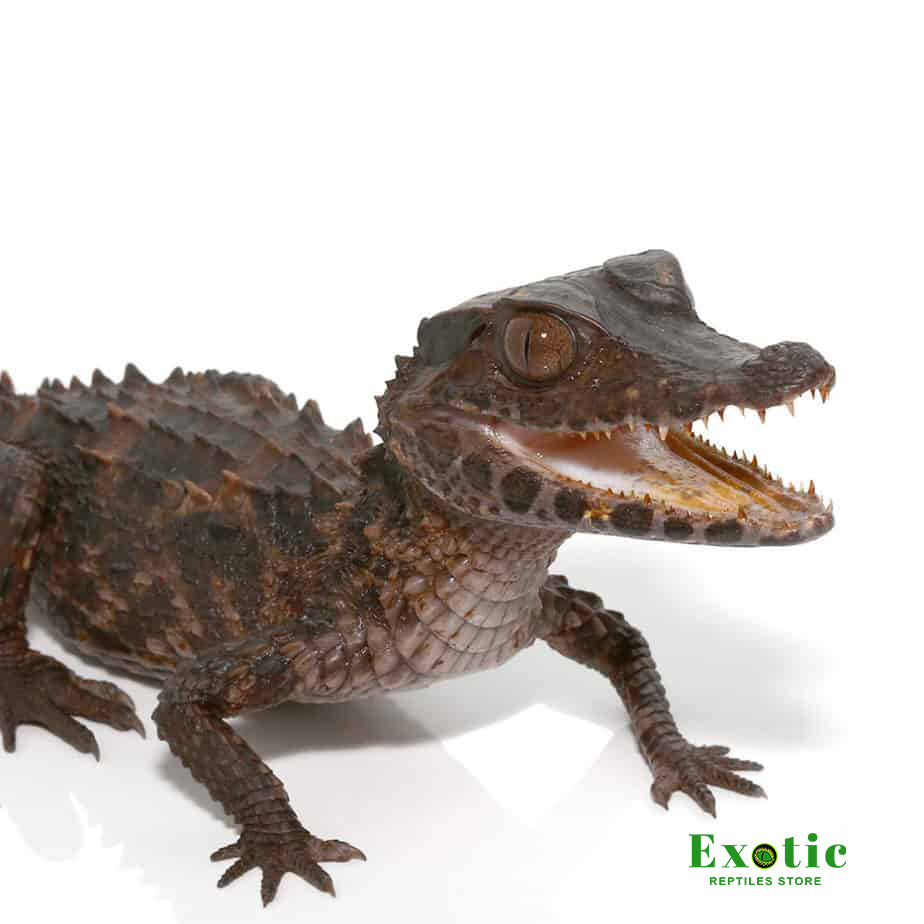
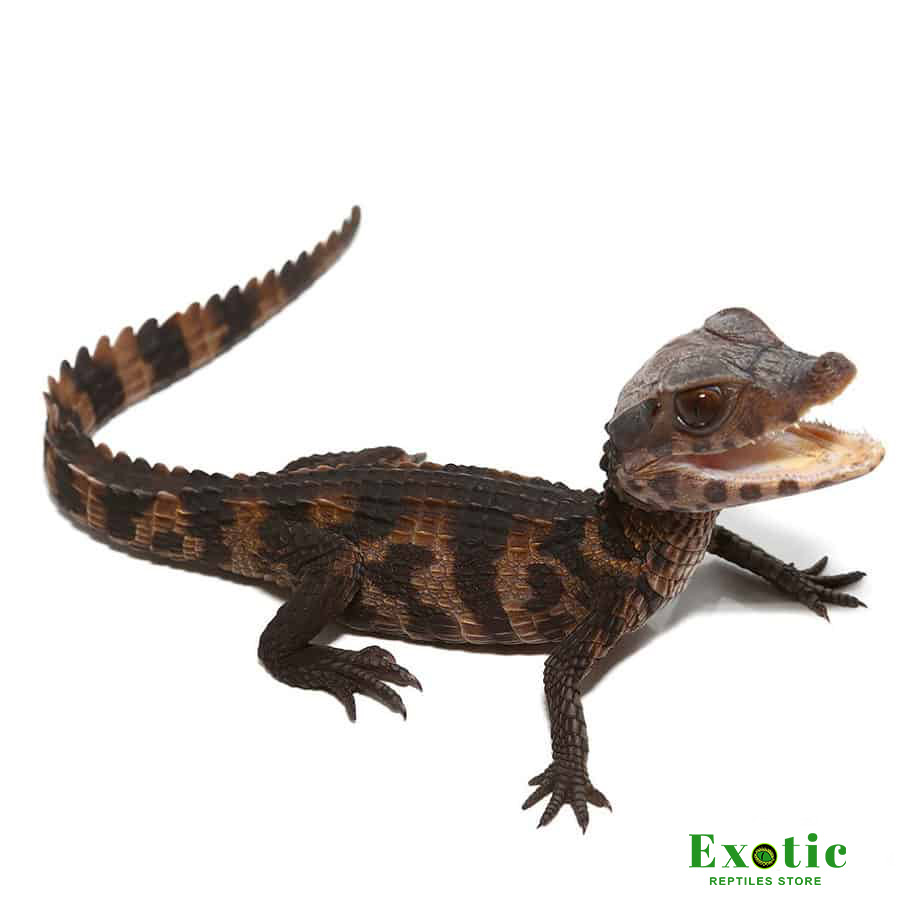
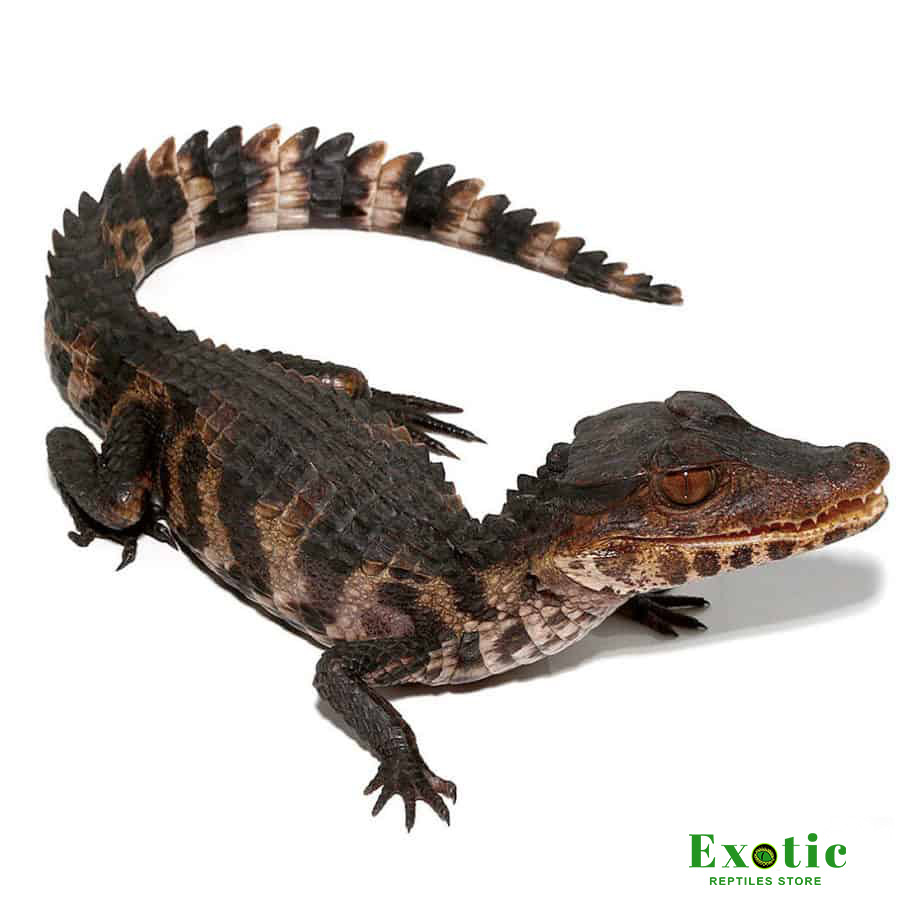
Caimans are also members of the family Alligatoridae and include several species with differing sizes and ecological requirements. Some remain smaller than the largest crocodilians, but a smaller adult size does not remove the need for secure containment, suitable aquatic habitat, specialized veterinary support and legal compliance.
Research must be based on the exact species rather than a broad label such as caiman. Similar-sounding common names can refer to animals with different needs and restrictions.
Gharials and Other Specialized Crocodilians
Gharials and other specialized crocodilians have distinct physical adaptations and ecological requirements. Their conservation status and management needs can differ significantly from those of more commonly discussed crocodilians.
Any interest in these animals should begin with specialist conservation, legal and veterinary guidance. Do not assume that a species is suitable for private possession or commercial trade without confirming its legal status and the relevant requirements.
How to Assess Crocodilian Suitability
Crocodilians require a level of preparation that exceeds ordinary reptile ownership. Before considering any listing, evaluate whether a lawful, professionally managed facility and appropriately qualified team are available.
Confirm the Exact Species
Start with the scientific name whenever it is available. Common names can be ambiguous, and different crocodilian species may vary considerably in adult size, habitat needs, temperament and legal status.
Research the animal’s natural history and captive-care requirements using reputable specialist sources. Where information is unclear, obtain expert clarification before making any decisions.
Understand Adult Size and Strength
Juvenile crocodilians may look small enough to house in a limited space, but their long-term requirements can be dramatically different. Some species grow into exceptionally large animals that need extensive land and water areas and strong, professionally engineered barriers.
Planning must account for the animal’s future size, strength, mobility and ability to interact with its enclosure. A facility that accommodates a juvenile may not be suitable for an adult.
Evaluate Professional Experience
Crocodilian management requires specialized knowledge of animal behavior, safe facility operation, feeding procedures, emergency response and veterinary coordination. Experience with ordinary pet reptiles is not, by itself, sufficient preparation for managing a dangerous crocodilian.
Anyone involved in care should have training appropriate to the species, facility and legal requirements. Handling, restraint, transfers and emergency procedures must be determined by qualified professionals.
Consider the Full Financial Commitment
Crocodilian care can involve substantial ongoing expenses, including:
-
Professionally engineered enclosures and secure containment systems.
-
Aquatic habitat construction and water-treatment equipment.
-
Heating, environmental monitoring and backup systems.
-
Specialized food storage and feeding arrangements.
-
Water-quality testing, filtration and maintenance.
-
Veterinary examinations, diagnostics and emergency care.
-
Staff training, insurance and required permits.
-
Facility repairs, inspections and contingency planning.
The purchase price is only one element of the overall cost. A realistic assessment should cover the entire life of the animal and the continuing operation of its facility.
Habitat and Enclosure Planning
Crocodilian facilities must be designed around animal welfare, physical containment and the safety of everyone who works near them. This is not a suitable do-it-yourself enclosure project for an inexperienced keeper.
Professionally Engineered Containment
Barriers, gates, locks and access systems must be designed to withstand the animal’s size, strength and behavior. Containment must account for possible climbing, pushing, digging, water-level changes and wear over time, as relevant to the species and facility.
A professional facility assessment should consider escape prevention, unauthorized access, maintenance procedures and what happens if a lock, barrier or other critical component fails.
Do not rely on improvised fencing, domestic enclosures or barriers designed for smaller reptiles.
Aquatic and Terrestrial Areas
Crocodilians need suitable aquatic and land areas, with the design determined by the species and its size. Water areas must support appropriate movement and behavior, while land areas should provide safe access, resting opportunities and suitable environmental conditions.
The transition between water and land must be designed to prevent entrapment and injury. Substrates, slopes, edges and structures should be assessed for stability and safe access.
Water Quality and Filtration
Water management is a major part of crocodilian care. Waste, food residues and other contaminants can affect water quality, making appropriate filtration, testing, cleaning and maintenance essential.
A professional management plan should establish how water conditions are monitored, how waste is removed, how equipment is serviced and how water-quality problems are addressed.
Water systems should be designed for the species and facility rather than copied from a small aquarium or a different reptile enclosure.
Temperature and Environmental Monitoring
Crocodilians depend on environmental conditions to support normal physiological functions. The appropriate temperatures vary by species, life stage and facility design.
Qualified care teams should use suitable monitoring equipment and establish documented procedures for checking environmental conditions in the areas the animals use. Heating systems should be reliable, appropriately installed and maintained.
Backup plans are important where a failure could expose the animal to unsuitable conditions. Environmental readings should be recorded so that gradual changes and equipment problems can be identified.
Retreats, Furnishings and Environmental Safety
Habitat features must be suitable for the species and robust enough to withstand the animal’s movements. Structures that collapse, create trapping points or obstruct safe access can cause serious problems.
Facilities should also control exposure to harmful fumes, smoke, aerosols and cleaning chemicals. Cleaning procedures must protect both animal welfare and staff safety.
Maintenance Access and Emergency Planning
A crocodilian enclosure must allow trained staff to perform routine maintenance without relying on unsafe contact with the animal. Access routes, gates, service areas and equipment should be included in the original facility design.
Emergency procedures should address escape, containment failure, equipment malfunction, flooding, power loss, water-quality problems and urgent veterinary needs. The exact procedures must be established by qualified professionals and comply with applicable regulations.
Feeding and Nutrition for Crocodilians
Crocodilian nutrition is a specialist subject. Diet depends on the species, age, size, physiological condition and professional husbandry plan. Feeding procedures must also account for the animal’s strength, feeding response and the risks associated with accessing its enclosure.
Develop a Species-Specific Diet Plan
A qualified specialist should establish the appropriate diet and feeding schedule for the individual animal. Research should address nutritional balance, suitable food sources, storage, hygiene and any life-stage considerations.
Do not assume that one feeding routine is appropriate for all crocodiles, alligators, caimans and gharials. A diet suitable for one species or age group may not meet another animal’s needs.
Maintain Safe Food Storage and Hygiene
Food should be sourced and stored according to appropriate veterinary and food-safety guidance. Feeding equipment must be kept clean, and waste should be managed to reduce contamination and maintain water quality.
Facilities should establish documented procedures for food preparation, storage, inventory management and the safe handling of feeding materials.
Record Feeding and Body Condition
Maintain records of food intake, feeding dates, appetite and relevant changes in body condition. Records help qualified caregivers monitor trends and provide useful information during veterinary assessments.
Changes in appetite should be evaluated alongside environmental conditions, behavior and other observations. Do not make major dietary changes without appropriate specialist guidance.
Avoid Guesswork With Supplements
Supplementation and nutritional adjustments should be determined by qualified veterinary or husbandry professionals. Requirements depend on the species, diet and individual circumstances.
Avoid copying a routine intended for another crocodilian or relying on unverified advice. A documented nutrition plan provides a more reliable basis for long-term management.
Daily Care, Observation and Veterinary Support
Crocodilian management requires structured daily routines, trained personnel and clear procedures for identifying potential health or welfare concerns.
Routine Monitoring
A professional care routine may include:
-
Checking environmental monitoring systems.
-
Inspecting water quality and filtration performance.
-
Observing movement, posture and general responsiveness.
-
Reviewing feeding records and body-condition observations.
-
Inspecting containment systems, barriers and access controls.
-
Removing waste and maintaining clean habitat areas.
-
Recording equipment issues, unusual behavior and maintenance needs.
Written records help identify trends and support continuity between trained staff members.
Behavioral Observation
Behavior should be interpreted in context. Changes in movement, activity, feeding response or use of habitat areas may reflect environmental conditions, stress or health concerns.
Crocodilians should not be tested or provoked to assess their behavior. Observations must be made using procedures appropriate to the facility and the animal’s risk profile.
Specialist Veterinary Care
Identify a veterinarian with relevant crocodilian experience before acquiring an animal. Not every veterinary practice has the facilities, expertise or legal arrangements needed to treat these reptiles safely.
Veterinary planning should include preventive care, access to diagnostics, emergency arrangements and a safe way to coordinate treatment. Any handling or restraint required for examination must be planned by qualified professionals.
Changes such as persistent appetite loss, injury, unusual breathing, abnormal movement or marked lethargy should be assessed by a qualified veterinarian. Online information cannot diagnose a crocodilian or replace professional examination.
Legal, Licensing and Facility Requirements
Legal compliance is one of the first requirements to investigate—not a step to leave until after a purchase has been arranged.
Federal, State and Local Rules
Depending on the species and location, requirements may govern possession, breeding, sale, importation, transport, public exhibition or other activities. Some crocodilians may be prohibited or require specialized authorization.
Check the current rules with the relevant wildlife and regulatory authorities. Confirm the exact species and intended activity, because requirements may differ even among closely related animals.
Permits and Documentation
Where permits or other approvals are required, determine what must be obtained before acquiring, receiving, housing or transporting the animal.
Keep applicable records and documentation in accordance with the law. Do not assume that a seller’s ability to advertise an animal establishes that every prospective buyer is authorized to possess it.
Zoning, Insurance and Facility Standards
A lawful facility may need to satisfy requirements beyond wildlife permits. These can include zoning, building standards, containment inspections, insurance, worker safety and emergency planning.
Confirm these matters with the relevant authorities and qualified professionals before considering acquisition. The availability of suitable land or a large enclosure alone does not establish that a facility is appropriate.
Transport and Emergency Response
Transport arrangements must comply with applicable legal and animal-welfare requirements. Crocodilians should not be moved using improvised methods or without appropriate professional planning.
Facilities should also have documented emergency procedures for containment failures, environmental system problems and urgent veterinary situations. Plans should be reviewed periodically and communicated to the personnel responsible for carrying them out.
What to Check Before Buying Crocodilians Online
Online listings can provide information about an animal, but a category page is not a substitute for confirming legal eligibility, facility suitability and professional management arrangements.
Before taking any further steps, consider this checklist:
-
Confirm the exact identity: Check the stated common name and scientific name where provided.
-
Review the listing: Distinguish explicitly confirmed details from information that is not stated.
-
Ask for clarification: Do not infer age, sex, origin, health status or captive-bred status from photographs.
-
Verify current availability: Listings may change, so confirm details before relying on them.
-
Establish legal eligibility: Consult the appropriate wildlife and regulatory authorities about possession, permits and transport.
-
Verify facility suitability: Obtain qualified professional assessment of containment, habitat, water systems and safety procedures.
-
Confirm veterinary access: Identify a veterinarian with relevant crocodilian experience and a feasible care arrangement.
-
Review transport requirements: Any transport plan must be lawful and appropriate for the species and circumstances.
-
Understand the full costs: Include facility construction, ongoing maintenance, specialist staff, food, insurance and veterinary care.
-
Review applicable policies: Read the store’s current policies and retain relevant communications.
If legal authorization, professional facility standards or appropriate care arrangements cannot be confirmed, do not proceed with acquisition.
Related Animal Categories at Exotics & Aquatics
Readers researching reptile groups may also wish to learn about the differences between crocodilians and other reptiles. These groups have different biology, behavior and husbandry requirements, so information should not be transferred between them without careful research.
-
Lizards: Explore the broader lizard group and its wide range of body sizes, behaviors and environmental needs.
-
Snakes: Learn about snakes, whose enclosure designs, feeding requirements and handling considerations differ from those of crocodilians.
The existence of a related category does not mean that its animals share the same care requirements or legal restrictions. Always research the exact species.
Frequently Asked Questions About Crocodilians
Are crocodilians suitable as household pets?
No. Crocodilians are dangerous, highly specialized reptiles that are unsuitable for ordinary household pet keeping. Their size, strength, aquatic habitat requirements, containment needs and potential to cause severe injury demand specialist facilities, professional management and strict legal compliance.
What animals are included in the crocodilian group?
Crocodilians include crocodiles, alligators, caimans and gharials. These groups contain different species with distinct adult sizes, habitat requirements, behaviors and legal considerations.
How large do crocodilians grow?
Adult size varies widely by species. Some remain smaller than the largest crocodilians, while others grow into exceptionally large animals. Research the confirmed species and consult reliable specialist sources rather than estimating adult size from a juvenile photograph.
Can a juvenile crocodilian be kept in a small enclosure?
A juvenile’s current size does not determine the facility required over its lifetime. Housing must be appropriate for the animal’s present needs while accounting for its expected growth. Crocodilian containment should be designed and assessed by qualified professionals.
What kind of habitat do crocodilians need?
Requirements vary by species, but crocodilian facilities generally need suitable aquatic and terrestrial areas, secure containment, environmental controls, appropriate water management and safe access for trained caregivers. The exact design must be based on specialist guidance and applicable standards.
What do crocodilians eat?
Diet depends on species, age and individual circumstances. A qualified specialist should develop the feeding plan, including nutritional balance, food handling, storage, feeding procedures and waste management.
Are crocodilians legal to own?
The answer depends on the species and location. Ownership, sale, transport and importation may be prohibited or regulated by permits and facility requirements. Verify current rules with the relevant authorities before taking any steps toward acquisition.
Can crocodilians be handled?
Crocodilians should not be handled as ordinary pets. Any necessary handling, restraint, transfer or veterinary procedure must be planned and carried out by appropriately trained professionals using suitable safety protocols.
What veterinary care do crocodilians need?
Crocodilians require access to a veterinarian with relevant specialist experience. Preventive care, environmental assessment, nutritional review and emergency arrangements should be established before acquisition.
Are all animals shown in this category available?
Availability can change. Check the current product listing and contact Exotics & Aquatics if you need clarification. A category description does not guarantee that a particular animal is currently available or that a prospective buyer is legally eligible to acquire it.
What should be prepared before considering a crocodilian?
First establish legal eligibility, a professionally assessed facility, qualified care arrangements, specialist veterinary access, appropriate transport planning and a sustainable long-term budget. Do not proceed unless these requirements can be met.
Where can I get reliable crocodilian care information?
Consult current species-specific resources, qualified crocodilian specialists, relevant wildlife authorities and veterinarians with appropriate experience. General reptile care articles are not sufficient for planning the management of a dangerous crocodilian.
Contact Exotics & Aquatics
Crocodilian ownership involves exceptional legal, safety, financial and animal-welfare responsibilities. Research the exact species carefully, verify all applicable requirements and seek qualified professional guidance before considering any acquisition.
Exotics & Aquatics encourages informed decisions and careful review of the information provided in each listing. Current availability and animal-specific details must be confirmed directly rather than inferred from general category content.
Exotics & Aquatics
-
Website: https://www.exoticsandaquatics.com/
-
Address: 6447 Williamson Rd, Roanoke, VA 24019
-
Email: sales@exoticsandaquatics.com
Care information is general and must be checked against current, species-specific professional guidance. Product availability and animal-specific details are determined by each live listing. Crocodilian possession and transport may be prohibited or subject to strict legal and facility requirements; verify all applicable rules before proceeding.