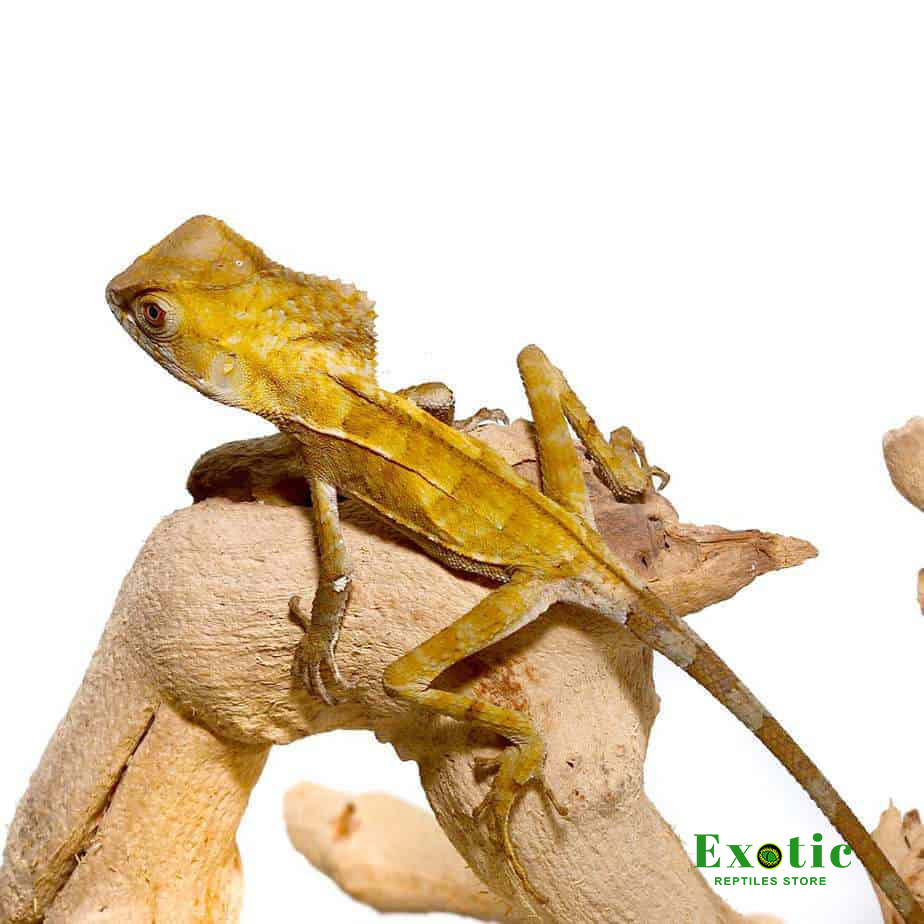
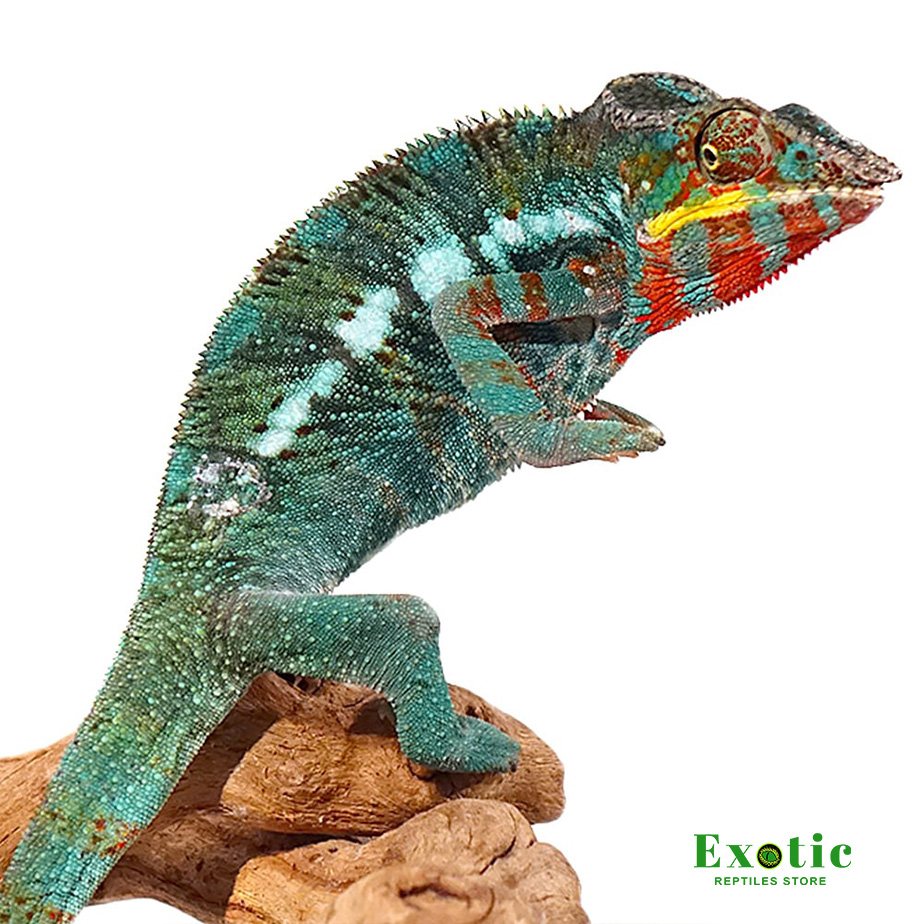
Chameleons for Sale at Exotics & Aquatics
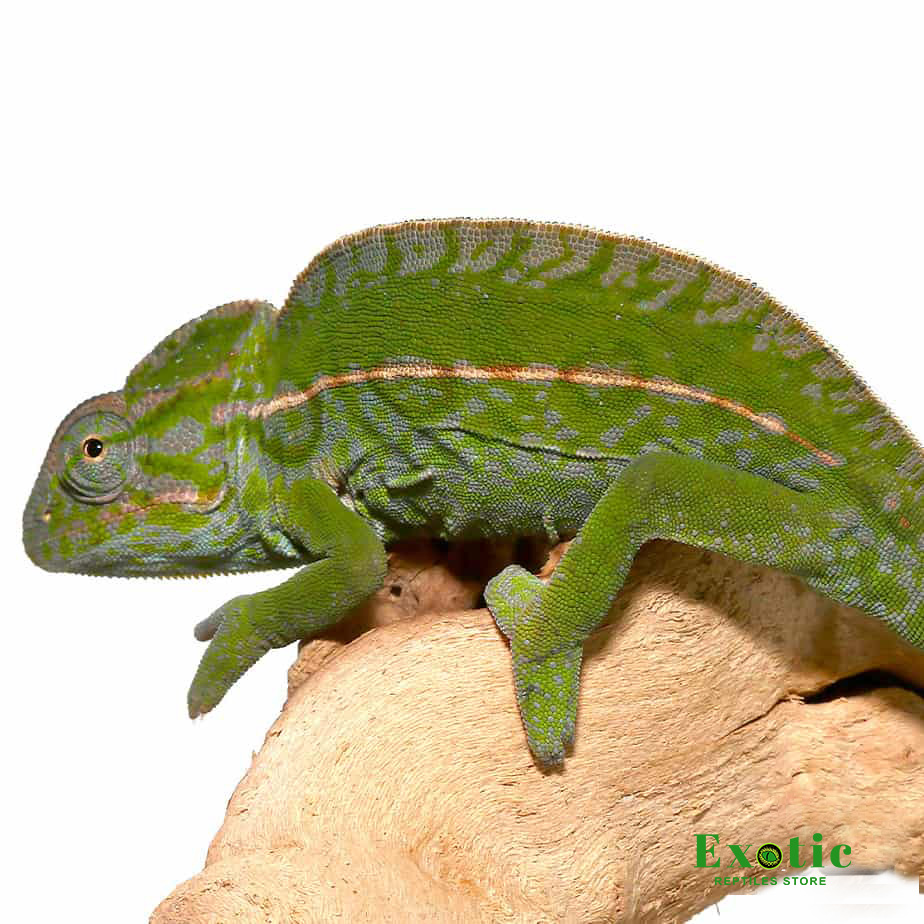
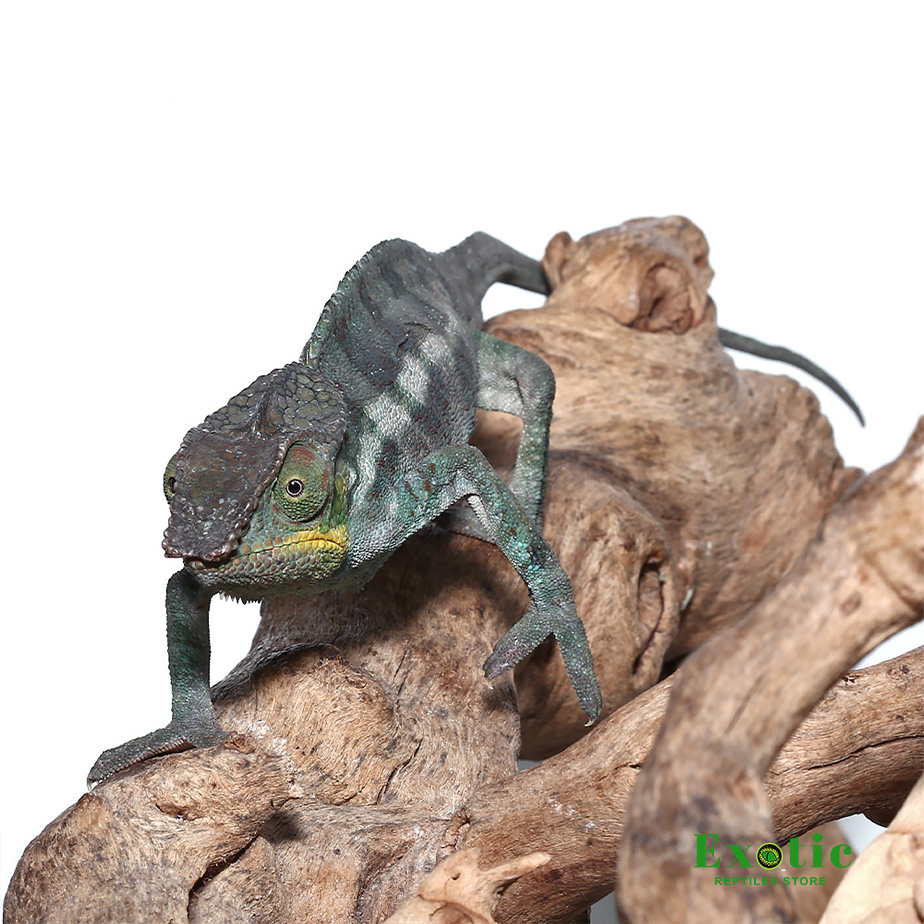
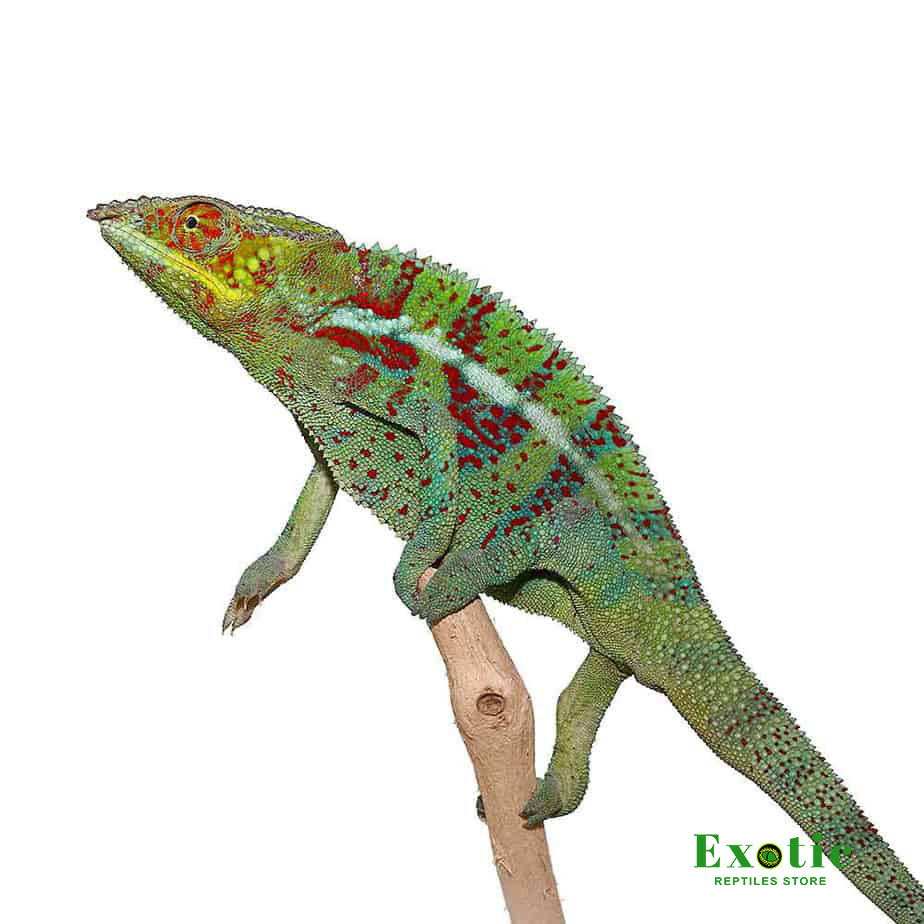
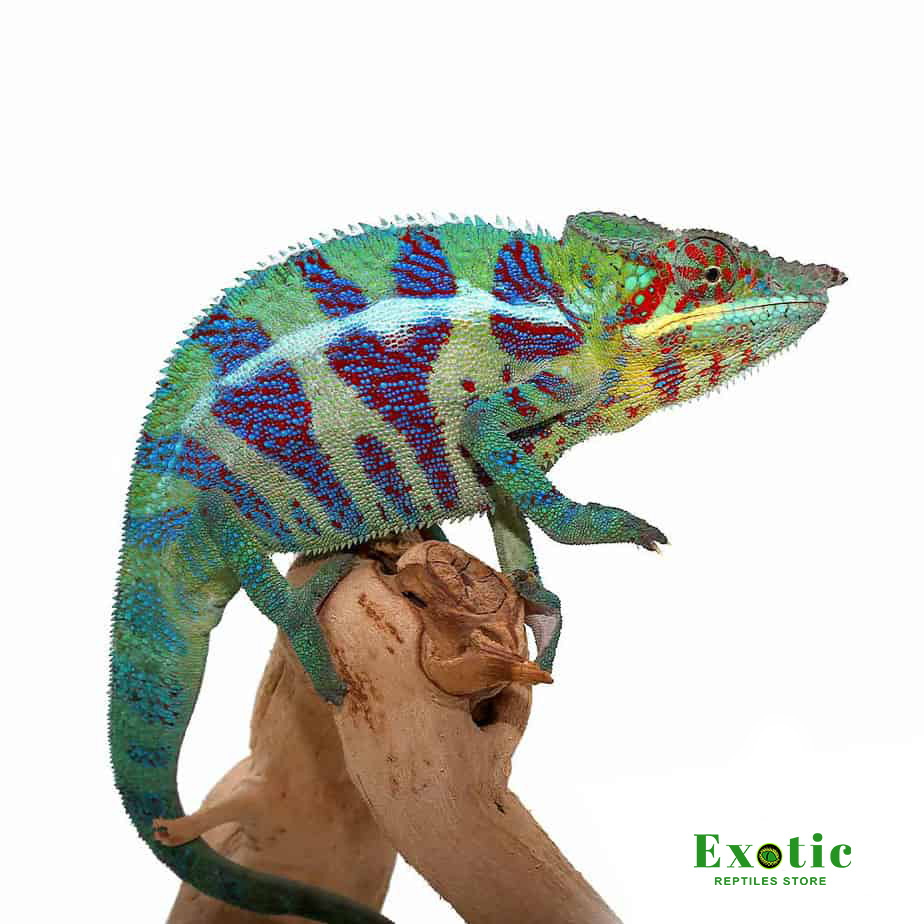
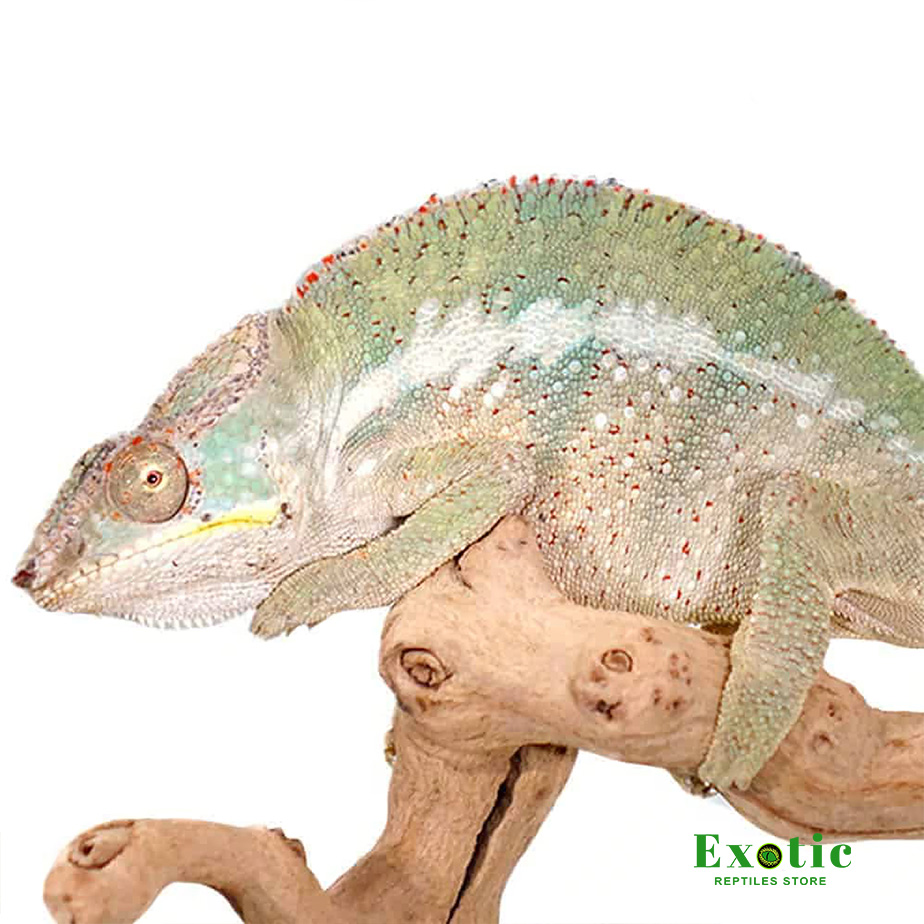
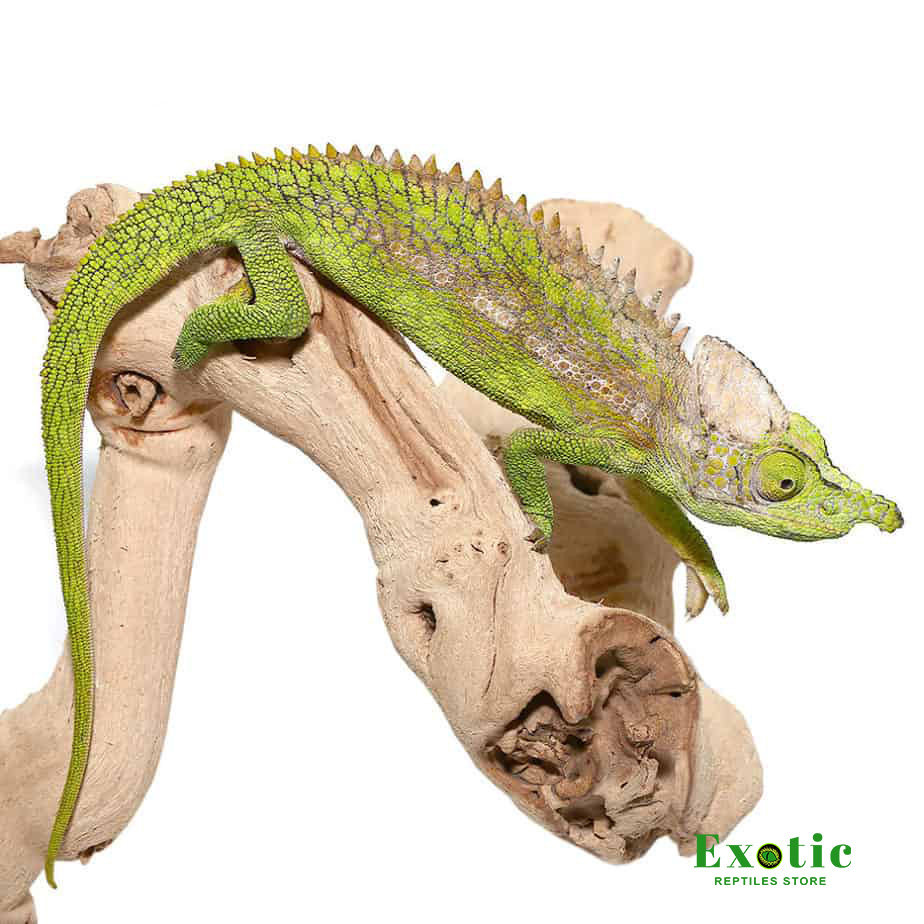
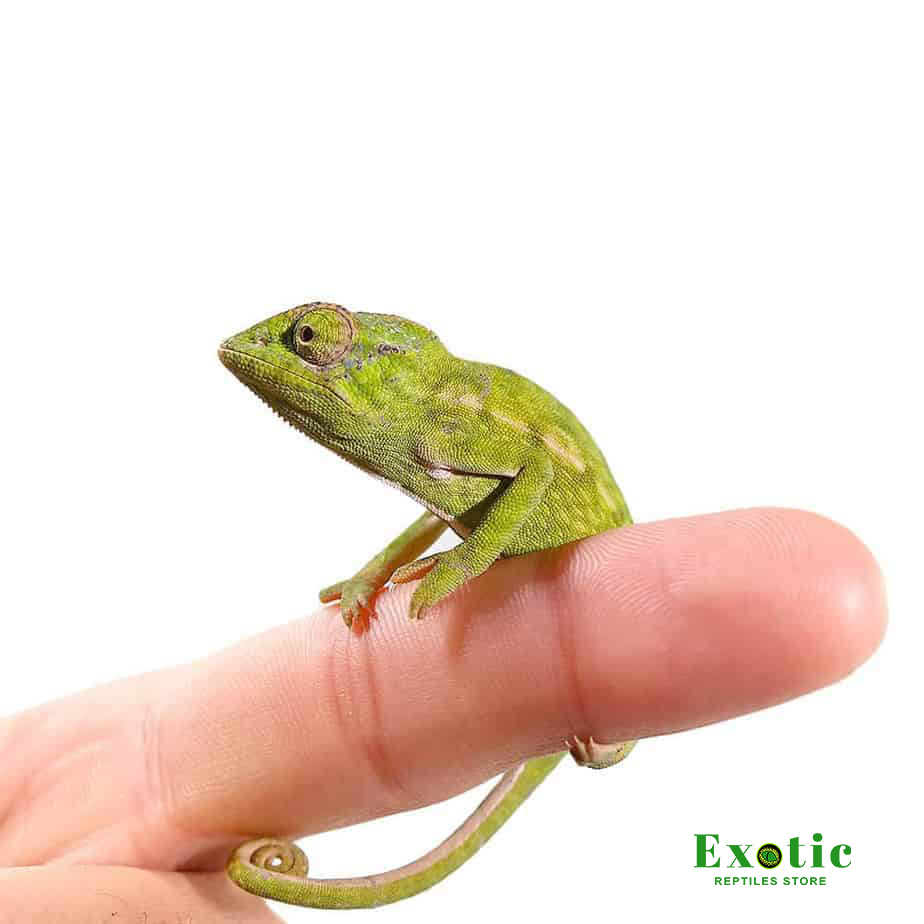
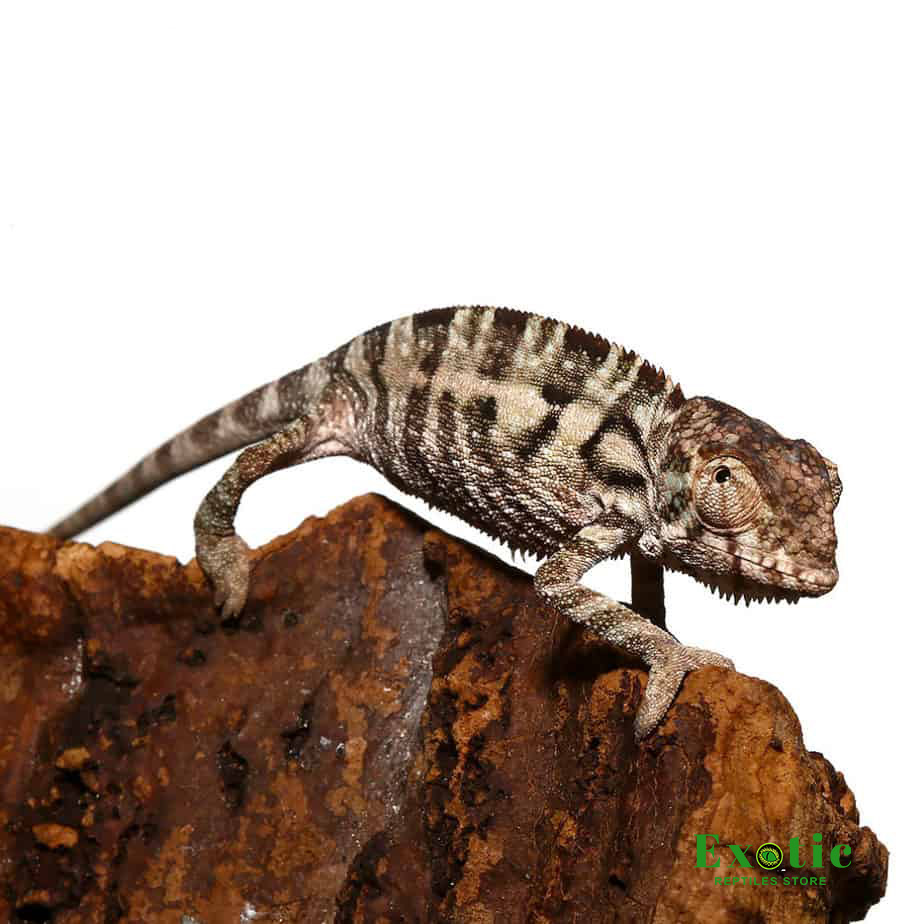
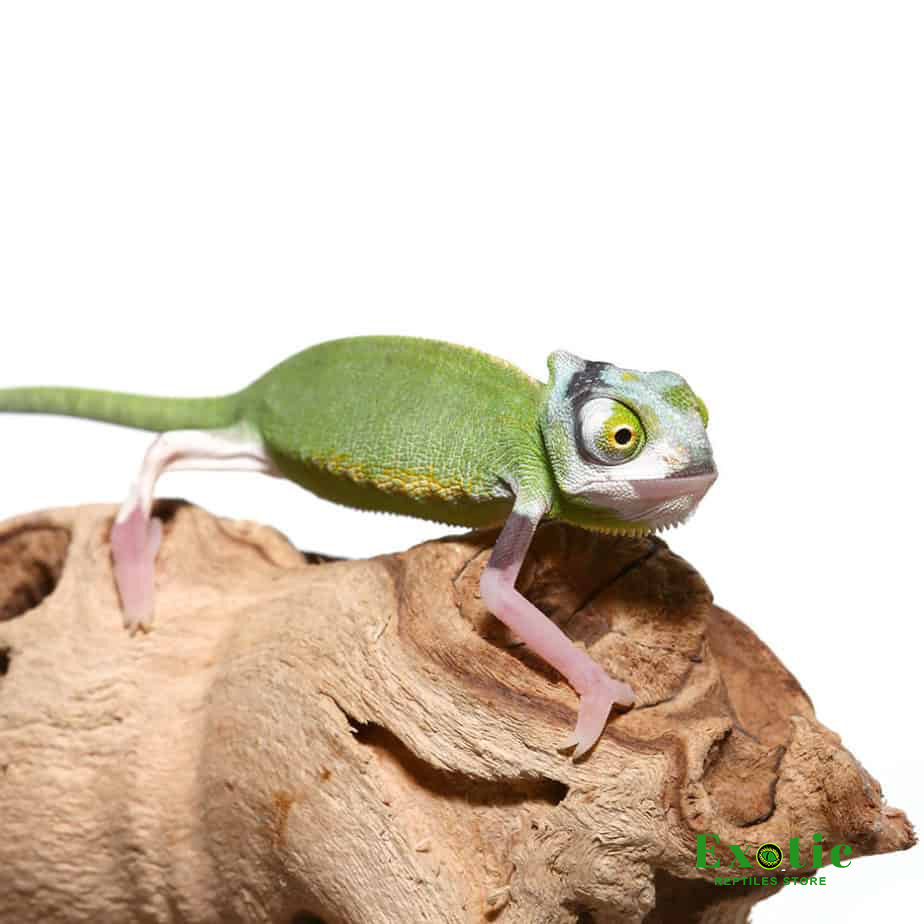
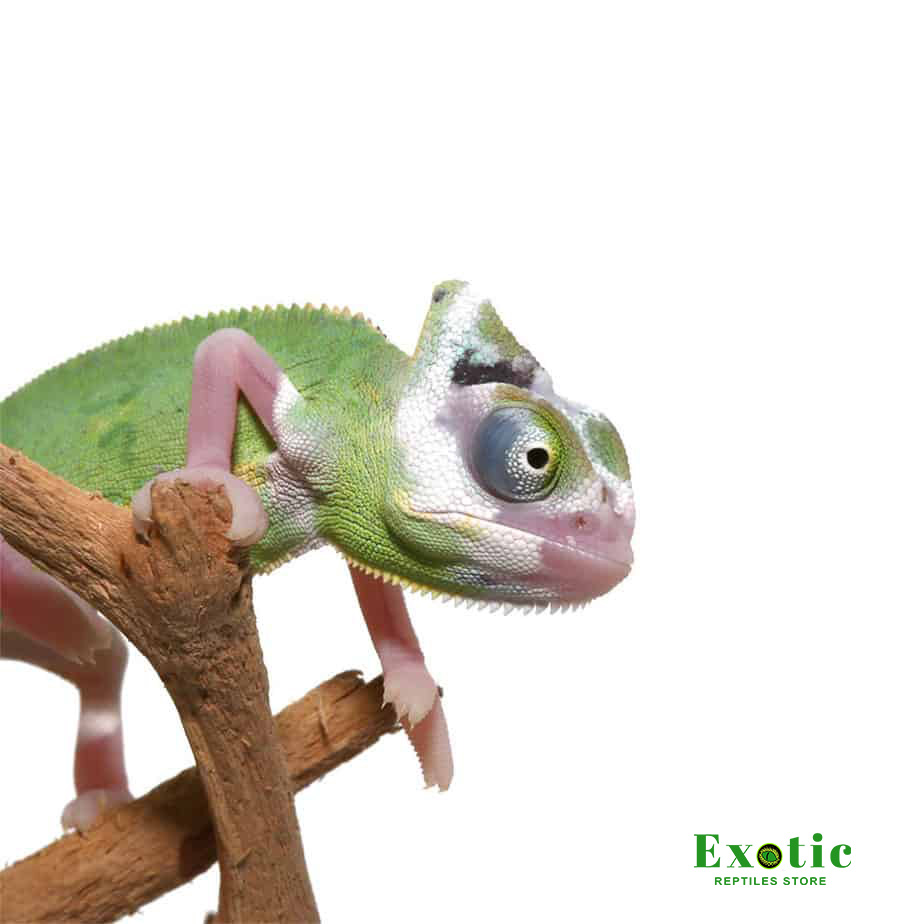
Explore chameleons for sale at Exotics & Aquatics and discover these remarkable arboreal lizards, known for their independently moving eyes, specialized feet, grasping tails, and ability to change color. Chameleons are fascinating reptiles for enthusiasts who appreciate observing natural animal behavior, but they have specialized care requirements that should be understood before purchase.
Unlike some commonly kept lizards, chameleons can be particularly sensitive to unsuitable temperatures, poor ventilation, inadequate hydration, and environmental stress. Their needs vary substantially between species. A veiled chameleon, panther chameleon, and Jackson’s chameleon, for example, should not automatically be housed under identical conditions. Their environmental requirements, adult sizes, dietary needs, and preferred temperature ranges can differ.
The chameleon listings at Exotics & Aquatics allow you to explore the animals currently offered and review the details provided for each individual listing. Availability can change, so check the live product pages before making a decision. Do not assume an animal’s age, sex, health status, captive-bred status, locality, or feeding history unless that information is explicitly confirmed.
Whether you are an experienced reptile keeper or researching chameleons for the first time, begin by identifying the exact species and understanding its long-term requirements. Research the enclosure, ventilation, foliage, lighting, heating, hydration, and feeding arrangements before bringing an animal home.
Understanding Chameleons as Pet Reptiles
Chameleons belong to a specialized group of lizards adapted to a variety of habitats, including forests, woodlands, and mountainous environments. Many species spend much of their time above ground, using branches and foliage to move, rest, hunt, and seek shelter.
Their distinctive anatomy supports this lifestyle. Many have feet adapted for gripping branches, prehensile tails that help with balance, and eyes that can move independently to scan their surroundings. Their long, rapidly projecting tongues help them capture prey, particularly insects.
Although chameleons are popular among reptile enthusiasts, their specialized needs make careful preparation essential. Their attractive colors should not be the main deciding factor when choosing an animal. Species identification, environmental requirements, feeding needs, and the keeper’s ability to maintain suitable conditions are more important considerations.
Why Chameleons Are Different From Other Lizards
Chameleons often require a different enclosure approach from terrestrial lizards such as many skinks or some commonly kept bearded dragons. Vertical space, secure climbing structures, live or artificial foliage suitable for the species, and effective airflow may all be important.
Hydration also requires careful planning. Some chameleons respond to moving water droplets on leaves or other specialized water-delivery arrangements rather than regularly drinking from a conventional bowl. The appropriate method depends on the species and the individual husbandry setup.
Chameleons can also be sensitive to repeated handling. They are generally better suited to keepers who enjoy observing their natural behavior rather than expecting a reptile that welcomes frequent physical interaction.
Are Chameleons Suitable for Beginners?
Suitability depends on the species, the individual animal, and the keeper’s preparation. Some species are more commonly maintained in captivity than others, but even commonly kept chameleons require careful environmental management.
Before buying, consider whether you can consistently provide:
-
A species-appropriate enclosure with adequate vertical space and ventilation.
-
Suitable temperature gradients and basking conditions.
-
Appropriate UVB lighting and a consistent day-night cycle.
-
A reliable hydration method and suitable humidity management.
-
Regular access to appropriate live feeder insects.
-
Correct supplementation and feeding practices.
-
Daily observation and routine enclosure maintenance.
-
Veterinary care from a professional experienced with reptiles.
If you are new to reptile keeping, research the exact species thoroughly and speak with an experienced reptile veterinarian or knowledgeable specialist before making a purchase.
How to Choose the Right Chameleon
Choosing a chameleon requires careful comparison of its requirements with your experience, available space, routine, and budget. Two animals that look similar may have different environmental needs, while a species that remains relatively small may still require specialized care.
Research the Exact Species
Start by confirming the species listed for the animal you are considering. Scientific names can help distinguish species with similar common names, particularly when care requirements differ.
Some commonly discussed chameleons include veiled chameleons, panther chameleons, and Jackson’s chameleons. They are not interchangeable in their husbandry needs, so research the particular species rather than following general advice written for chameleons as a whole.
Check the available listing for confirmed identification details. If important information is missing, contact Exotics & Aquatics rather than making assumptions based on photographs.
Consider Adult Size and Enclosure Space
A young chameleon may look small in a product photograph, but its adult size and activity requirements should determine your enclosure plan. Consider the available height, width, depth, ventilation, climbing routes, and placement of branches and foliage.
The enclosure must provide enough space for normal movement while allowing suitable lighting and temperature conditions to be established. It should also be practical to clean, inspect, and maintain.
Do not purchase an animal first and assume you can find a suitable enclosure afterward. Prepare the habitat in advance and make sure it will remain appropriate as the chameleon grows.
Understand Temperament and Handling
Chameleons are often best appreciated through observation. Individual responses vary, but frequent handling may cause stress, particularly during the adjustment period or when an animal is already uncomfortable.
If you want a reptile for regular physical interaction, carefully consider whether a chameleon matches your expectations. Handling should be limited, gentle, and based on the animal’s behavior and needs.
Avoid forcing a chameleon to climb onto your hand or removing it from its enclosure unnecessarily. Give the animal access to secure foliage and retreats so it can feel sheltered.
Evaluate the Long-Term Commitment
The purchase price is only one part of the cost of owning a chameleon. Enclosure equipment, lighting replacement, feeder insects, supplements, water-delivery equipment, electricity, cleaning supplies, and veterinary care all contribute to the ongoing expense.
Before purchasing, establish a realistic budget and confirm that suitable food and equipment are consistently available. Research the expected lifespan of the exact species, too, so you understand the duration of the commitment.
Habitat and Enclosure Planning for Chameleons
A well-designed enclosure supports the chameleon’s ability to climb, rest, regulate its temperature, access water, and move between sheltered and exposed areas. Because species differ, the enclosure should be designed around the animal rather than a generic set of measurements or environmental settings.
Vertical Space, Branches, and Foliage
Many commonly kept chameleons benefit from enclosures that emphasize vertical climbing space. Branches of suitable diameters allow the animal to grip securely, while foliage provides visual cover and resting locations.
Arrange branches so the chameleon can move between different parts of the enclosure without encountering unstable structures or hazardous gaps. Furnishings should be securely fixed and should not collapse under the animal’s weight.
Live plants may help provide cover and climbing opportunities when suitable species are selected and maintained safely. Verify that any plants used are appropriate for the chameleon and have not been treated with pesticides or other harmful chemicals. Artificial foliage may also be used where suitable, but it should not create entanglement or ingestion hazards.
Provide enough cover for the animal to retreat from view while preserving access to appropriate lighting and environmental conditions.
Ventilation and Airflow
Ventilation is an important consideration in chameleon husbandry. Enclosures that retain excessive moisture without adequate airflow can create unsuitable conditions, while excessively dry environments may also be inappropriate for particular species.
The balance depends on the animal’s natural habitat and the enclosure design. Screened or otherwise well-ventilated enclosures are commonly used for certain species, but the correct configuration should be confirmed through species-specific care guidance.
Do not assume that increasing humidity alone creates a suitable tropical habitat. Temperature, airflow, hydration, foliage, and drying periods must be considered together.
Temperature Gradients and Heating
Chameleons need suitable temperatures, but the correct range varies by species. Some are associated with warmer lowland environments, while others are adapted to cooler or more seasonally variable habitats.
Provide a suitable thermal gradient where required, with access to warmer and cooler locations. Measure temperatures using reliable equipment at the locations the animal actually uses, including basking areas where applicable.
Avoid placing a heat source so close that the chameleon can burn itself or become trapped in excessive heat. Heating equipment should be securely installed and controlled appropriately.
Research the species’ temperature requirements before choosing bulbs or other equipment. A setup designed for a different chameleon species may expose the animal to unsuitable conditions.
UVB Lighting and Daylight
Appropriate UVB lighting is an important part of husbandry for many commonly kept chameleons. UVB exposure supports vitamin D production and calcium metabolism, helping the animal use dietary calcium appropriately.
Choose a reptile lighting system suited to the species, enclosure, installation distance, and available shaded areas. Follow current specialist guidance and the manufacturer’s instructions when selecting and positioning the lamp.
Remember that UVB output can be affected by distance and barriers. Glass and some plastics can significantly reduce UVB transmission, and visible light does not reliably indicate how much UVB a lamp produces.
Maintain a consistent day-night cycle and provide shaded areas so the animal can move away from direct exposure when needed. Replace lamps according to the manufacturer’s guidance and monitor the actual enclosure conditions rather than relying on estimated distances alone.
Humidity and Hydration
Hydration is a major part of chameleon care. Many commonly kept species drink water droplets from leaves or other surfaces, making misting or dripping systems useful in suitable setups. However, these methods are not interchangeable, and the correct approach varies by species.
Some environments require periods of higher humidity followed by adequate drying and ventilation. Other species may need a different balance. Avoid applying a single humidity target to every chameleon or assuming that frequent misting is always beneficial.
Use reliable monitoring equipment where appropriate, observe how the enclosure behaves after watering, and research the animal’s natural environmental requirements. Ensure that water-delivery equipment is cleaned regularly and that standing water does not accumulate in ways that create hygiene problems.
Feeding and Nutrition for Chameleons
Many commonly kept chameleons eat live insects, although dietary details vary by species and life stage. Their feeding plan should provide appropriate prey, suitable nutritional variety, and supplementation when needed.
Before purchasing, confirm that you can source the required feeder insects consistently and manage them hygienically.
Choosing Appropriate Feeder Insects
Feeder insects should be suitable for the chameleon’s size and feeding ability. Common feeder options used in reptile husbandry may include crickets, roaches, and other appropriate insects, but the exact choices should be based on reliable guidance for the species.
Prey that is too large can create feeding difficulties, while an unsuitable or monotonous diet may contribute to nutritional problems. Research suitable prey sizes and feeding frequency rather than relying on a routine intended for another reptile.
Chameleons use their specialized tongues to capture prey, so the enclosure should provide suitable hunting opportunities without making food inaccessible. Feeding arrangements should also allow you to monitor whether the animal is eating.
Gut-Loading and Supplementation
Feeder insects may need to be gut-loaded before being offered so that their nutritional value is appropriate. The feeder insect’s diet and condition can influence the nutrition delivered to the chameleon.
Calcium and vitamin supplementation may also be required, but the correct product, frequency, and quantity depend on the animal’s species, age, diet, and UVB provision. Avoid excessive supplementation or combining products without understanding their ingredients.
Because nutritional mistakes can be difficult to recognize early, use current species-specific husbandry guidance and consult an experienced reptile veterinarian when you need an individualized feeding plan.
Feeding Hygiene and Appetite Monitoring
Keep feeder insects in suitable conditions and use clean feeding tools. Remove uneaten insects or other food when appropriate, and maintain a clean enclosure to reduce contamination and stress.
Observe appetite and feeding behavior regularly. Changes in the frequency or success of feeding can have several causes, including environmental conditions, stress, and health concerns.
Keep brief records of feeding and any noticeable changes in body condition. If appetite changes persist or occur alongside other worrying signs, seek veterinary advice instead of assuming the cause is normal adjustment.
Daily Care, Observation, and Veterinary Support
Chameleons can be sensitive to stress and unsuitable environmental conditions, so routine observation is essential. A good care plan should make it possible to check the enclosure and animal without frequent unnecessary handling.
Establishing a Daily Care Routine
Daily checks may include:
-
Confirming that temperature and lighting equipment are functioning correctly.
-
Checking environmental readings with suitable instruments.
-
Inspecting water-delivery systems and cleaning them as needed.
-
Observing appetite, movement, grip, and general behavior.
-
Removing waste and maintaining appropriate enclosure hygiene.
-
Checking that branches, plants, doors, and other furnishings remain secure.
-
Looking for changes in breathing, posture, or activity.
Environmental equipment also needs scheduled maintenance. Replace lamps according to manufacturer guidance, clean water-delivery equipment, and check that the enclosure continues to provide suitable conditions as the animal grows.
Minimizing Stress
Chameleons should have access to secure cover and should not be disturbed unnecessarily. Frequent handling, constant movement around the enclosure, and repeated attempts to interact can create avoidable stress.
When introducing a new chameleon, allow it to settle into its environment. Observe its behavior from a respectful distance, keep routine maintenance predictable, and avoid major changes to the enclosure without a clear husbandry reason.
If you need to move the animal for cleaning or veterinary care, use a suitable method that minimizes risk and stress. Ask an experienced reptile professional for guidance if you are uncertain how to handle the species safely.
Recognizing Health Concerns
Changes in appetite, unusual lethargy, difficulty gripping branches, abnormal breathing, visible injuries, persistent weakness, or other marked changes may indicate a problem. These signs are not a diagnosis, and different conditions can produce similar symptoms.
Identify an exotic-animal veterinarian who treats chameleons before bringing one home. Seek professional advice when you notice persistent or significant changes rather than relying on online information alone.
Veterinary access should be part of the purchase decision, particularly for a reptile with specialized environmental and nutritional needs.
What to Check Before Buying Chameleons Online
Before purchasing a chameleon from an online listing, verify the details that are important to your decision and confirm that you can meet the animal’s needs.
Use this checklist:
-
Confirm the species: Check the listed identity and scientific name where available.
-
Review individual details: Look for stated age, sex, size, and other confirmed information.
-
Ask about missing information: Do not infer health, origin, captive-bred status, locality, or feeding history from photographs.
-
Confirm availability: Check the live product page or contact the seller before ordering.
-
Understand feeding needs: Make sure suitable feeder insects and supplements are available to you.
-
Prepare the enclosure: Test lighting, temperature, ventilation, foliage, and hydration equipment before arrival.
-
Confirm shipping or collection arrangements: Review timing, applicable conditions, and preparation requirements.
-
Read current store policies: Keep order-related communications and confirm the terms that apply to your purchase.
-
Check relevant laws: Research ownership, wildlife, sale, and transport restrictions in your location.
-
Arrange veterinary support: Identify a qualified reptile veterinarian before bringing the animal home.
A careful review helps you make an informed decision and reduces the likelihood of discovering essential care requirements after the animal arrives.
Related Animal Categories
Explore related reptile groups at Exotics & Aquatics to compare different body types, activity patterns, and care requirements.
-
Lizards: Browse the broader lizard category and research the differences between individual species.
-
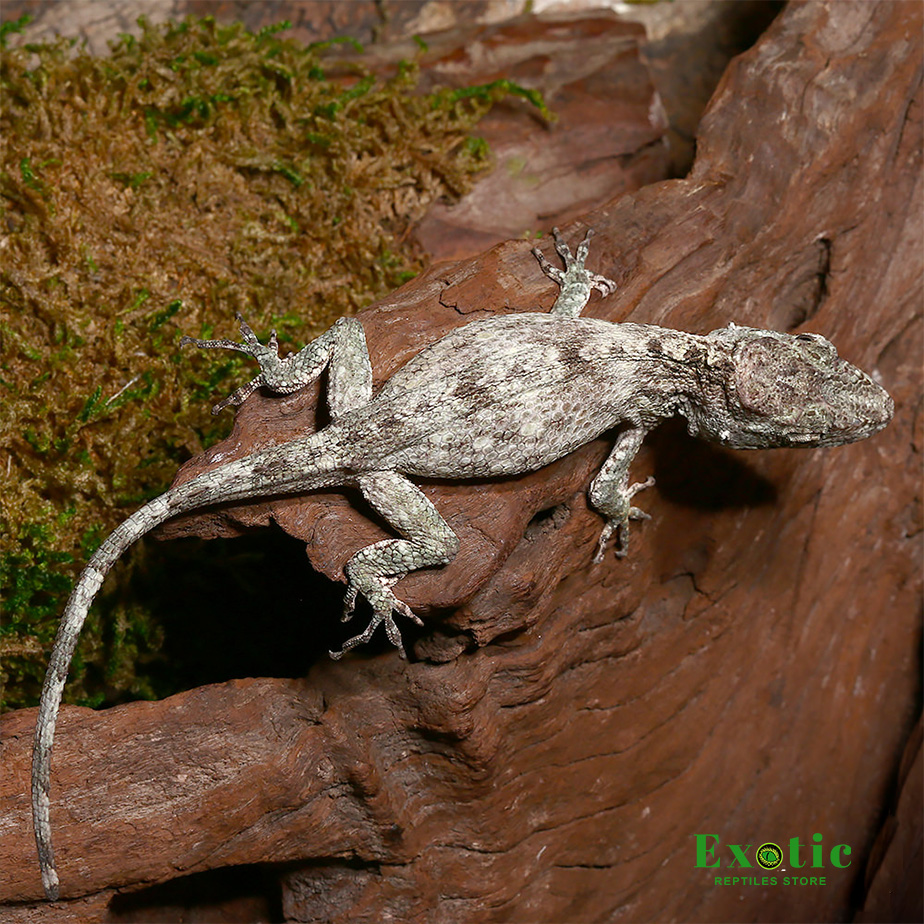
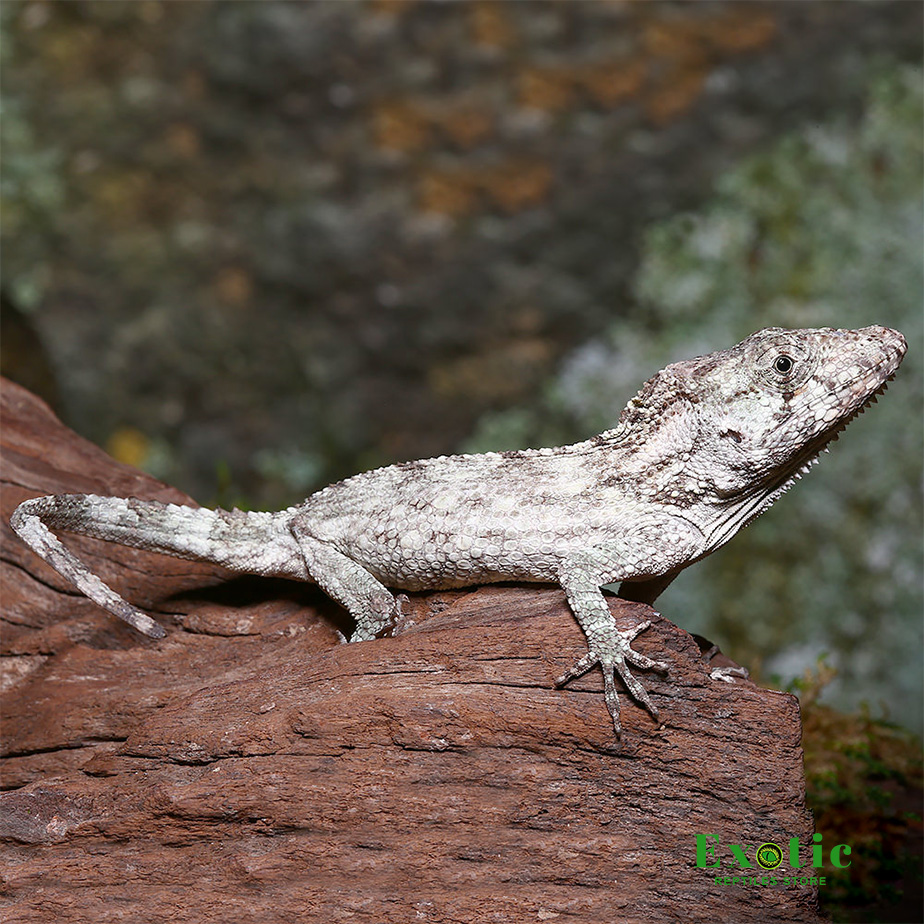
Anoles: Learn about these generally small, active lizards and their species-specific habitat requirements.
-
Geckos: Explore a diverse group of lizards with varying activity patterns, diets, and enclosure needs.
Use the website’s live category navigation to locate these collections and confirm current availability. Each species should be researched individually before purchase.
Frequently Asked Questions About Chameleons
Are chameleons suitable for beginner reptile keepers?
Some species are more commonly maintained in captivity than others, but chameleons generally require careful attention to environmental conditions, hydration, lighting, and diet. Beginners should research the exact species, prepare the enclosure in advance, and confirm access to experienced veterinary care before purchasing.
Do chameleons need tall enclosures?
Many commonly kept chameleons benefit from vertical climbing space, secure branches, and suitable foliage. However, enclosure dimensions and layout should be selected according to the exact species, its adult size, and its environmental requirements.
What do chameleons eat?
Many pet chameleons eat live insects. Appropriate prey size, feeding frequency, feeder-insect nutrition, and supplementation vary by species and life stage. Confirm the feeding plan before bringing an animal home.
How do chameleons drink water?
Many commonly kept species drink droplets from leaves or other surfaces. Misting or dripping systems may be used in appropriate setups, but the correct hydration method depends on the species and enclosure design. Water-delivery equipment must also be kept clean.
Can chameleons be handled regularly?
Chameleons are often best suited to observation rather than frequent handling. Individual responses vary, but unnecessary handling may cause stress. Minimize disturbance and use appropriate techniques when handling is required for care or veterinary treatment.
Do chameleons need UVB lighting?
Many commonly kept chameleons need suitable UVB exposure to support normal vitamin D production and calcium metabolism. Choose a suitable lighting system and follow species-specific guidance for installation, exposure, and replacement.
Are all chameleons listed on the website available?
Availability may change as listings are updated. Check the current product page and contact Exotics & Aquatics if you need confirmation before placing an order.
How can I confirm the age or sex of a listed chameleon?
Review the individual listing for confirmed details. If age or sex is not stated, ask the seller rather than trying to determine it from photographs alone.
Should I prepare the enclosure before buying a chameleon?
Yes. Prepare and test the enclosure before the animal arrives. Confirm that the ventilation, temperature, lighting, climbing structures, foliage, and hydration arrangements are suitable for the species.
What should I do if my chameleon stops eating?
Changes in appetite can have several causes, including stress, unsuitable environmental conditions, and illness. Review measured enclosure conditions and contact a qualified reptile veterinarian if the change persists or is accompanied by other concerning signs.
Shop Chameleons for Sale at Exotics & Aquatics
Chameleons are fascinating reptiles, but responsible ownership depends on understanding their specialized needs. Before choosing an animal, research its exact identity, adult requirements, preferred environment, diet, hydration needs, and expected long-term care costs.
Compare the available listings at Exotics & Aquatics, verify the information provided for each individual animal, and prepare a suitable enclosure before purchase. A thoughtful approach helps you make a more informed decision and provides a stronger foundation for responsible reptile care.
Browse the current listings at Exotics & Aquatics to explore available chameleons and learn more about the animals offered.
Contact Exotics & Aquatics
Exotics & Aquatics
-
Website: https://www.exoticsandaquatics.com/
-
Address: 6447 Williamson Rd, Roanoke, VA 24019
-
Email: sales@exoticsandaquatics.com
Care information is provided for general educational purposes and should be checked against current, species-specific husbandry guidance. Product availability and animal-specific details are determined by each live listing. Confirm important details with the seller and consult a qualified reptile veterinarian for animal-health concerns.