Bearded Dragons for Sale at Exotics & Aquatics
Explore bearded dragons for sale at Exotics & Aquatics and learn more about these popular Australian lizards before choosing an animal. Bearded dragons are known for their distinctive appearance, alert behavior, and daytime activity, making them an appealing choice for reptile enthusiasts. However, responsible ownership requires more than selecting a lizard based on its color or appearance. These reptiles need a carefully prepared enclosure, suitable basking temperatures, appropriate UVB lighting, balanced nutrition, and consistent observation.
This category brings together bearded dragon listings that you can review to compare the animals and information currently available. Each listing should be treated individually because details such as age, sex, size, coloration, origin, feeding history, and availability may vary. Check the product description carefully and contact Exotics & Aquatics if you need clarification about a detail that has not been provided.
Whether you are considering your first pet lizard or adding another reptile to an established collection, take time to understand the species’ adult requirements and long-term care needs. Bearded dragons can be rewarding animals to observe and care for, but their welfare depends on maintaining the right environment, providing suitable food, and recognizing when veterinary attention is needed.
Before purchasing, research the specific bearded dragon being offered, prepare its habitat, and make sure you can consistently meet its needs throughout its life.
Understanding Bearded Dragons
Bearded dragons belong to the genus Pogona and originate from Australia. The name refers to the distinctive spiny scales around the throat, which can expand and darken in response to certain situations. Their appearance, posture, basking behavior, and interactions with their surroundings make them interesting reptiles for keepers who enjoy observing animal behavior.
The term “bearded dragon” can refer to different members of the Pogona group, so confirming the animal’s identity is an important first step. Do not assume every listing refers to the same species or that similar-looking animals have identical care requirements.
Appearance, Activity, and Behavior
Bearded dragons are primarily diurnal, meaning they are active during the day. They commonly spend time basking, exploring their surroundings, resting in sheltered areas, and searching for food. Their daytime activity can make it easier for keepers to observe feeding and behavior as part of a regular care routine.
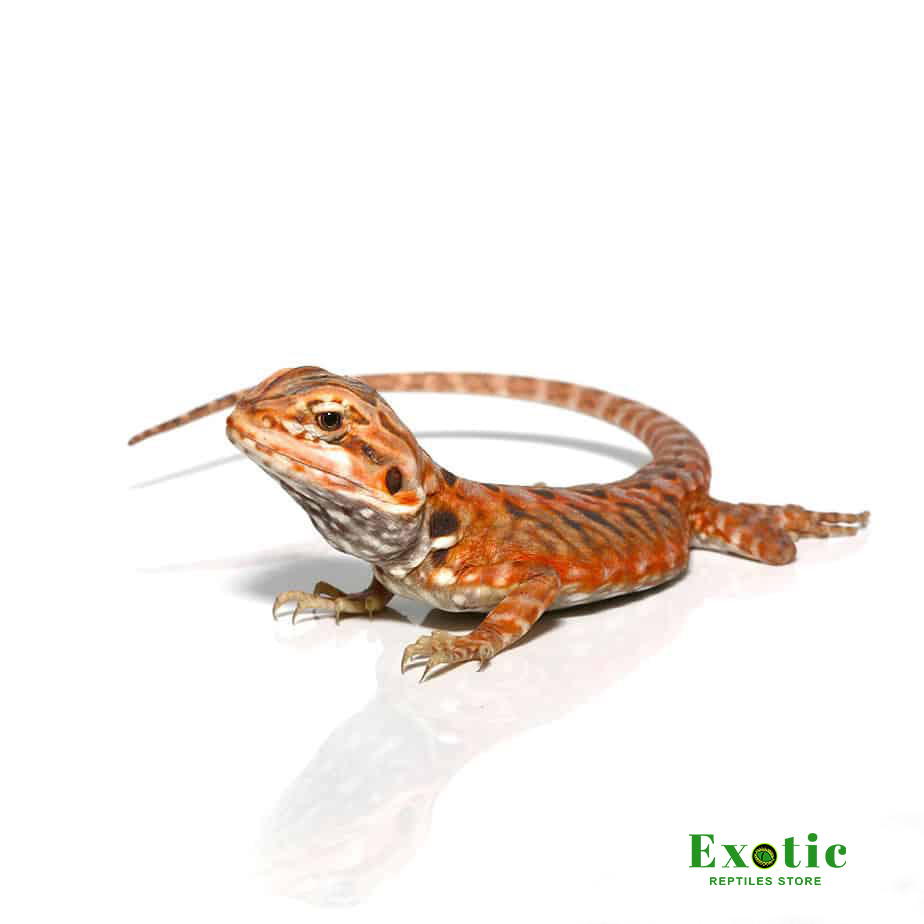
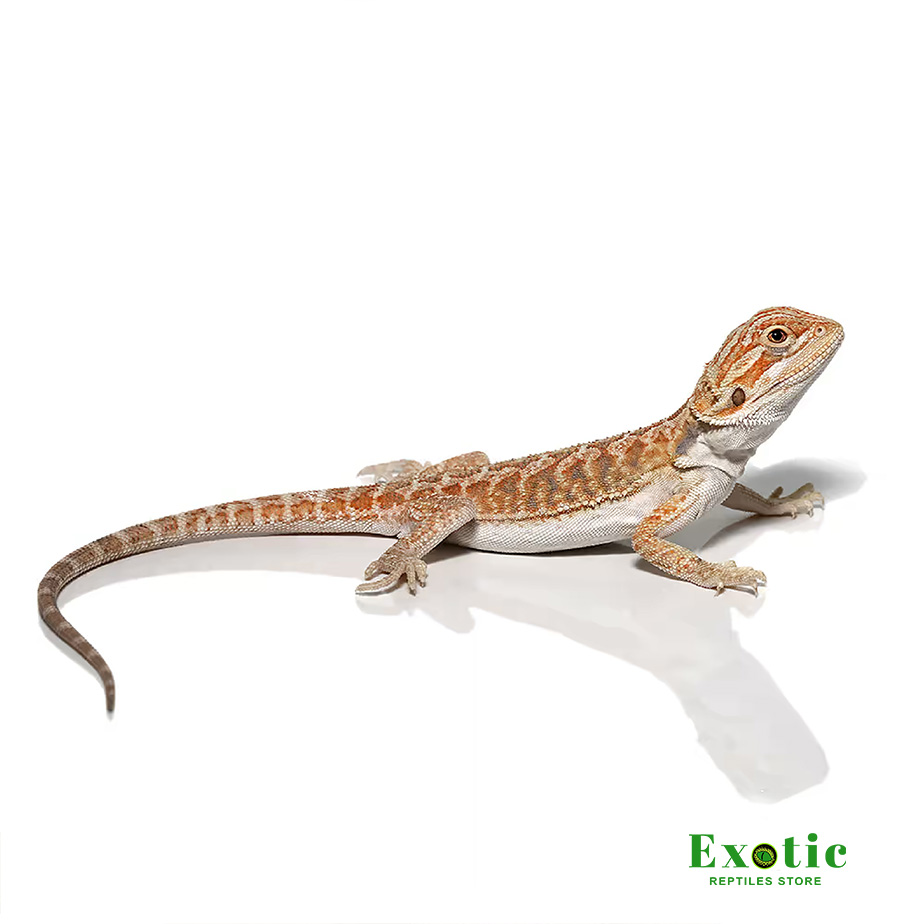
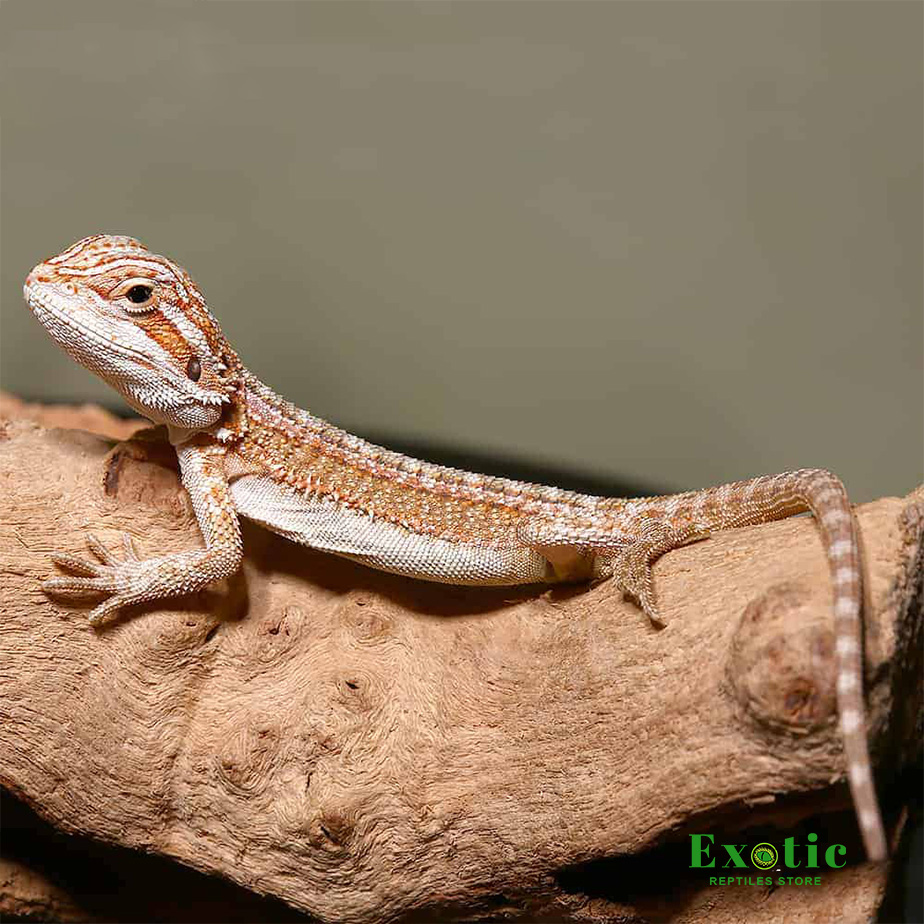
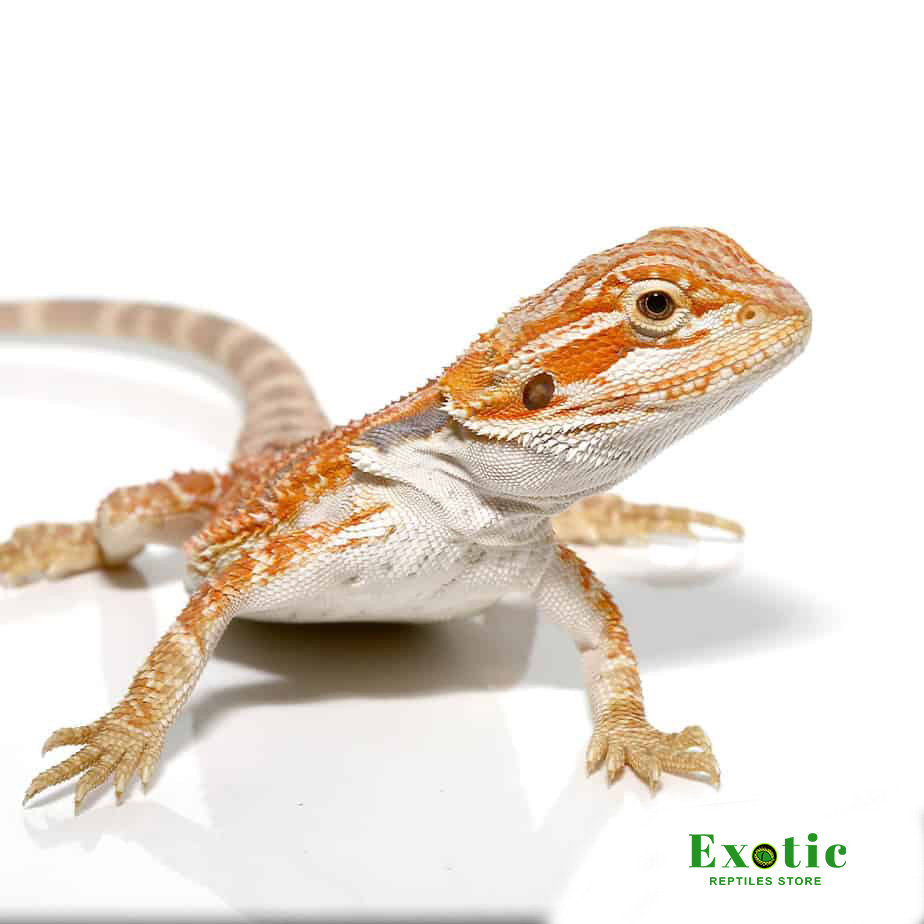
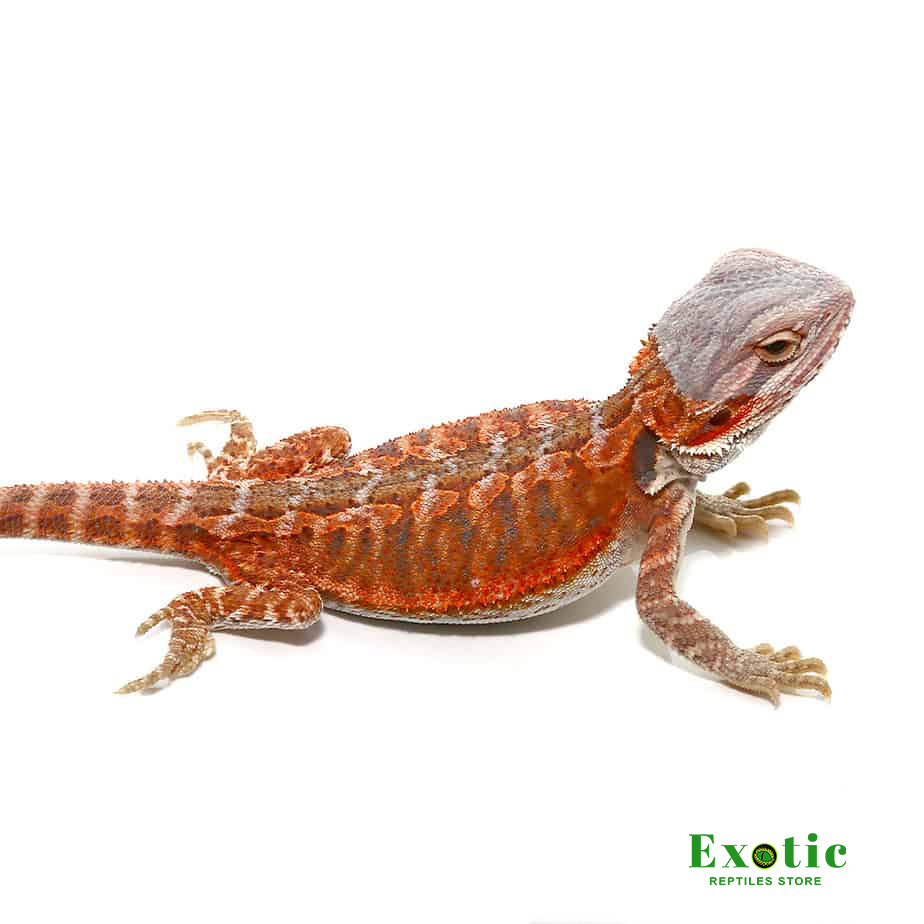
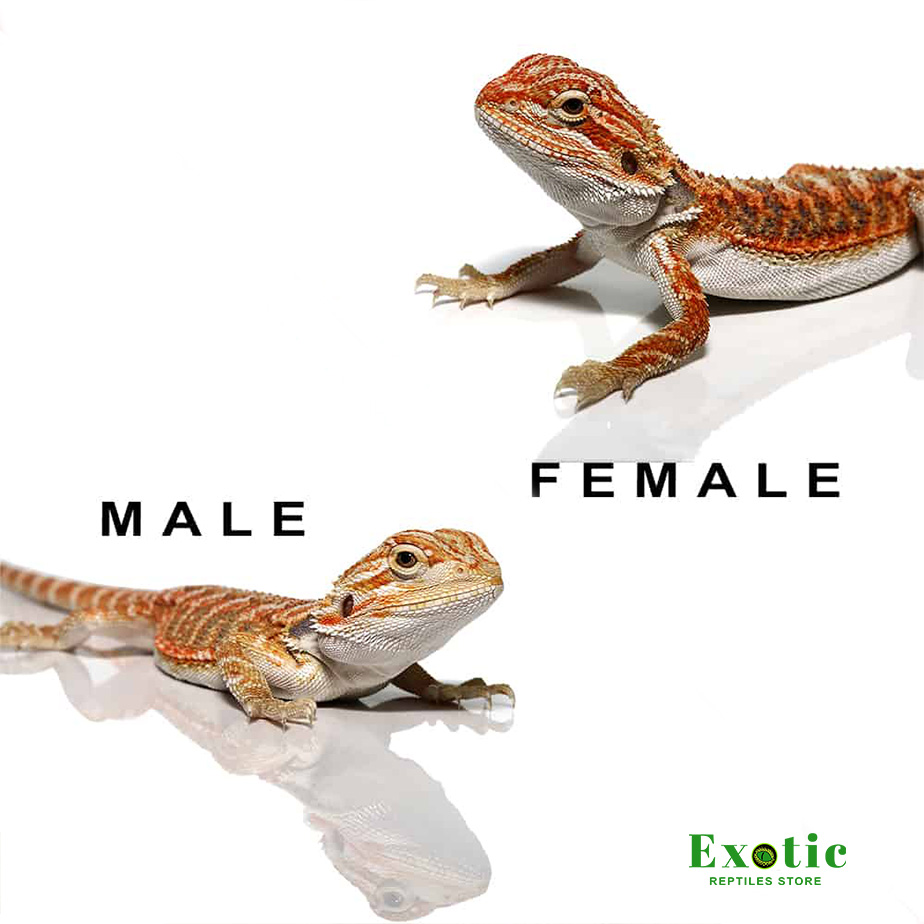
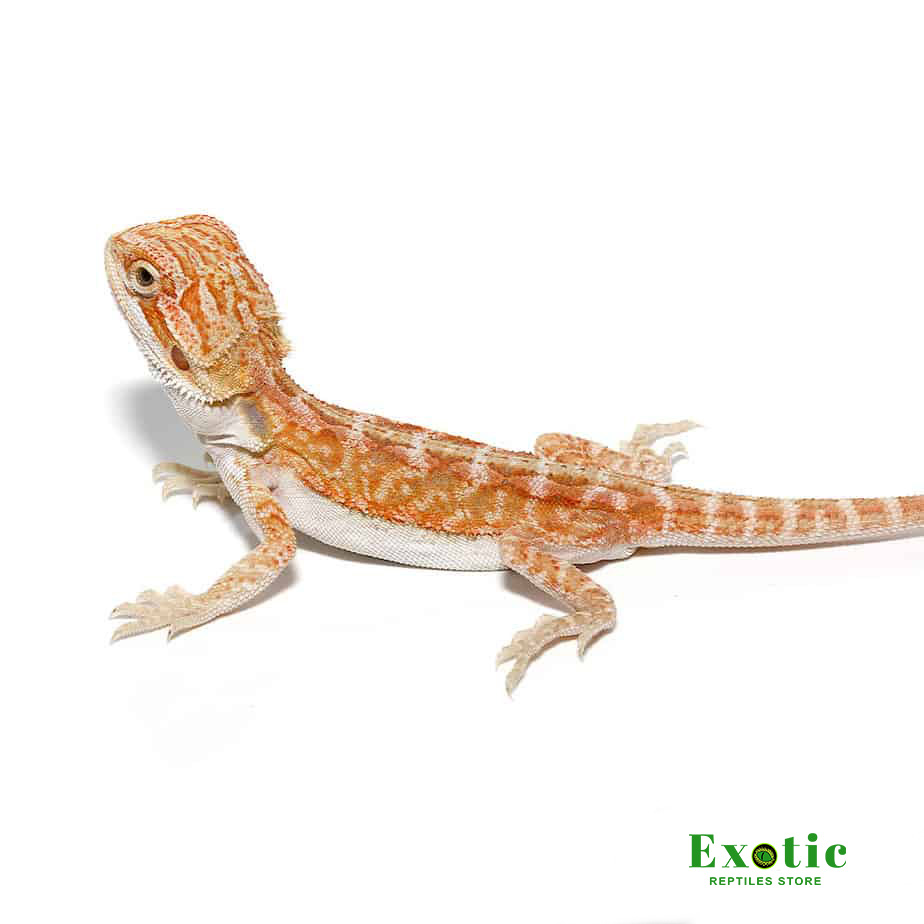
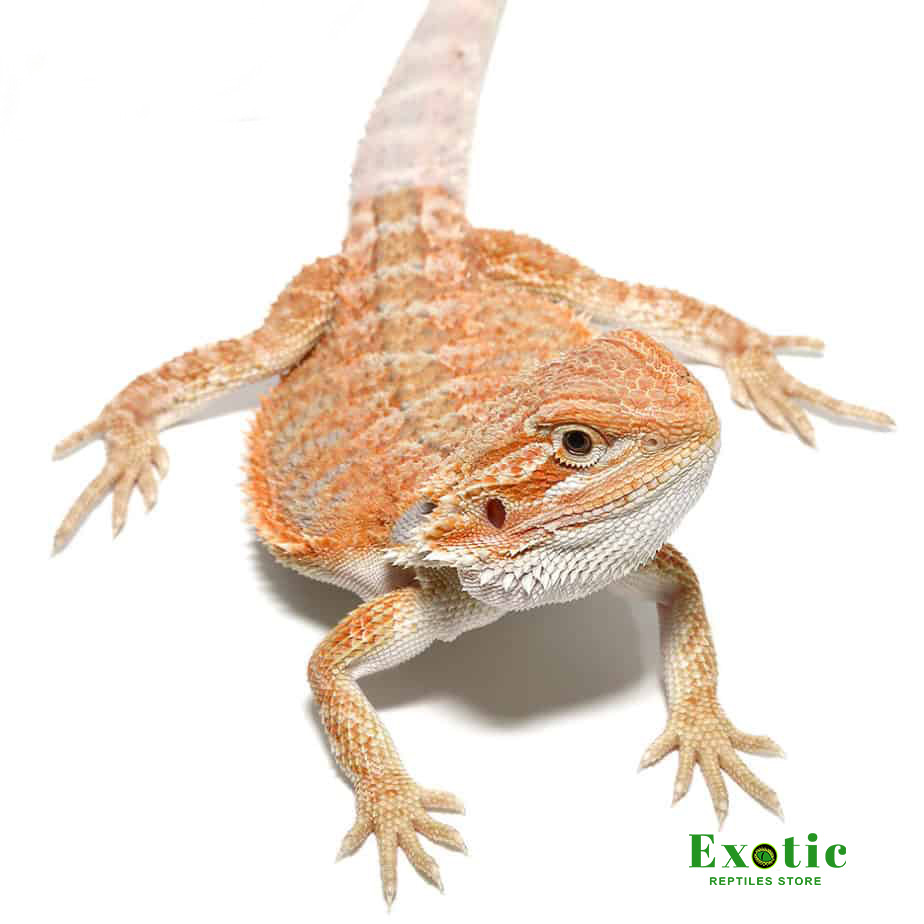
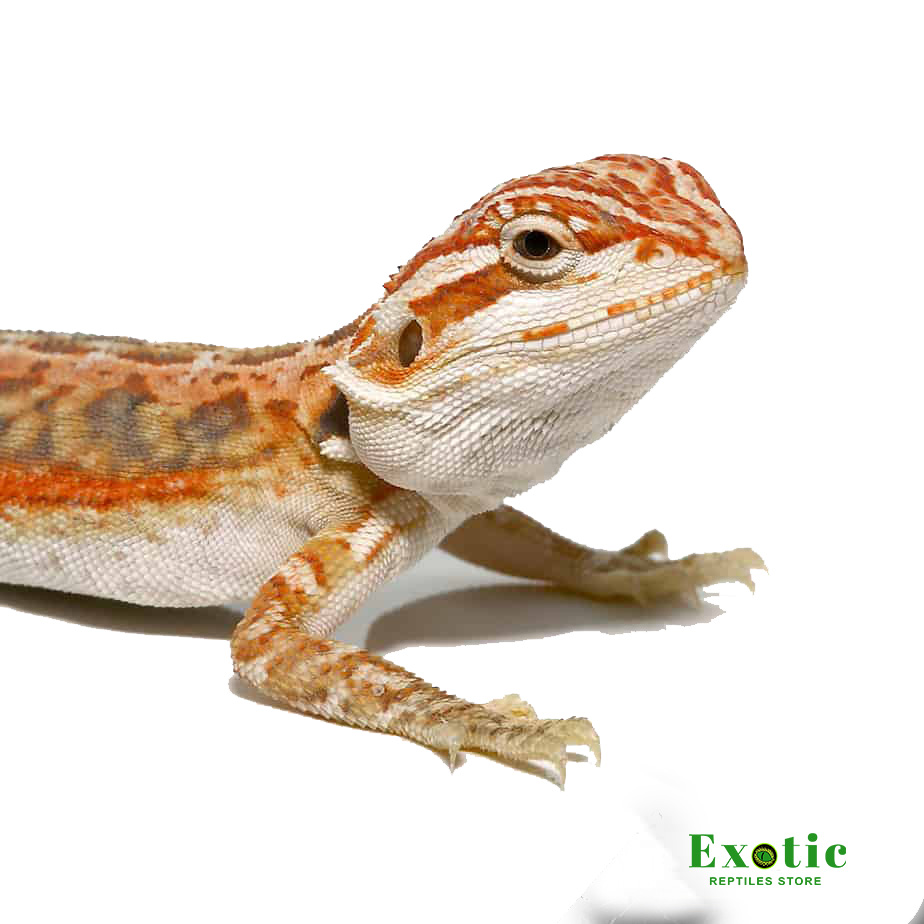
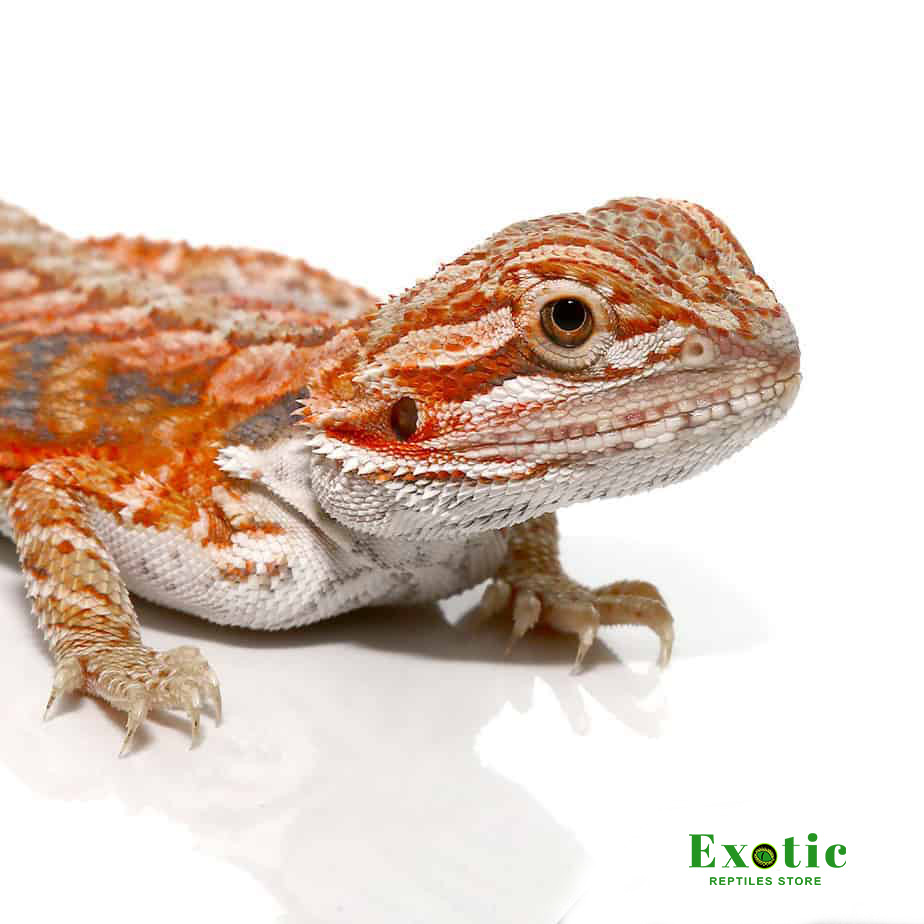
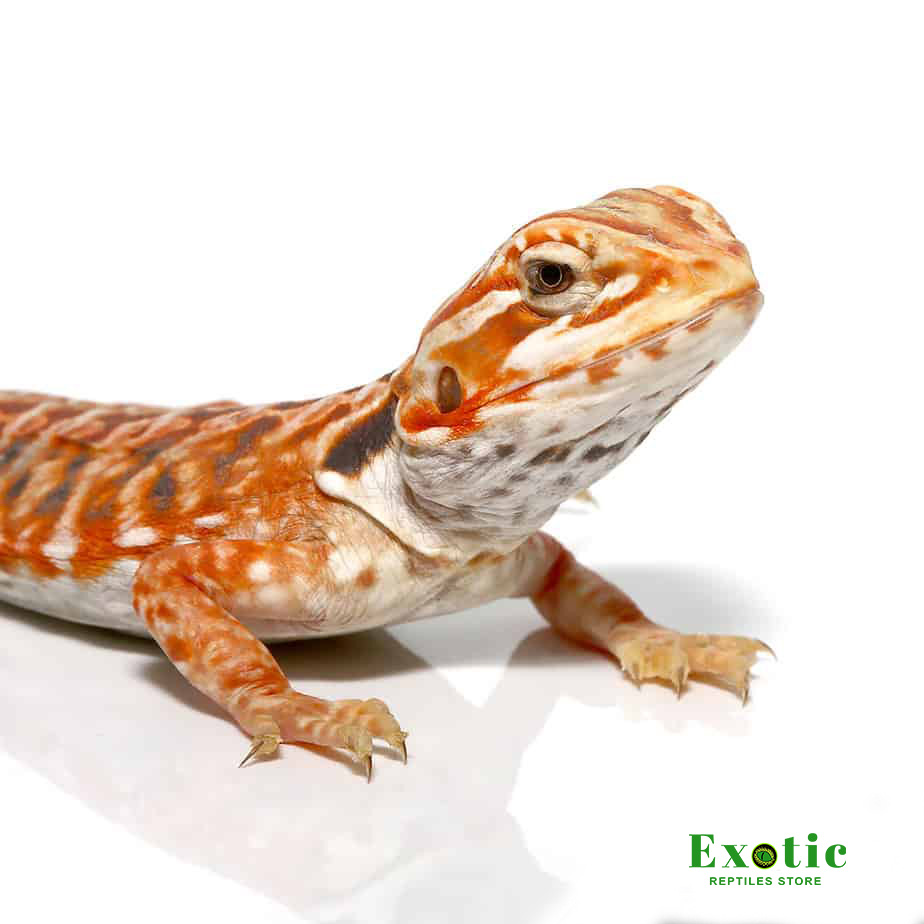
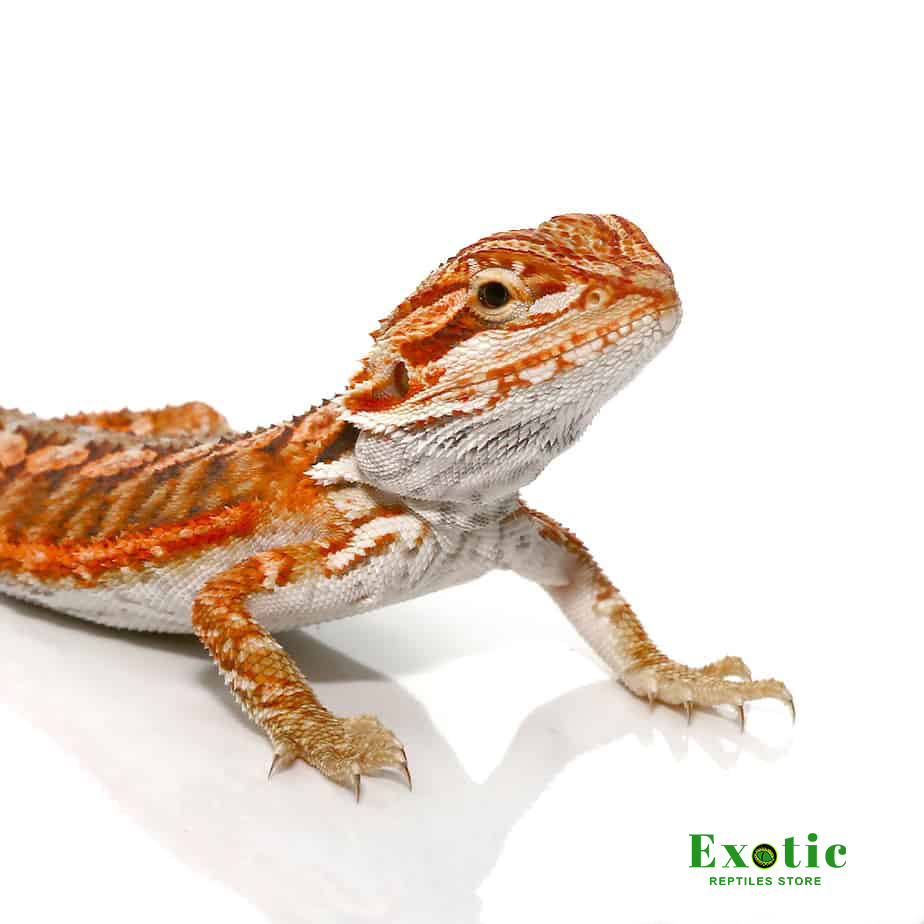
Their appearance can vary in coloration, pattern, body size, and other characteristics. However, photographs alone should not be used to determine an animal’s health, age, sex, temperament, or genetic background.
Behavior also varies between individuals. Some may become accustomed to gentle handling when managed appropriately, while others may be more cautious or easily stressed. Give a new arrival time to settle into its enclosure and avoid assuming that every bearded dragon will respond identically to people.
Is a Bearded Dragon Right for You?
Bearded dragons are often considered by people researching their first pet reptile, but they still have specific environmental and nutritional requirements. A suitable keeper must be prepared to monitor temperatures, maintain lighting equipment, provide appropriate food, clean the enclosure, and arrange veterinary care when needed.
Before choosing one, consider:
The space available for an appropriately sized adult enclosure.
The cost of heating, UVB lighting, replacement equipment, and electricity.
The availability and cost of suitable vegetables and feeder insects.
The time required for cleaning, feeding, and daily observation.
Access to a veterinarian experienced in treating reptiles.
Any local rules governing ownership, sale, or transport.
A bearded dragon may be a suitable choice when its needs match your circumstances and you are prepared to maintain its habitat consistently.
How to Choose the Right Bearded Dragon
Selecting a bearded dragon should begin with the individual animal’s confirmed identity and care requirements rather than appearance alone. Research the expected adult size, environmental needs, diet, activity patterns, and likely long-term commitment before making a decision.
Age, Size, and Life-Stage Considerations
Bearded dragons can have different nutritional and husbandry requirements at different stages of life. Growing animals may need different feeding routines from adults, so the animal’s approximate age and current size can help you plan its care.
Do not estimate age from a photograph or body size alone. Ask the seller for any available information if the listing does not provide it. Also consider adult size when selecting an enclosure, even if the animal currently appears small.
A habitat that is suitable for a juvenile may not provide sufficient space as the animal grows. Planning ahead helps avoid unnecessary enclosure changes and ensures that the reptile has enough room to move between appropriate environmental zones.
Color, Morphs, and Individual Characteristics
Bearded dragons can display a variety of colors and patterns. These visual differences may interest collectors, but appearance should remain secondary to health, identity, and suitability.
If a listing includes a specific morph or genetic description, check that the information is explicitly stated. Do not infer a particular morph, lineage, or genetic trait from a photograph alone.
When comparing animals, prioritize confirmed details and responsible preparation. An attractive appearance does not remove the need for proper lighting, heating, nutrition, and veterinary support.
Temperament and Handling Expectations
Although bearded dragons are often kept as companion reptiles, individual behavior varies. Handling should be calm, gentle, and appropriate to the animal’s size and condition. Support the body properly, avoid restraining the animal unnecessarily, and allow it to retreat when it needs space.
Repeatedly picking up a newly arrived reptile can add stress during the adjustment period. Begin by observing its normal behavior and allowing it to become familiar with the enclosure.
Children should interact with reptiles under responsible adult supervision, and everyone should wash their hands after handling an animal or cleaning its habitat. Reptiles can carry Salmonella even when they look healthy.
Habitat and Enclosure Planning
A properly designed enclosure is one of the most important parts of bearded dragon care. The habitat should provide sufficient space, a suitable basking area, a cooler zone, appropriate UVB lighting, secure furnishings, and opportunities for the animal to shelter and move naturally.
Prepare the enclosure before the bearded dragon arrives. Test the equipment and measure the environmental conditions in the areas the animal will actually use.
Enclosure Size and Layout
Choose an enclosure that accommodates the bearded dragon’s expected adult size and normal movement. The layout should allow the animal to bask, retreat from heat, explore, rest, and access food and water safely.
Include stable furnishings and appropriate hides. Branches, platforms, and other structures should be secure enough to support the animal without collapsing or creating gaps where it could become trapped. Avoid sharp edges and decorations that could cause injury.
Good enclosure planning includes:
Sufficient floor space for movement and natural behavior.
A basking area and a cooler area that allow temperature regulation.
Secure hiding places and stable furnishings.
Adequate ventilation and safe access for cleaning.
A secure lid or doors that prevent escapes.
A layout that allows easy monitoring of the animal and equipment.
The enclosure should also be positioned away from smoke, aerosols, strong fumes, and household chemicals.
Basking Temperatures and Heating
Bearded dragons rely on external heat to regulate their body temperature. Their enclosure needs an appropriate thermal gradient, allowing the animal to move between a warmer basking zone and cooler areas.
The correct temperatures depend on the animal’s life stage and husbandry plan. Follow current, reliable bearded dragon care guidance rather than applying generic reptile settings.
Use suitable thermometers to measure temperatures at the basking surface and in other relevant parts of the enclosure. Room temperature alone cannot establish whether the animal’s habitat is suitable.
Heating equipment should be installed securely and controlled appropriately. Check that the reptile cannot contact a dangerously hot surface or become trapped close to a heat source. Recheck readings after changing bulbs, moving furnishings, or adjusting equipment.
UVB Lighting and Day-Night Cycles
Appropriate UVB exposure is an important part of bearded dragon husbandry because it supports vitamin D production and calcium metabolism. A suitable UVB system should be selected according to the enclosure, installation distance, light output, and the animal’s needs.
Ordinary household lighting should not be assumed to provide adequate UVB. Glass, plastic, and other barriers may also reduce or block UVB transmission, so follow the lighting manufacturer’s instructions and species-specific guidance.
The lamp’s position and the distance between the light and the basking area matter. Arrange the enclosure so the animal can use the appropriate exposed area while still having access to shade and shelter.
Maintain a consistent day-night cycle. Lights should not remain on continuously, and replacement intervals should follow the manufacturer’s recommendations. A lamp may continue to produce visible light even when its UVB output has declined, so appearance alone is not a reliable measure of performance.
Substrate, Hides, and Hygiene
Choose a substrate that fits the animal’s needs and the enclosure’s cleaning routine. Consider ingestion risks, moisture retention, ease of waste removal, and whether the material is suitable for the animal’s age and condition.
Provide secure places to hide and rest. The habitat should be easy to inspect so you can identify waste, uneaten food, and changes in the animal’s condition.
Clean food dishes and water containers regularly, remove waste promptly, and follow appropriate enclosure hygiene practices. Do not use household cleaning products around the reptile without confirming that they are safe for the intended use and that residues have been removed properly.
Feeding and Nutrition for Bearded Dragons
A balanced diet is essential to a bearded dragon’s long-term welfare. Their nutritional needs vary with age, growth, body condition, and health. A feeding plan should include suitable plant foods and appropriately sized feeder insects in proportions recommended for the individual animal’s life stage.
Leafy Greens and Vegetables
Suitable leafy greens and vegetables are important components of a bearded dragon’s diet. Research which foods are appropriate, how to prepare them, and how to provide variety without creating nutritional imbalances.
Wash fresh produce carefully and discard spoiled food. Avoid assuming that every vegetable or leafy plant is suitable simply because it is eaten by humans or other animals.
If you are preparing for your first bearded dragon, identify reliable food sources before purchasing. Fresh plant material may need to be provided regularly, so consider availability, storage, and cost as part of your care plan.
Feeder Insects and Feeding Practices
Bearded dragons also eat suitable feeder insects. The type, size, and frequency of feeding should be appropriate to the animal’s age and condition.
Feeder insects should be obtained from reliable sources and managed hygienically. Some may need to be gut-loaded before being offered, and the feeding plan may require appropriate calcium or vitamin supplementation.
Do not assume that one insect species provides complete nutrition or that a feeding routine intended for a juvenile is suitable for an adult. Follow species-specific guidance and seek veterinary advice if you are unsure about diet or body condition.
Calcium and Vitamin Supplementation
Supplementation can be an important part of bearded dragon care, but the correct product and frequency depend on the overall diet, UVB provision, life stage, and individual needs.
Too little or excessive supplementation can create problems, so avoid guessing or combining products without understanding their ingredients and purpose. Use reliable husbandry guidance and consult an experienced reptile veterinarian when you need an individualized recommendation.
Water, Feeding Hygiene, and Appetite Monitoring
Provide access to water in a manner appropriate for the animal and its husbandry setup. Keep dishes clean and monitor whether the animal is eating and behaving as expected.
Remove uneaten food when appropriate, particularly items that spoil quickly or live feeder insects that could disturb the animal. Keep food-preparation tools clean and store food correctly.
Recording appetite and body-condition changes can help you recognize gradual changes that might otherwise be overlooked. If a bearded dragon develops persistent appetite changes or other concerning symptoms, consult a qualified veterinarian rather than relying on online advice to diagnose the problem.
Daily Care, Observation, and Veterinary Support
Consistent observation helps you understand an individual bearded dragon’s normal behavior and notice when its environment or condition may need attention. A practical care routine should include checking equipment, maintaining cleanliness, monitoring food intake, and observing the animal without causing unnecessary disturbance.
Establishing a Daily Routine
A manageable routine can include:
Checking basking and cooler-zone temperatures.
Confirming that heating and UVB equipment are working correctly.
Inspecting water, food, and enclosure cleanliness.
Observing appetite, movement, posture, and general activity.
Removing waste and uneaten food as appropriate.
Checking that doors, lids, and enclosure fittings remain secure.
Temperature and lighting equipment should also be inspected regularly. Follow the manufacturer’s recommendations for maintenance and lamp replacement, and remeasure environmental conditions when equipment changes.
Shedding and Behavioral Changes
Growing bearded dragons shed their skin, and shedding patterns can change with age and condition. Observe the process without pulling away attached skin, which can injure the animal.
Notice changes in activity, basking habits, appetite, movement, or interaction with the environment. These changes do not necessarily indicate illness, but persistent or unusual differences should be investigated.
Avoid making major environmental adjustments based on a single observation. Check equipment and environmental readings first, and seek qualified advice if the animal’s behavior remains concerning.
Finding an Exotic-Animal Veterinarian
Identify a veterinarian experienced with reptiles before bringing your bearded dragon home. Routine preventive care and timely professional assessment can help address health concerns and support good husbandry.
Signs such as unusual breathing, injuries, marked lethargy, persistent appetite changes, abnormal movement, or other significant changes should be discussed with a qualified veterinarian. Online care information is useful for general education but cannot replace examination or diagnosis.
What to Check Before Buying a Bearded Dragon Online
Review the full product listing and confirm the information that matters to your decision. Photographs and descriptions can help you compare available animals, but not every individual detail will necessarily be included.
Before placing an order:
Confirm the animal’s identity. Check the stated species and any additional identification details provided.
Review individual information. Look for stated age, sex, size, and other relevant characteristics.
Ask about missing details. Do not infer health, origin, captive-bred status, or feeding history from photographs.
Confirm current availability. Listings can change, so check that the animal you are interested in is still available.
Review shipping or collection arrangements. Confirm timing, applicable conditions, and what must be prepared before arrival.
Read the store’s current policies. Keep order-related communications and review the relevant terms before completing a purchase.
Check applicable laws. Confirm any wildlife, possession, sale, and transport rules that apply to your location.
Prepare the habitat. Test the enclosure and equipment before the animal arrives.
Arrange veterinary support. Identify a reptile veterinarian who can provide appropriate care.
A responsible purchase involves understanding both the individual animal and the commitment involved in keeping it.
Related Animal Categories
If you are comparing reptiles, explore related categories at Exotics & Aquatics to learn about other animals and their requirements.
Lizards: Explore the broader lizard group and research the differences between species before choosing.
Uromastyx: Learn about the specialized heating, lighting, and predominantly plant-based diet associated with these desert-adapted lizards.
Skinks: Compare skink species and research their individual enclosure, dietary, and environmental needs.
Use the live website navigation to locate the relevant category pages and check the current listings. Availability and the specific animals offered may change over time.
Frequently Asked Questions About Bearded Dragons
Are bearded dragons suitable for beginners?
Bearded dragons are often considered by new reptile keepers, but they still need appropriate UVB lighting, carefully managed temperatures, suitable nutrition, and a properly sized enclosure. They are most suitable for people who have researched these requirements and can maintain them consistently.
How large does a bearded dragon grow?
Adult size depends on the species and individual. Research the expected adult dimensions of the animal being offered and prepare an enclosure that accommodates its mature size rather than its current size alone.
Do bearded dragons need UVB lighting?
Appropriate UVB lighting is an important part of standard bearded dragon husbandry. The system should be suitable for the enclosure and installed according to reliable species-specific guidance and the manufacturer’s instructions.
What do bearded dragons eat?
Their diet generally includes suitable leafy greens, vegetables, and appropriately sized feeder insects. The correct balance and feeding frequency depend on the animal’s age and condition. Research a complete feeding plan before purchase.
Can I handle a bearded dragon every day?
Handling depends on the animal’s temperament, condition, and level of adjustment. Gentle, appropriate handling may be tolerated by some individuals, but interaction should never be forced. Allow a new arrival time to settle and supervise children carefully.
How do I know whether a listed bearded dragon is healthy?
A product photograph or description cannot establish an animal’s full health status. Review the details provided, ask the seller about any important information that is missing, and arrange appropriate veterinary care. A qualified reptile veterinarian should assess health concerns.
Should I set up the enclosure before purchasing?
Yes. Prepare and test the habitat in advance. Confirm that temperatures are appropriate, the UVB lighting is installed correctly, furnishings are secure, and suitable food and cleaning supplies are available.
Are all bearded dragons listed on the website available?
Availability can change. Check the current individual product page and contact Exotics & Aquatics if you need confirmation before ordering.
What should I do if my bearded dragon stops eating?
Appetite changes can have several causes, including environmental conditions, life stage, stress, or illness. Check the enclosure’s measured conditions and contact a qualified reptile veterinarian if the change persists or occurs alongside other concerning signs. Do not rely on an online description to diagnose the cause.
Shop Bearded Dragons at Exotics & Aquatics
Choosing a bearded dragon is a long-term commitment that begins with careful research. Compare the available listings, confirm the information provided for each animal, and make sure you understand the requirements for lighting, heating, nutrition, enclosure design, and veterinary care.
Whether you are researching your first bearded dragon or adding to an existing reptile collection, prioritize the animal’s welfare over appearance alone. Prepare a secure, suitable habitat before arrival and establish a realistic routine for ongoing care.
Browse the current listings at Exotics & Aquatics to explore available bearded dragons and make an informed decision.
Contact Exotics & Aquatics
Exotics & Aquatics
Website: https://www.exoticsandaquatics.com/
Address: 6447 Williamson Rd, Roanoke, VA 24019
Email: sales@exoticsandaquatics.com
Care information is provided for general educational purposes and should be checked against current, species-specific husbandry guidance. Animal availability and individual details are determined by the live product listings. Confirm important information with the seller and consult a qualified reptile veterinarian for animal-health concerns.