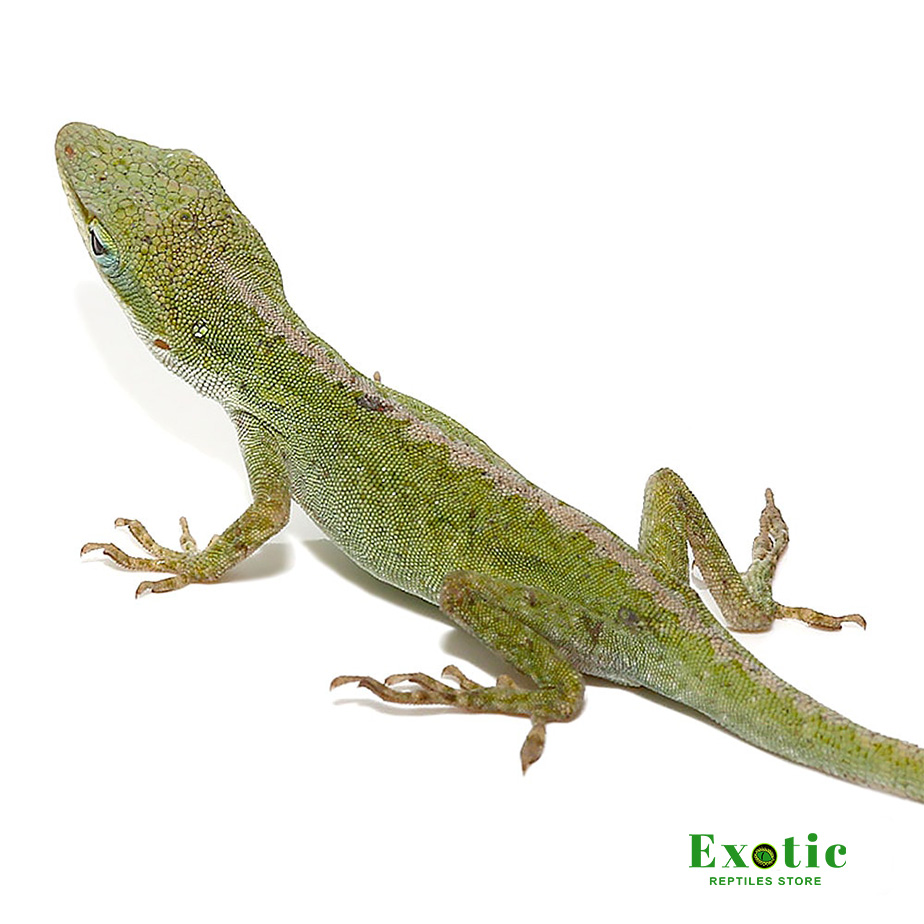
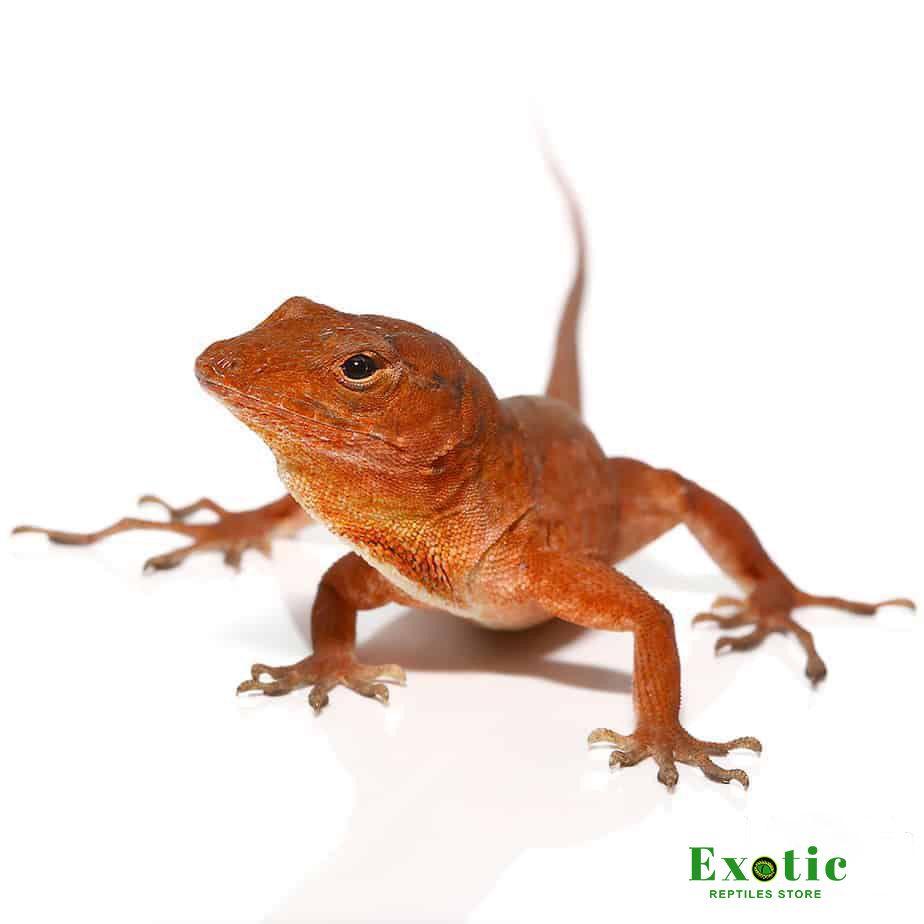
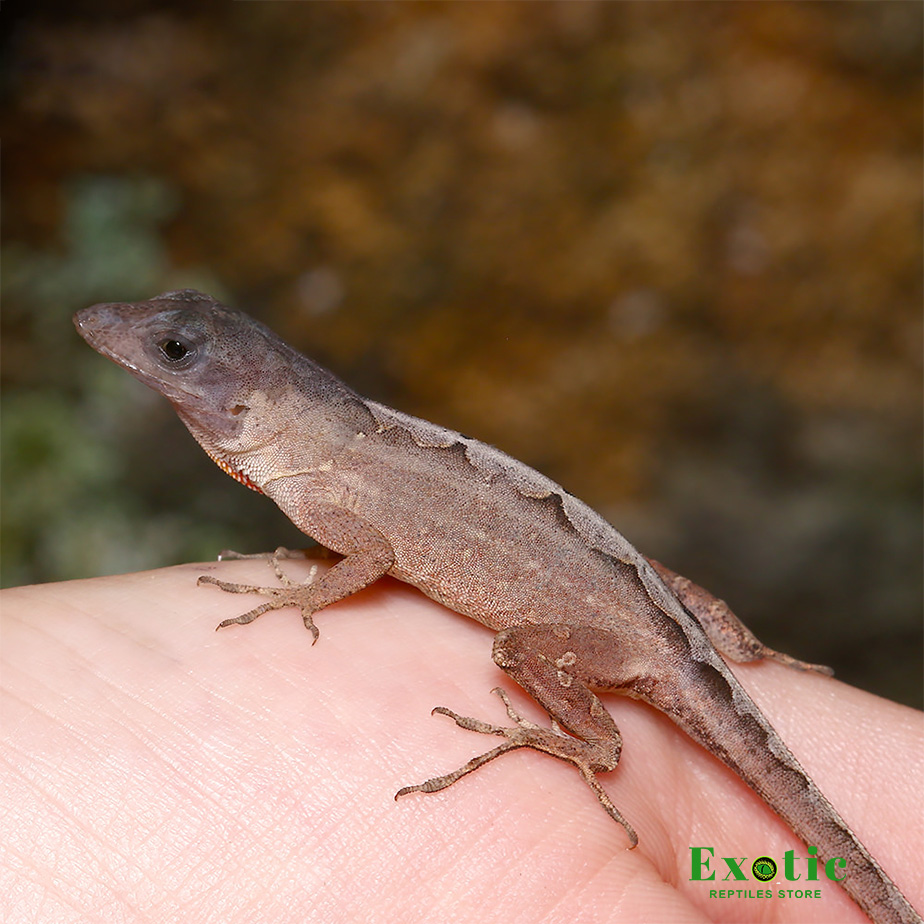
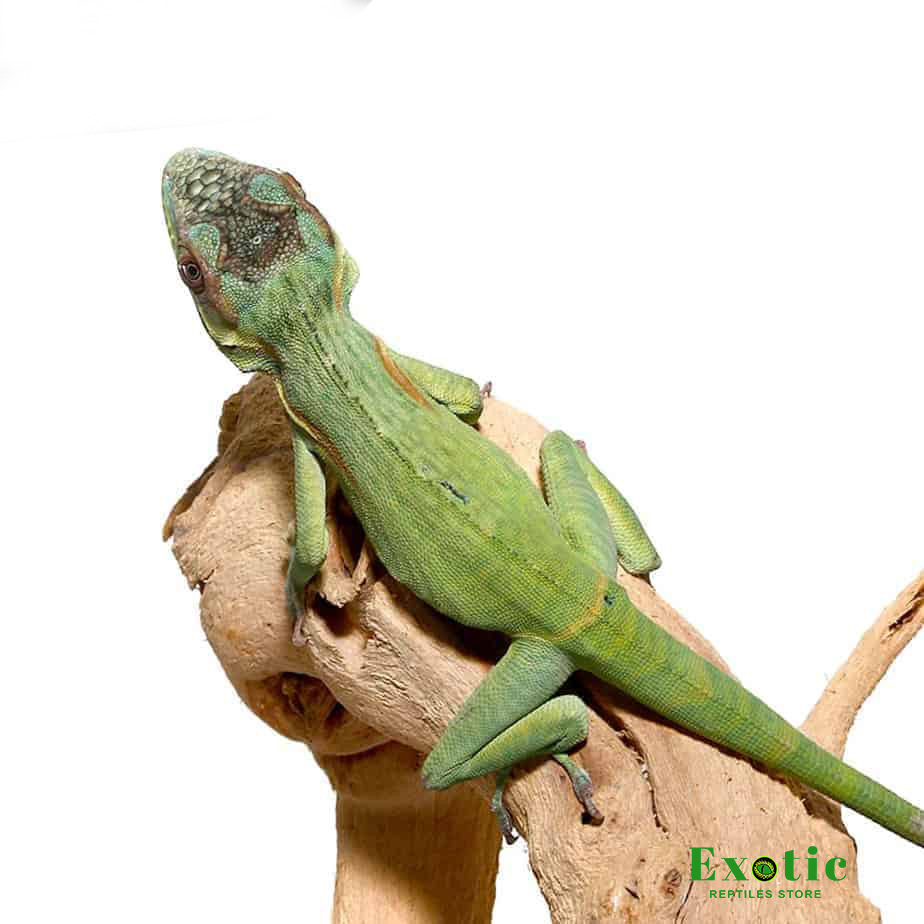
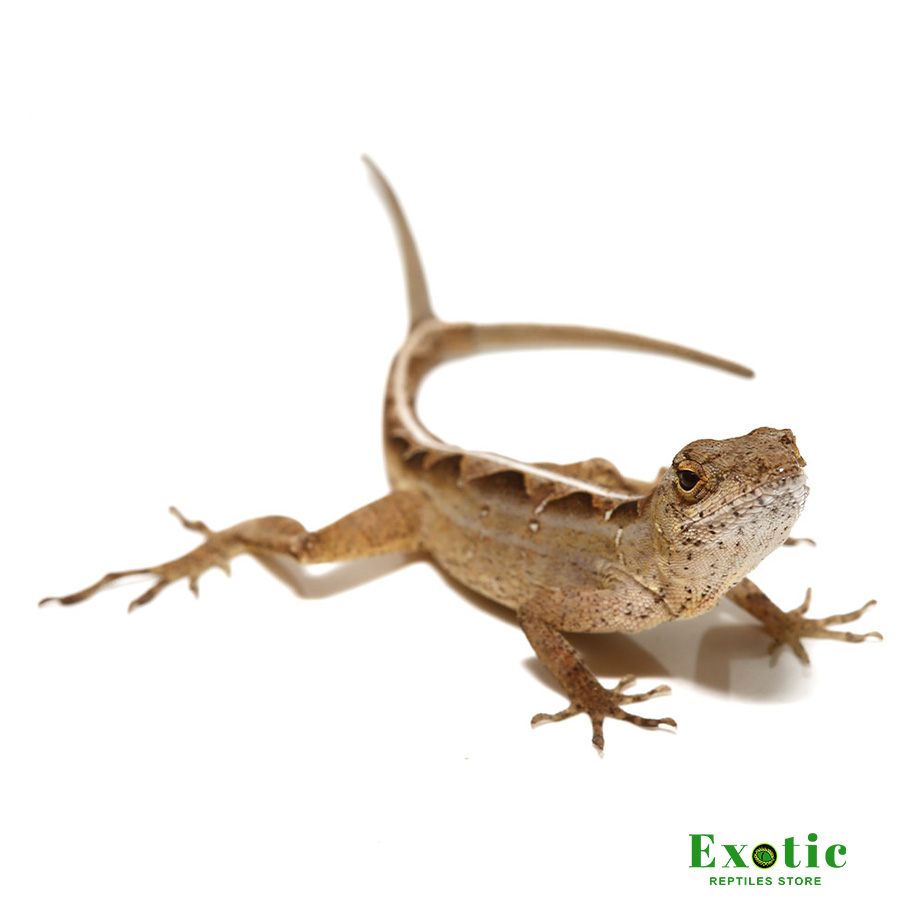
Anoles for Sale at Exotics & Aquatics
Explore anoles for sale at Exotics & Aquatics and compare the details provided on each live listing. Anoles are active lizards, and many species use vertical space, foliage, and elevated perches. Their exact needs vary, so select an animal only after confirming its identity and researching its adult size, environment, diet, and behavior.
Availability and animal-specific details can change. Do not assume age, sex, health status, locality, or captive-bred status unless the listing explicitly states it.
Choosing an Anole
Start by researching the exact species and, where available, its scientific name. Common names may be used inconsistently, and similar-looking lizards can have different environmental and feeding needs.
Factors to Consider Before Buying
Adult size: Research the species’ expected adult size and space requirements.
Activity and temperament: Consider its activity pattern and likely response to observation or handling.
Lifespan: Understand the long-term commitment involved in keeping the species.
Feeding requirements: Research suitable food, feeding frequency, and supplementation.
Daily care: Make sure you have time for observation, enclosure maintenance, and routine husbandry.
Anoles can be quick and may be best suited to keepers who are comfortable maintaining a habitat without frequent handling.
Anole Enclosure and Habitat Setup
Prepare a secure, well-ventilated enclosure with climbing branches, stable foliage, hiding cover, and a temperature and humidity range appropriate to the identified species.
Vertical Space and Enclosure Security
Provide usable vertical space and ensure branches and décor cannot shift or fall. Check doors, vents, and gaps for escape risks. Run the enclosure before arrival and measure conditions with reliable instruments in the areas the animal actually uses.
Do not copy generic temperature or humidity values without checking them against current, species-specific guidance.
Temperature, Lighting, and Humidity
Provide an appropriate thermal gradient so the animal can choose among different zones. Research whether the species needs UVB lighting and how the lighting should be positioned and maintained.
Humidity should be managed together with ventilation; a high reading alone does not guarantee a suitable habitat. Follow current care guidance for the species and monitor actual conditions rather than relying on equipment settings alone.
Plants, Perches, and Hides
Use stable perches and safe foliage that allow natural climbing and retreat. Choose plants and materials that are safe for the animal and can tolerate the enclosure conditions.
Leave enough space for movement and routine cleaning. Inspect décor regularly for sharp edges, loose parts, or places where insects could become trapped.
Feeding and Nutrition
Many anoles eat appropriately sized insects, but prey size, feeding frequency, and supplementation depend on the species and life stage.
Choosing Appropriate Feeder Insects
Research suitable feeder insects and a balanced supplementation plan before purchase. Keep feeder insects in suitable conditions, source them responsibly, and avoid collecting wild insects where pesticide exposure or parasites may be a concern.
Feeding Routine and Hygiene
Remove uneaten prey when appropriate and keep feeding tools clean. Monitor appetite and adjust the feeding routine according to reliable, species-specific husbandry guidance.
Daily Care and Health Observation
Build a routine for checking temperature and humidity, cleaning the enclosure, refreshing water where used, observing appetite, and watching for changes in movement or appearance.
Monitoring Behavior and Condition
Keep brief records of feeding and shedding where relevant. Minimize unnecessary handling, since quick movements and repeated disturbance can increase stress.
Contact a qualified exotic-animal veterinarian if you notice persistent appetite changes, injury, unusual breathing, marked lethargy, or other concerning signs. Online information is not a diagnosis.
Before Buying an Anole Online
Use this checklist to prepare before placing an order.
Read the full product listing and confirm the animal’s identity and current availability.
Ask about essential details that are not stated. Never infer age, sex, origin, or health from a photograph alone.
Confirm current shipping or collection arrangements and what must be ready before arrival.
Prepare a secure, species-appropriate enclosure and obtain food and care supplies in advance.
Check applicable possession, wildlife, sale, and transport laws before ordering.
Identify an exotic-animal veterinarian who is willing and able to treat the species.
Explore Related Categories
Compare other animal groups and research their individual husbandry needs before choosing a pet.
Lizards: Explore different lizard species and their habitat requirements.
Geckos: Learn about gecko species, feeding needs, and enclosure setups.
Bearded Dragons: Research their space, lighting, temperature, and dietary requirements.
Frequently Asked Questions About Anoles
Are all anoles the same size and temperament?
No. Species differ in adult size, behavior, activity, and environmental requirements. Confirm the exact identity and research the specific animal before choosing an enclosure.
Should I set up the enclosure after the anole arrives?
No. Prepare and test the habitat beforehand so the temperature, humidity, lighting, cover, and feeding supplies are ready.
Can anoles be handled frequently?
Handling tolerance varies, and many anoles are fast and easily stressed. Prioritize observation and necessary care, and use species-specific guidance for safe interaction.
Where can I get care advice?
Use reliable, current, species-specific husbandry resources and consult a qualified exotic-animal veterinarian for health concerns.
Contact Exotics & Aquatics
For questions about a live listing, contact Exotics & Aquatics before ordering.
Exotics & Aquatics
Website: exoticsandaquatics.com
Address: 6447 Williamson Rd, Roanoke, VA 24019
Email: sales@exoticsandaquatics.com
Care guidance is general and should be checked against current, species-specific sources. Listing details and availability are determined by the live product page.