
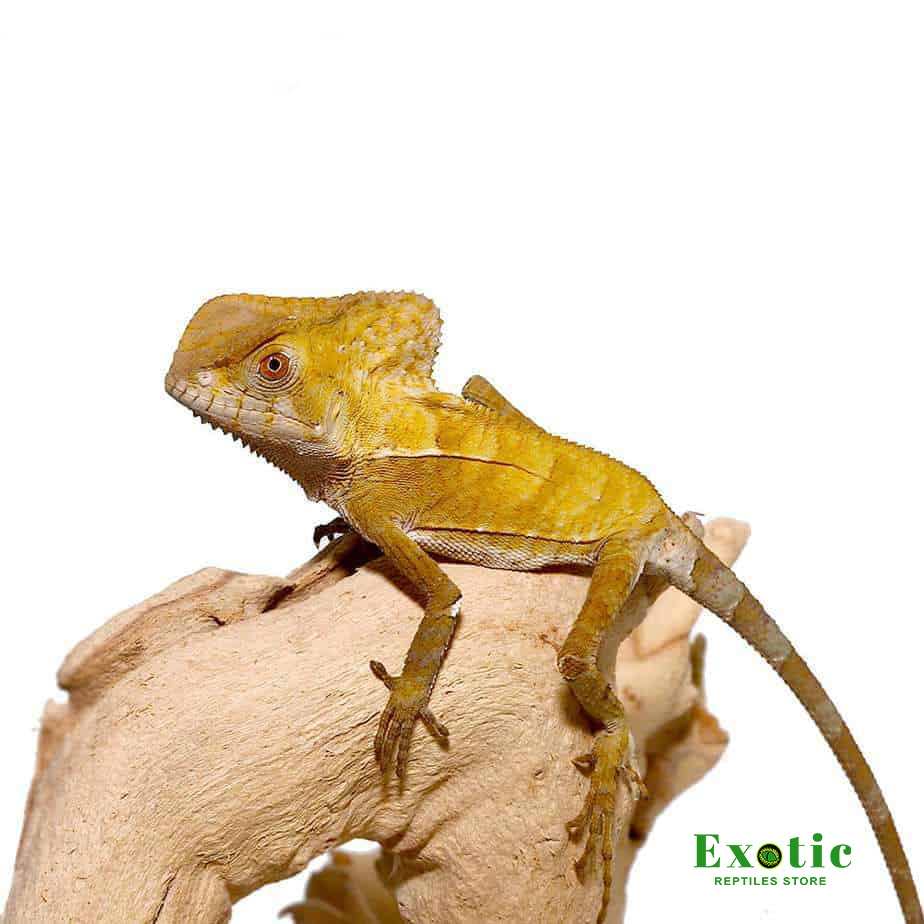
Understanding reptile adult size is one of the most important steps in planning responsible ownership. A juvenile’s current length rarely tells the whole story: adult dimensions, body mass, strength, activity and habitat requirements determine the space and equipment needed over time. This Exotics & Aquatics guide explains what to research before choosing a reptile. Always confirm details for the exact species and individual listing.
Look beyond hatchling or juvenile size
Young reptiles may look small and easy to house, but growth can change the practical demands of care. Research typical adult length and body mass, how quickly the species grows, and whether males and females differ significantly when reliable information is available. Growth varies with species, individual condition and husbandry, so avoid treating a single online number as a guaranteed prediction.
Confirm the species identity
Common names can be ambiguous, and closely related species may reach different sizes or need different environments. Use the listing details and, where available, the scientific name to identify what you are researching. If a key detail is not stated, ask rather than inferring it from color, pattern or a photograph. Do not assume the animal’s age, sex, origin or health status unless confirmed.
Plan the adult enclosure first
Measure the space you can realistically provide and compare it with current species-specific guidance for the adult animal. Consider floor area, vertical space, turning room, climbing or digging opportunities, water access, hides, ventilation and safe cleaning access. The enclosure also needs secure doors, appropriate heating and lighting equipment, and furnishings strong enough for the animal’s adult size.
Check whether the habitat can be placed away from drafts, direct sunlight that causes overheating, fumes and busy household traffic. Make sure the enclosure will not block doors or create a hazard when you need to clean or move equipment. If the adult habitat cannot fit safely in your home, choose a different species before buying.
Account for strength and behavior
Size is not only a measurement of length. Some reptiles are powerful, climb well, dig persistently, move quickly or become difficult to manage without experience. Research normal behavior and defensive responses, safe handling procedures and the equipment needed for routine care. Consider whether another trained adult may be needed to help with transport or veterinary visits.
Estimate lifetime costs
A larger enclosure can mean more materials, stronger locks, higher heating or lighting costs, more substrate and more cleaning time. Food requirements and veterinary expenses may also change as the animal grows. Make a realistic budget that includes replacement lamps, monitoring equipment, electricity, transport, routine supplies and an emergency veterinary reserve. Avoid basing the budget only on the animal’s purchase price.
Review diet and feeding changes
Diet and feeding frequency may change with age, species and body condition. Research the adult feeding plan and confirm that appropriate food will remain available and affordable. Do not deliberately accelerate growth through overfeeding. Track meals and body condition, and seek veterinary guidance if growth, appetite or weight changes unexpectedly.
Consider lifespan and future changes
Some reptiles can live for many years, so consider likely changes in housing, work schedule, finances, travel and family circumstances. Make sure the adult enclosure remains feasible if you move or your household changes. Identify a suitable veterinarian and a responsible contingency plan if you become unable to provide care.
Questions to answer before purchasing
- What is the species’ typical adult size, and how reliable are the available estimates?
- What enclosure dimensions and environmental conditions are recommended for adults?
- Will the enclosure fit in a secure location with access for cleaning and maintenance?
- Can I safely manage the animal’s adult strength, behavior and transport?
- Can I afford adult food, equipment, electricity and veterinary care?
- Are possession and transport lawful where I live?
- Who can help if my circumstances change?
Common planning mistakes
Do not assume a small animal will remain small, that a temporary enclosure can serve indefinitely, or that a larger enclosure automatically solves every husbandry issue. Environmental gradients, ventilation, furnishings and species-specific needs still matter. Avoid relying on care advice for a different species simply because it has a similar appearance.
Frequently asked questions
Can I estimate adult size from a photo?
A photograph is not a reliable basis for predicting adult size or confirming age. Research the identified species and ask for clarification about listing details.
Should I buy a juvenile before building the adult enclosure?
Plan and budget for the appropriate long-term habitat before purchase. Temporary housing should not replace a realistic adult-care plan.
Does a larger species always cost more?
Not in every case, but space, equipment, food and veterinary requirements can increase costs. Compare the actual needs of the species rather than using size alone as a cost estimate.
What if I cannot provide the adult habitat?
It is more responsible to choose a species whose lifetime needs fit your space, resources and experience.
Related resources
Read our guides to reptile ownership costs, choosing an enclosure and choosing a pet reptile.
Contact Exotics & Aquatics
Exotics & Aquatics
Website: https://www.exoticsandaquatics.com/
Address: 6447 Williamson Rd, Roanoke, VA 24019
Email: sales@exoticsandaquatics.com
General educational information only. Confirm species-specific requirements through reliable current sources and qualified veterinary guidance.