
This guide to crocodile skink care helps prospective keepers understand the research and preparation that should come before a decision. Exact needs vary across species and individuals, so use current species-specific husbandry resources rather than treating all skinks alike.
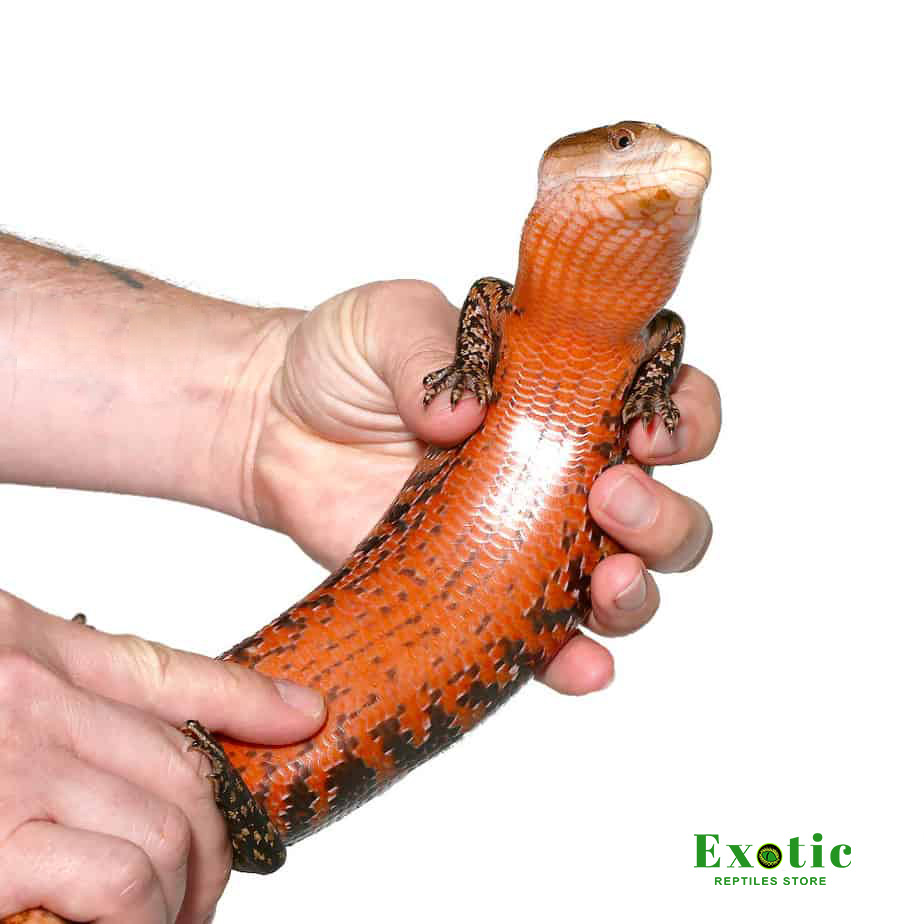
Research the exact species
Confirm the scientific or accepted species identification and use care references written for that animal. Common names can refer to different species with different adult sizes, activity patterns, diets and environmental needs. Do not assume that care advice for one monitor or skink transfers directly to another.
Design for adult behavior and space
Build a secure habitat with suitable hides and a measurable thermal gradient; humidity, substrate and climbing needs depend on the exact skink species. A blue-tongue skink and a crocodile skink, for example, should not be assumed to share the same environmental setup. Use a hygrometer and thermometers, and verify the recommended ranges in a current species-specific source.
Food, enrichment and daily observation
Build a feeding plan from current species-specific guidance and record what the animal actually eats. Provide appropriate opportunities for natural behaviors without creating hazards, and maintain clean water and enclosure hygiene. Track appetite, activity, shedding and body condition; persistent changes warrant advice from a qualified exotic-animal veterinarian.
Ownership, legal checks and costs
Large or specialist reptiles may require significant space, experienced handling, substantial ongoing costs and special facilities. Check current state and local rules before purchasing, identify an exotic-animal veterinarian, and plan for heating, lighting, food, maintenance and adult enclosure upgrades. Do not make a commitment until these requirements are realistic.
Before you proceed
- Verify the exact species and adult size.
- Prepare and test the habitat before arrival.
- Confirm feeding, lighting, temperature and humidity from species-specific sources.
- Budget for ongoing care and veterinary expenses.
- Check ownership, transport and shipping rules that apply to your location.
Explore more
Browse our skinks listings and read the beginner’s guide to buying a pet reptile and online reptile buying checklist.
Frequently asked questions
Are all species in this group kept the same way?
No. Confirm the animal’s exact identity and consult a current care reference written for that species.
What if my reptile’s behavior or appetite changes?
Review your recorded habitat measurements and contact a qualified exotic-animal veterinarian if changes are persistent or concerning.
Can this guide replace professional advice?
No. It is general educational information and does not diagnose health problems or replace species-specific veterinary guidance.