
Bearded Dragon Morphs Explained: What Buyers Should Know is best approached by looking at the animal’s needs as a whole rather than relying on a single care tip. This guide to bearded dragon morphs lays out the practical questions to research, what to prepare, and how to make a better-informed decision. Exact requirements vary by species, age, health and individual circumstances, so confirm details with current specialist husbandry references.
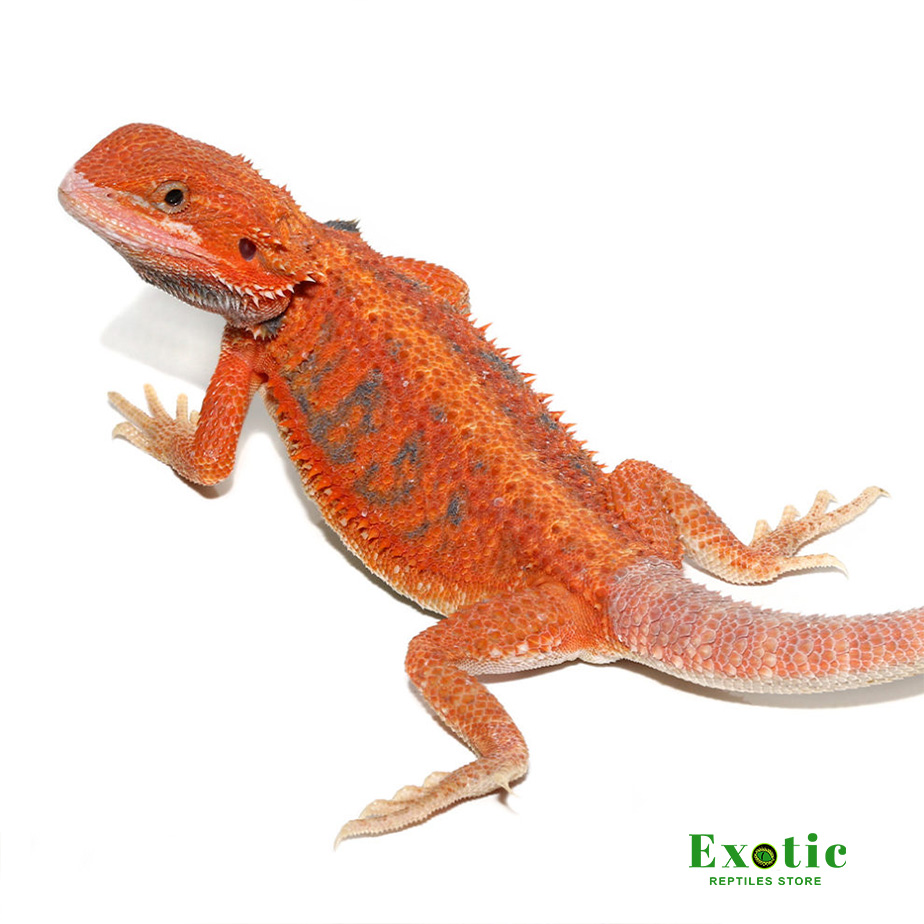
Start with species-specific requirements
Identify the exact species and, where relevant, locality or morph before choosing equipment or a routine. Research typical adult size, activity, diet, lifespan, humidity, temperature range and lighting needs. Care information for one lizard should not automatically be applied to another, even when the animals look similar. Use reliable species-specific references and record the source and date of advice you follow.
Build and measure the habitat
Plan an enclosure that accommodates normal movement, thermoregulation, hiding and species-appropriate enrichment. Install heating and lighting securely and use a suitable thermostat where appropriate. Measure conditions at animal level, including the warm and cool areas, rather than judging the setup by room temperature. Check UVB equipment guidance for the species and lamp type, including distance, barriers and replacement schedule.
Food, observation and routine
Confirm an appropriate diet from specialist guidance before arrival. The right food, frequency, supplements and hydration differ between species and life stages; avoid assuming one general reptile feeding schedule fits all. Keep a simple log of feeding, shedding, weight when appropriate, activity and any changes. Consistent records can help you spot patterns and provide useful information to an exotic-animal veterinarian.
Plan for long-term care
Think beyond the first few weeks. Include adult enclosure needs, electricity, replacement bulbs, food, cleaning supplies and veterinary care in your budget. Establish access to a qualified exotic-animal veterinarian before you need one. Review local ownership rules and transport requirements, especially for species that may be regulated or require specialist facilities.
Practical checklist
- Confirm the exact species and research current, species-specific requirements.
- Prepare the enclosure and verify environmental conditions with suitable instruments.
- Plan ongoing costs, routine care and access to an exotic-animal veterinarian.
- Check local rules and confirm important details rather than making assumptions.
- Keep records of care, equipment, feeding and any seller information supplied.
Explore related resources
Browse our lizards listings and continue with these related guides: Baby vs. Adult Bearded Dragons: Care and Planning Differences · What Do Bearded Dragons Eat? A Species-Specific Feeding Guide · How to Set Up a Safe Feeding Routine for a Bearded Dragon. Use the guides to plan your research, and verify any animal’s current listing details before making a purchase.
Frequently asked questions
Can I use one general care sheet for every reptile?
No. Requirements vary substantially by species and life stage. Use references specific to the animal you are researching and check important decisions with a qualified exotic-animal veterinarian.
What should I do if sources disagree?
Look for current, species-specific guidance from credible specialist or veterinary sources. Consider the context behind each recommendation, and seek professional advice rather than combining conflicting instructions.
Does this article replace veterinary advice?
No. It provides general educational guidance and is not a diagnosis or a treatment plan. Consult an experienced exotic-animal veterinarian about health concerns and individual husbandry decisions.
Responsible ownership note: laws and animal-care guidance can change. Confirm requirements that apply to your location and species before purchasing or transporting an animal.