
This practical guide to iguana care focuses on preparation, observation and reliable species-specific information. Reptiles differ widely in their needs, so treat broad advice as a starting point and verify details for the exact species and life stage.
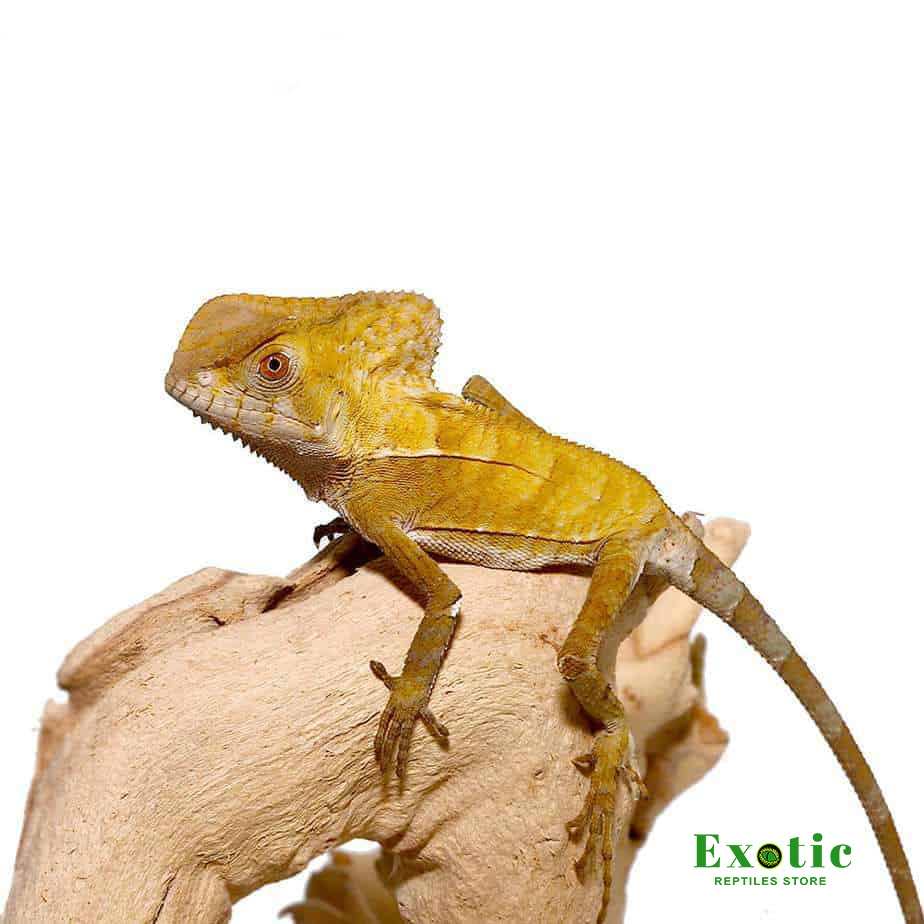
Plan for adult size and strength
An iguana’s small juvenile appearance should not determine its long-term setup. Research expected adult size, strength, activity, diet and the space needed for movement and climbing. Consider whether your household can safely manage an adult animal over its full lifespan before making a commitment.
Build a secure environment
Design a spacious, escape-resistant enclosure with appropriate climbing structures, hides and a measurable environmental gradient. Choose lighting and heating based on current species-specific guidance, and check temperatures at the animal’s actual basking and resting locations.
Diet and daily observation
Use a reliable species-specific feeding plan, provide clean water and maintain food and enclosure hygiene. Record appetite, activity, shedding and body condition. Avoid making supplement or treatment decisions based solely on online comments; seek advice from an exotic-animal veterinarian.
Consider long-term costs and local rules
Budget for enclosure construction, lighting replacement, electricity, food, cleaning and veterinary care. Confirm current ownership and transport laws and identify a qualified veterinarian before acquiring the animal.
Practical checklist
- Confirm species identification and consult current specialist references.
- Prepare and test the habitat before the animal arrives.
- Measure conditions with suitable instruments instead of guessing.
- Keep simple records of feeding, environment and notable changes.
- Identify an exotic-animal veterinarian and check applicable laws.
Related resources
Start with our beginner’s guide to buying a pet reptile, review the reptile enclosure preparation guide, and browse our iguana listings.
Frequently asked questions
Are online care charts always reliable?
Check whether a chart is current, species-specific and supported by reputable husbandry or veterinary sources. One number rarely describes every part of an enclosure.
What if I cannot confirm a requirement?
Pause and seek a reliable specialist source before finalizing equipment or a routine.
When should I call a veterinarian?
Contact a qualified exotic-animal veterinarian for persistent or concerning changes in appetite, behavior, movement or body condition.