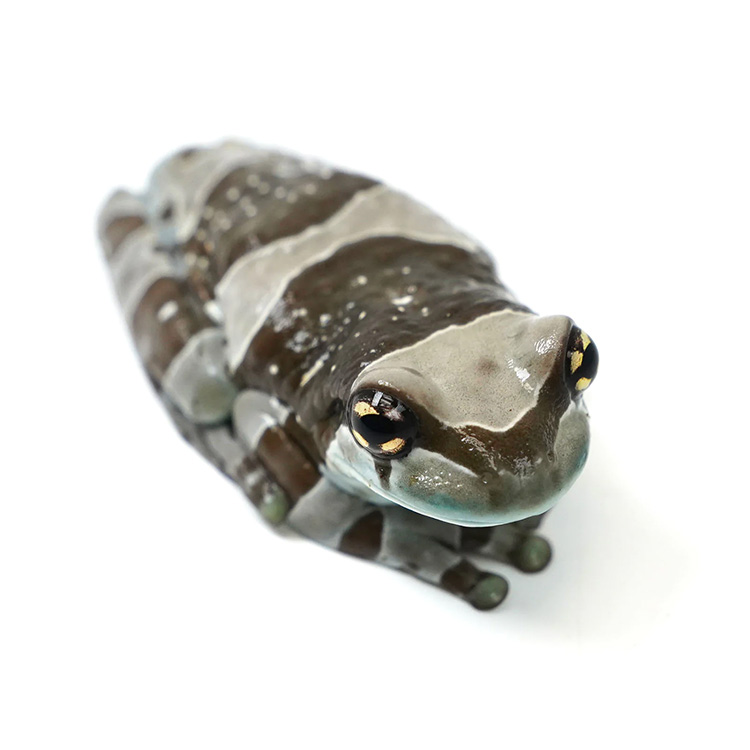
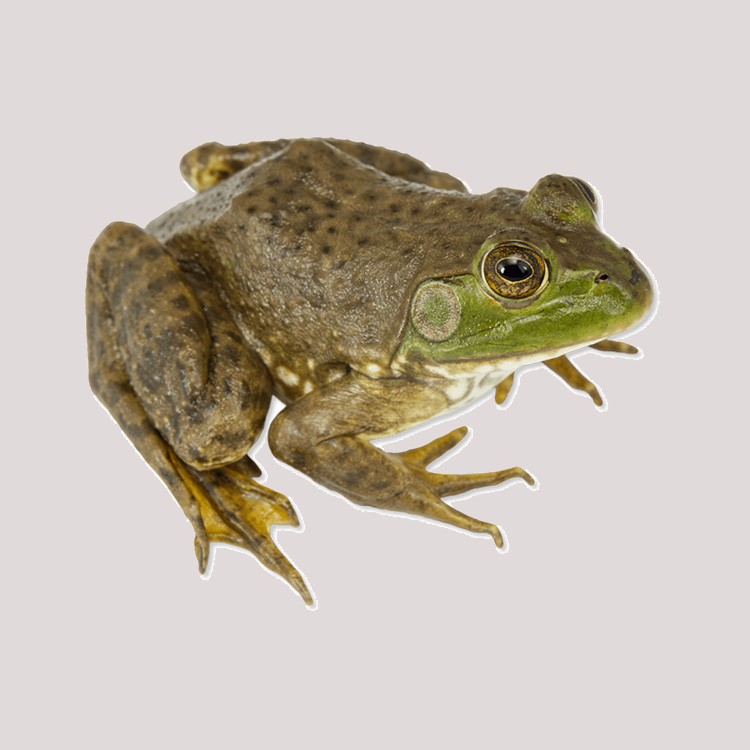
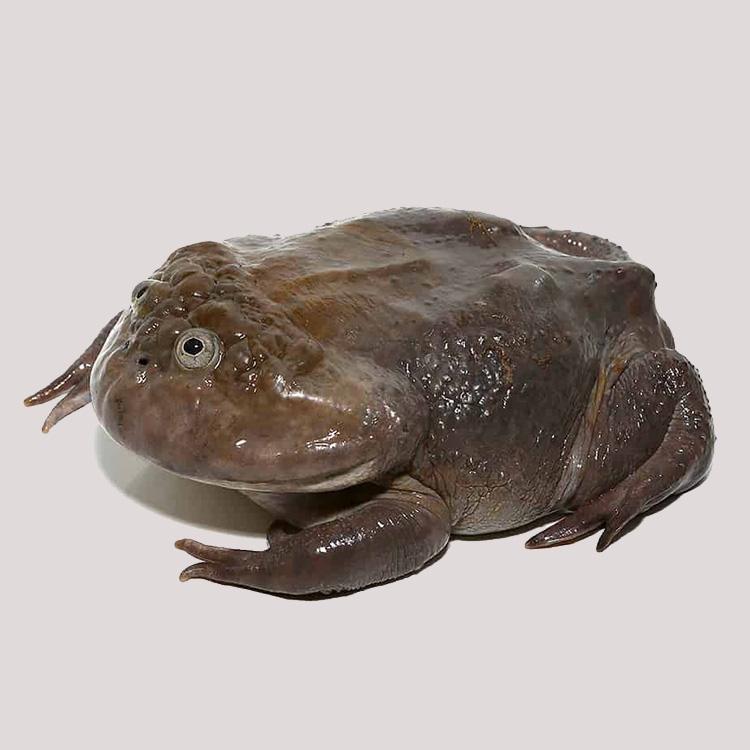
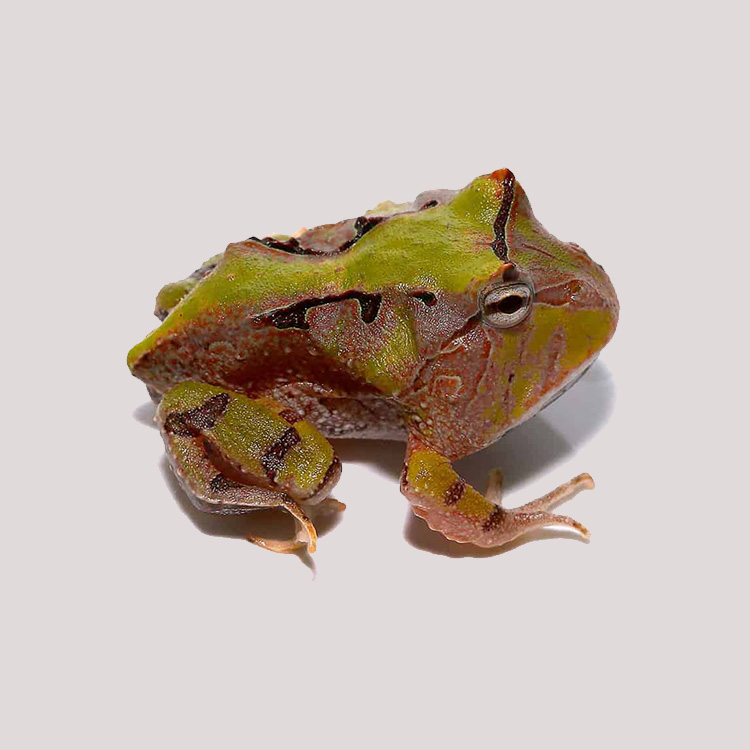
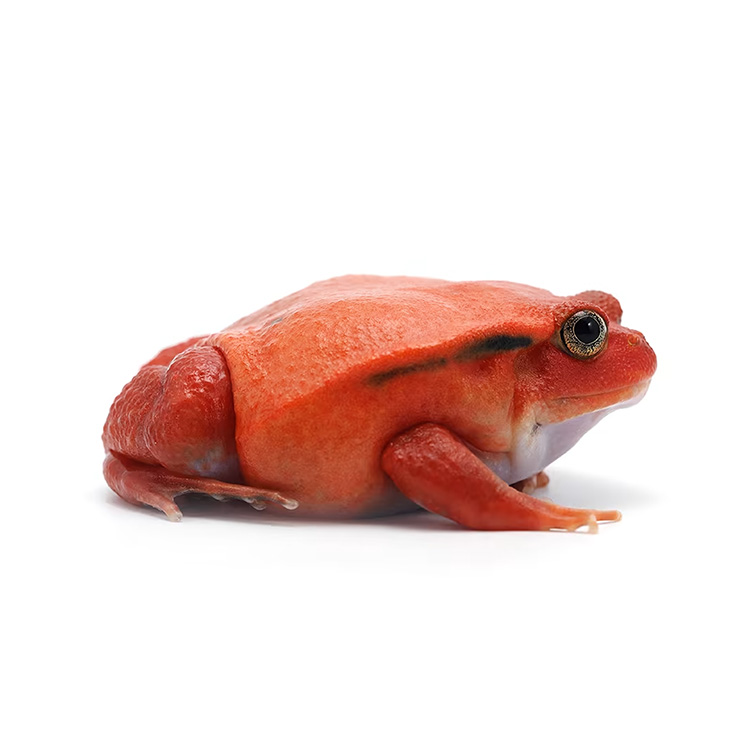
Other Frogs for Sale at Exotics & Aquatics
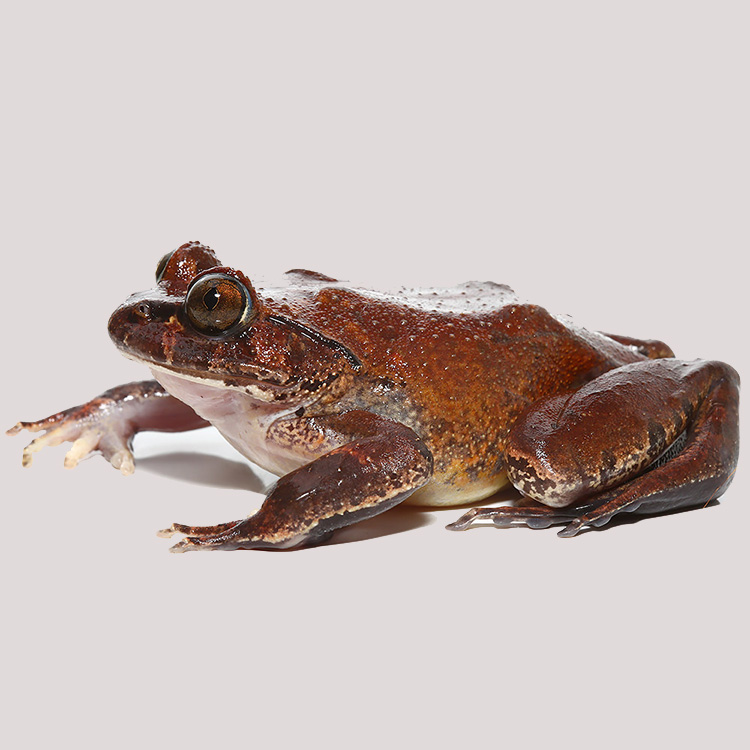
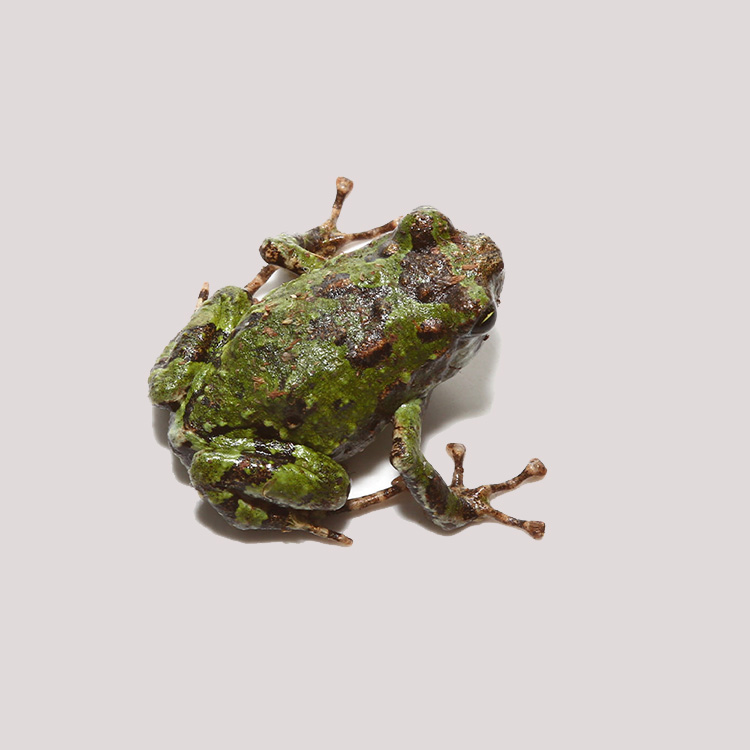
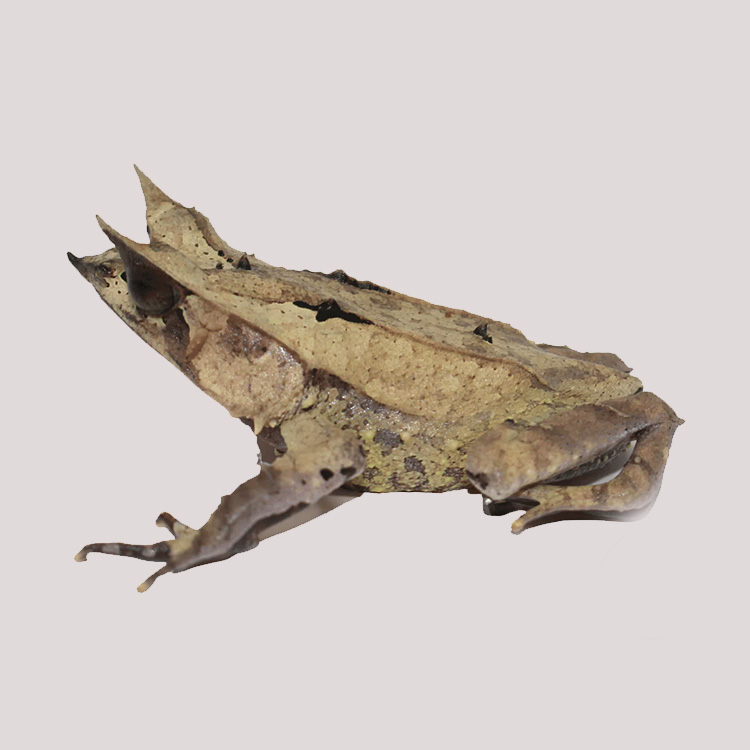
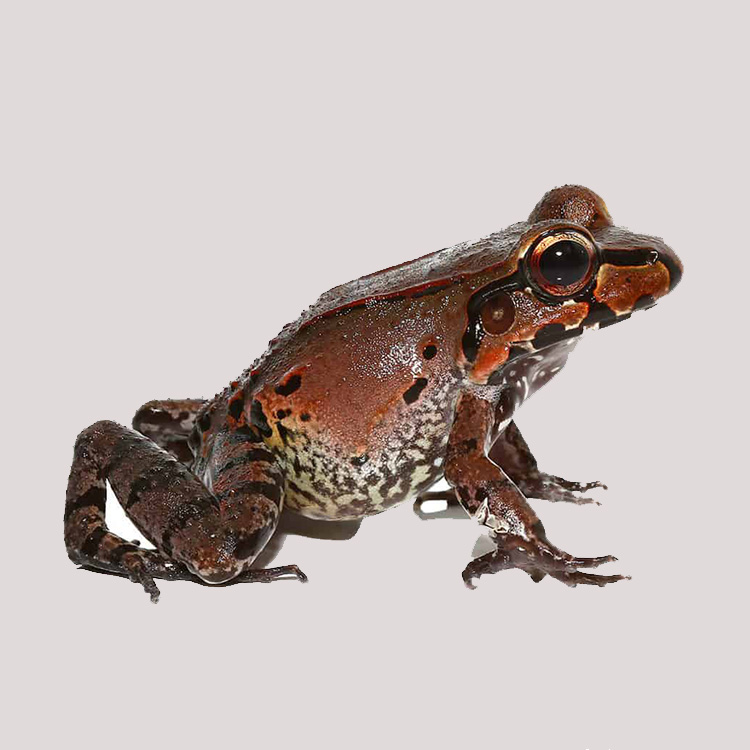
Explore frogs for sale at Exotics & Aquatics. This category brings together listings for frog species with different terrestrial, arboreal, or aquatic lifestyles. Because animals within a broad group can differ substantially, choose by confirmed identity, adult requirements, and suitability for your experience—not appearance alone.
Review each individual product page for the details actually provided and current availability. Do not assume an animal’s age, sex, health status, captive-bred status, locality, or feeding history unless the listing explicitly confirms it.
How to Choose the Right Other Frogs
Before purchasing, research the exact species and, where available, its scientific name. Common names sometimes refer to more than one animal, and similar-looking species can have very different needs.
Factors to Consider Before Buying
-
Adult size: Understand the animal’s expected adult size and enclosure requirements.
-
Behavior and activity: Consider its temperament and whether it is primarily terrestrial, arboreal, or aquatic.
-
Lifespan: Research the long-term commitment involved in keeping the species.
-
Feeding costs: Determine the type, size, and frequency of food required.
-
Handling expectations: Understand the species’ sensitivity and whether handling should generally be avoided.
-
Legal requirements: Check local and state rules before ordering, including restrictions on possession, sale, or transport and any permits that may apply.
Choose a frog whose care requirements fit your available time, experience, space, and budget.
Habitat and Enclosure Planning
A suitable habitat is essential for supporting a frog’s health and natural behavior. Enclosure requirements depend on the species, so research its specific needs before setting up the environment.
Terrestrial, Arboreal, and Aquatic Habitats
Confirm whether the frog is terrestrial, arboreal, or aquatic. Build the enclosure around species-specific temperature, humidity, airflow, water quality, cover, and safe surfaces.
Water must be suitable for amphibians, and aquatic systems need proper preparation and maintenance. Prepare the enclosure before the animal arrives and run the equipment long enough to confirm stable conditions.
Temperature, Humidity, and Ventilation
Use reliable thermometers and hygrometers where appropriate, check readings in the animal’s usable zones, and follow current species-specific guidance rather than relying on generic settings.
Provide appropriate ventilation and secure access points. Furnishings should offer suitable retreats without collapsing, trapping the animal, or causing injury. Keep the habitat away from fumes, aerosols, smoke, and household cleaning chemicals.
Feeding and Nutrition
Many frogs eat live invertebrates, but prey size, feeding frequency, and supplementation depend on the species and age.
Choosing Suitable Food
Use safe, appropriately sized feeder animals and remove leftovers when necessary. Establish a realistic food budget and source supplies before purchase.
Feeding Hygiene and Supplementation
Clean feeding tools, store food safely, and record appetite and body-condition changes. Supplementation can be important for some species, but the appropriate product and frequency vary. Avoid guessing or copying a routine intended for a different animal.
Daily Care, Observation, and Veterinary Support
Frogs usually do best with minimal handling. Research skin sensitivity, hygiene, adult size, expected lifespan, and any legal or sourcing requirements before bringing one home.
Establishing a Daily Care Routine
Build a manageable routine for checking environmental readings, water and enclosure cleanliness, feeding, waste, shedding where relevant, and changes in movement or behavior. Keep brief records so gradual changes are easier to recognize.
Responsible Ownership and Veterinary Care
Identify an exotic-animal veterinarian who treats the species before bringing it home. Persistent appetite changes, injuries, unusual breathing, marked lethargy, or other worrying signs should be discussed with a qualified veterinarian; online information is not a diagnosis.
Do not release captive frogs outdoors if care becomes difficult. Seek a responsible rehoming option instead.
What to Check Before Buying Frogs Online
Use this checklist to prepare before completing your purchase.
-
Read the full listing and confirm the animal’s identity and current availability.
-
Ask about essential details that are not stated; do not infer age, sex, origin, or health from photographs alone.
-
Confirm shipping or collection arrangements, timing, and what you must prepare before arrival.
-
Review the store’s current purchase policies and keep order-related communications.
-
Check applicable wildlife, possession, and transport laws before completing a purchase.
-
Prepare a secure, species-appropriate habitat and locate veterinary support in advance.
Related Animal Categories
Compare related animal groups to learn how their habitats, diets, and husbandry requirements differ.
-
Amphibians: Explore amphibian species and their individual environmental needs.
-
Geckos: Learn about gecko species, climbing habitats, and feeding requirements.
-
Turtles: Research aquatic and terrestrial turtle habitats, diet, and long-term care.
Frequently Asked Questions About Other Frogs
How do I know which animal is right for me?
Compare the exact species’ adult size, environmental needs, diet, temperament, lifespan, and total cost of care with your available time and space. A smaller animal is not automatically easier to keep.
Are all animals shown in this category available?
Availability can change. Check the current product listing and contact Exotics & Aquatics if you need clarification before ordering.
Should I set up the enclosure after the animal arrives?
No. Prepare and test the habitat beforehand so appropriate environmental conditions, food, cleaning supplies, and secure housing are ready.
Where can I get care advice?
Use reliable, current, species-specific husbandry resources and consult a qualified exotic-animal veterinarian for health concerns. Care requirements can differ even among closely related species.
Contact Exotics & Aquatics
Exotics & Aquatics encourages careful research and informed animal ownership. Review the individual listing, confirm the details important to your decision, and prepare for the animal’s full life-cycle needs before purchasing.
Exotics & Aquatics
-
Website: https://www.exoticsandaquatics.com/
-
Address: 6447 Williamson Rd, Roanoke, VA 24019
-
Email: sales@exoticsandaquatics.com
Care information is general and should be checked against current, species-specific guidance. Product availability and animal-specific details are determined by each live listing.