
Choosing a specialist reptile is a long-term decision that should begin with research, not impulse. Species described as “specialist” may have demanding adult-space, environmental, feeding, handling, legal or veterinary requirements. This guide from Exotics & Aquatics outlines the questions to investigate before committing to an animal. Always verify details for the exact species and individual listing; a general article cannot replace current species-specific guidance or veterinary advice.
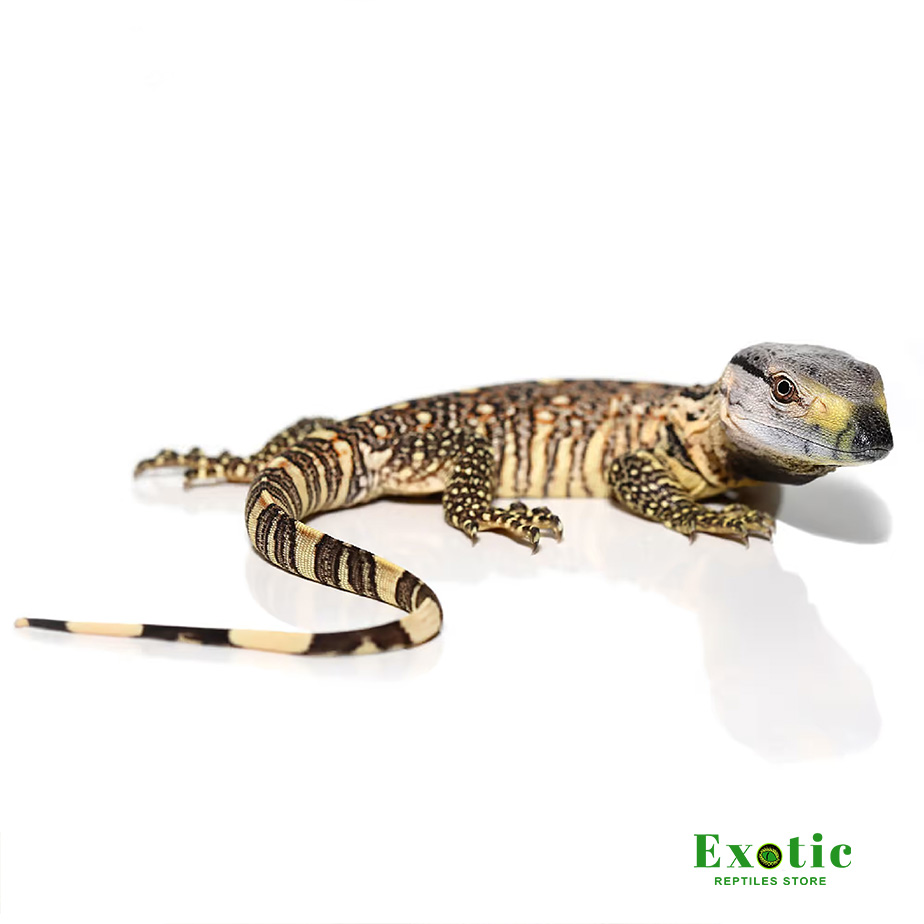
1. What is the exact species?
Start with the common name and, where available, the scientific name. Common names can be used inconsistently, and related species may differ considerably in adult size, habitat, diet and behavior. Ask for clarification if a listing does not provide enough information to identify the animal confidently. Never infer age, sex, locality, captive-bred status, health or feeding history from a photograph unless the seller explicitly confirms those details.
Once you have an identification, consult more than one reputable, current source. Look for guidance from experienced specialist keepers, recognized herpetological resources and an exotic-animal veterinarian. Take note of any disagreement between sources and investigate it rather than selecting whichever answer is easiest.
2. How large will it become?
Research typical adult length, body mass, activity level and strength—not just the size of a hatchling or juvenile. An animal that looks manageable in a small temporary enclosure may eventually need a large, secure habitat, stronger furnishings and more involved handling arrangements. Consider whether your home can accommodate the adult enclosure without blocking access, compromising ventilation or making routine cleaning difficult.
Plan the permanent habitat before purchase. Temporary housing should not become a substitute for a realistic adult-care plan. If you cannot provide appropriate space over the animal’s lifetime, choose a species whose needs fit your circumstances.
3. What enclosure and environmental conditions are required?
Find out whether the species is terrestrial, arboreal, burrowing, semi-aquatic or adapted to another specialized environment. Research enclosure dimensions, ventilation, temperature gradient, basking needs, humidity, lighting, UVB requirements where applicable, substrate, hides, water access and enrichment. These requirements are species-specific; one setup should not be assumed suitable for every reptile.
- Measure conditions: use reliable instruments to check temperatures and humidity in the places the animal can actually access.
- Test before arrival: run heating, lighting, thermostats and other equipment in advance and confirm stable operation.
- Make the enclosure secure: check locks, doors, vents, gaps and any points an animal could push, climb or dig through.
- Choose safe furnishings: branches, hides, platforms and water containers should be stable and easy to clean.
- Plan maintenance: ensure you can reach every area for feeding, cleaning and inspection without unsafe handling.
Keep the habitat away from smoke, aerosols, fumes and cleaning chemicals. If an environmental requirement is unclear, confirm it through reliable specialist sources before buying equipment or setting a thermostat.
4. What does the animal eat?
Research the appropriate food type, prey size or plant selection, feeding frequency, supplementation and food-storage requirements. Different reptiles may be insectivorous, herbivorous, omnivorous or dependent on other specialized diets. A feeding routine that suits one species or life stage may be inappropriate for another.
Calculate recurring costs and check that suitable food is reliably available. Learn safe food preparation and hygiene, and keep a simple record of meals and appetite. Avoid overfeeding to encourage rapid growth, improvising supplements or making sudden dietary changes without appropriate guidance.
5. What behavior and handling should I expect?
Research the species’ activity cycle, defensive behavior, speed, climbing ability, strength and tolerance of handling. Some reptiles are best observed with minimal interaction; others may require confident, experienced management as they mature. A calm-looking animal is not guaranteed to remain calm in every situation, and frequent handling is not a universal measure of good welfare.
Ask how routine care can be carried out safely, including enclosure cleaning, transport and veterinary visits. For large or powerful reptiles, consider whether trained assistance or a second responsible adult will be needed. Never handle an animal in a way that exceeds your training or puts other people at risk.
6. Is ownership legal where I live?
Check current federal, state and local laws before purchase. Restrictions may apply to possession, sale, import, transport, enclosure standards or particular species. Some animals require permits or specialist facilities, and rules may change. Confirm requirements with the relevant authorities rather than relying solely on a forum post or an old care sheet.
Also consider landlord or homeowners’ rules, insurance, zoning and household safety. If permits, documentation or facility standards apply, resolve them before making a financial commitment. This article is general information and is not legal advice.
7. Can I afford lifetime care?
The purchase price is only one part of the cost. Budget for a suitable enclosure, heating and lighting equipment, thermostats, monitoring instruments, furnishings, food, electricity, replacement bulbs, cleaning supplies, transport and veterinary care. Larger or specialist species can have particularly significant housing and medical costs.
Set aside an emergency veterinary fund and identify a clinic that treats the exact species. Ask whether the veterinarian has experience with its husbandry and common health concerns. If suitable veterinary care is not reasonably accessible, reconsider whether keeping that animal is responsible.
8. What information should I confirm with the seller?
Read the complete product listing and ask concise questions about any essential detail that is missing. Confirm current availability, identification, any stated age or sex, known feeding information, collection or transport arrangements, and what you should prepare before arrival. Request clarification in writing when a detail materially affects your decision. Do not assume a detail is confirmed merely because it is common for the species.
- Is the animal currently available, and does the listing identify it clearly?
- Which animal-specific details are confirmed, and which are unknown?
- What are the current shipping or collection arrangements?
- What habitat conditions should be ready before arrival?
- Which purchase, delivery and customer policies apply to this order?
9. How will I manage arrival and acclimation?
Prepare the habitat and supplies before the animal arrives. Follow the agreed transport instructions, minimize unnecessary disturbance and allow the animal to settle in accordance with species-specific guidance. Do not immediately introduce it to other reptiles. Ask a qualified veterinarian about appropriate quarantine and health-monitoring practices, especially if you already keep animals at home.
Observe appetite, movement, breathing, body condition and other behavior without repeatedly disturbing the animal. If you notice injury, unusual breathing, marked lethargy or persistent changes in appetite, contact a qualified exotic-animal veterinarian. Online articles cannot diagnose illness.
10. When should I decide not to buy?
Pause if you cannot verify the species, meet its adult housing needs, afford ongoing care, satisfy legal requirements or find appropriate veterinary support. Do not buy an animal because it is rare, visually striking or temporarily available if the long-term plan is not ready. Responsible ownership means matching the animal’s welfare needs with your real experience, resources and time.
Related resources at Exotics & Aquatics
Continue your research with our beginner’s guide to buying a pet reptile, reptile enclosure preparation guide, and lizard category. Compare the individual listings and confirm animal-specific details before making a decision.
Frequently asked questions
Can one care routine work for every reptile?
No. Enclosure conditions, diet, handling, adult size and health needs differ among species and life stages. Always use current guidance for the exact animal.
Should I buy the enclosure after the reptile arrives?
No. Prepare and test the habitat first, including temperature, lighting, humidity where relevant, secure furnishings, food and cleaning supplies.
What if the listing does not confirm an important detail?
Ask the seller for clarification and verify the information through a reliable source. Do not treat an assumption as a confirmed fact.
Does this guide replace advice from a veterinarian or legal authority?
No. It is general educational information. Consult an exotic-animal veterinarian about health and husbandry concerns and the relevant authorities about legal requirements.
Contact Exotics & Aquatics
Exotics & Aquatics encourages careful research and responsible animal ownership. For questions about an individual listing, contact us before placing an order.
Exotics & Aquatics
Website: https://www.exoticsandaquatics.com/
Address: 6447 Williamson Rd, Roanoke, VA 24019
Email: sales@exoticsandaquatics.com