
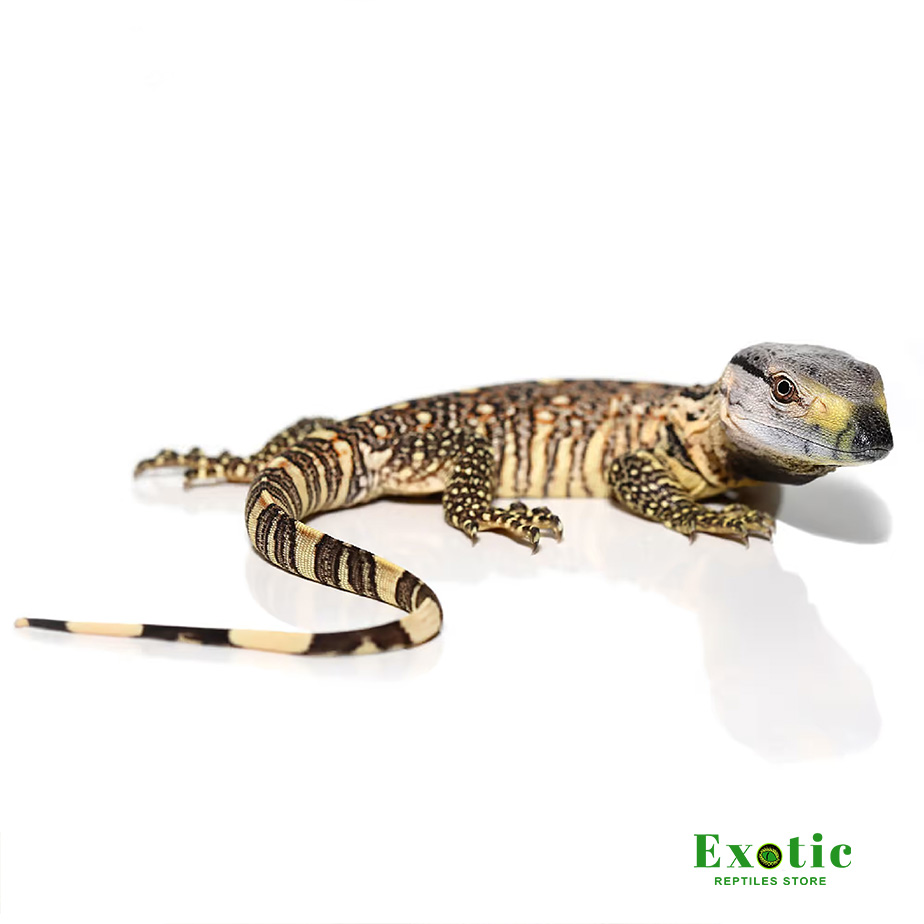
Useful reptile enclosure enrichment gives an animal opportunities to hide, climb, explore, dig or otherwise perform appropriate natural behaviors. Enrichment is not simply decoration: features should be safe, stable, suitable for the species and easy to maintain. This guide from Exotics & Aquatics explains how to think about hides and habitat features while keeping species-specific welfare needs at the center.
Start with species and behavior
Before adding branches, rocks, plants or tunnels, identify the reptile and research its activity pattern, body size, climbing or burrowing behavior, preferred cover and environmental needs. An arboreal species may benefit from secure perches and vertical routes, while a terrestrial or burrowing animal may need floor space, hides or appropriate digging opportunities. Do not assume that one enclosure layout suits all reptiles.
Provide usable hiding places
Hides allow a reptile to retreat from light, activity and observation. Depending on the species, more than one hide may help the animal choose between warmer and cooler areas or between different humidity conditions. Hides should be appropriately sized, stable, easy to inspect and free of sharp edges. Check that the animal can enter and exit without becoming wedged or trapped.
Build safe climbing routes
For climbing species, use branches, platforms and other structures that can support the animal’s adult weight. Anchor furnishings securely and test them for movement before introducing the reptile. Arrange routes so a fall is less likely to cause injury and ensure that heat sources, lamps and electrical components cannot be reached in a dangerous way. Vertical space is useful only when the animal can use it safely.
Support digging and exploration
Some species dig or burrow, so substrate depth and texture may be important. Research suitable materials and ensure that tunnels or excavated areas cannot collapse around the animal. Heavy décor should not rest on loose substrate where digging could undermine it. Provide opportunities for exploration without blocking access to water, hides or basking zones.
Plants and visual cover
Plants and foliage can create visual barriers and make some habitats more complex. Use only plants and materials confirmed safe for the species and enclosure conditions. Check for pesticides, fertilizers, sharp stems, loose leaves and areas where the animal could become trapped. Artificial foliage also needs regular inspection and cleaning. Never rely on plants to replace suitable temperature, humidity, ventilation or secure hiding areas.
Temperature, humidity and lighting still matter
Enrichment features must work with the enclosure’s environmental gradient. A new platform may put the animal closer to a heat source; a dense hide may trap excess moisture; a branch may create an escape route. After changing the layout, measure temperatures and humidity in the places the animal can access and confirm that lighting and ventilation remain appropriate. Use reliable instruments rather than assuming equipment settings reflect the conditions at the animal’s level.
Choose materials carefully
Inspect wood, stone, resin, plastic and other materials for sharp edges, splinters, unstable joints, loose parts, coatings or unknown chemicals. Avoid objects that can break into swallowable pieces or tip over. Do not collect natural materials from areas where pesticides, pollution or parasites may be a concern unless they can be safely identified and prepared according to reliable guidance. When unsure, choose a purpose-made product whose materials and use are clear.
Enrichment and feeding
Some animals benefit from safe opportunities to search or work for food, but feeding enrichment must fit the species’ normal diet and behavior. Avoid leaving uneaten insects or prey in the enclosure where they may stress or injure the reptile. Do not hide food in a way that causes contamination or makes it impossible to monitor appetite. If an animal has a medical or feeding issue, ask a qualified veterinarian before changing its feeding approach.
Observe the animal’s response
Introduce changes gradually and watch how the reptile uses the habitat. Note whether it can reach hides, basking areas, water and feeding locations easily. Check for repeated escape attempts, persistent avoidance, injury or changes in normal behavior. A lack of visible activity does not necessarily mean the animal is unhappy; some reptiles are naturally secretive or active at particular times. Interpret behavior using species-specific knowledge.
Keep enrichment clean and maintainable
Complex décor can make waste harder to see, so design the enclosure for regular inspection and cleaning. Remove contaminated items promptly, inspect joints and surfaces, and replace anything damaged or difficult to sanitize. In naturalistic or planted habitats, maintenance remains necessary. Do not use a cleaning product around the reptile unless its suitability and required rinsing or drying procedures are clear.
Common enrichment mistakes
- Adding attractive objects without checking whether they are safe or useful for the species.
- Using unstable branches, rocks or platforms that can collapse.
- Blocking ventilation, basking access, water or hides with new décor.
- Creating an escape route through branches or furnishings placed near the lid.
- Adding too many features before confirming that temperatures and humidity remain correct.
- Assuming an enriched enclosure no longer needs cleaning or daily observation.
Frequently asked questions
How many hides does a reptile need?
It depends on species, enclosure design and environmental requirements. Research the animal’s needs and ensure hides are appropriately sized, secure and accessible.
Can I use branches collected outside?
Only if the wood and preparation method are confirmed safe for the species. Unknown coatings, pesticides, contaminants or parasites may create risks.
Should I rearrange the enclosure often?
Not necessarily. Changes should have a purpose and should not cause repeated unnecessary disturbance. Introduce new features carefully and monitor the animal’s response.
Does enrichment replace correct husbandry?
No. Appropriate temperature, humidity, lighting, diet, hygiene, space and veterinary care remain essential.
Related resources
Read our guides to reptile substrate, thermometers and hygrometers and enclosure cleaning.
Contact Exotics & Aquatics
Exotics & Aquatics
Website: https://www.exoticsandaquatics.com/
Address: 6447 Williamson Rd, Roanoke, VA 24019
Email: sales@exoticsandaquatics.com
General educational information only. Confirm habitat choices with current species-specific husbandry resources and qualified veterinary advice.