
This practical guide to lizard species care focuses on preparation, observation and reliable species-specific information. Reptiles differ widely in their needs, so treat broad advice as a starting point and verify details for the exact species and life stage.
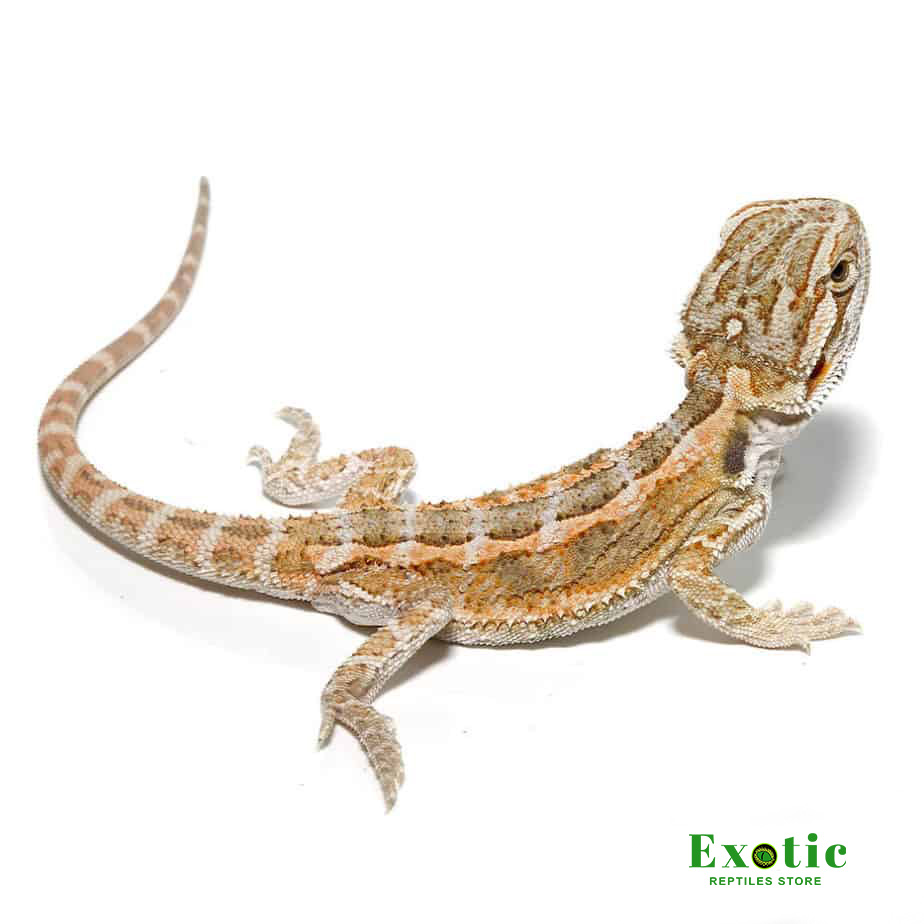
Start with exact identification
Find the scientific name where possible and confirm the species from a reliable source. Record the source and publication date. A common name or a social-media post may not provide enough detail to select the correct enclosure, diet, temperature, humidity or lighting.
Build a requirements checklist
Compare adult size, habitat type, thermal needs, humidity, UVB, diet, water, hides, activity pattern and expected lifespan. Separate requirements that are well supported from questions that still need confirmation. Do not copy exact settings from a different species just because it looks similar.
Measure and document the setup
Use appropriate instruments and check conditions at more than one location. Save equipment instructions, measurement notes and your reference links. Recheck the setup after changing lamps, heating, substrate, enclosure layout or ventilation.
Ask an expert when evidence is unclear
Use a qualified exotic-animal veterinarian or a reputable species specialist when sources conflict or the animal has health concerns. Do not attempt medication or treatment based on general web content.
Practical checklist
- Confirm species identification and consult current specialist references.
- Prepare and test the habitat before the animal arrives.
- Measure conditions with suitable instruments instead of guessing.
- Keep simple records of feeding, environment and notable changes.
- Identify an exotic-animal veterinarian and check applicable laws.
Related resources
Start with our beginner’s guide to buying a pet reptile, review the reptile enclosure preparation guide, and browse our lizard listings.
Frequently asked questions
Are online care charts always reliable?
Check whether a chart is current, species-specific and supported by reputable husbandry or veterinary sources. One number rarely describes every part of an enclosure.
What if I cannot confirm a requirement?
Pause and seek a reliable specialist source before finalizing equipment or a routine.
When should I call a veterinarian?
Contact a qualified exotic-animal veterinarian for persistent or concerning changes in appetite, behavior, movement or body condition.