
What Do Uromastyx Eat? Understanding Their Dietary Needs requires more than a quick checklist. This guide to what do uromastyx eat covers the main decisions to research, how to prepare, and what to monitor over time. Requirements vary by species and individual animal; verify details with current specialist husbandry references and a qualified exotic-animal veterinarian when needed.
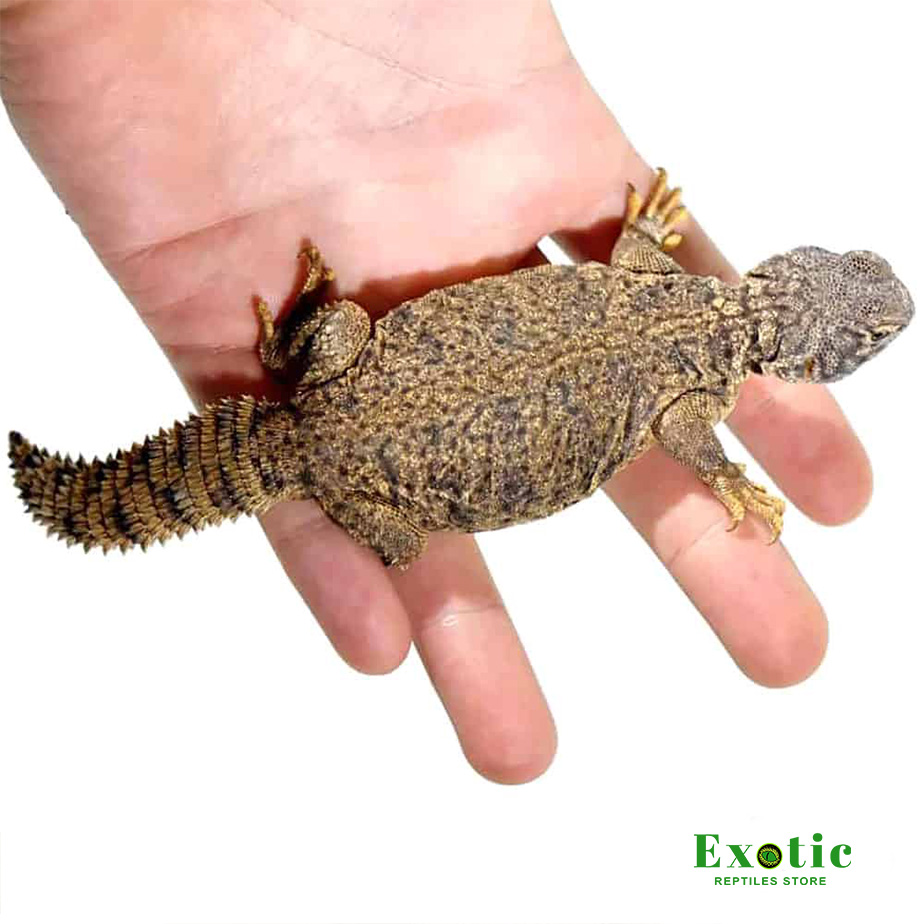
Confirm the exact species first
Care advice must match the animal being kept. Research adult size, lifespan, diet, environmental range, activity and any specialist needs before choosing equipment or a routine. Common names can cover different animals, so confirm the scientific identification where possible and use reputable species-specific references.
Prepare a measurable habitat
Plan an enclosure that supports normal movement, hiding, thermoregulation and enrichment. Install equipment safely and measure conditions where the animal spends time. Do not rely on a lamp’s wattage or the room’s temperature as proof that the enclosure is suitable; use appropriate thermometers, hygrometers and manufacturer guidance.
Plan feeding and observation
Establish a species-appropriate diet from reliable guidance before arrival. Record feeding, activity, shedding and any changes you observe. Diet and supplementation are not interchangeable between species. If appetite, movement or appearance changes in a concerning way, consult a qualified exotic-animal veterinarian rather than diagnosing from a web article.
Budget for the long term
Include enclosure upgrades as the animal grows, heating and lighting costs, replacement equipment, food, cleaning supplies and veterinary care. Identify an experienced exotic-animal veterinarian in advance. Check local ownership and transport laws before committing, especially for large or specialist species.
Preparation checklist
- Confirm species identification and use current species-specific care references.
- Prepare and measure the habitat before bringing the animal home.
- Plan a sustainable routine for food, cleaning, equipment checks and observation.
- Budget for adult housing, replacement equipment and veterinary care.
- Check applicable ownership and transport rules before purchasing.
Explore more
Browse uromastyx listings and continue reading: beginner reptile buying guide · online reptile purchase checklist · reptile enclosure setup guide.
Frequently asked questions
Can I use one care routine for every reptile?
No. Environmental, feeding and handling needs differ by species and life stage. Confirm advice for the exact animal rather than relying on general rules.
What if my animal stops eating or acts differently?
Check your recorded environmental readings and seek advice from an exotic-animal veterinarian, particularly if changes persist or other symptoms appear.
Is this a substitute for veterinary advice?
No. This is educational guidance. A qualified veterinarian can assess an individual animal and advise on its health and husbandry.